Get

In Your Inbox

Catster is reader-supported. When you buy via links on our site, we may earn an affiliate commission at no cost to you. Learn more.

What Causes UTIs (Urinary Tract Infections) in Cats (Vet Answer)

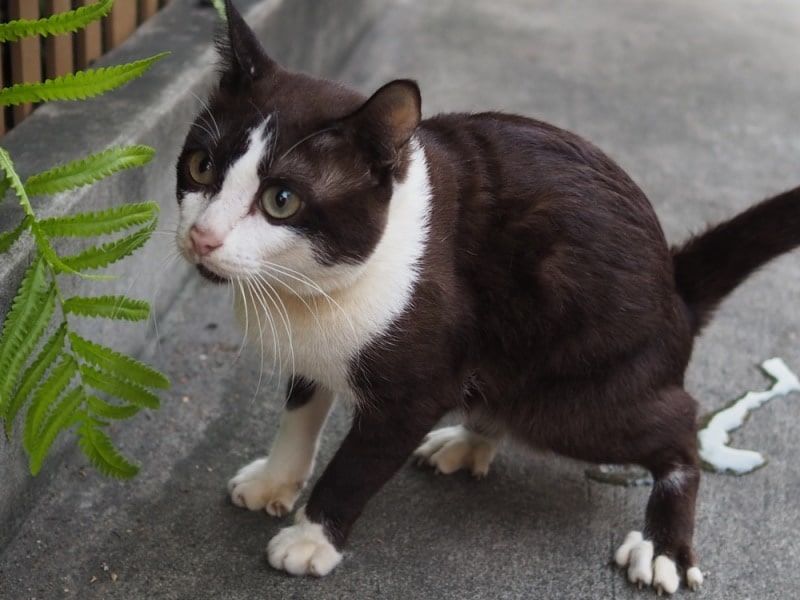
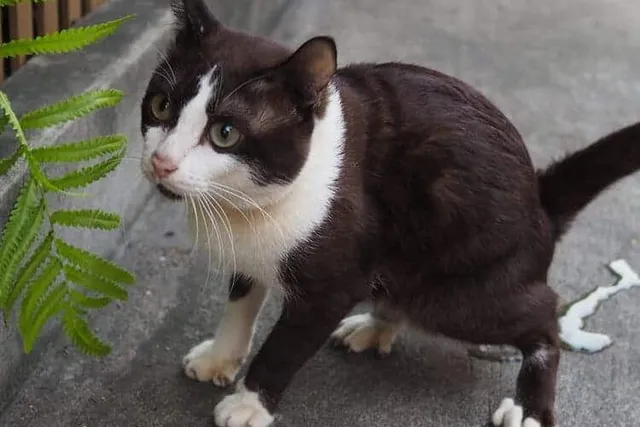
black and white cat peeing outdoor

Urinary tract infections, or UTIs, occur when the body’s innate defenses are defeated, and microbes invade and infect the organs responsible for creating and storing urine. The urinary tract is a complex system, and a lot of things can go slightly wrong, so urinary tract infections are common.

Almost all UTIs in cats are caused by bacteria. When given the opportunity, these bacteria invade the urinary system by multiplying in both the urine and the mucosal walls of the tract itself. From there, the bacteria either continue to multiply in the same spot or spread along the tract.

divider 1 paws

Anatomy Review

Male-vs-Female-Cat-Urinary-System
You are free to use this image but we do require you to link back to Catster.com for credit

The urinary tract starts at the kidneys, organs where the blood is filtered and urine is created. The urine then travels along a tube-like structure called the ureter to the bladder. And from the bladder, it flows along another tube called the urethra.

Bacteria That Cause UTIs

Most UTIs are caused by only one type of bacteria, as opposed to two or three species of bacteria, for example. Escherichia coli is the most common, but almost any type of bacteria can invade.

Other common types of bacteria are:
  • Other gram-positive cocci
  • Proteus spp.
  • Klebsiella spp.
  • Pasteurella spp.
  • Pseudomonas spp.
  • Corynebacterium spp.

divider 1 paws

Types of UTIs

When bacteria invade, they can infect the entire urinary tract or singular parts of it.

Lower Urinary Tract Infections

Most UTIs are caused by what is called ascending tract infections—bacteria invade from the outside, up through the urethra, and into the bladder. Many times, the infection stops there, and it is classified as a lower urinary tract infection.

Some cats can deal with a mild lower urinary tract infection for a long time and are very good at hiding it. Therefore, it is actually good to watch your cat use the bathroom and know what is normal for them. That way, when even the smallest thing goes wrong, you will notice.

Signs of a Lower UTI Can Include:
  • More frequent urination
  • Straining to urinate
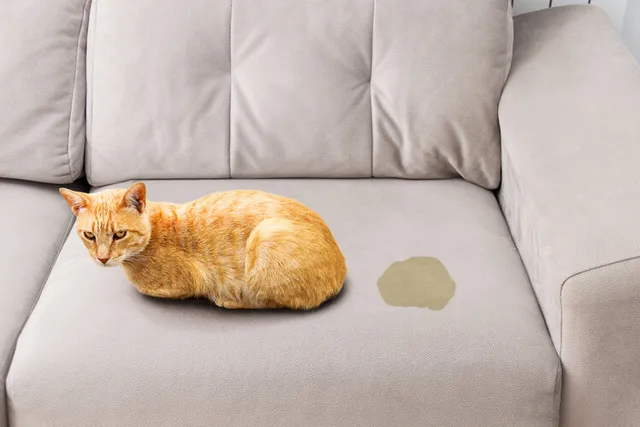
  • Urinating in strange places
  • Red or blood-stained urine
  • Painful urination

If your pet is showing these signs, we suggest you speak to a vet.

If you need to speak with a vet but can't get to one, head over to PangoVet. It's an online service where you can talk to a vet online and get the advice you need for your pet — all at an affordable price!

PangoVet_Mention-in-Content for PangoVet2 save money

Upper Urinary Tract Infections

Upper UTIs are almost always clinically worse than lower UTIs and need to be treated by a veterinarian immediately. The kidneys are responsible for filtering the blood and turning it into urine, so infection in these organs can quickly affect the rest of the body.

Plus, most upper urinary tract infections include the lower urinary system because the ascending bacteria have traveled up from the bladder and into the kidneys. If bacteria has come into the kidneys from upstream, from the blood, then the overall situation is severe indeed.

Signs of an Upper UTI Can Include:
  • Lethargy
  • Pain in the abdomen
  • Vomiting
  • Inappetance
  • Painful urination

divider 1 paws

How Bacteria Invade

The urinary tract is designed to defend itself; however, when something changes, even slightly, it is easier for bacteria to invade. Many features of the system work together innately to prevent infection.

  • Concentration: Normal cat urine is very concentrated, which creates an environment that is difficult for bacteria to grow. But if that changes for long periods, as can sometimes happen with chronic disease, bacteria can overgrow. For example, the disease hyperadrenocorticism changes the concentration of urine through the dysregulation of hormones that control salt and water in the body. Chronic kidney disease also dilutes the urine. Hence, UTIs are common with chronic diseases.
  • Composition: Some diseases change the molecules in the urine. Diabetes (a common disease in cats) forces excess glucose from the blood into the urine, which creates an ideal sugary environment for bacteria to prosper.
  • Flow velocity: Healthy pee that flows quickly and strongly through the urethra keeps most of the bacteria sitting on the genitals from traveling up the urethra. However, if urine dribbles out slowly or is not completely voided, bacteria can creep up the urethra. Many cats, especially older cats, that are incontinent or who do not urinate as powerfully as they used to are predisposed to UTIs.
  • Structural Compromise: Likewise, changes to the structure of the tube-like urethra can allow a breach of the system, like sphincters do not close tightly, or the urethra is deformed, has a polyp, is overly stretched out, or even if it is too short. Cats that have had lower urinary tract problems before are predisposed to having them again because even tiny scars along the urethra breach the barrier. Even structures that are outside the urethra can impact its effectiveness. The prostate, for example, can get enlarged and press on the urethra, thus deforming its seal.
  • Immune Suppression: Generalized immune suppression can also inhibit the urinary system’s ability to prevent UTIs. When the immune system is suppressed, antibodies and white blood cells decrease, and bacteria are not killed off as quickly. This commonly happens with chemotherapy or FeLV; both decrease the efficiency of the immune system and predispose cats to UTIs.
  • Medication: Certain medications also can change the consistency of urine and predispose a cat to a UTI. Corticosteroids are commonly given to cats and have a side-effect that increases dilute urine production and, consequently, UTIs.
  • Incontinence: Incontinence deserves another mention not only because it is so prevalent and problematic but because it can be both the cause and the effect. If a cat is incontinent, the dribbling urine creates a perfect pathway for bacteria to travel up. But also, if a cat has a UTI, the walls of the tract become inflamed, and the sphincters do not close properly, dribbling urine.

Therefore, incontinence can both cause a UTI and be caused by a UTI. Sometimes it can be difficult to puzzle out which one came first.

cat examined by Vets
Image Credit: Kzenon, Shutterstock

divider 1 paws

The Problematic Indoor Cat

Indoor cats are prone to UTIs. The reasons for this are complex and multi-faceted. But inactivity, decreased water consumption, decreased urination frequency, and chronic stress all play a role.

In fact, there is a whole lower urinary tract syndrome, which probably deserves its own article, that predisposes cats to UTIs. The syndrome is called Feline Lower Urinary Tract Disease (FLUTD), and cats can end up not being able to pee at all. This is an urgent emergency!

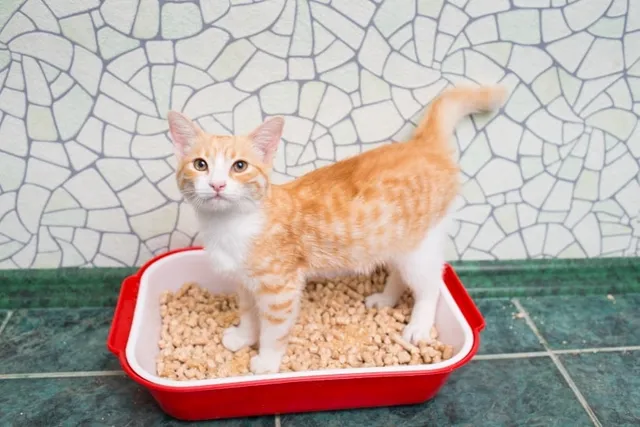
A good strong pee flow, with lots of urine flushing out the system, acts as its own defense against UTIs. There are several things that we can do to help encourage cats to keep their urinary system moving along. The main goal is to encourage cats to drink water and, as a result, to urinate more frequently and not to hold their pee for long periods of time.

To Increase Water Consumption:
cat drinking water from fountain
Image Credit: Daria Kulkova, Shutterstock
To Encourage Urination:
  • Make sure litter trays are clean & comfortable
  • Increase the number of litter trays
  • Offer different types, or their favorite type, of litter
  • Ensure pets are not bullying each other over the litter tray

divider 1 paws

Conclusion

The urinary system has many methods of fighting off infection, but if bacteria manage to break through its barriers, an infection can quickly spread along the tract. UTIs are common in cats and can be caused by numerous predisposing factors.

Carefully monitoring your cat’s normal urination patterns and bringing your cat to the vet when something changes is the best way of both preventing UTIs and catching them early.


Featured Image Credit: nanniezwawa, Shutterstock

Want content like this delivered to you?

Sign Up For Our Newsletter

News, insights, expert advice, and everything cat

* By submitting, you agree to our Terms & Conditions and Privacy & Cookies Policy.


How useful was this post?

Click on a star to rate (you can leave written feedback after clicking submit)

Help us improve Catster for pet parents!

Your feedback really matters.

What did you like about this post? Also how can we improve it?

Join the conversation

Leave a Reply

You’re very welcome to leave a comment or question. Please know that all comments must meet our community guidelines, and your email address will NOT be published. Let’s have a positive and constructive conversation.


Talk With A Vet Online

Peace of mind,
anywhere, anytime

Affordable vet advice

Purple Leash Project: What It Is & Why It Is So Important

We likely all know a victim of domestic violence and are familiar with the devastation that comes with it. Survivors know all too...

Are Frosty Ferns Toxic to Cats? Vet-Approved Facts & FAQ

Frosty ferns are delicate light green plants popular with gardeners everywhere. Its shimmery new sprouts make the entire plant look like it’s been...

6 Cat Brain Games That Will Enrich Their Life: Vet Approved Picks

Our cats love to engage in exciting activities that get their thinkers going. Anything that requires a prey drive response, they have it...

Are Cats Faster Than Dogs? Vet-Verified Facts & Explanation

The eternal debate of cats versus dogs has fueled countless discussions. One question in particular often arises: Are cats faster than dogs? While...

More related

Do Pets Affect Intimacy Between Pet Parents? 2026 Survey Results

Thanks to several factors, including the recent Covid-19 pandemic, pet ownership worldwide has increased significantly.1 The millennial generation, in particular, leads the charge,...

Why Does My Cat Sleep at My Feet? 6 Vet-Reviewed Reasons Behind This Behavior

Cats love to nap, with some spending more than 15 hours per day asleep. But cats can be pretty particular about where they...

Can Cats Eat Turkey Bacon? Vet-Approved Risks & FAQ

Turkey and bacon are two legitimate meats in their own right, and each of these meats is popular with both humans and pets...

What Causes UTIs (Urinary Tract Infections) in Cats (Vet Answer)

Urinary tract infections, or UTIs, occur when the body’s innate defenses are defeated, and microbes invade and infect the organs responsible for creating...

Keep reading

Vet Clinic Is Booked for the Day, What Do I Do? 5 Vet Approved Tips

Pets need to go to the vet on occasion, just like we need to visit our doctors occasionally. Often, when our pets need to go to the vet, we know in advance and can easily schedule an appointment. However, this...

man holding a cat in a waiting room at vet clinic

9 Best Whisker Relief Cat Bowls for Cats in 2026 – Reviews & Top Picks

Your cats’ whiskers help your cat balance and navigate their way through life. They are also attached to blood vessels and nerves, causing them to be incredibly sensitive. Whisker fatigue can happen when your cat has to dip their face...

himalayan persian cat eating hepper nom nom bowl

How Long Do Sphynx Cats Live? Vet Reviewed Lifespan, Care Tips & FAQ

You can’t help but notice a Sphynx cat. The large ears and almond-shaped eyes command your attention. It’s no wonder that they are the 10th most popular breed! Of course, the kitty’s outgoing and energetic personality also helps endear them...

calico sphynx cat on the table

How Often Should I Brush My Cat? Vet Approved Advice

If you’re a cat parent, you’re familiar with the lovely moments you spend brushing your cat while they purr away contentedly. Or, if your cat is less cooperative, you’re no stranger to indignant paw swipes. Although brushing may not be...

woman brushing the Persian cat

Do Male Cats Spray? Vet-Reviewed Facts & FAQ

Owning a cat will bring their owner so much joy, but unfortunately, it’s not all sweet purrs and cuddles. Some behaviors go hand in hand with owning a cat and are not as pleasant as the positive ones. Spraying is,...

tabby cat spraying outdoors to mark territory

Why Don’t Cats Listen? 6 Vet-Verified Possible Reasons

​​ One of the many perks of dog ownership is the feeling of being listened to. “Sit,” “heel,” and “stay” commands bring satisfaction every time that they’re obeyed, but pups show understanding even when we’re venting. They’ll rally through an...

Closeup portrait of old calico cat lying down by kitchen on tiled floor in home

Can Cats Be Allergic to Dogs? Vet-Approved Facts & FAQ

Cats can be allergic to certain food ingredients, flea saliva, dust mites, molds, and even outdoor particles like pollen from trees, grass, and weeds. Itchy skin, gastrointestinal problems, and even difficulty breathing can all be caused by allergies. If you...

Jack russell terrier dog and irritated white cat on the bed

Do Kittens Sleep a Lot? Vet-Reviewed Facts & FAQ

There’s nothing quite like the angelic and innocent sight of a sleeping kitten. Kittens of all breeds spend their days learning, growing, playing, eating, and snoozing, and they’ll spend the rest of their lives doing these same activities even as...

kittens sleeping

Love Cats? So Do We! Join the Catster Community

Stay informed with expert pet care insights delivered straight to your inbox! Discover professional guidance on animal behavior, feeding tips, trusted product picks, and much more.


Sign up for the Catster Email Newsletter

Stay informed with expert pet care insights delivered straight to your inbox! Discover professional guidance on animal behavior, feeding tips, trusted product picks, and much more.