How to Get a Cat and Dog to Get Along: 10 Tips & Tricks to Help Bonding


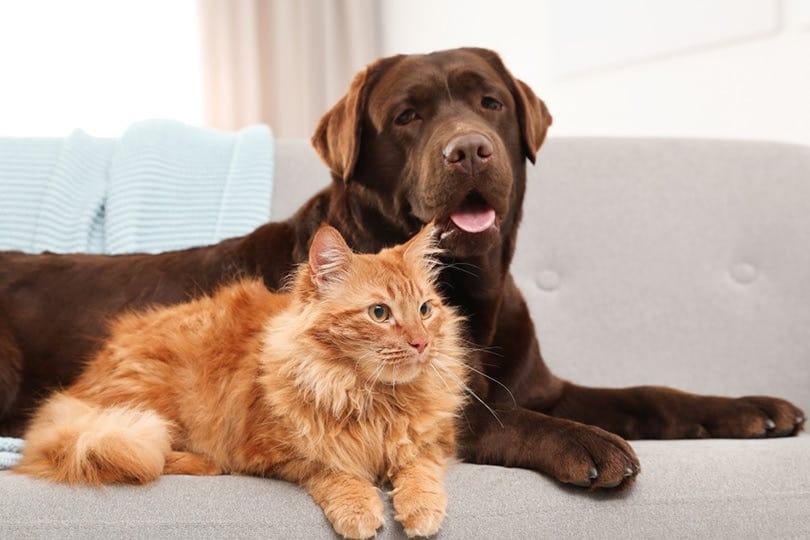
If you own a dog and are contemplating getting a cat, or vice versa, you may be concerned with how well your pets will get along. After all, the phrase “fighting like cats and dogs” exists for a reason. Sure, some cats and dogs may never be the best of friends, but others, like the ones you’ll see in those adorable videos of cats and dogs bonding, become lifelong companions.
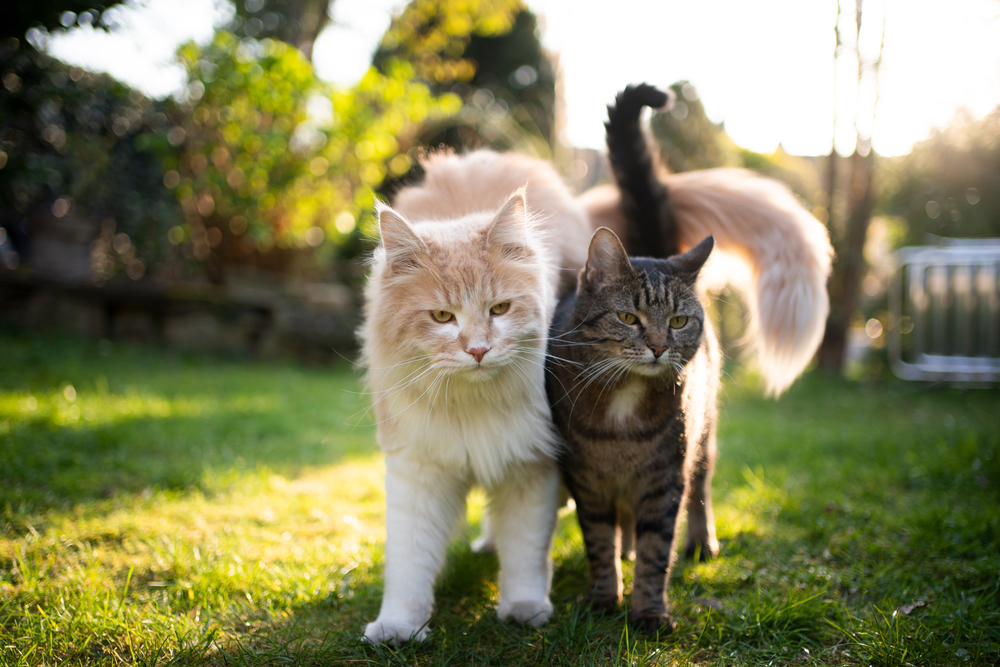
However, you can lend a helping hand to cats and dogs who don’t immediately take to each other and help them bond and get along. It will take patience (and lots of it) and time. But eventually, you’ll have a cat and dog that will, hopefully, get along great or, at the least, will tolerate each other.

The 10 Tips to Get a Cat and Dog to Bond and Get Along
1. Obedience Training for Your Pup
Sometimes, cats and dogs can’t be in the same room because the dog is constantly chasing after the cat. That’s not to say cats can never be the ones harassing the dog, but in most cases, it’s the other way around. Training your dog to control their impulses to chase or jump will go a long way in keeping the peace between your pets.
You don’t need to put your dog through extensive training; teaching them to obey some basic commands will help you negate or redirect bad behavior. So, hold off on introductions between the two till you know your pup won’t immediately give chase.

2. Carefully Plan a Supervised First Meeting
You want your pets to make a good first impression on each other, and tossing them together with no supervision isn’t the way to accomplish that. Instead, try scheduling their first interaction during a meal, but keep them separated by a closed door, gate, or screen. That way, they can start getting used to the idea of the other without actually interacting, and since both animals love food, there will be a good association there, too.
Even with a gate or screen in place, keep your dog on a leash, and don’t leave the animals alone. You’ll want to supervise the first several interactions and keep a leash handy until you know it’s safe to do otherwise.
3. Designate a Safe Spot for Your Cat
If your cat feels threatened at any time by your dog, they must have a safe spot to escape to. Prepare a safe place for your kitty before any interactions, and keep in mind that safe spots tend to be up high where the dog can’t reach. It could be a tall cat tree, a shelf cleared off for them, or even a countertop. It’s also wise to ensure your pets have separate spots for sleeping and general living since cats and dogs are territorial animals. This will give them both places of their own that they can go to when needed.

4. Exchange Scents
Animals rely on their sense of smell, especially when getting information about their surroundings. So, prepare your pets to meet each other by getting them used to the other’s scent. You can have them hang out on either side of a closed door, like during mealtime, or let them sniff the other’s blanket or bedding.
You can even try petting one animal, then going to pet the other one so they’ll catch the scent that way as well. They’ll learn to recognize the smell of the other and accept it long before they meet face to face.
5. If Your Cat Runs, Let Them
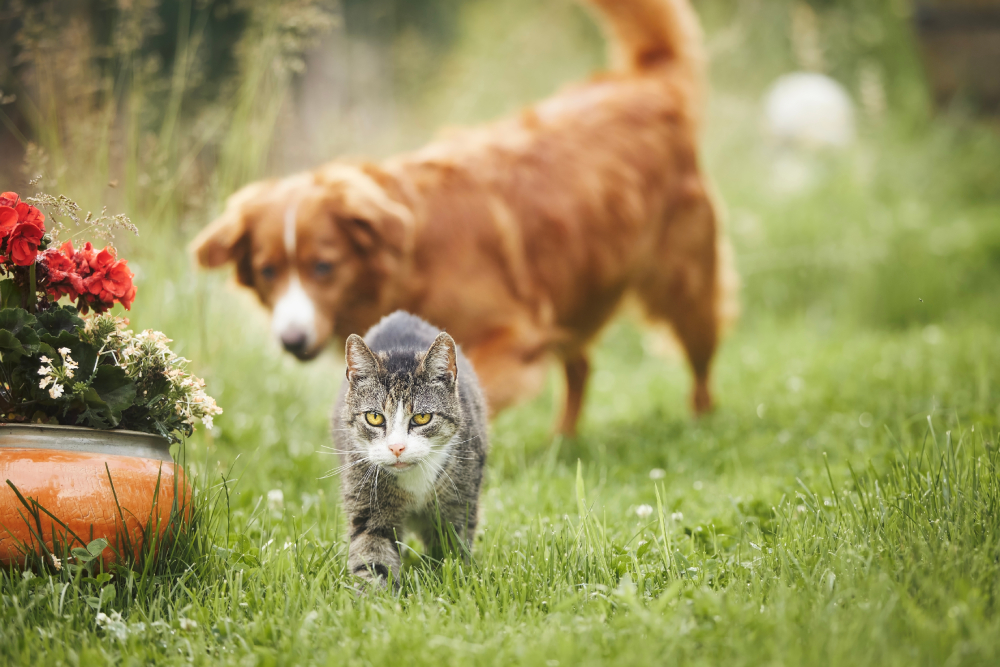
Don’t ever force an interaction between your cat and dog. If your cat keeps running away during meetings, let them go. It means your cat needs more time to get comfortable with the dog, and trying to force the two together can only lead to negative outcomes! The same applies if your dog is skittish about the cat; given time, your pets will stop running away from each other.

6. Keep Things Positive
You want to ensure that all your pets’ interactions are positive. It's best to avoid scolding one pet if they're unfriendly to the other. After all, you don’t want your pets to identify the other as the cause of being scolded; that certainly won’t lead to friendlier behavior!
Instead, if your cat or dog is looking anxious or showing a precursor of trying to chase the other, redirect their behavior or distract them. When your pets have good meetings where they are calm and friendly, reward them with treats.
7. Go Slowly
Keep in mind that getting your cat and dog to bond and get along is a slow process. If it’s your cat’s first time around a dog or vice versa, you want to give ample time for them to get used to the other. Not giving your pets the appropriate amount of time to become accustomed to each other and pushing interactions too fast can lead to one or both of your animals being hurt or never getting along.

8. Consider Your Animal’s Personality
Many are under the assumption that some cat and dog breeds get along better than others, but that isn’t true. What’s more important is that your cat and dog’s personalities mesh well together. If you own a cat that is reserved and loves to lounge about, they won’t enjoy having a rambunctious pup around.
If you own a dog on the more aggressive side, please don't take the risk. They can seriously injure or simply turn your cuddly kitty into a skittish cat. Pairing your pets based on how active they are and taking into account any possible risk, their characteristics and their personalities will help immensely in the long run.
9. Make Sure to Exercise Your Dog
It can be difficult to exercise your dog, but if they don't release enough energy, they are more likely to go after your cat. Exercising or playing with your dog can also help them control their prey drive or herding instincts. The more exercise and play your pup gets, the more relaxed they will be, and this should help them be less tempted to chase after the kitty.

10. Raise Animals Together
It’s almost always the case that when you start teaching animals how to behave and socialize at a young age, the better off they’ll be. So, if you can, why not adopt a puppy and a kitten and raise them together? Not only can you socialize them early, but animals raised together often have an easier time building friendships.
You can teach your dog how to interact with your cat in a way that won’t hurt it when they’re closer in size and maturity and have the playful xapproach of puppies and kittens rather than when the dog or cat is much larger and less curious.
Conclusion
Introducing two animals of different species can go wrong if you aren’t careful, but it is possible to accomplish friendship (or at least tolerance) between some cats and dogs with these tips and tricks. Just remember that the process should go slowly, and it will take time. Try not to rush things if you feel impatient. The more your pets can have positive associations with each other’s scents and presence before and right after meeting, the better off you’ll all be!
See Also:
Sources
Featured Image Credit: New Africa, Shutterstock

Expert cat care, straight to your inbox
Vet-reviewed advice, behavior tips, and the best of Catster. Free, and you can unsubscribe anytime.
By signing up, you agree to our Terms & Conditions and Privacy & Cookies Policy.
Misty Layne lives out in the woods in small-town Alabama with her two Siamese cats —Serafina and Jasper. She also has an array of stray cats, raccoons, and opossums who like to call her front porch home. When she’s not writing about animals, you’ll find her writing poetry, stories, and film reviews (cats, by far, her favorite writing topic, though!). In her free time, Misty enjoys chilling with her cats, playing piano, watching indie and foreign films, photographing abandoned places, and catching up on her never-ending TBR list.
Join the conversation
Ask a question, share your story, or send private feedback.