How Do Cats Play With Dogs? Vet-Approved Body Language & Behavior Explained


In this article
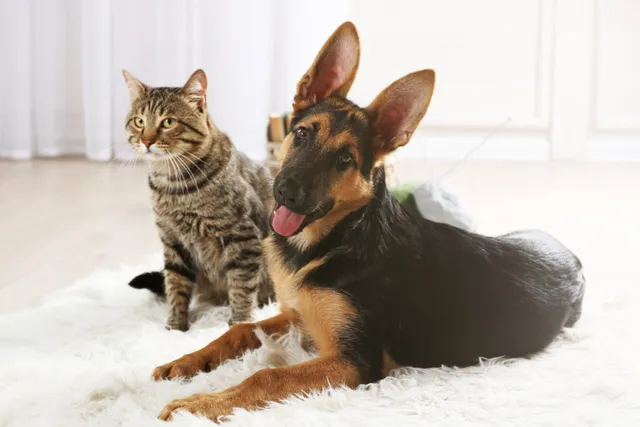
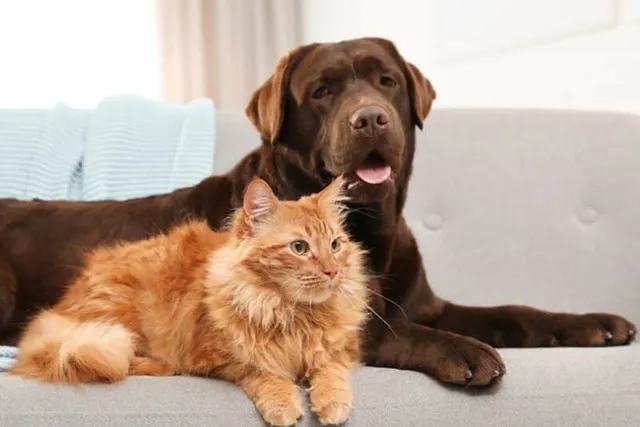
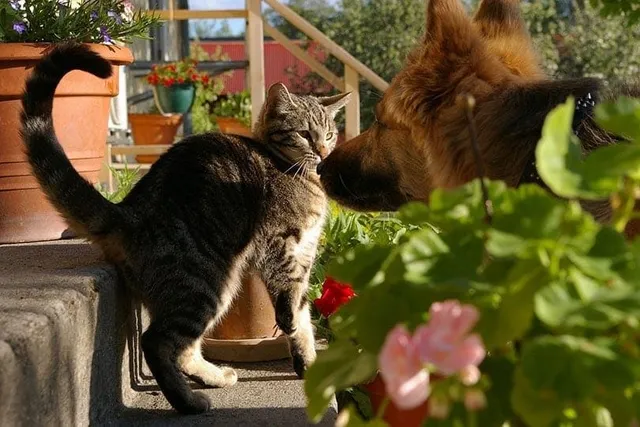
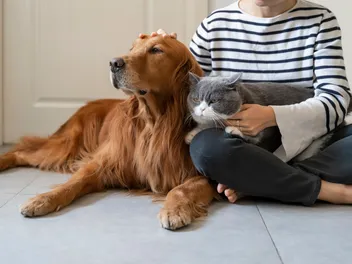
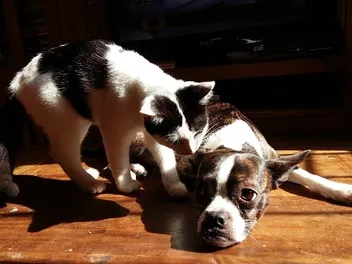
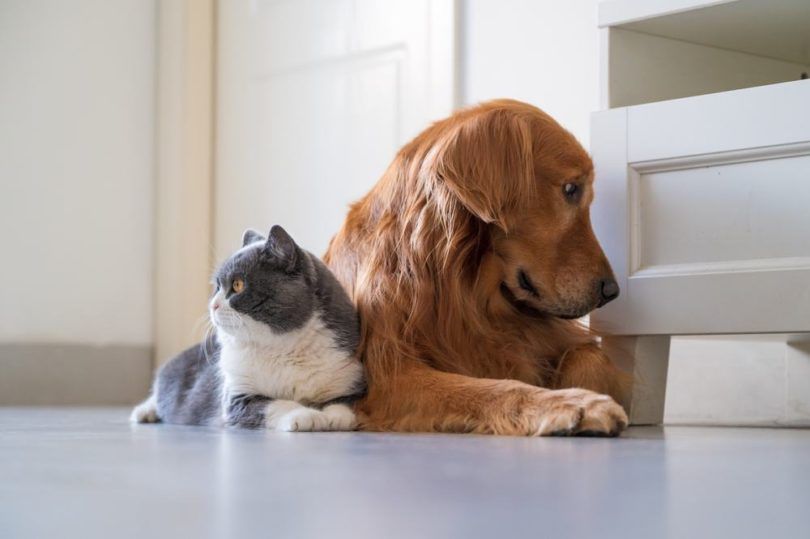
Cats and dogs are natural enemies, right? Wrong. Many cats and dogs actually enjoy each other's company; they can even become friends! It's not uncommon to see best buds of different species cuddling up together or playing with one another. Just like humans, these animals have individual personalities and different socialization that can determine how well they interact with each other. Cats and dogs may meow or bark, paw at each other, or chase each other around.
If you want to know whether your cat's behavior means they’re playing with your dog, here's what to look out for.
Please make sure to supervise all interactions between cats and dogs, as even boisterous play can lead to injuries. Dogs that have not been socialized with cats should not be allowed to interact with them without supervision and previous extensive training.

What to Look for When Cats Play With Dogs
Body Language
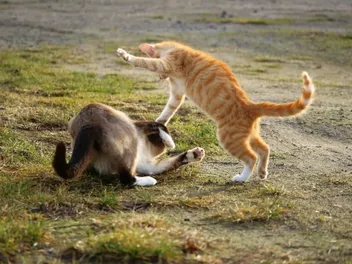
When a cat and dog are playing, both will have relaxed body language. Their pupils are normal size, and their movements should be light and agile – no aggression or tension. If you notice your pet's fur standing up or ears back, pupils large, especially in cats, or hissing, it's time to end playtime, as this could indicate fear, overstimulation, or frustration.

Mutually Agreeable Interaction
Cats and dogs can either take turns being the initiator of play or both participate in the same activity. For example, one may chase the other around the house or initiate a game of fetch. Whatever it is they decide to do, there should be no signs of fear toward one another or any indications of discomfort. This type of relationship may, in some cases, take months or years to build, and is easiest established between kittens and puppies.
Signs of Affection
One way to tell if your cats and dogs are truly getting along is if they start showing signs of affection, such as grooming one another or sleeping near each other. If you notice that your dog is snuggling up with their feline friend, it's a surefire sign that they're getting along nicely!

Vocalizations
The vocalizations of cats and dogs when playing can vary greatly, but both should sound relaxed and happy. If you notice your cat hissing or growling or the dog growling or barking intently, or any other type of distressed noise, it's time to break up the play session.
Signs of Play
When dogs are playing, they typically display signs such as playful barking, chasing, and wrestling. Cats may also show similar behaviors when playing with dogs – watch out for them batting at each other or swatting objects around the room.

Signs of Fear or Aggression
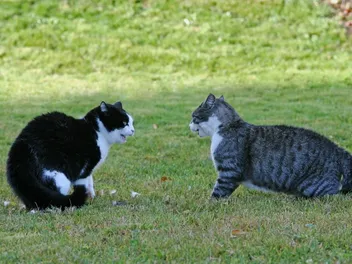
On the flip side, if your cat or dog is growling, hissing, snapping, or swatting at the other pet, with raised fur or other body language signs of distress and fear, then it's best to distract and separate them immediately. This behavior may indicate that they're not comfortable with each other yet, or they've had enough and need more time socializing and just spending time around each other before attempting playtime again. Some dogs that have a high prey and chase drive may get too easily stimulated when they see a cat running around and need particular care when being introduced to one, to learn which behavior is desirable.
Other Signs of a Playful Relationship
Some cats and dogs may even start to mimic each other's behavior after spending some time together! If they're sleeping and spending time near each other throughout the day, it's a good sign that they like each other.


Are Certain Dog Breeds More Likely to Get Along With Cats?
There is no rule, and this really depends on the individual dog's personality and behavior – small and large breeds alike may be just as friendly toward felines! It all comes down to the dog’s personality and their upbringing and socialization. If they were exposed to various animals, including cats, people, and different scenarios and environments, as puppies, without being overloaded, but with a calm attitude and positive reinforcement, they are more likely to be playful towards cats, as well as have a respectful degree of inhibition when play becomes too much.
How Can I Get My Pets to Play Together?
Start off by giving your cats and dogs their own space, then slowly introduce them in a neutral area, by keeping the dog on a loose leash. Make sure there are plenty of toys and treats available for when they do interact so that you can reward positive behavior, but avoid any competition surrounding resources, which dogs tend to be more observant of.
It's important to remember that all animals are different, so they may take longer than expected to adjust to each other. Teach your pets from a young age not to play too roughly, and be sure to supervise them as much as possible. Also, be sure to provide plenty of distraction toys and treats for when they interact so that you can reward positive behavior. Lastly, never forget the importance of patience. It takes time for pets to learn how to get along!
What if My Cat & Dog Start Fighting?
If your pets start showing signs of discomfort or fear, or they are overstimulated and have had enough, it's best to separate them immediately. This is why supervision is crucial, so you can pick up on subtle cues in their body language that they are no longer enjoying the interaction. It’s much safer for both pets to prevent a conflict before it occurs, as it may lead to serious injuries. Speak softly and firmly as you remove them from the situation. Never shout or scold, as this could make matters worse. Afterward, work on reinforcing positive behavior when they're around each other, but only if it’s safe. If they are not getting along, don’t force the interaction.
If your pets just don't seem to be able to interact peacefully, it may be time to seek professional help or keep them separated, each in their own safe space of the home. A qualified animal behaviorist can provide you with advice on how to safely introduce your cats and dogs to each other and suggest techniques for helping them get along better.

Frequently Asked Questions
What if My Cat and Dog Don't Get Along?
If your pets aren't compatible, it's best to just keep them separated. Not all animals will end up being friends, and we need to respect this. Don't force playtime or try to push the relationship too quickly. Allow them time and space to adjust in their own way.
What if One of My Pets Is Very Shy?
If your pet is timid or scared, it's best to slowly introduce them to one another on neutral ground. Take things slow and use treats and toys through positive reinforcement to help them become more comfortable with each other.
What Body Language Indicates a Scared and Frightened Cat?
If a cat feels scared or threatened, they will usually display signs of fear such as crouching down, flattening their ears, having dilated pupils, raised fur, and hissing. They may also try to escape the situation by running away or hiding.
What Body Language Indicates a Friendly Dog?
A friendly dog will typically appear relaxed and happy, with their tail wagging and ears perked up. They may also appear eager to play or have a loose, bouncy body posture as they approach you or another pet.
Is It Safe to Leave My Cat and Dog Alone Together?
It's strongly discouraged to leave your pets unsupervised, especially when they're first getting used to each other. If you do need to leave them alone, separate them with the dog being crated or in their own room, and the cat safely elsewhere, so they cannot interact in your absence.


Conclusion
Introducing cats and dogs can be a long and complex process. However, with the right approach, your furry friends can become lifelong companions! Be sure to supervise them, reward positive behavior, and above all else, be patient. With patience and understanding, your pets can learn to get along with time!
Related Reads:
Featured Image Credit: Chendongshan, Shutterstock
Expert cat care, straight to your inbox
News, insights, and useful advice, delivered to you.

No spam — unsubscribe anytime.
By signing up, you agree to our Terms & Conditions and Privacy & Cookies Policy.
How useful was this post?
Click a star to rate. You can leave written feedback afterwards. (We read all feedback.)
Christian started writing for a local newspaper as a teenager, and he's been involved in the publishing industry for most of his adult life. Combining his love of writing with a passion for animals, he is currently the Director of Editorial at Pangolia and the Editor-in-Chief at Catster.
Christian lives in the Philippines with his wife, son, and four rescue cats: Trixie, Chloe, Sparky, and Chopper.