Will Coyotes Eat Cat Food? Vet-Approved Explanation & Safety Tips


In this article
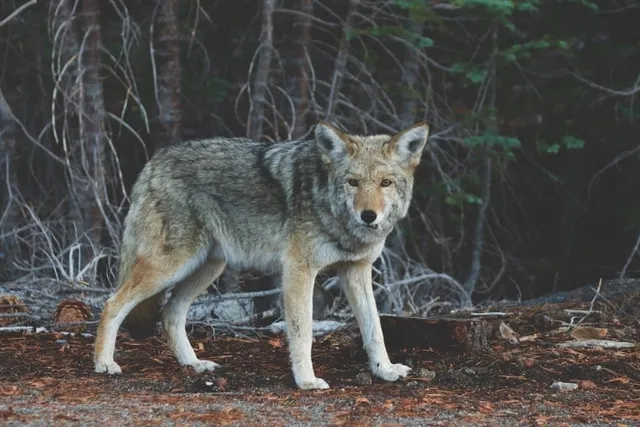
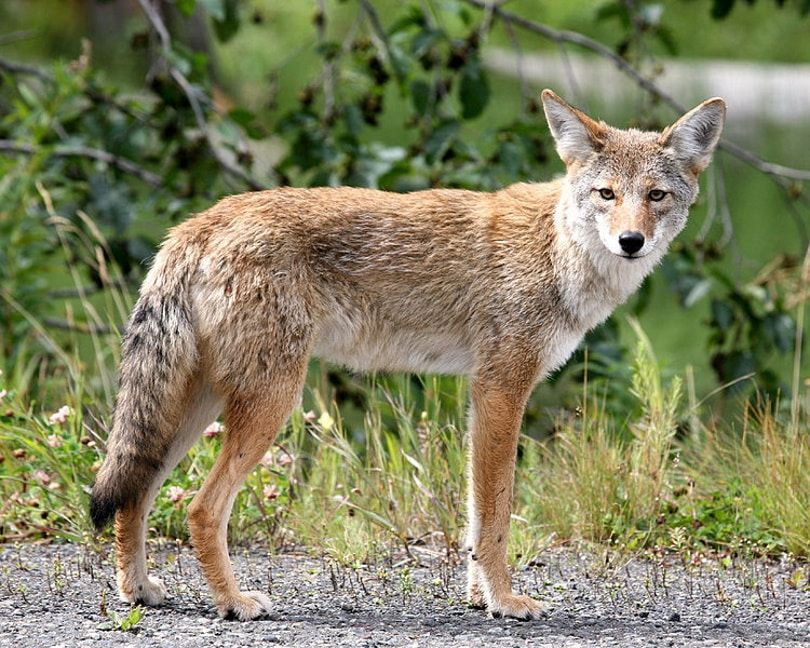
Coyotes can be a real danger, especially if you have outdoor pets. The farther into their territory that humans encroach, the more interactions that people and domestic animals have with these wild canines.
Unfortunately, a few of the items and activities associated with humans and pets tend to attract coyotes, bringing them into situations that can be dangerous for all involved. One item that many people leave outdoors that can attract coyotes is cat food.

Will Coyotes Eat Cat Food?
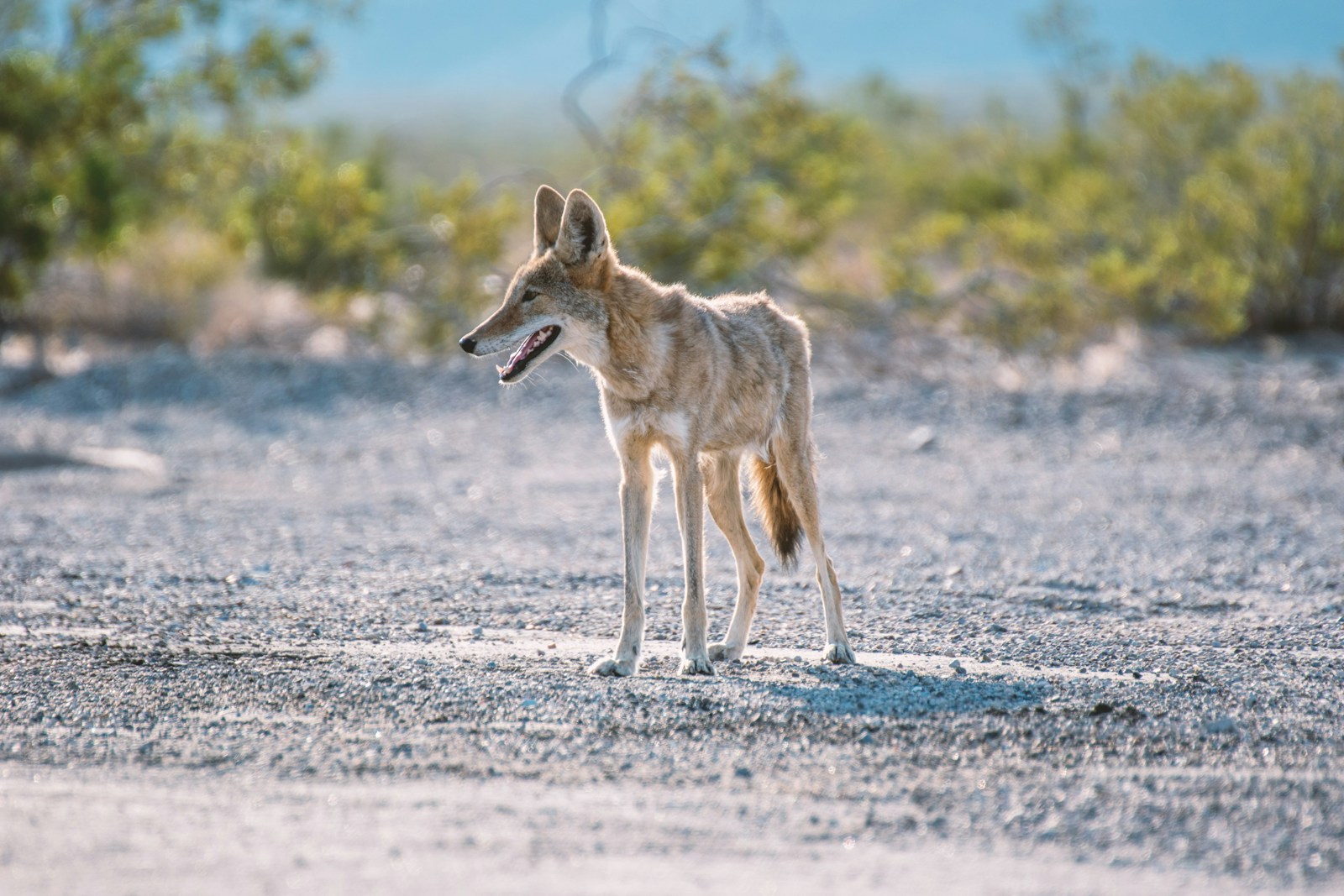
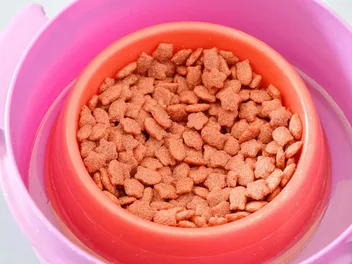
Yes, coyotes will eat cat food if it’s available to them. They will eat just about any food that they come across, really. Coyotes are primarily scavengers, which means they will eat what's most accessible to them—including a bowl of cat food sitting on someone’s back porch or in their open garage.
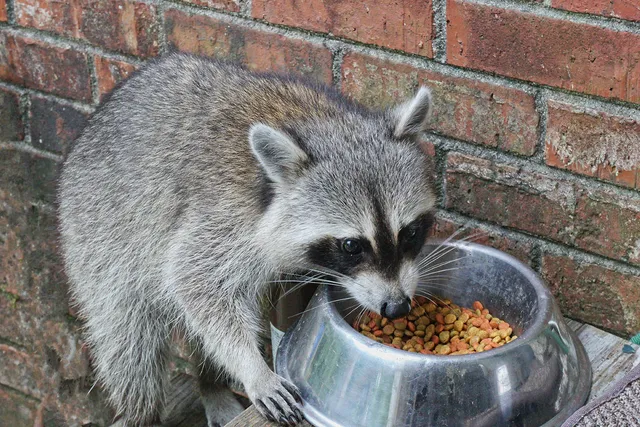
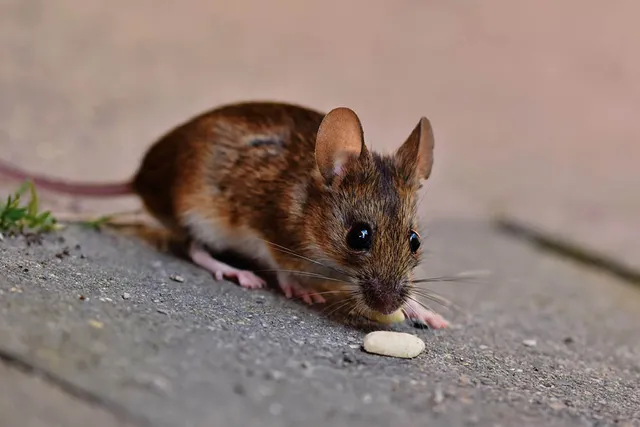
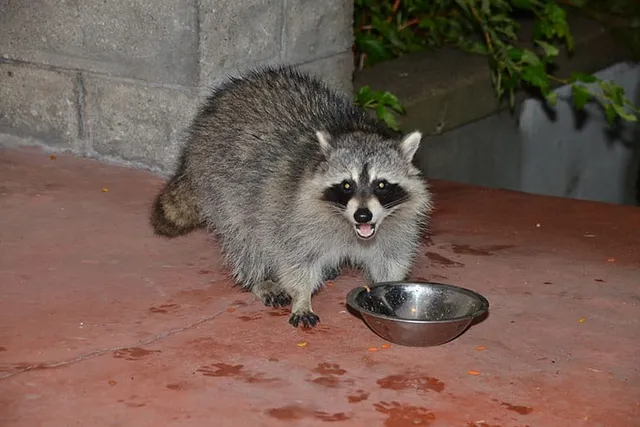
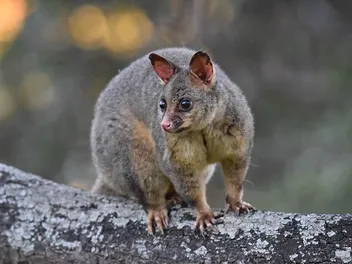
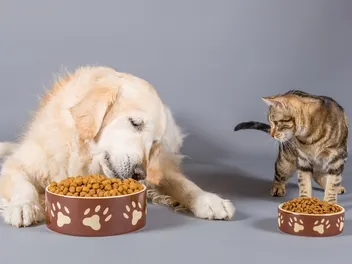
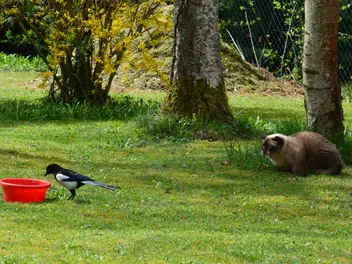
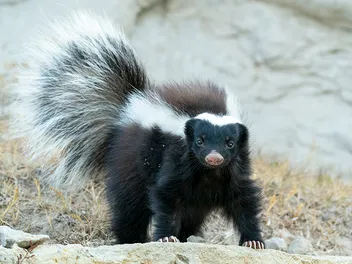
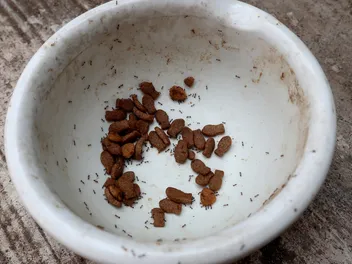
Cat food is highly appealing to a variety of animals other than cats because of its high protein content, smell, and palatability. Leaving cat food out can attract more than just coyotes. It’s also known to attract raccoons, skunks, opossums, rats, and mice.
When you leave something out that attracts certain animals, you have the potential to unintentionally invite potential predators to your backyard as well as many other animals.

Will My Cats Be Safe If Cat Food Is Available to Coyotes?
Leaving cat food out is not a guarantee of the safety of your cats. In fact, by attracting coyotes to the area, you are likely increasing the risk of your felines being attacked. Even though they're primarily scavengers, they are predatory animals that can easily kill a cat.
There is a misconception that coyotes will send out a scout to lure domestic animals away from safe spaces into the waiting jaws of the pack. Not only is this untrue, but coyotes also typically hunt alone. There are instances in which they may hunt within small family groups, and in some cases, coyotes have been known to hunt in partnership with other species, but they don’t lay traps to catch your pets.
Trap-laying rumors aside, coyotes are strong, fast predators that can easily catch and kill a cat. By having cat food out, you may attract a coyote into closer proximity to your cat. Even if the coyote comes into the area looking for an easy cat food meal, they may walk away with the cat instead.
How Can I Keep My Cat Safe?
The best way to keep your cat safe is to keep them indoors. There are a lot of threats to cats that live outdoors, and coyotes are only one. If your cat is feral, a barn cat or mouser, or anxious and unhappy indoors, you need to take steps to keep their food in a place that reduces the attraction of predators.
If you can put your cat’s food somewhere indoors and secure, you’ll be setting your cat up for a safer space. Ideally, the food should be on the other side of a cat door that is controlled by your cat’s microchip or collar tag.
When this isn’t an option, try keeping the food inside a shed or garage. Keep the door open just enough for your cat to come and go freely. If possible, put the food on a high surface that your cat can safely reach but that is high enough to deter visiting animals.

In Conclusion
Leaving cat food out in the open can attract coyotes, along with a slew of other critters. Coyotes can also be attracted by outdoor cats, and if your cat’s food is attracting coyotes, your cat is being put in danger.
Coyotes can and may kill a cat if given the opportunity. The safest thing for your cat is to keep them indoors, but when that is not a possibility, it is important to come up with creative ways to keep your cat’s food inaccessible to visiting animals without your cat losing access to their food.
Featured Image Credit: Mariomassone, Wikimedia
Expert cat care, straight to your inbox
News, insights, and useful advice, delivered to you.

No spam — unsubscribe anytime.
By signing up, you agree to our Terms & Conditions and Privacy & Cookies Policy.
How useful was this post?
Click a star to rate. You can leave written feedback afterwards. (We read all feedback.)
Brooke Billingsley, a former veterinary assistant for nine years, became a nurse in 2013. She lives in Arkansas with her boyfriend of five years, surrounded by her beloved pets: three dogs, two cats, five fish, and two snails. Brooke has a soft spot for special needs animals, caring for a three-legged senior dog and a widely known cat with acromegaly and cerebellar hypoplasia. She has developed a keen interest in fish keeping and is always learning how to provide the best environment for her aquatic pets. In addition to her passion for animals, Brooke enjoys gardening and maintains a vegetable garden during the summer. She stays active with yoga and received her 200-hour yoga teacher certification in 2020. Brooke also hosts a podcast that delves into folklore and myth, dedicating her spare time to research and writing. She embraces the philosophy that every day is an opportunity for learning and growth, continually working to acquire new skills and knowledge.