How Much Does It Cost to Microchip a Cat? (2026 Update)


In this article
Few things in this world can make you feel as scared and helpless as realizing that your cat has gotten lost. Sadly, many cats that go missing are never found, and they either end up dying on the streets or languishing in a shelter. There is one thing that you can do that will increase your odds of finding your cat alive: microchip them. The tiny devices make it more likely that if your cat is found, they’ll be reunited with you in the end.
While that sounds good in theory, it also raises a few questions. One of those would be how much it will cost! While the price can vary, you will likely pay something between $25 and $501.

How Does a Microchip Work?
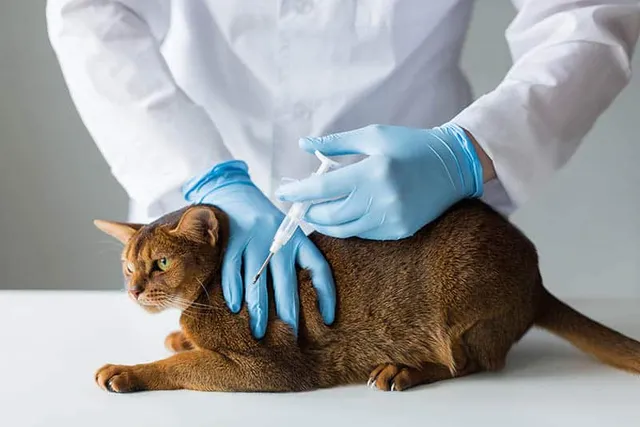
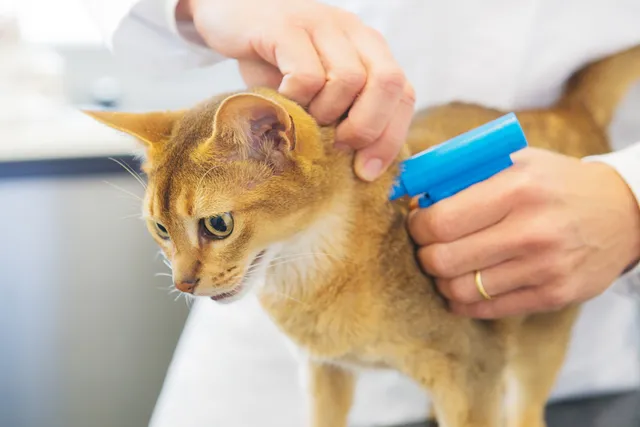
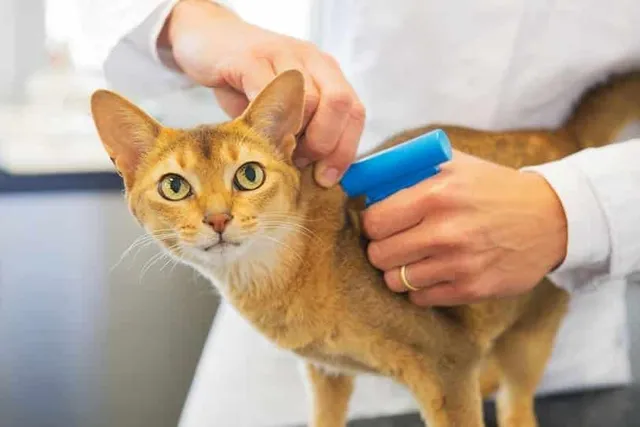
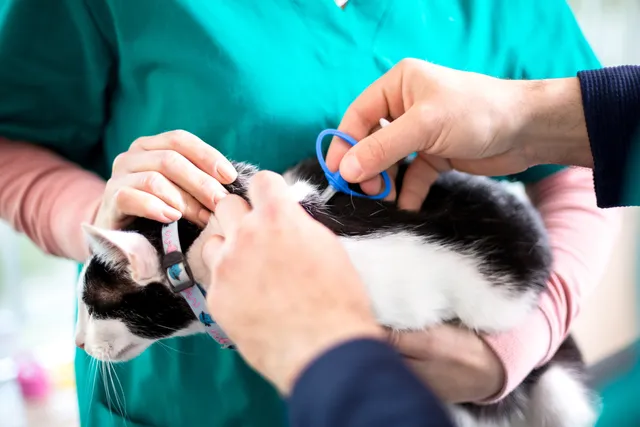
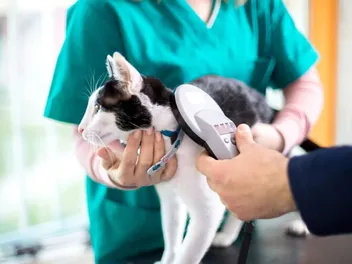
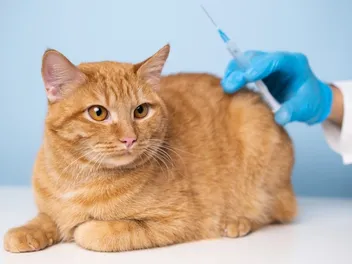
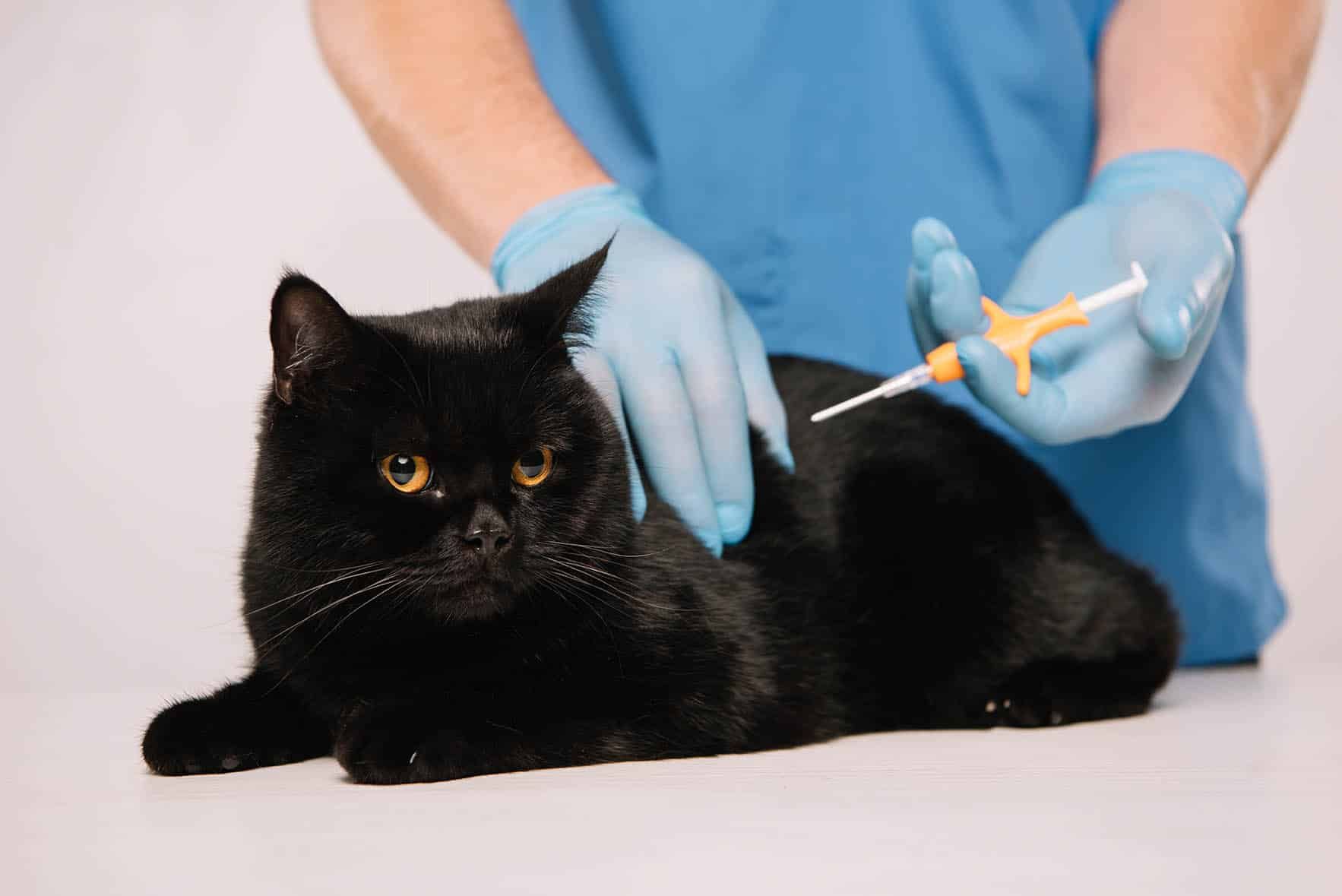
Microchips are small devices implanted just under your cat’s skin, usually between the shoulder blades. The chip uses radio frequency identification (RFID) technology, and vets and animal control workers have special devices to read the frequencies. The reader will disclose the pet’s unique number when it scans the chip.
This number will be registered with the microchip company, which will also have your information on file. They will then contact you to inform you where your missing pet is. Doing things this way ensures that the only people who have access to your contact information are the microchip company. The person with the scanner will only be able to see your pet’s unique ID number, which is worthless to them.
It’s important to understand that you must register your cat’s microchip, or else the company won’t be able to let you know when your pet has been found. Many pets get microchipped, but their owners fail to register the chip with the company, so they can’t be reunited with their little buddies if they get lost.

Where Should I Get My Cat Microchipped?
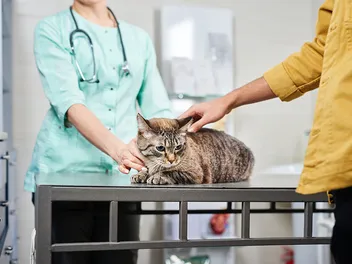
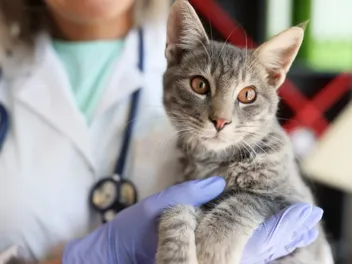
Most people just have their vets do it; it’s a routine procedure, and it doesn’t cost much at all. There are other options available, however. Many animal shelters will do it as well, and some pet stores might install a microchip (especially if you got your cat through them).
Ultimately, it doesn’t matter where you get it done as long as it's from a reputable company or veterinarian. The RFIDs they emit are universal, so if you have it installed by one vet, it can be read by another (or by an animal control worker, etc.).
How Much Does It Cost?
The price will vary depending on where you have it done. Generally, you should expect to pay between $25 and $50. A large portion of that cost will be due to the fee for the vet office visit, so having your pet chipped during a regular checkup could save you money. Registering your chip with the company is usually free.
You may be able to have it done for less at an animal shelter or through a rescue group. Some shelters have special days with discounted chipping costs, like a low-cost vaccine clinic. You may be able to have it done for as little as $10 in that case.
If you adopt your cat through a shelter, they may already be chipped, so be sure to ask. The chip could be inserted by the shelter (in which case, it will be included in your adoption fee, but likely at a lower cost than you’d get through your vet), or the pet could have been chipped by a previous owner.
If a previous owner chipped the cat, you’ll need to contact the company to update your information. You don’t want them calling the old owner if your cat gets lost.

Is Microchipping Painful for Cats?
It’s about as painful as having blood drawn, which is to say that it’s uncomfortable but not that painful. Your cat shouldn’t have any issues handling the implantation, nor should they have any lingering effects from it.
If you’re worried about your cat feeling pain, you might want to do the procedure at the same time as another procedure, like when they’re getting spayed or neutered. That way, the chip can be implanted while they’re under anesthesia, and they won’t feel it at all.
Microchipping is one of the safest procedures that you can perform on a cat. According to the American Veterinary Medical Association, adverse reactions to microchips are uncommon, but they may happen.
The most common side effect is having the chip migrate from its original implantation site. This isn’t likely to harm your cat, but it could reduce the chances that the chip can get scanned if they get lost, so it’s worth having your vet check for the chip periodically.
Other side effects include hair loss at the site, swelling, and infection, but they are rare. Tumor formation near the implantation site has been reported in extremely low numbers. Other serious problems associated with incorrect implantation have been reported, therefore, it’s always best to have a vet carry out the procedure.
Microchip Registry & Lookup
There are several microchip companies in the United States, and each one maintains its own database. Currently, there isn’t a central U.S. database that includes the information for all microchipped pets, but other countries (like Great Britain) have them. Fortunately, the chip will display the company's name when scanned, so the vet will know exactly whom to contact.
This will be useless if you don’t register your chip with the correct company. After the implantation procedure is complete, your vet (or whoever performed the implantation) will hand you paperwork that shows you exactly how and where to register the chip.
We recommend registering it as soon as you get home so you don’t forget. If you do forget and your cat gets lost, you can still register them if you have the paperwork, so don’t abandon hope.

Will a Microchip Help Me Track Down My Cat?
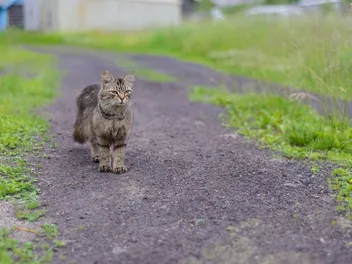
No, a microchip does not have a GPS or other tracking system. It will only help if someone finds your cat and takes them to a vet or shelter to get scanned. That’s why it’s recommended to use a microchip as only one part of a pet-recovery system. You should still have a collar and tags on your cat and take pains to ensure they don’t escape.
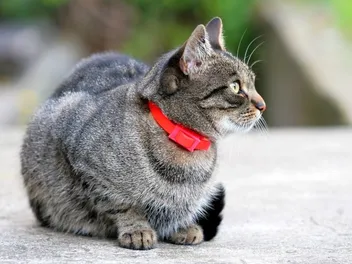
If you want to go the extra mile, there are collars with GPS trackers. They’re expensive, but they can help you locate your cat with a good deal of accuracy if they get lost. They're not foolproof, and many will only give you a general idea of where your cat is rather than lead you to their exact spot.
Still, when used together, all these techniques will give you a better-than-average chance of tracking down your kitty if they get out.

Conclusion
No one wants to think about their cat going missing but to give you the best chance of being reunited with your best friend, it pays to be proactive, and getting them microchipped is an excellent way to do that. It won’t guarantee that you’ll get your lost cat back, but it will boost your odds!
Featured Image Credit: LightField Studios, Shutterstock
Expert cat care, straight to your inbox
News, insights, and useful advice, delivered to you.

No spam — unsubscribe anytime.
By signing up, you agree to our Terms & Conditions and Privacy & Cookies Policy.
How useful was this post?
Click a star to rate. You can leave written feedback afterwards. (We read all feedback.)
Quincy never intended to be a cat person. He grew up around dogs, and when his wife brought home a kitten one day, he told her she had one week to find it a new home. That week turned into 10 years (his wife moves very slowly), and that kitten turned into three (they got two more, the kitten didn't self-replicate). After a decade of sharing his home with three cats, one horrifying realization finally set in: oh God, he's a cat person now, isn't he???