How to Protect Your Cat From Coyotes: 5 Vet-Reviewed Methods


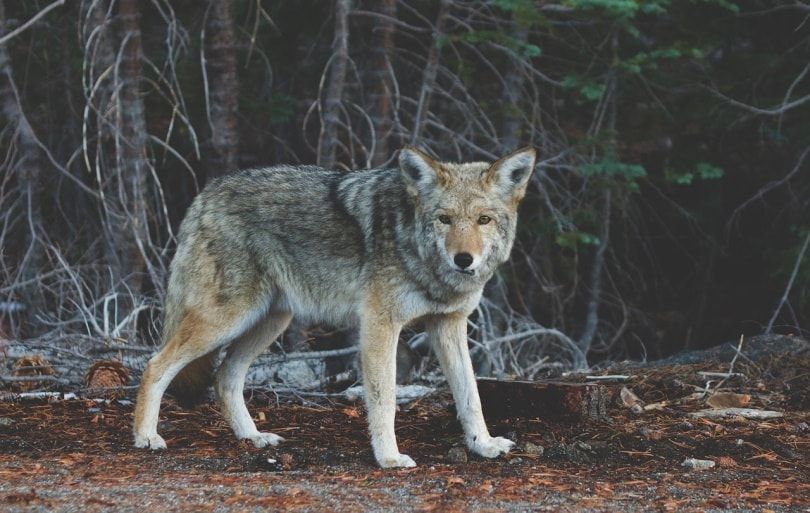
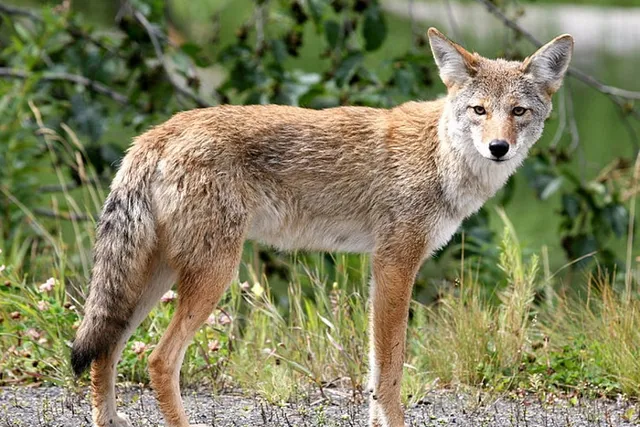
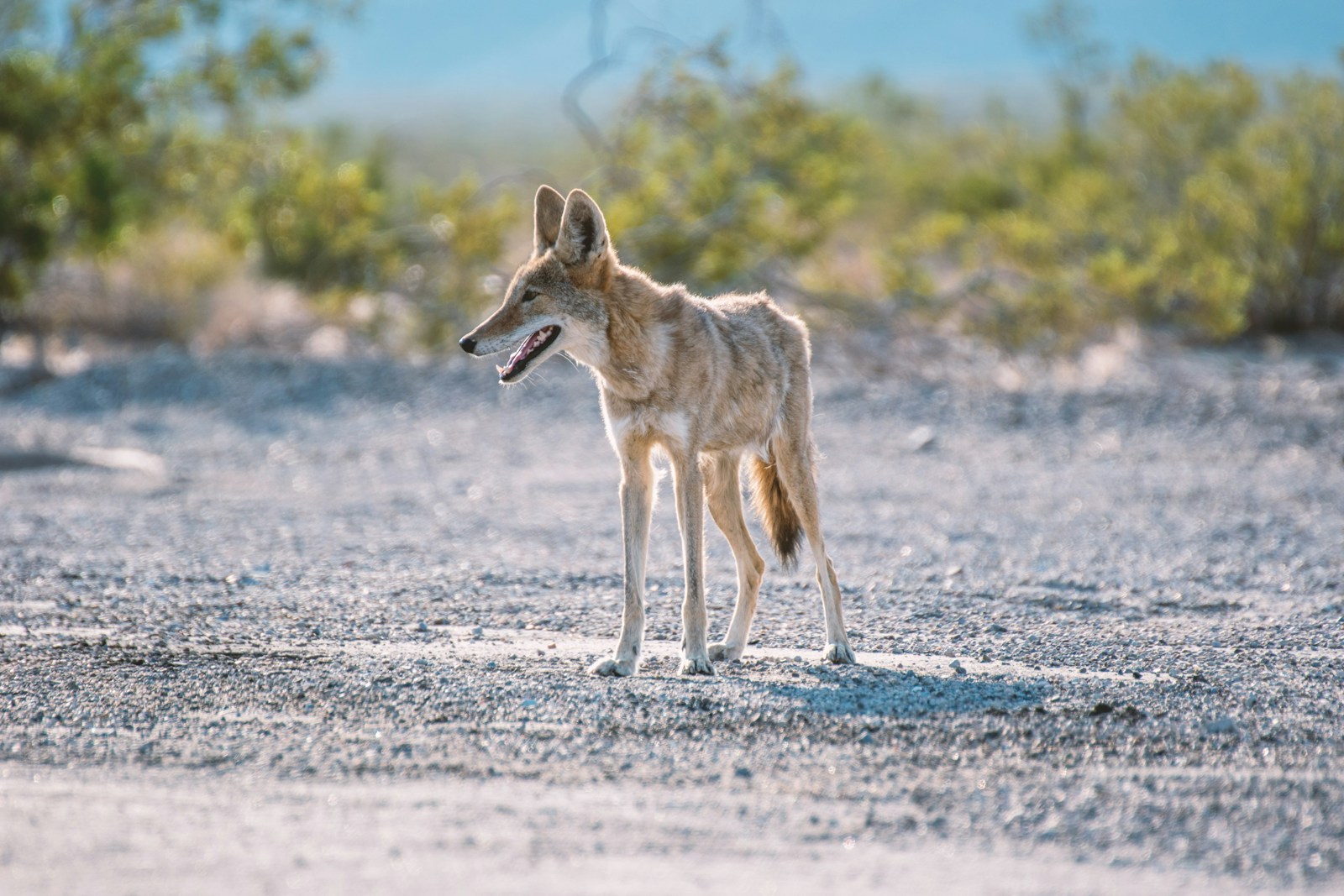
Coyotes, also called prairie wolves, are great hunters. They live in packs and often hunt in pairs. They can be found all around the United States, including both rural environments and sometimes cities. Because these animals are opportunistic and can be found just about anywhere, you need to know how to protect your cat from them.
Sometimes coyotes can try and attack cats and small dogs, so prevention is largely the best way to protect your cat. With that in mind, we are going to give you five possible methods for protecting your cat from coyotes. None of these methods are 100% guaranteed, unless you keep your cat exclusively indoors, as accidents may still happen but they may help prevent or reduce the chances of coyotes encroaching on your property and finding your cat in the first place.

Why You Need to Protect Your Cat From Coyotes

Many people do not realize how much of a threat coyotes can be for some cats, both pet and stray alike, depending on the location, as well as the cat’s age, size, and health. Coyotes primarily hunt small mammals, like mice and rabbits, but they certainly will attack a cat if they deem it easy prey.
According to the National Park Service, based on coyotes’ scat analysis, cat remains were found in 20 percent of urban coyote feces while this was four percent in suburban coyotes. It is believed that garbage, fruits, and domestic cats accounted for between 60 to 75 percent of urban coyote diets. This is an incredibly high percentage that shows coyotes are a really serious threat to cats, and you need to make all your best efforts to protect your feline.
If your cat is agile and athletic, you might think that they stand a chance against coyotes. Unfortunately, that isn’t a guarantee. Coyotes can run as fast as 40 mph, meaning that a cat can in no way outrun a coyote, and sometimes there are no trees or other high, quickly and easily accessible spots where a cat can quickly retreat to.
Coyote Attack Common Facts to Know
Whether a cat or some other small mammal is the victim of a coyote attack, the majority of attacks occur between the hours of 10:00 PM and 5:00 AM because they are nocturnal. This is especially true between the seasons of mid-spring to early fall.
During this time of the year, the coyotes are rearing newborn puppies. As a result, females are more protective. Plus, they have more mouths to feed. This causes more coyote attacks for both protection purposes and food.
With these facts in mind, it means that you especially need to take care of your cat during nighttime and during the seasons of spring through fall.

The 5 Ways to Protect Your Cat From Coyotes
Now that we have learned about coyotes’ hunting habits as they pertain to cats, let’s look at the five most effective ways to protect your cats from this potential predator.
1. Bring Your Cat Indoors at Night

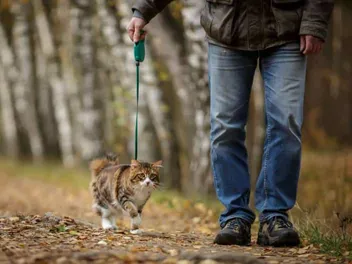
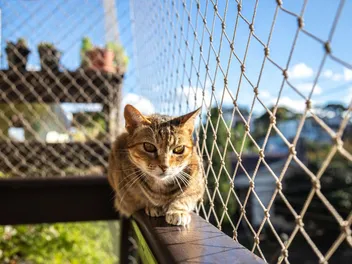
The easiest way to protect your cat from coyotes is to bring them indoors at least during the nighttime, or to keep them exclusively indoors. This way you’re also protecting them against traffic, exposure to stray or feral cats, and infectious diseases. Many people mistakenly believe that forcing your cat to be inside is abusive. So long as you provide your cat with an enriched and stimulating environment, plenty of physical exercise, toys, perches, scratch posts, and even the possibility of secure outdoor time through having a catio or taking them out for walks on a harness and leash, having your cat indoors is perfectly ethical and safe.
Whenever your cat is indoors, the coyotes cannot reach them. This makes inside your home the safest place for any pet, whether it be night or day. However, if you want to keep allowing your cat to go out during the daytime, it's best to bring your cat inside before the sun starts to go down.
2. Remove Food Sources From Your Property
When coyotes come on people’s property, it is most commonly because of food. Either they are in search of food, or they have already found it next to your home. To discourage coyotes from coming to your property, make sure to remove all potential food sources.
Common coyote food sources include your garbage can, bird feeders, pet food, and pests on your property. As for your garbage can, try to select a bin that is animal-proof. Make sure not to leave any trash or remnants of the garbage on the ground for coyotes to smell. You can even place the bin inside a structure, like your garage or shed.
If coyotes come to your property quite a bit, even if you are diligent with your garbage, they may be attracted to other food sources. Bird feeders, for example, are a common food source that attracts coyotes. Remove bird feeders and fruit trees from your property if coyotes are a serious issue in your area.
As we’ve already mentioned, coyotes hunt small mammals and look for food that is easily accessible. If you have food leftovers, even fruit in your yard, or a lot of small mammals on your property, coyotes are likely to come looking. If you have a problem with rodents or pests, hire an exterminator or contact a wildlife rescue to either kill or relocate the animals based on the animal type and your preferences.
3. Add a Fence to Your Property

You can also add a fence around your property to physically keep your cat inside and the coyotes outside. If you want the fence to be effective against coyotes, it needs to be at least 6 feet tall. Anything shorter can easily be jumped over by a coyote.
For additional protection, you can add a 15-inch woven wire extension or roller bar to the top. You may also want to consider adding wire into the ground to prevent coyotes from digging underneath the fence.
Even if you add a fence to your yard, it’s still a good idea to bring your cat indoors during nighttime and eliminate coyote food sources. The same goes for the next few tips we mention.
4. Add Cat Posts to Your Property
Whether you have a house cat or want to protect feral cats in your yard, you can add cat posts. A cat post is generally a long piece of wood that is erected out of the ground. Normally, cat posts sit 10 to 12 feet above ground. It provides a structure for your cat to climb on top of for safety, without coyotes being able to access them.
Cat posts are a great option in the case of an active coyote attack. The issue with this method is that cats cannot outrun coyotes, meaning the cat must already be by the posts to escape. Most cats will instinctively go to the posts, though, allowing them to remain safe.
5. Add Coyote Repellent Lights

Finally, the last method for keeping your cat safe from coyotes is to add coyote-repellent lights. Coyote-repellent lights are typically colored red. The LED lights will emit red flashes, which coyotes interpret as being predator's eyes. As a result, coyotes may stay away from your property, as well as other predators and animals.
Much like the cat post idea, coyote repellent lights are a great idea for house cats and feral cats alike, though the lights may potentially scare feral cats as well.
Final Thoughts
If you live in an area with coyotes, you need to take special care of your cat. Coyotes will hunt cats, especially during the night. Because of how fast coyotes are, it is challenging for your cat to survive a coyote attack. You can protect your cat by bringing them indoors, at least during the nighttime, and removing any food sources from the yard. These two tips should be incorporated into your cat protection plan, even if you add a fence, cat posts, or coyote-repellent lights to your property.
Related Reads:
Featured Image Credit: Free-Fotos, Pixabay
Expert cat care, straight to your inbox
News, insights, and useful advice, delivered to you.

No spam — unsubscribe anytime.
By signing up, you agree to our Terms & Conditions and Privacy & Cookies Policy.
How useful was this post?
Click a star to rate. You can leave written feedback afterwards. (We read all feedback.)
Christian started writing for a local newspaper as a teenager, and he's been involved in the publishing industry for most of his adult life. Combining his love of writing with a passion for animals, he is currently the Director of Editorial at Pangolia and the Editor-in-Chief at Catster.
Christian lives in the Philippines with his wife, son, and four rescue cats: Trixie, Chloe, Sparky, and Chopper.