How to Protect Your Cat from Being Stolen (10 Tips & Tricks)


Your cat is an integral part of your family, and losing a pet can be devastating. Pets get lost every day when they escape from home and can’t find their way back. However, they are now being stolen at an alarming rate; many cats are stolen due to their breed, but any cat is at risk of being taken.
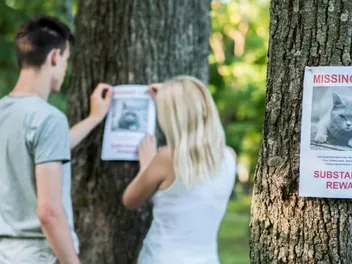
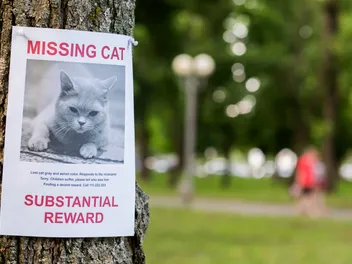
One way you can prepare for the unexpected is by always having the most current photos of your pet on hand for flyers, social media posts, and sharing at local vet offices and shelters. Also, you can deter would-be thieves with the 10 tips and tricks below.

How to Protect Your Cat from Being Stolen
1. Use a Cat Collar & Keep it Updated!

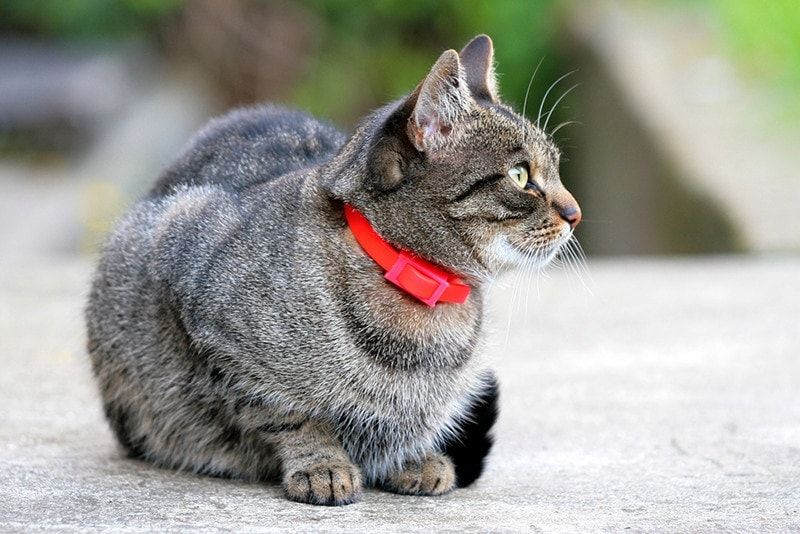
A cat collar with a tag is one of the most effective tools to protect your pet from theft. Some pets are taken only because they are friendly, and a well-meaning family takes them in, not knowing they already belong to someone. A collar can also signal to a would-be thief that there are reasons they may not want to take your pet.
For example, displaying that they are spayed or neutered, that they are microchipped, or even that they are well-loved can deter theft. Be sure to choose a collar that is easy to see and fits well; a breakaway collar is the safest. The tag should always be kept updated with the most accurate information.
2. Have Your Pet Microchipped

A microchip1 is a small RFID tag, about the size of a grain of rice, implanted under the skin. In cats, it’s usually placed between the shoulder blades. The information stored on the device will be registered with the microchip company during the initial placement. You must update it whenever your phone number, address, or other information changes.
If your pet is found alone, they may be picked up and taken to a local shelter or rescue, where they are scanned for a microchip. This is one way to ensure that they are quickly returned to you. Pet thieves may scan the animals they find for microchips, and those without them are more likely to be stolen.
3. Use a Pet Tracker

Pet trackers are becoming more popular as an affordable way of maintaining a constant connection between your smart devices and your beloved kitty. Some trackers are developed specifically for pets; others, like Airtags, can be used for tracking in general with collars designed to accommodate them.
While you can keep an eye on your pet’s location, most owners check in only when they haven’t seen them for a while. If you notice that the tracker is in an unusual area or has been turned off, it could signal a problem. However, one of the best reasons to invest in a pet tracker is that it’s a deterrent. Thieves know you will be looking for your pet, making it riskier for them.
4. Get Them Spayed or Neutered

One of the biggest reasons pets are stolen is for breeding, especially for rare or expensive cat breeds. If you don’t breed your pet, having them spayed or neutered can significantly reduce the chances that your pet is taken. Of course, thieves won’t know a female has been spayed unless it’s explicitly noted on their collar. You may be able to mention it in their microchip profile as well.
Spaying or neutering your cat can have additional benefits, such as preventing unexpected litters. According to the ASPCA1, female cats may live longer, and males have a lower chance of various cancers. Most veterinarians suggest the surgery between 8 weeks and 5 months of age.
5. Invest in Pet Insurance

Pet insurance provides many benefits for most pets. The policy can cover accidents, chronic illnesses, preventative care, and non-medical services. Some providers include boarding and grooming fees and pet recovery expenses in their add-on plans. If you are considering pet insurance, shop for various providers and policies to find one that matches your pet and needs.
If your cat’s policy covers pet recovery fees, you should know which services are available and which community resources you can use for help. The insurance company may even be able to point you in the right direction.
6. Reorient Your Pet When You Move

Pets that get lost are often the most at risk of becoming stolen, and another big reason cats can become lost is moving. If you’ve moved to a new house, even if only a short distance from your previous one, your cat may become disoriented and unable to find their way back. It’s essential to help your cat learn their new environment to prevent theft.
Remember to update your pet’s collar as soon as possible, invest in a pet tracker, and have them microchipped if you haven’t already. Even if your pet isn’t stolen, these steps can help you locate them.
7. Update Your Home’s Exterior

You can help deter thieves by modifying your yard and home security. Automatic motion lights are the easiest and sometimes most effective way to keep unwanted visitors off your property at night. You may also want to add cameras and advertise that they are there.
8. Bring Them Indoors at Night

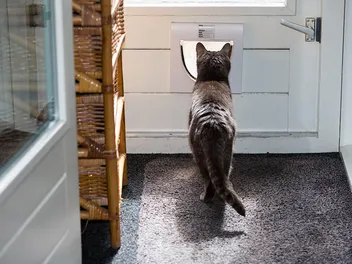
Because many pets are taken at night, it may be best to bring outdoor cats inside at night. If the routine is established early, calling them in isn’t difficult. If you call them like usual and they aren’t coming to the door, it could signal that something is wrong, letting you know they’ve been taken sooner rather than later.
This is a good practice for several other reasons. Most cats prefer a warm place to sleep at night, away from predators. It gives them a chance to rest, eat a good meal, and snuggle before heading outside to play again in the morning. You can also track their health better because you will see them regularly, noticing any signs of illness or if they’ve been injured.
9. Use a Pet Sitter or Boarding Service

If you are away for a long time, like on vacation or a business trip, your home, objects, and pets could be at risk. Having a house sitter to look after your cat can keep them and your home safe. The most important aspect to consider is your cat’s safety, but they should be comfortable while you are away from home.
You can also ask a family member or friend to care for them or board them at a pet hotel or veterinary clinic.
10. Get to Know Your Neighbors

Your neighbors are sometimes your greatest ally in keeping your home and other property safe. If they know who you are, especially your children and any family or friends who visit, they can also watch out for them. They can only help protect your pets if they know what they look like and which home they belong to. Indoor pets may not be seen often, so invite your neighbors to introduce them.
The best way to repay your neighbors is to do the same for them. Get to know them and their families. With a strong network of neighbors, you can easily spot strangers in your neighborhood. By sounding the alarm, you could protect not just a cat but a family.
Conclusion
Keeping your family cat safe can start with an inexpensive collar and tag, but you should take appropriate measures to ensure their safety from would-be thieves looking for a new pet or an expensive breed. Constant communication with a pet tracker and microchip can be as important as communicating with your neighbors. We hope these tips and tricks keep your cat safe in the outdoors.
Sources
Featured Image Credit: Daniel Rajszczak, Shutterstock
Expert cat care, straight to your inbox
News, insights, and useful advice, delivered to you.

No spam — unsubscribe anytime.
By signing up, you agree to our Terms & Conditions and Privacy & Cookies Policy.
How useful was this post?
Click a star to rate. You can leave written feedback afterwards. (We read all feedback.)
Christian started writing for a local newspaper as a teenager, and he's been involved in the publishing industry for most of his adult life. Combining his love of writing with a passion for animals, he is currently the Director of Editorial at Pangolia and the Editor-in-Chief at Catster.
Christian lives in the Philippines with his wife, son, and four rescue cats: Trixie, Chloe, Sparky, and Chopper.