Get

In Your Inbox

Catster is reader-supported. When you buy via links on our site, we may earn an affiliate commission at no cost to you. Learn more.

How to Tell if a Cat Is Scared (4 Vet-Reviewed Signs to Look For)

Share

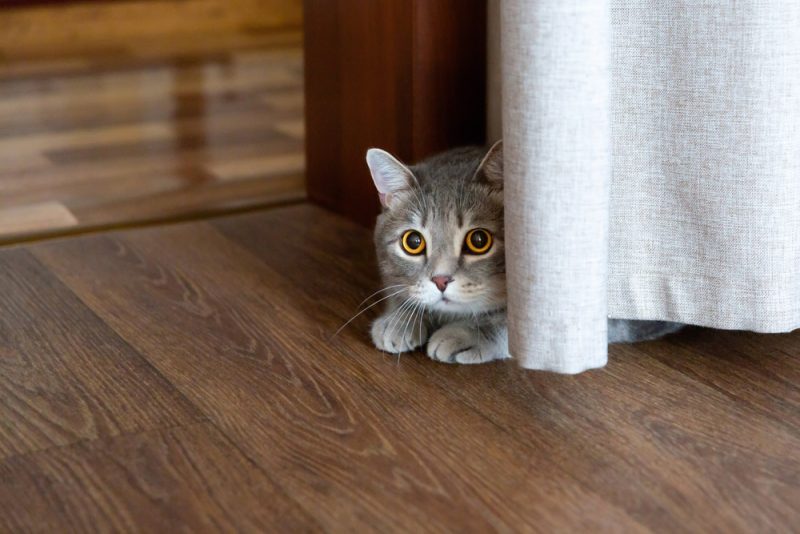
cat hiding

One of the hardest parts of being owned by a cat is not always knowing exactly how they’re feeling. As typically stoic animals, it can be difficult to tell if your cat is in discomfort or feeling vulnerable in some way—all we can do is learn to read the signs in the form of body language, facial expressions, and vocalizations.

Fortunately, fear is one of the easiest emotions to read in cats. In this post, we’ll explore how to tell if your cat is feeling afraid and share tips on how to calm a stressed-out, anxious cat.

divider 3 paws

The 4 Common Signs That Show a Cat Is Scared

1. Body Language

shy scared cat in bucket litter box
Image Credit: Tung Cheung, Shutterstock

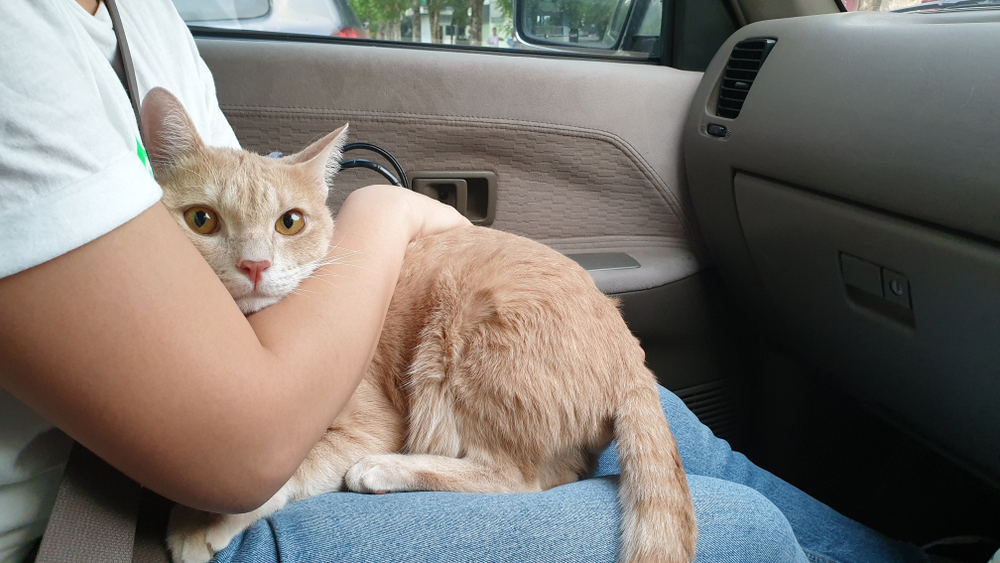
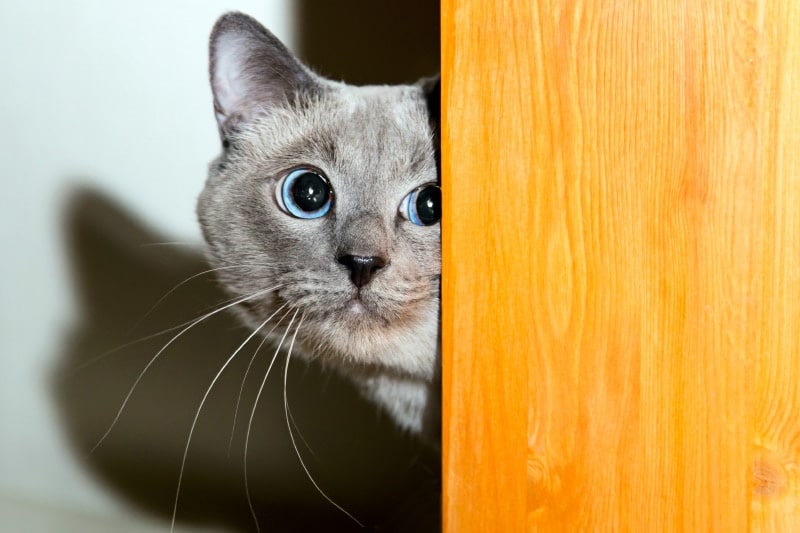
Checking out your cat’s body language is the easiest way to tell if they’re feeling afraid. A frightened cat will either freeze in one spot, run away, or go into self-defense mode. They may crouch, arch their back, puff up their fur, and swish or tuck their tail under or around their body.

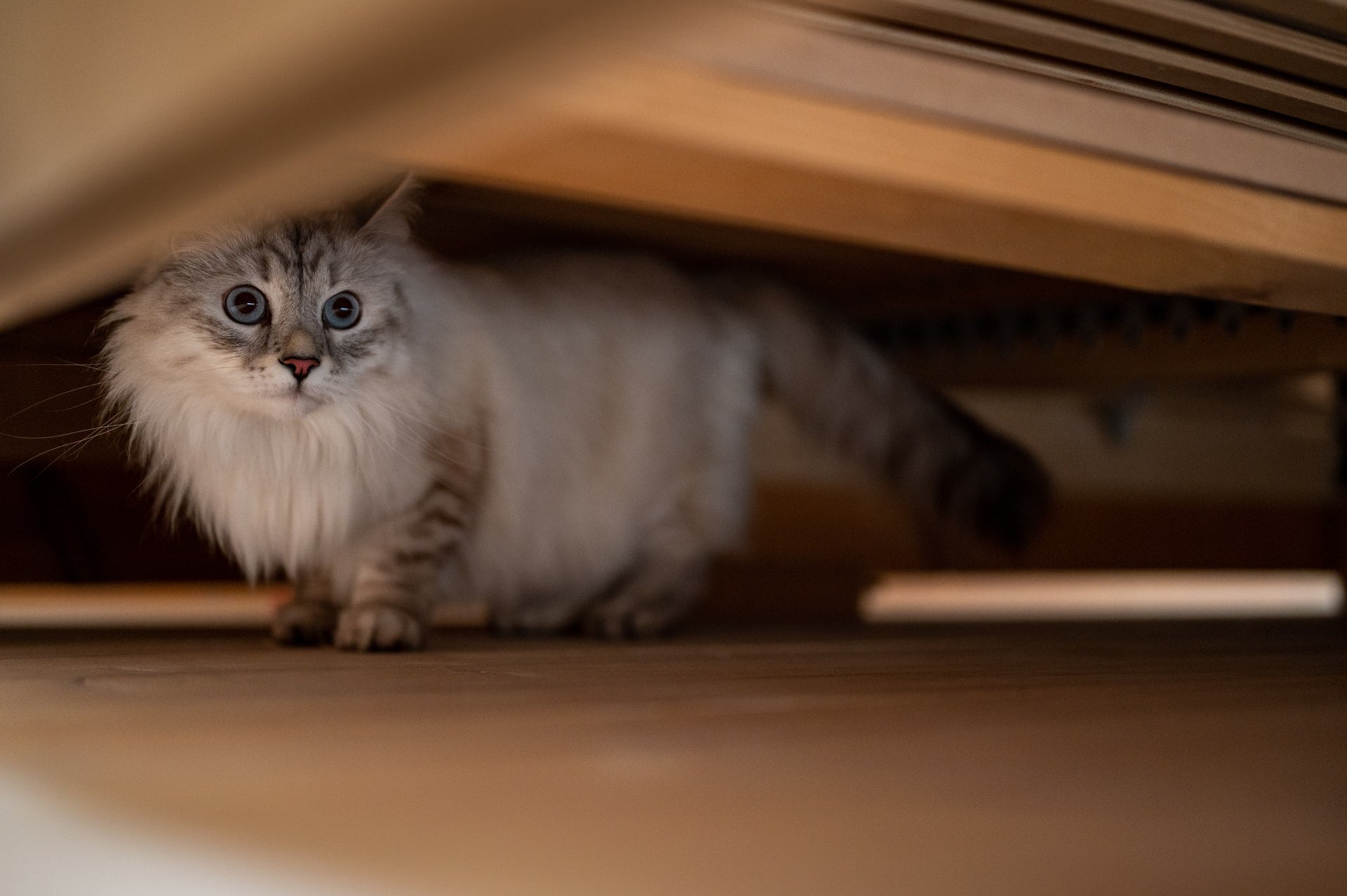
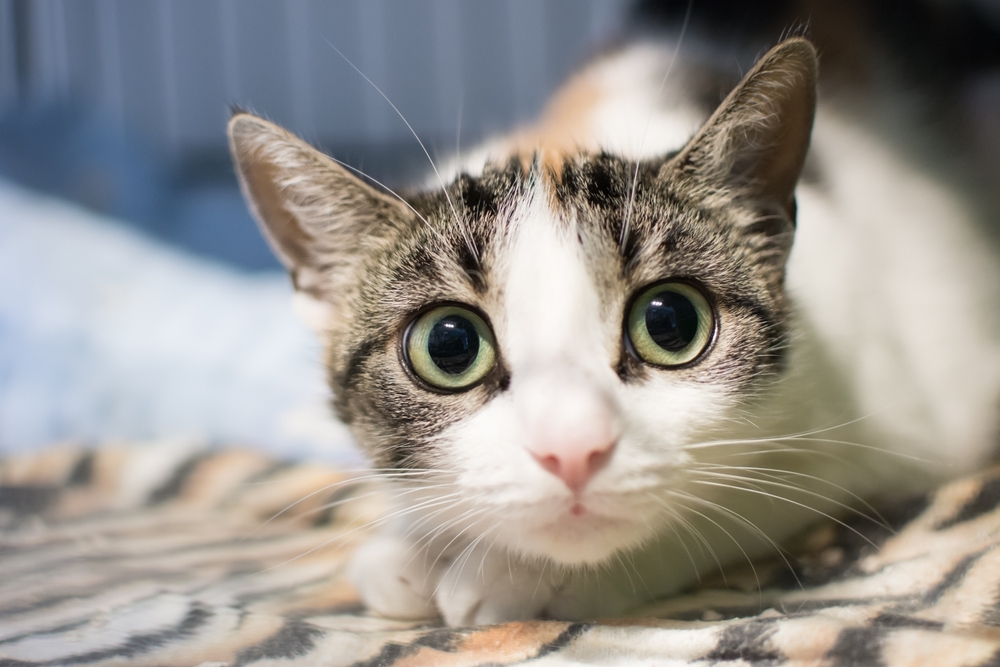
The arching of the back and puffing up of the fur make the cat appear larger and, therefore, more intimidating to whatever is threatening them. Some cats flatten their ears down or move them back and forth (to hear better) and flick their tails from side to side. A fearful cat’s eyes will often dilate.

The body language cues of a fearful cat are sometimes a bit tricky to fully understand because they often overlap with those of an angry cat (a cat that’s scared may often lash out as well).


2. Vocalizations

A cat feeling scared or threatened may express this with a range of vocalizations. If you hear your cat growling, hissing, or meowing in a different tone, this is likely a sign that they’re afraid and ready to defend themselves if necessary.


3. Hiding

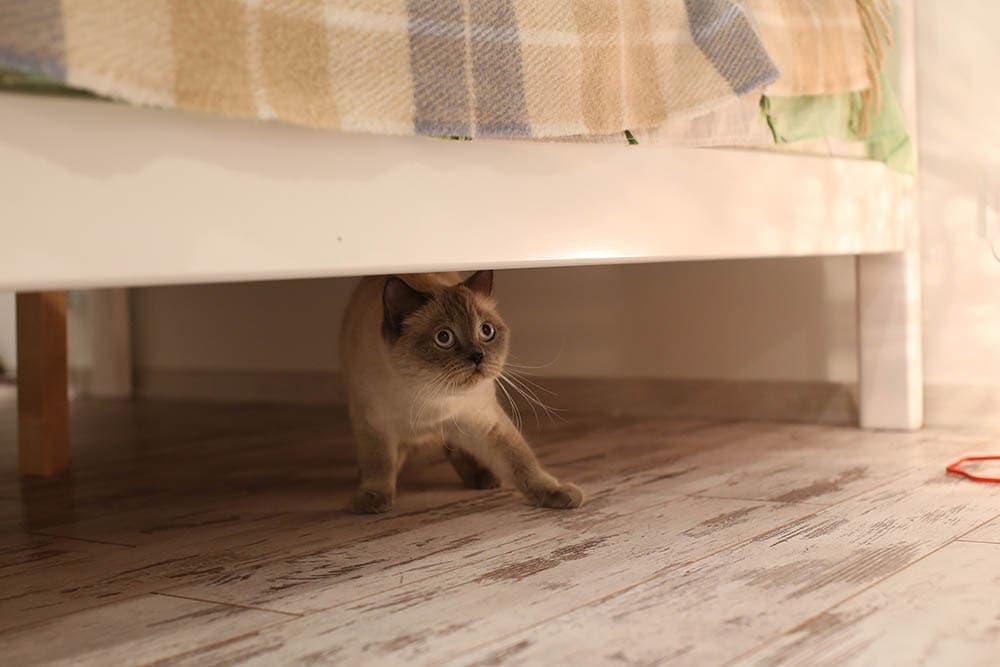
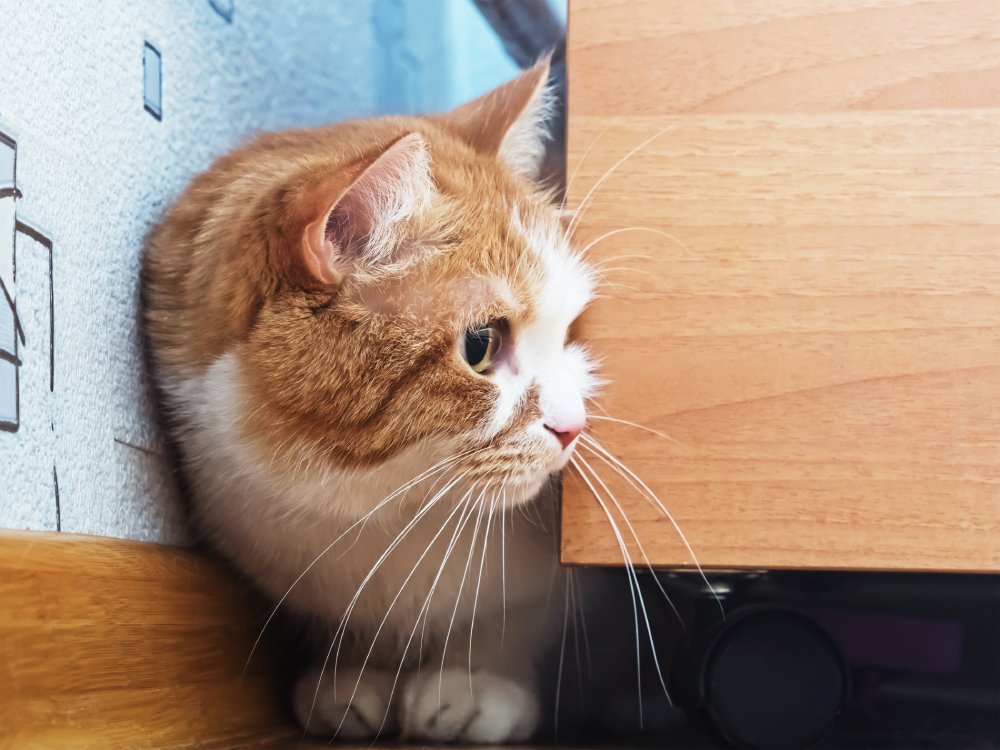
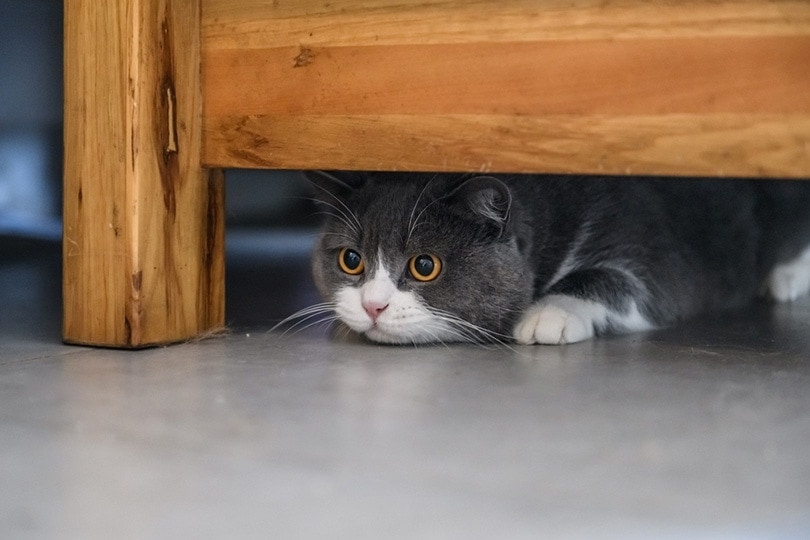
It’s natural for a frightened cat to seek sanctuary somewhere they can feel safe. If your cat is afraid, they may run away and hide under a bed, in a box, behind a sofa, or anywhere they can escape what has set off their fear.


4. Going Outside the Litter Box

It’s not unusual for anxious or scared cats to pee or poop outside of the litter box. This is a common sign of cat anxiety , so if this happens often, it would be a good idea to take your cat to the vet to find out what’s going on.

If you need to speak with a vet but can't get to one, head over to PangoVet. It's an online service where you can talk to a vet online and get the advice you need for your pet — all at an affordable price!

Preventative wellness PGV mention keep cat healthy Preventative wellness PGV mention keep cat healthy mobile

divider 1 paws

What Are Cats Afraid Of?

Cats get scared for a variety of reasons. Common things that can set off a cat’s fear response or anxiety include other cats being on their territory, other animals, new people, loud or sudden noises, or new places and smells. Cats are very much creatures of routine, so any interruption in that routine, like a trip to the vet, is enough to set alarm bells ringing for them.

How to Calm a Frightened Cat: 6 Tips

Calming a frightened cat isn’t the easiest of tasks, but there are a few things you can try to reassure them.

  • Stay calm. Cats pick up on your emotions, so the more stressed you are, the more stressed they will be.
  • Keep things nice and quiet. Your cat needs to be in the most peaceful environment possible right now.
  • Make sure there’s a safe, quiet space for your cat to retreat to.
  • If your cat goes to hide in their safe space and doesn’t leave it for a while, this is a signal that they want some space. Let them stay there for as long as they need to calm down.
  • While some cats prefer to hide, others will seek reassurance from you. If this sounds like your cat, speak in a soothing tone and pet them to help calm them down.
  • Avoid surprises where possible—most cats don’t take them well! Let your cat gradually become accustomed to new objects.

divider 2 cats

Final Thoughts

It’s normal for cats to get scared now and then, especially if they’re meeting a new fluffy friend for the first time or getting used to something new and strange. If your cat persistently shows signs of fear or stress, they may be dealing with anxiety. In this case, your vet is the best person to help you get to the bottom of why your cat is so anxious and recommend a treatment plan.


Featured Image Credit: Mantikorra, Shutterstock

Want content like this delivered to you?

Sign Up For Our Newsletter

News, insights, expert advice, and everything cat

* By submitting, you agree to our Terms & Conditions and Privacy & Cookies Policy.


How useful was this post?

Click on a star to rate (you can leave written feedback after clicking submit)

Help us improve Catster for pet parents!

Your feedback really matters.

What did you like about this post? Also how can we improve it?

Join the conversation

2 Responses

  1. Your response helped a lot and calmed my feelings at least. My cat has been on the floor of the closet for 10 days now and I think a severe thunderstorm affected her plus lengthy severe heat

    1. Thanks for your comment, Patricia Ann Alexander. We are glad you found our post useful. If you wish to have a chat about your cat’s case with a veterinarian, our team is one click away at www.pangovet.com

Leave a Reply

You’re very welcome to leave a comment or question. Please know that all comments must meet our community guidelines, and your email address will NOT be published. Let’s have a positive and constructive conversation.


Talk With A Vet Online

Peace of mind,
anywhere, anytime

Affordable vet advice

Why Chicken Bones Are More Dangerous for Cats Than Most Parents Realize

Chicken bones seem harmless enough, but for cats, they can cause serious damage quickly. Whether your cat swiped a piece off the counter...

Fantastic Pet Pantries and Where to Find Them

Let’s face it: times are really tough right now, and those of us in the 99% are struggling with the cost of just...

Ask Dr. Paola – Help! My Cat Refuses to Drink Water! (April 13, 2026)

Welcome to our “Ask Dr. Paola” series, where every Monday we bring expert advice straight from Dr. Paola Cuevas (MVZ) to help our...

Why Healthy Cats Still Vomit Sometimes (And How to Respond)

A cat that just vomited needs a specific kind of care, and the feeding decisions you make in the next few hours actually...

More related

What Kind of Cat Breed Is Stryker? Feline Celebrity Facts

Stryker is an internet-famous cat that was rescued by his owners, Shlomo and Joe, when they found him kept captive in a cage....

Cancer vs Artificial Intelligence – Finally, an AI Product I Can Get Behind

Hi, I’m Dr. Karyn! Read my introduction to learn more about me and meet my five hilarious cats: Clutch, Cyril, Alex, Zelda, and...

5 Best Cat Clippers for Matted Fur in 2026 – Reviews & Top Picks

Matted fur can become a real issue in long-haired cat breeds like Persians, and although prevention is better than the cure, sometimes your...

The Cats-Kill-Wildlife Conundrum: Exploring a Common Issue

While we like to think of our pets as tame animals, our cats are still deeply in touch with their wild instincts. When...

Keep reading

7 Best Cat Foods for Pancreatitis in 2026 – Reviews & Top Picks

Feline pancreatitis is one of the most troublesome cat diseases. This condition is not only difficult to diagnose but also tends to be resistant to treatment. Cats are good at hiding illness, meaning you might not know that your kitty...

Cat hungrily eats dry food

6 Best Cat Foods for Kidney Disease in Canada of 2026: Reviews & Top Picks

Learning that your cat has a chronic condition, such as chronic kidney disease (CKD), can feel scary. Though this condition is not curable or reversible, support and treatment can improve your kitty’s quality of life and help it live longer....

top view of a cream maine coon cat eating dry and wet pet food from feeding dish

Why Are Tabby Cats So Vocal? 10 Vet Reviewed Reasons

Figuring out why your cat is meowing is a process of elimination. They meow to communicate with you, and your job is to figure out what they’re trying to tell you by seeing to all their needs and making sure...

cute orange tabby cat

How to Keep Your Cat’s Nails Healthy in 5 Vet-Approved Steps

As a responsible cat owner, you’re well aware of the importance of caring for your kitty’s sharp little claws—not only for their health but also to spare your furniture! While our feline companions know how to keep their fur in...

cat paws when sitting on the table

Can Cats Eat Turkey Bacon? Vet-Approved Risks & FAQ

Turkey and bacon are two legitimate meats in their own right, and each of these meats is popular with both humans and pets alike—even if our pets shouldn’t be eating them. Cats are known as obligate carnivores, meaning they must...

Can Cats Eat Turkey Bacon

Why Does My Cat Pee on the Floor? 7 Vet-Reviewed Reasons & Care Tips

While it is annoying to have your cat pee on the floor in your house, it is not entirely unheard of. Many things can cause a cat to do this, and identifying the cause of this behavior is necessary in...

cat looking a pee on the floor

Why Do Cats Clean Themselves So Often? 12 Vet-Verified Reasons

When you own a cat, you notice their strange habits and may try to determine what they’re thinking. However, deciphering a feline’s intentions is challenging. Cats are complex creatures, but their odd habits have a purpose. They spend plenty of...

a domestic tabby cat licking its paw

Can Cats Eat Chives? Vet-Reviewed Facts & FAQ

Chives are pretty common in our human food. However, they are not suitable for our furry friends. Chives are toxic to cats and other similar seasonings like garlic, leeks, and onions. Chives belong to the Allium family, which is poisonous...

Can Cats Eat Chives

Love Cats? So Do We! Join the Catster Community

Stay informed with expert pet care insights delivered straight to your inbox! Discover professional guidance on animal behavior, feeding tips, trusted product picks, and much more.


Sign up for the Catster Email Newsletter

Stay informed with expert pet care insights delivered straight to your inbox! Discover professional guidance on animal behavior, feeding tips, trusted product picks, and much more.