The Cats-Kill-Wildlife Conundrum: Exploring a Common Issue
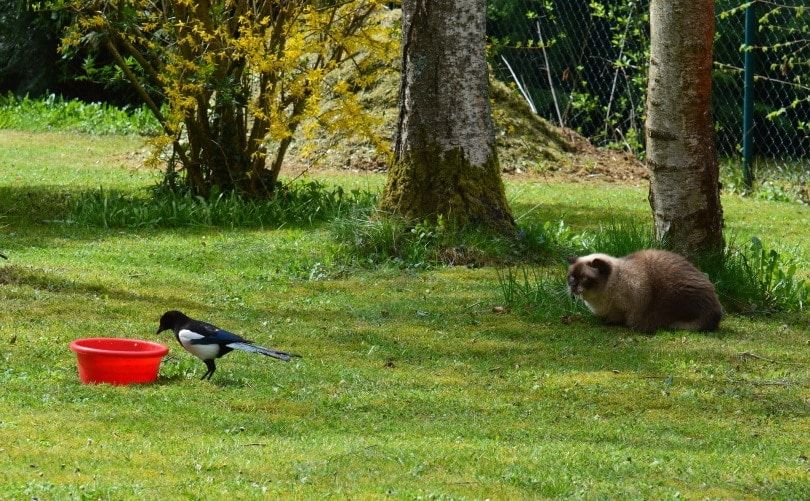
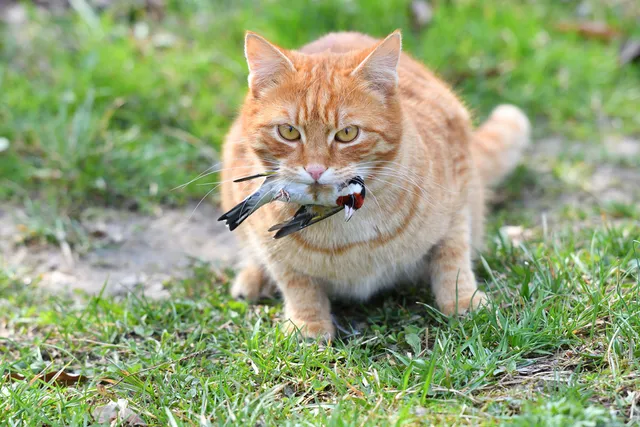
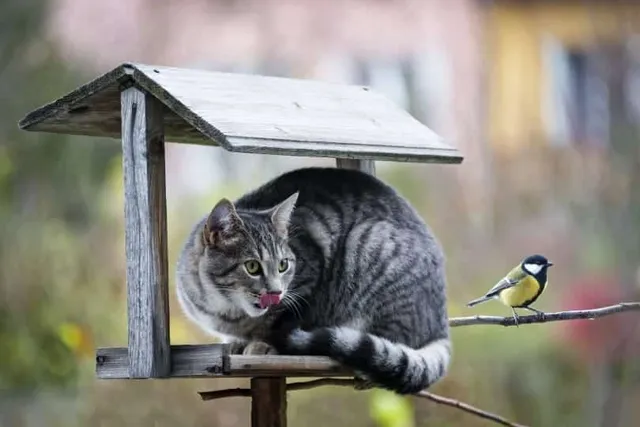
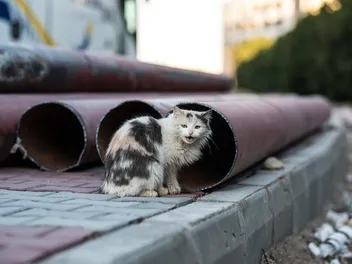
While we like to think of our pets as tame animals, our cats are still deeply in touch with their wild instincts. When let outdoors, they kill millions of birds per year, which brings us to the cats-kill-wildlife conundrum. If you’ve ever heard of this, you know that cats can definitely be a danger to local wildlife, and that makes many pet owners question if having cats is the right thing to do.

The Start of a Problem
Domestication likely began passively. When humans started growing crops, their stored seeds and grains attracted rodents. Wild felines soon followed. They proved to be excellent hunters. Of course, as obligate carnivores, cats capture prey regardless. Their behavior and anatomy are well-suited to their niche in the food web. And cats remained as they were for thousands of years.
Interestingly, their prey drive hasn’t changed a whole lot, especially if they spend a good deal of their time outdoors. Therefore, the concern about cats attacking wildlife is well-founded. Unfortunately, the situation is more complicated.

The Good, Bad, and Ugly
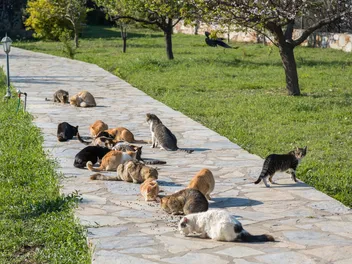
The good news is that most pet owners keep their cats indoors, with only 32% having outdoor access at least part of the time. That translates into fewer wildlife conflicts. Keeping your kitty inside offers many benefits. They will have less exposure to transmissible diseases and parasites. For example, one study found that 92% of captured feral cats in Florida had fleas.1 Other health issues include the following:
- Roundworms
- Tapeworms
- Giardia
- Toxoplasmosis
According to the Centers for Disease Control and Prevention (CDC), rabid cats outnumbered rabid dogs nearly fourfold.2 Feral felines not receiving regular veterinary care are a danger to wildlife in the spread of this fatal condition. That also includes diseases that other wild cats can contract from infected animals. They present other unforeseen risks on different fronts.
The Out-of-Control Wildlife Conundrum
Invasive mammalian predators, such as the domestic cat, profoundly affect native wildlife populations. We’ve discussed the risk of disease and parasite transmission. These animals also raise the bar for competition for food and other resources. These impacts can create domino effects on other species and further repercussions for wildlife, plants, humans, and other organisms.
Invasive predators become problematic if they target animals unaccustomed to predation. And it’s not just here in the United States. The Polish Academy of Sciences (PASIFIC) has categorized domestic cats as an “invasive alien species.”3 The animal’s effect on wildlife populations prompted this action. It was met with impassioned disapproval of the implications of euthanasia for captured feral felines. Still, the concerns of the organization were valid.

The Telling Numbers
Figures from the American Bird Conservancy (ABC) paint a sobering picture of the cats-kill-wildlife conundrum.4 The organization has identified them as having a significant impact on the extinction of 40 bird species, 21 mammals, and two reptile species. By comparison, dogs were implicated in less than 11. However, it doesn’t end there.
Cats are further linked to the threatened status of an additional 367 combined species. Let’s compare these figures with another known invasive predator: rodents. These animals are responsible for roughly 30% of extinctions or 75 species. They also threaten 345 others. This data shows the impacts of cat predation are on par with these known scorned pests.
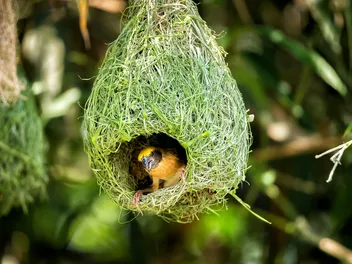
The ABC estimates that outdoor felines, whether feral or with outdoor access, kill about 2.4 billion birds annually.5 The other concern is the cascading effects. The prey that cats don’t kill can attract scavengers like rats. We must also consider the vacated niches of the killed birds on insects, such as mosquitoes. The latter is the most deadly organism on the planet, killing 725,000 people each year.6

Perpetuating the Problem
On the flip side, we must consider our role in perpetuating the problem. Humans recognized that cats are ideal predators. Some scientists have even called them evolutionarily perfect. It likely explains why enthusiasts have only started selectively breeding cats for only 85 years. They don’t have the specialized jobs that people have bred dogs to do.
Suffice it to say that cats are good as mousers and feline companions. There hasn’t been strong evolutionary pressure to change either one. Felines are predators at heart
The Takeaway
The problem hasn’t gone unnoticed by authorities and scientists striving for humane solutions. Trap-neuter-return (TNR) programs may reduce populations of feral cats over time but won’t solve the immediate issue of threats to wildlife. It’ll likely require a multi-faceted solution involving TNR, removal, and responsible pet ownership.
It’s encouraging that people understand the risks to the cats of letting them outdoors. Our discussion didn’t even include other factors, such as traffic fatalities, predation, and decreased lifespan. More time inside will give you more chances to bond with your kitty without fearing that anything will happen to your pet if they stay out all night.
Unless you intend to breed your kitty, talking to your vet about neutering your pet is worthwhile. It can lower your cat’s risk of some diseases and protect them from unwanted pregnancies. It’s worth noting that feral animals are a significant factor in the wild populations. Research has shown that the number of kittens born to owned cats was about 33 million annually and 147 million in feral animals.
Responsible pet care can play an unexpected yet beneficial role in reducing wildlife mortality. People may let their cats outside for mental stimulation and enrichment. Life outdoors undoubtedly can fulfill these needs. However, you can also provide similar health benefits by interacting with your cat and providing stimulating toys.
Research has shown that giving your pet a high-protein diet may dissuade them from hunting. Instinct triggers an animal to look for food. The scientists also found that play reduced the number of “gifts” cats brought home after going outdoors. A pet getting high-quality food from their owners is less likely to search for something to eat outside.
We can’t ignore the fact that caring for a cat is rewarding. They bring joy into our lives and a different type of pet ownership. They are closer to their wild side, and perhaps that’s what makes them so endearing. Nevertheless, caregivers must understand what the commitment entails. They must also realize the impact their pet can have on wildlife. That’s part of being a good steward of the environment.


Final Thoughts
Cats killing wildlife is a major problem with far-reaching consequences. However, it doesn’t mean having a cat for a pet is wrong. It is absolutely a good thing. However, it carries the responsibility to ensure your pet doesn’t contribute to the issue. Neutering your cat, providing regular interaction, and giving your pet a high-quality diet will help, but you should enjoy your kitty by keeping them strictly indoors.
Sources
https://www.livescience.com/animals/cats/what-is-the-difference-between-a-pet-cat-and-a-wildcat
https://www.nature.scot/plants-animals-and-fungi/mammals/land-mammals/wildcats
https://www.scientificamerican.com/article/hawaiis-invasive-predator-catastrophe/
https://www.scientificamerican.com/article/cats-are-perfect-an-evolutionary-biologist-explains-why1/
Featured Image Credit: Alexas_Fotos, Pixabay
Expert cat care, straight to your inbox
News, insights, and useful advice, delivered to you.

No spam — unsubscribe anytime.
By signing up, you agree to our Terms & Conditions and Privacy & Cookies Policy.
How useful was this post?
Click a star to rate. You can leave written feedback afterwards. (We read all feedback.)

Chris has been a science-focused pet writer since 2009, specializing in health and the environment. She lives with her husband Norm and three amazing cats in the land of 10,000 lakes. When she's not writing about cats, Chris also enjoys boating and sampling wine. She has her WSET 1 and 2 certifications and is currently pursuing her Certified Wine Specialist Award (CSW).