Cancer vs Artificial Intelligence - Finally, an AI Product I Can Get Behind
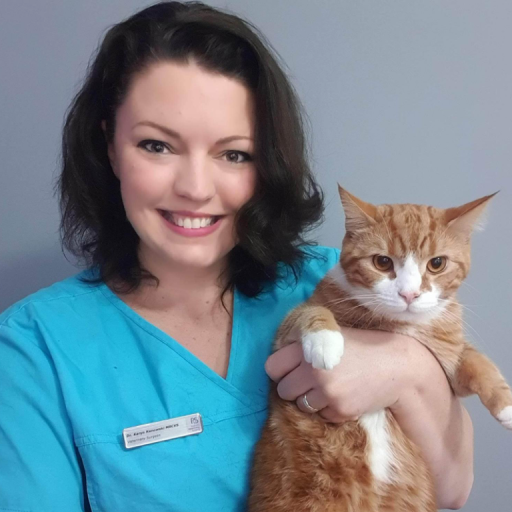
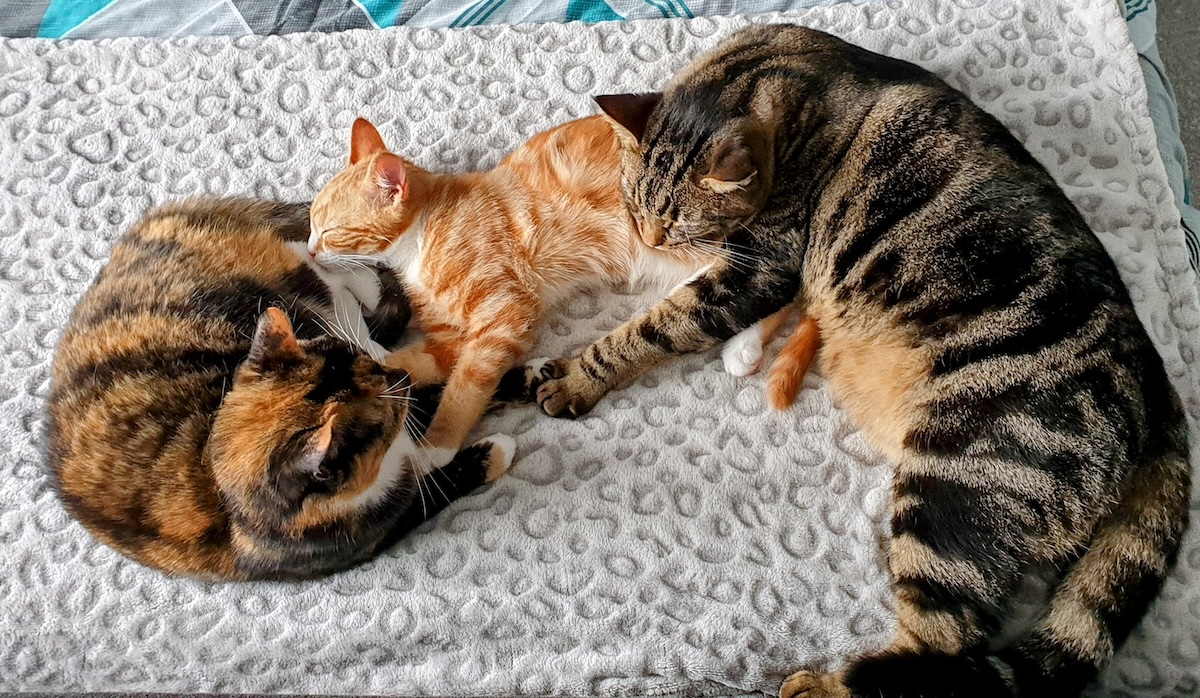
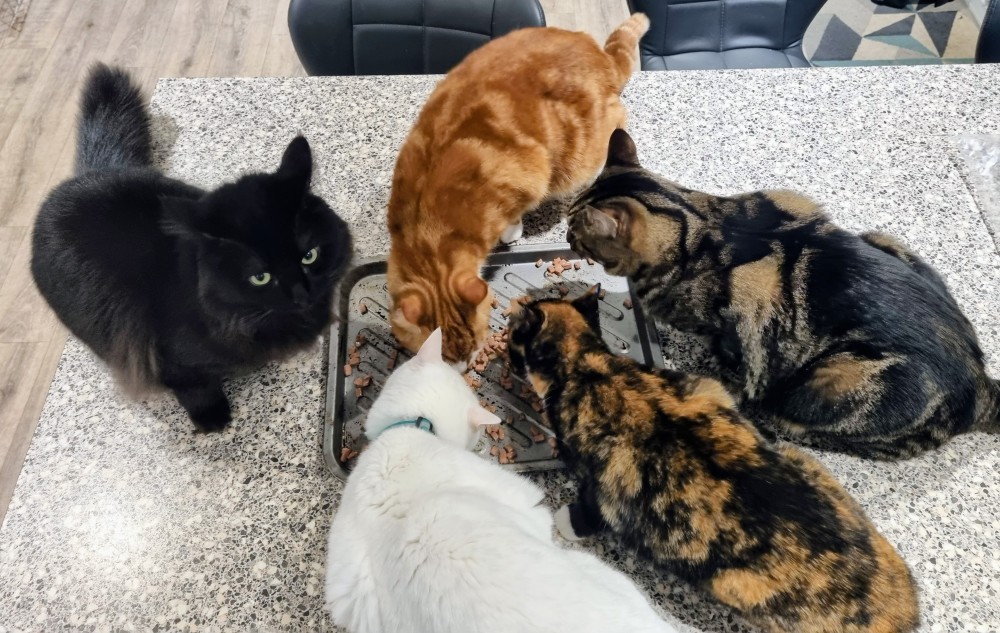
Hi, I'm Dr. Karyn! Read my introduction to learn more about me and meet my five hilarious cats: Clutch, Cyril, Alex, Zelda, and Zazzles.
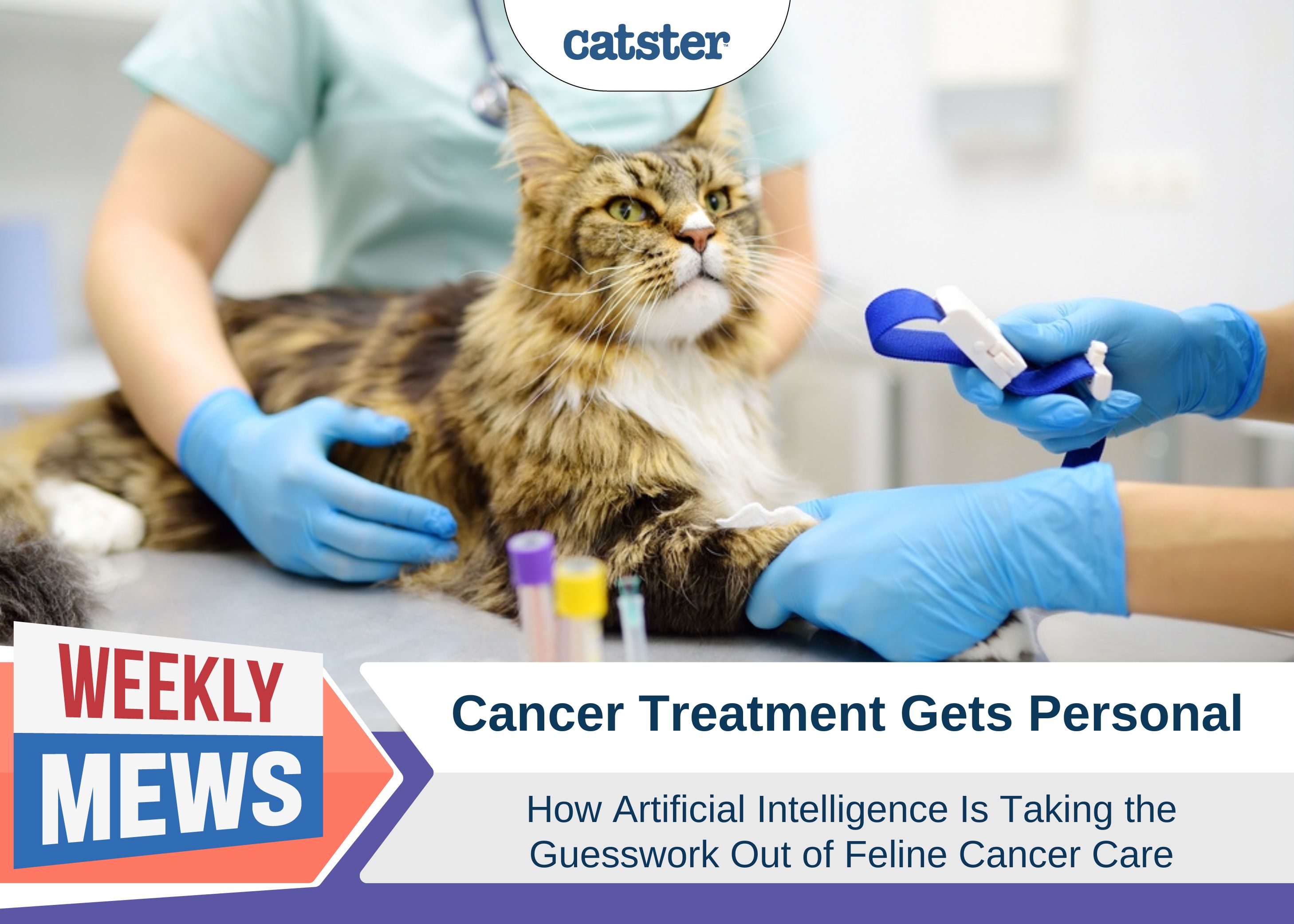
Cancer – it’s something we hope never to deal with, but chances are we will, at least once in our lifetime. In cats, cancer can take many forms, but with continuing advancements in both human and veterinary medicine, the treatment options are expanding every day. Chemotherapy is one form of treatment that has been around for decades, but I was recently introduced to a pretty amazing breakthrough that uses artificial intelligence to create individualized treatment protocols that are specifically designed to treat your cat’s cancer.
I’d like to tell you more about it, but first, I need to admit something:
I HATE Artificial Intelligence
As I swat away Gemini’s irritating offers to help me ‘polish’ my work, I find myself feeling constantly irritated by the way AI is infecting our world. Having grown up with I, Robot, Battlestar Galactica, Terminator, and creepy robot Haley Joel Osment in A.I. (*shudder*), I am amazed at how readily we seem to be accepting the insidious AI invasion of our daily lives, sometimes without us even realizing it.
As a vet, I worry about how AI is influencing the information being shared and accessed by owners desperate to find answers online. Artificial intelligence may be able to digest and regurgitate information on command, but it can’t think outside the box or use personal experience, something that is essential for good veterinary care.
As a writer, I hate seeing talented individuals being usurped by clunky imitations, and while the technology is getting better at imitating us, I still catch glimpses of Joey from Friends and his “humid prepossessing Homo Sapiens with full sized aortic pumps.”
Artists, photographers, designers and other creatives are finding themselves out of work, unable to compete with the sheer volume of ‘almost’ perfect creations being churned out by a workforce that is not hindered by bills, responsibilities, or the need to sleep. It feels like AI is sucking the joy from our lives and making humans largely obsolete.
So when I saw how Dr Ilona Holcomb and the team at ImpriMed were using this technology, I was impressed. They have created a new way to diagnose and treat cancer that simply wouldn’t be possible without AI. Before I go into the details, I’ll give you a ‘CliffsNotes’ summary of how chemotherapy fits into veterinary treatment.
What Is Chemotherapy?
In simple terms, chemotherapy uses potentially harmful chemicals to kill or slow down neoplasia (cancer). These cytotoxic chemicals target rapidly dividing cells, with neoplastic cells typically being the fastest growing cells in the body. Unfortunately, these drugs don’t differentiate between neoplastic and non-neoplastic cells, so other rapidly dividing cells can also be affected, with hair follicles, bone marrow, and mucous membranes being at the top of the list, which is why patients receiving chemotherapy are often affected by hair loss, anemia, immunosuppression, mouth ulcers, vomiting, and diarrhea.
Human chemotherapy aims to eradicate cancer completely, so these side effects are usually endured and managed as part of that process. However, it would be cruel to expose our pets to such debilitating effects, as they can neither consent to the treatment nor understand why it is happening. So instead, a balance is struck between using drug doses that have little or no significant side effects, but as a consequence, we rarely achieve a complete cure. There are some instances where the cancer is completely eradicated, but more often, we are only buying a few more good months or years with our cat.
Chemotherapy may be used in isolation, or in combination with other forms of treatment, such as surgery or radiation therapy. In cats, it is most commonly used to treat lymphoma, but may also be used in combination with surgery to treat other forms of neoplasia such as mast cell tumors.
Chemotherapy Drug Selection
Traditionally, samples of your cat’s blood, bone marrow, tissue, or cells are used to make a specific diagnosis of the type and stage of neoplasia, and then a treatment protocol is created based on which chemotherapy drugs tend to work best against that type of cancer. It cannot predict if the cancer will respond to those drugs, so there is often some trial and error involved once treatment has commenced.
How Artificial Intelligence is Taking the Guesswork Out of Chemotherapy
The team at ImpriMed has pioneered a program that uses artificial intelligence to test the neoplastic cells from individual patients (both human and pet) to formulate a chemotherapy drug protocol that will be most effective, not just against the type of cancer, but specifically against your cat’s cancer.
Culture and Sensitivity Testing for Cancer
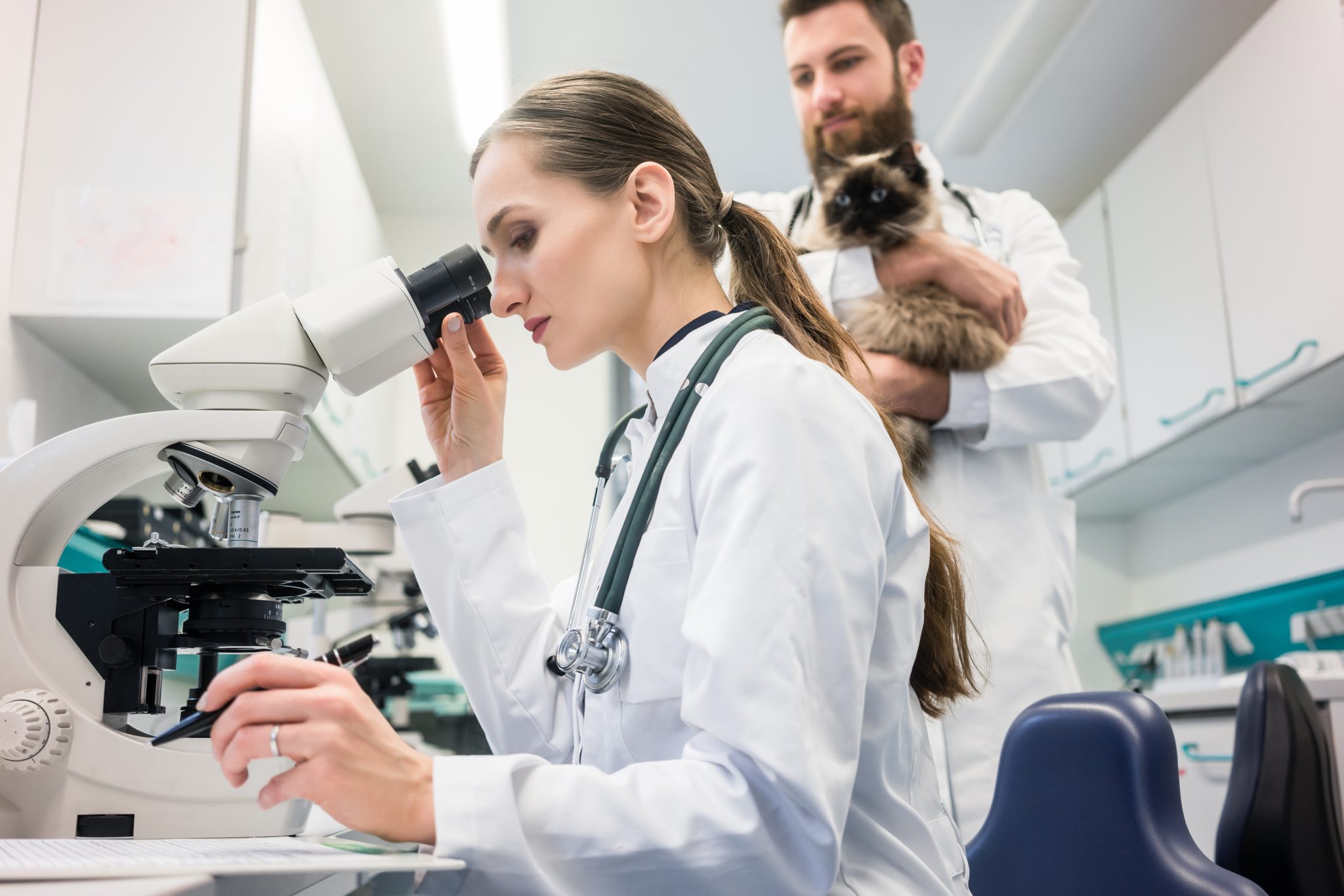
When we treat serious infections, we perform a culture and sensitivity test, whereby a sample of the bacteria is grown in a lab so it can be identified, and then exposed to different antimicrobial treatments to see which is the most effective. By doing this, we know exactly what we are treating, and the best medication for the job, without trying different drugs until we find one that works.
Similarly, but much more complicated, the AI program at ImpriMed isolates and identifies the cancer cells and runs them through all possible drug combinations to determine which ones work best. This technology can also detect and predict how different cell lines may emerge, and factor this into the treatment program.
The result is a chemotherapy protocol that we know, even before starting treatment, will be effective against your cat’s cancer. This removes the guesswork, trial and error, and drug substitution that often occurs with traditional chemotherapy. This technique uses the same type of samples that would ordinarily form part of your cat’s diagnostic work-up and takes about one week to formulate a personalized prediction profile of their cancer.
What really impressed me was that Dr Holcomb is clearly an animal lover who is genuinely interested in making this tech accessible to everyone. The company has largely absorbed most of the research & development cost in order to offer their service at the lowest price they can, and I truly hope that they are able to continue the work in this way. It’s so hard to find an ethically run biotech company that genuinely prioritizes patient care.
Things to Note
While this technology is incredible, it’s important to understand its limitations.
It is not a treatment for cancer – ImpriMed does not provide treatment. They provide the recipe of drugs that need to be given by your vet.
The chemotherapy protocol created with AI does not necessarily increase the chances of a cure. However, by starting treatment with the right drugs, those chances can only be increased. Additionally, by using chemicals that we know the cancer cells are sensitive to, we may be able to use lower doses in patients who are quite sensitive to treatment, or higher doses in more resilient cats to increase our chances of remission or cure.
At this stage, only canine lymphoma and leukemia, and feline lymphoma can be tested. However, there are already plans underway to extend this into other common cancers seen in cats and dogs, such as mast cell tumors.
I Hate Most AI
So it would appear that I’ve found an exception to my rule.
Whether we like it or not – and sometimes, whether we know it or not – AI is fast invading every facet of our lives. While I wish it would keep its metaphorical paws off our creative arts, the unparalleled processing and problem-solving capacity it wields cannot be denied. This may not be the miracle cure for all cancer, but it does make it feel a tiny bit closer.
What I can tell you, in all honesty, is that if one of my pets is diagnosed with ‘the big C,’ I will be enlisting the help of ImpriMed.
(No, I wasn’t paid to say that, I am just genuinely impressed by the company!)

This article is a part of Dr. Karyn's series with her five hilarious cats.

Expert cat care, straight to your inbox
Vet-reviewed advice, behavior tips, and the best of Catster. Free, and you can unsubscribe anytime.
By signing up, you agree to our Terms & Conditions and Privacy & Cookies Policy.
Dr. Karyn Kanowski BVSc MRCVS (Veterinarian)
Dr. Karyn comes from Queensland, Australia, and has lived in the UK for the past 10 years. In 2010, she graduated from The University of Queensland School of Veterinary Science and also has a Bachelor’s degree in Zoology. She is passionate about using evidence, experience, and owner collaboration to provide the best solutions for pets, and believes in making reliable information about animal health accessible to all. Dr. Karyn shares her home with five cats, four dogs, and one husband. When she is not in the scrubs, she spends her time writing, gardening, and cleaning up pet hair!
Join the conversation
Ask a question, share your story, or send private feedback.