Get

In Your Inbox

Catster is reader-supported. When you buy via links on our site, we may earn an affiliate commission at no cost to you. Learn more.

Do Cats Hiss When They Play Or Are They Fighting? Feline Behaviour Explained (Vet-Verified)

Share

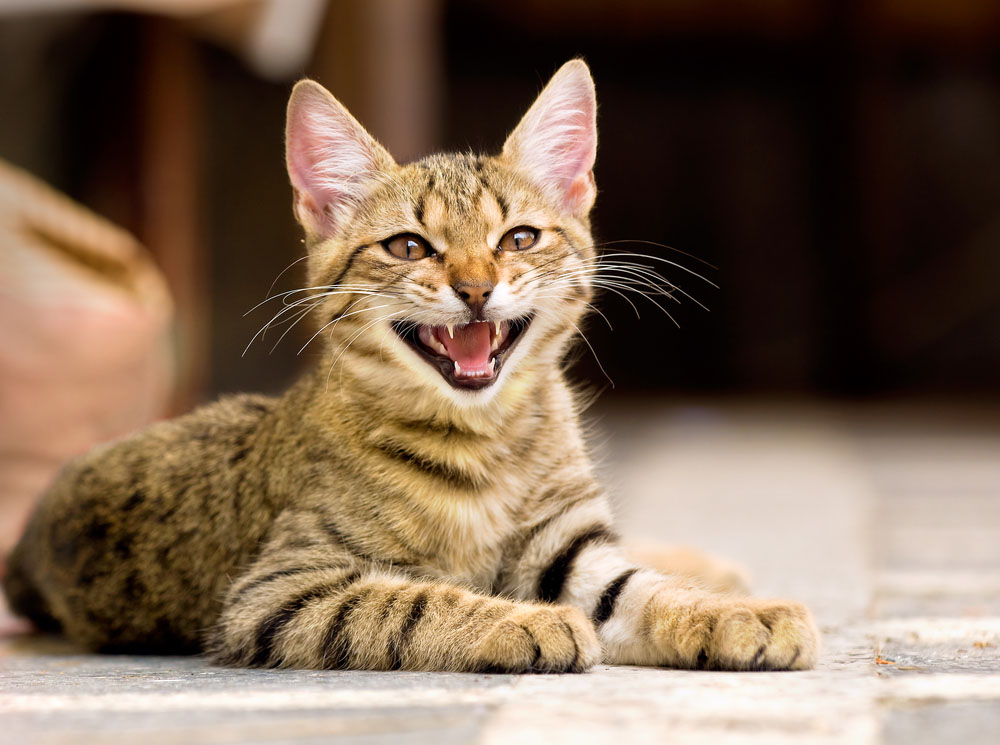
cat meowing

One of the challenges of living with cats is understanding their behavior. While they can’t verbally tell us how they’re feeling, they are constantly communicating with us through their sounds and body language.

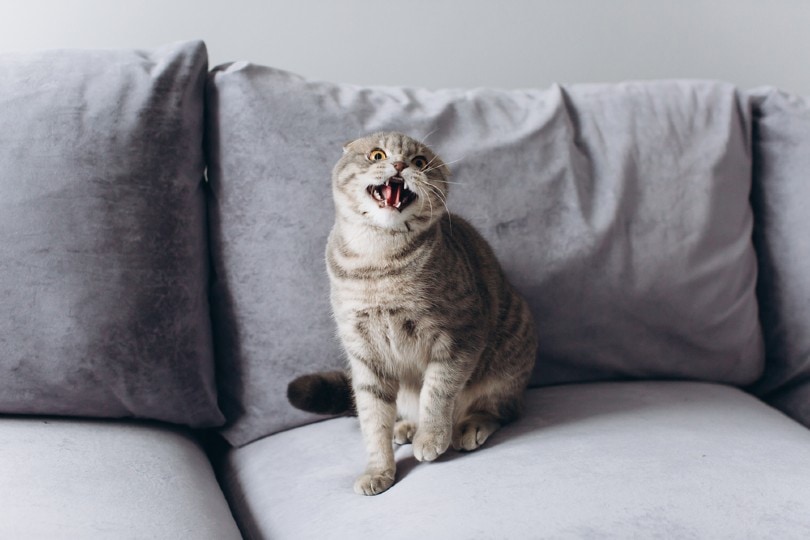
Among their vocal repertoire, hissing is one of the most distinctive and often misunderstood sounds. While cats will typically hiss when they feel threatened or aggressive, they may also hiss when playing. The key to understanding their emotions lies in the context. Paying attention to their body language and surroundings can help you determine whether your cat is feeling playful or truly upset.

divider cat paw scratch oct 2024

Why Do Cats Hiss?

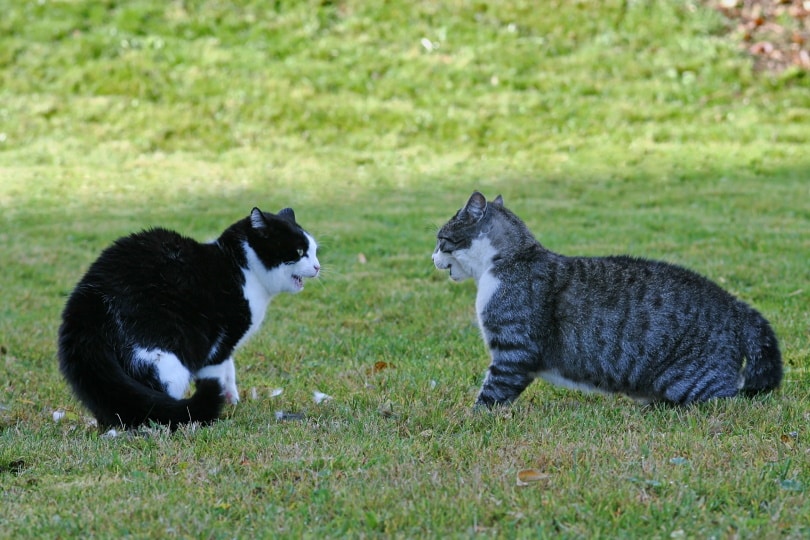
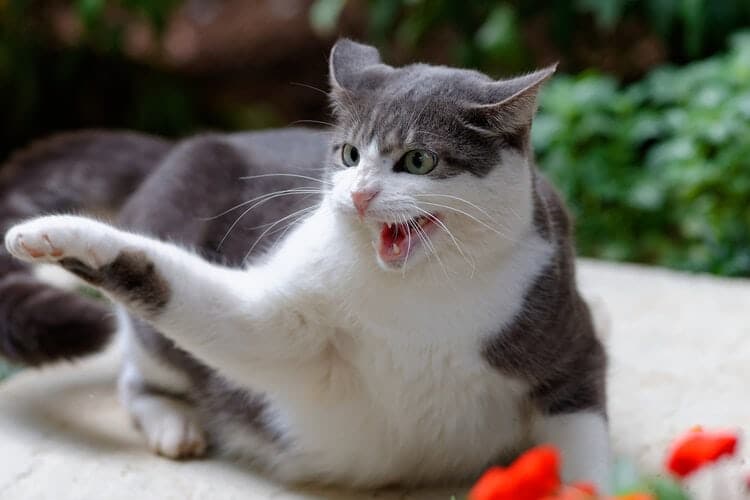
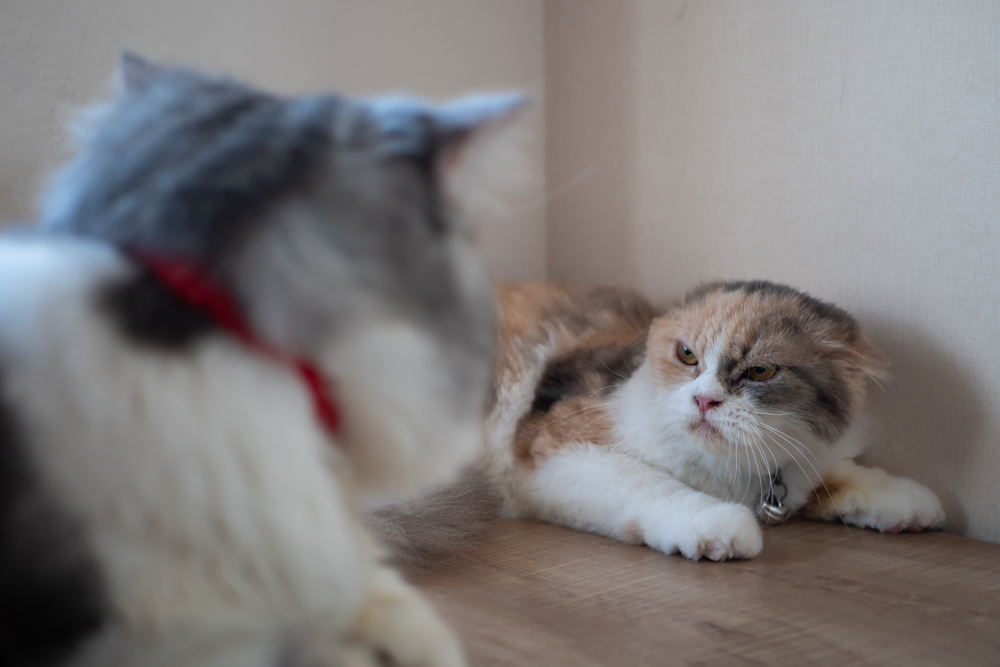
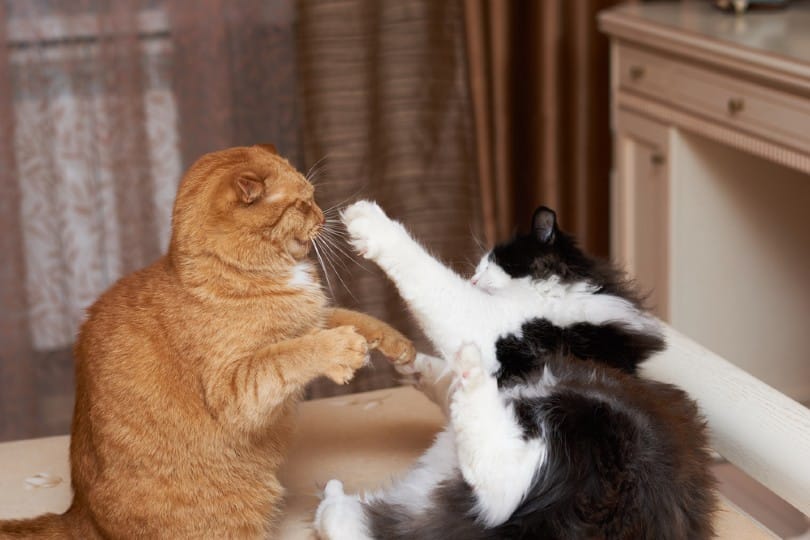
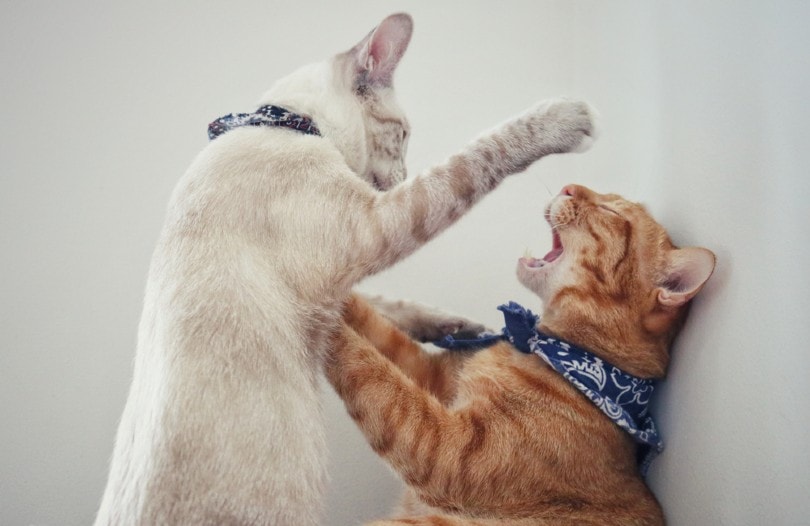
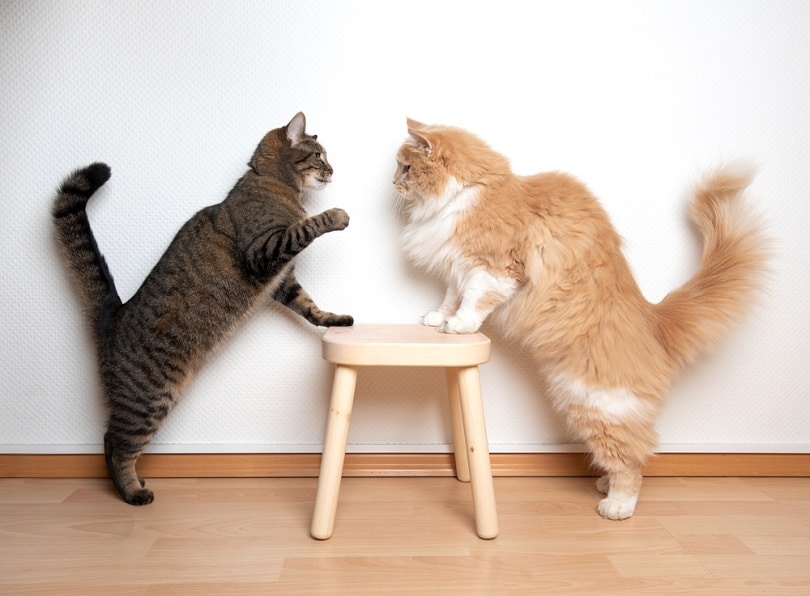
Cats can hiss as a warning to back off or when they are surprised by an apparent enemy, but they can also make the same noise or a similar sound when playing. This is because cats can have fun through play-fighting. Cats in the same social group can have rather rowdy play sessions that may look aggressive to humans.

However, as long as the cats display other playful behaviors, they’re in a safe environment. An occasional hiss is completely normal behavior, but if the hissing becomes more frequent, it can become a precursor to an aggressive fight.

Other Behaviors Cats Display When Playful

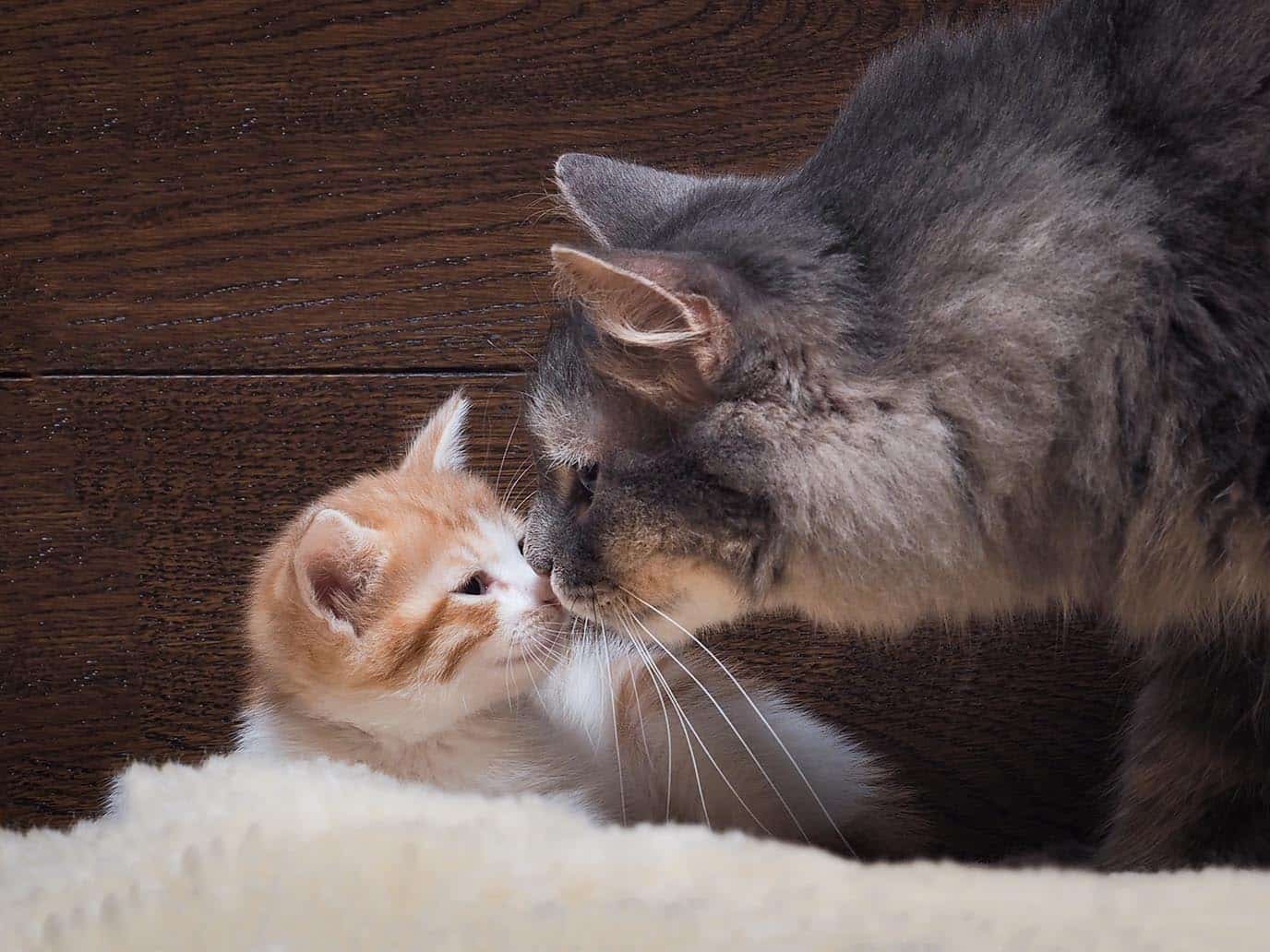
When a cat’s feeling playful and friendly, it’ll have body language cues that reflect the feelings. First, playful cats will have their ears up and pointed forward. They’ll look more alert and may have dilated pupils.

Cats who want to play may also look ready to pounce. The fronts of their bodies will be crouching low to the floor while their hind legs will be raised. Their tails will also be low to the ground and may occasionally rise up and flicker.

a black cat hissing
Image By: Uta E., Pixabay

Playing is an important part of keeping your cat mentally and physically engaged, and a great toy will make it much easier. We like Hepper's Catnip Stick Toys because they're sturdy enough to handle intense play and completely filled with organic catnip. You'll love the fun range of pastel colors and your cat will enjoy the prey-like shape!

Hepper Stick Catnip Cat Kicker Toy
  • No Filler - Like all the best cat toys our is stuffed with 100% organic catnip. Cheap cat toys with...
  • Flexible Play - Simple plush shape is great for biting, scratching and pawing. It can start life as...
  • Durably Designed - Our cat safe toys are hand-stitched with a double-lined exterior construction for...

At Catster, we’ve admired Hepper for many years and decided to take a controlling ownership interest so that we could benefit from the outstanding designs of this cool cat company!

divider cat paw scratch oct 2024

Other Behaviors Cats Display When Angry

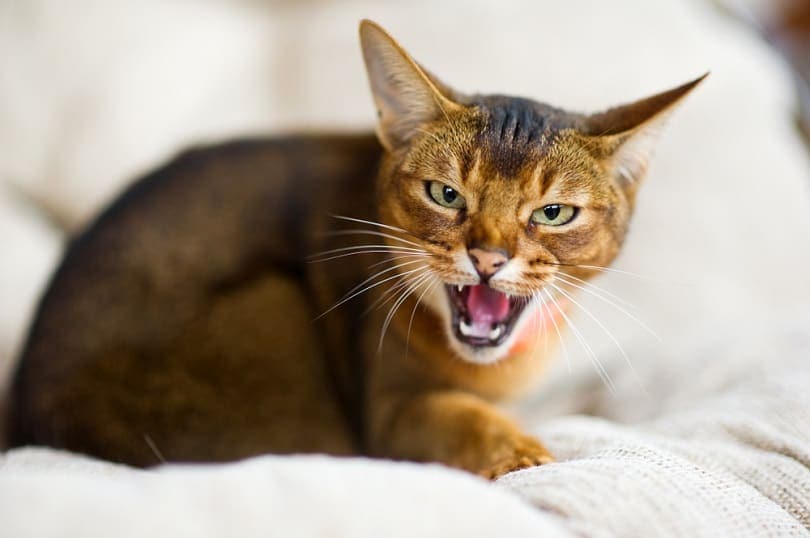
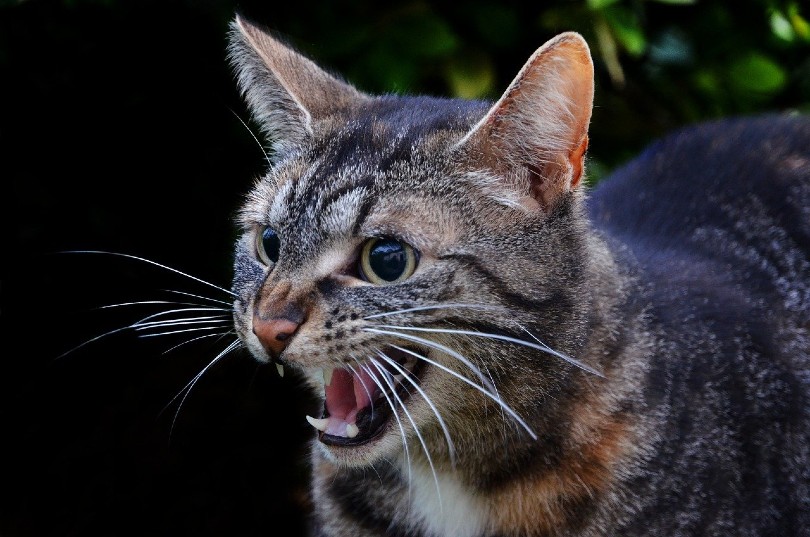
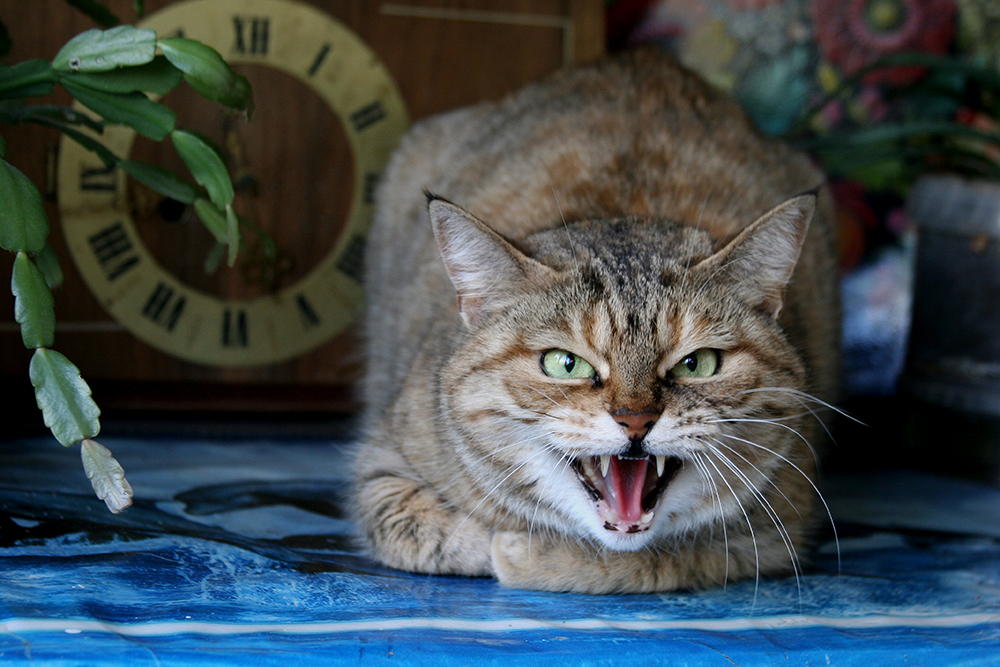
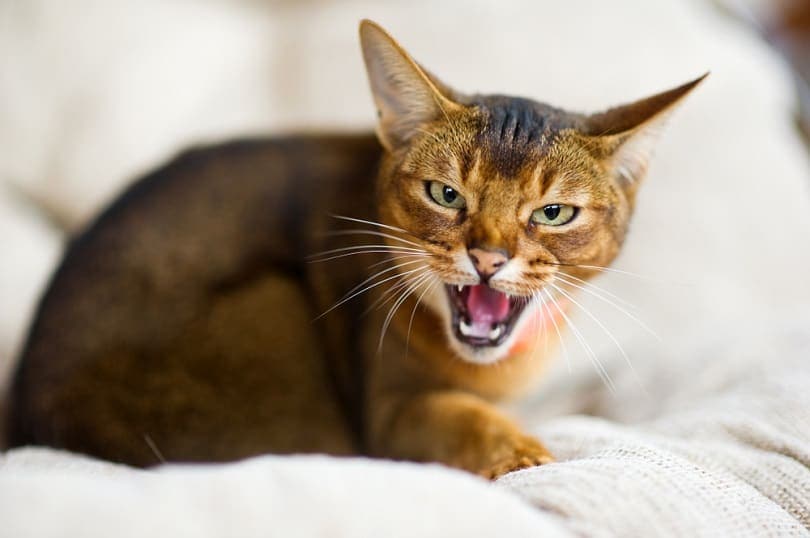
Sometimes, a cat may play too roughly and start agitating the other cat. Agitated and angry cats will hiss more as a warning for others to back off. Along with increased hissing, an angry cat will try to look larger and more threatening. Usually, they’ll raise their hair and puff up their tail to appear as large as possible.

While playful and alert cats will have their ears perked forward, angry cats will have their ears lie flat against their back. Their whiskers will also be pulled against their face. They may bare their teeth and can also start spitting or growling.

If your cat starts to act aggressively toward another cat during a play session that’s gone awry, do your best not to intervene directly and break up the cat. This can cause them to feel more agitated or anxious, and it may escalate the situation.

Instead, try to break up the play session by providing a distraction. Try luring them away from playing with each other by pulling out one of their favorite toys or shaking a box of their favorite treats. You can also try clapping your hands loudly to break their focus.

angry cat
Image By: Fang_Y_M, Pixabay

divider cat paw scratch oct 2024

Final Thoughts

Cats hissing during a play session is normal and often isn’t much of a concern. However, it’s vital to pay attention when the hissing becomes more frequent. If hissing becomes more prominent, it can indicate that one of the cats is becoming agitated and the other isn’t respecting their boundaries.

If that is the case, remember to stay calm and try to break up the play session with a distraction. This approach is the safest way to end an escalating play session without negatively affecting the relationship between the cats and the cats’ relationship with you.


Featured Image Credit: Stanimir G.Stoev, Shutterstock

Want content like this delivered to you?

Sign Up For Our Newsletter

News, insights, expert advice, and everything cat

* By submitting, you agree to our Terms & Conditions and Privacy & Cookies Policy.


How useful was this post?

Click on a star to rate (you can leave written feedback after clicking submit)

Help us improve Catster for pet parents!

Your feedback really matters.

What did you like about this post? Also how can we improve it?

Join the conversation

Leave a Reply

You’re very welcome to leave a comment or question. Please know that all comments must meet our community guidelines, and your email address will NOT be published. Let’s have a positive and constructive conversation.


Catster's Digital Magazine is Back!

Vet-approved health & behavior advice

Real cat stories & community features

Chatting About Essential Oils, Homemade Cat Food & The Color of Butter | Chatty Cattys, Episode 27

In this episode of Catster’s Chatty Cattys podcast, Nicole and Dr. Karyn tackle crucial household safety warnings and the ever-evolving world of pet...

What Normal Aging Looks Like in Cats and When You Should Worry

These days, cats can live anywhere from 13 to 17 years on average, with some making it well into their 20s. That is...

The Purr-suit of Happiness: A New Way to Measure Feline Quality of Life

How can you tell if your cat is truly thriving? It’s a question that every pet parent has probably wondered at some point....

Ask Dr. Paola – Help! How Much Pee Is Too Much Pee? (July 13, 2026)

Welcome to our “Ask Dr. Paola” series, where every Monday we bring expert advice straight from Dr. Paola Cuevas (MVZ) to help our...

More related

10 Best Outdoor Cat Houses of 2026 – Reviews & Top Picks

Whether your cat spends all their time outside or just heads out occasionally, having a place that’s just for them is essential, especially...

Cats, Humans, & Mental Health: Dr. Lauren’s Thoughts on Well-Being & Reciprocity

I remember watching the news with some curiosity, and a sense of impending change. “Hold on to your socks,” someone said, “this is...

Hard Lump on Cat’s Lower Jaw: Causes & Care

If a cat pet parent were to find a lump on their cat’s lower jaw, they are likely to be very concerned. While...

Natural Ways to Deworm Your Cat At Home: Vet Explained Safety Concerns

Many pet parents are concerned about the possibility of side effects from conventional deworming medications, and look for natural alternatives they can give...

Keep reading

Why Do Hairless Cats Exist? Vet Reviewed Breeds, Origin & Care Tips (With Pictures)

When one thinks of a cat, they often envision a small, furry companion. However, not all cats have fur; some cats are naturally without fur – better known as hairless. Hairless cats vary in degrees of hairlessness; some have a...

sphynx cat

Do Cats Eat Christmas Trees? Vet-Reviewed Risks & Tips

Christmas is a magical time that fills our homes with warm smells and sparkly lights. Only, cat owners have to deal with the constant chaos of owning a Christmas tree with a pet. Christmas trees, both live and artificial, can...

cat hiding in the Christmas tree

Are Forget-Me-Nots Toxic to Cats? Vet-Reviewed Houseplants Examined

If you’re a flower fanatic, you have undoubtedly seen and adored the lovely forget-me-not. Woodland forget-me-nots (Myosotis sylvatica) are a species of perennial plants with stunning blue flowers. Fans of forget-me-nots prize the delicate flowers with white or yellow eyes....

Catster_Are Forget-Me-Nots Toxic to Cats

Why Do Cats Hate Closed Doors? 6 Vet-Verified Likely Reasons

As any cat owner knows, cats have a lot of quirks and idiosyncrasies. One of them is a hatred for closed doors, no matter what lies behind them. Sometimes, this innate drive to get into the closed room could lead...

cat sitting near the door at home

Does Cedarwood Oil Kill Fleas on Cats? Vet-Verified Effectiveness & Safety Explained

Fleas can be the bane of a cat owner’s existence. Once they appear, they’re everywhere, and worst of all, they make our kitties miserable. Getting rid of fleas can be an arduous task. While plenty of flea control and prevention...

cedar chips and essential oil

How to Tell If Your Cat Loves You: 12 Vet-Reviewed Signs to Look For

Cats have an unfair reputation as aloof independent creatures that don’t need us humans—unless they’re hungry. While some cats can be self-contained, others are incredibly outgoing when it comes to letting their owners know that they love them. Whichever side...

boy-falls-asleep-and-hugs-his-cat-who-sleeps-with-him-under-the-covers

Why Do Cats Sneak Around? 10 Vet-Reviewed Reasons for This Behavior

Our favorite furry phantoms are famous for their insane stealth skills that could put a ninja to shame, but have you ever stopped to wonder why exactly they sneak in the first place? You probably know it’s related to their...

A,Timid,Black,Domestic,Shorthair,Cat,Hiding,And,Peeking,Out

9 Best Cat Foods for Diarrhea in Canada in 2026: Reviews & Top Picks 

As lucky as we are to parent our fluffy family members, it isn’t a job that comes without some pretty gross cleanups, smells, and, of course, worry. If your cat has a sensitive stomach, they may suffer from diarrhea among...

grey cat eating food

Love Cats? So Do We! Join the Catster Community

Stay informed with expert pet care insights delivered straight to your inbox! Discover professional guidance on animal behavior, feeding tips, trusted product picks, and much more.


Sign up for the Catster Email Newsletter

Stay informed with expert pet care insights delivered straight to your inbox! Discover professional guidance on animal behavior, feeding tips, trusted product picks, and much more.