Why Are Tabby Cats So Vocal? 10 Vet Reviewed Reasons

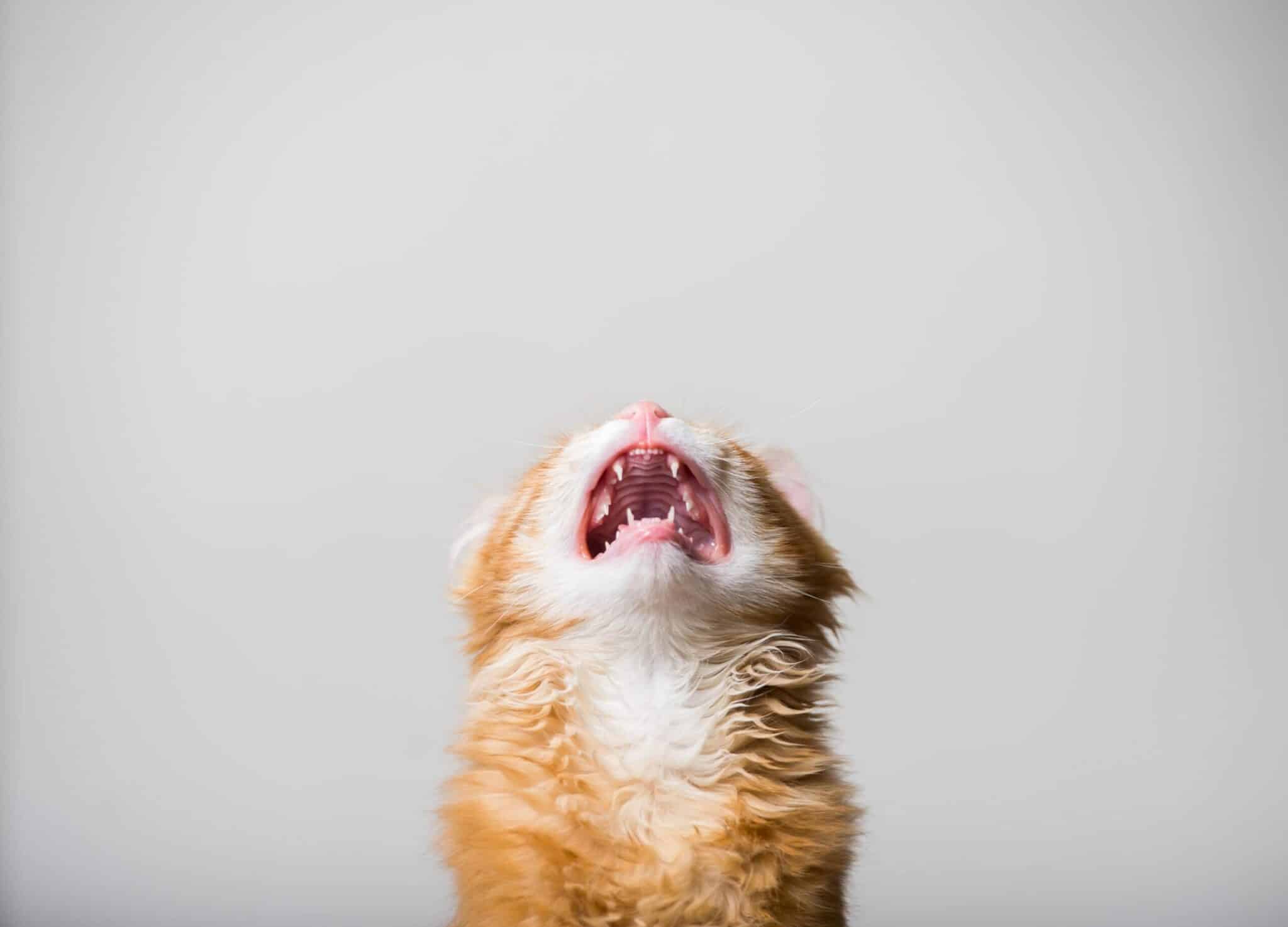
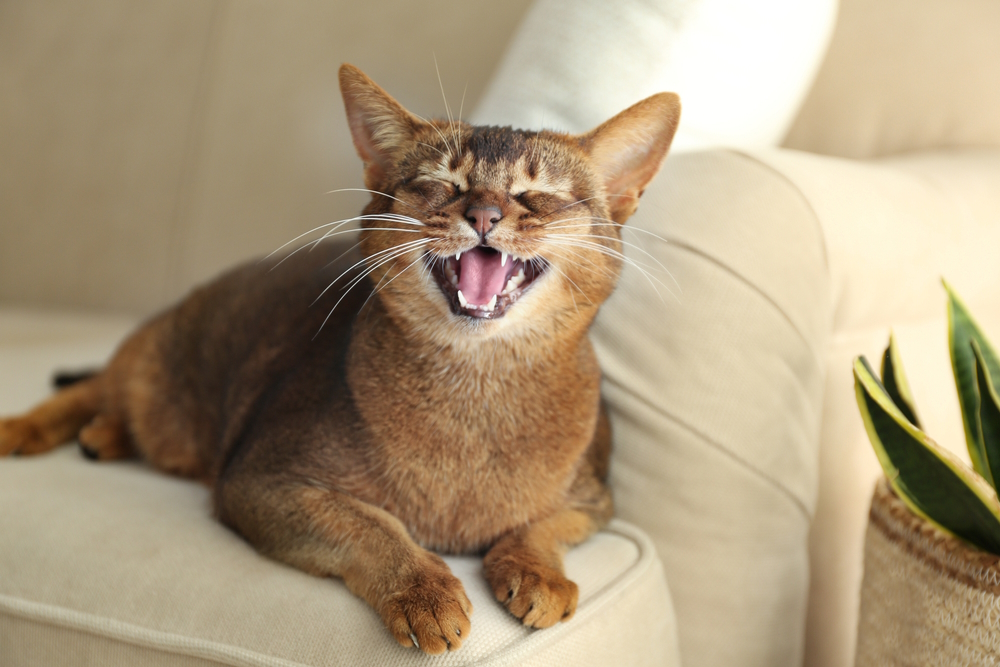
Figuring out why your cat is meowing is a process of elimination. They meow to communicate with you, and your job is to figure out what they're trying to tell you by seeing to all their needs and making sure they have everything they need, such as food and a full bowl of clean water. If they're fed and nothing seems to be lacking, they might be meowing to get your attention because they're in pain or because they're just being chatty. Tabby cats have a reputation for being vocal, but really, it’s nothing to do with the color of their fur.
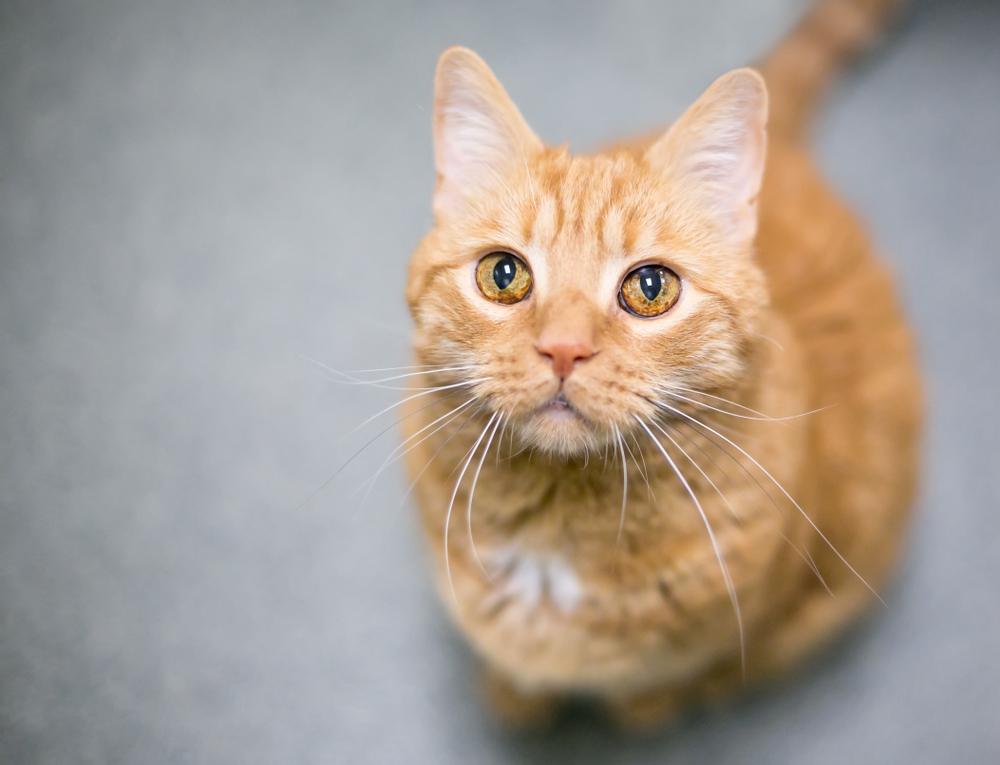
Tabby cats are popular and can be found all over the world. However, contrary to what many people think, they aren't a specific breed. Instead, "tabby" refers to a specific coat pattern, and therefore, almost every type of breed has tabby cats. Some breeds of cat are more vocal than others, and will express their emotions of sadness, anger, happiness, and playfulness through meowing.

The 10 Reasons Why Your Tabby Cat Is So Vocal
1. They're Friendly
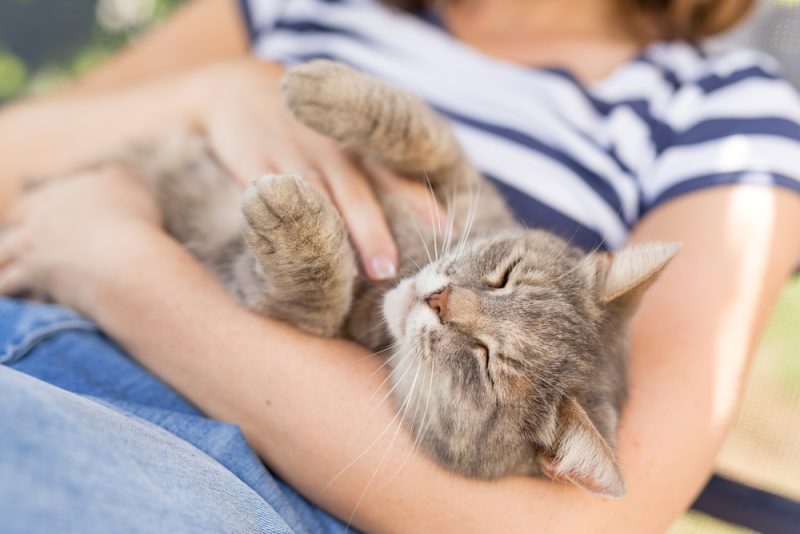
Your tabby cat might be so vocal because they're very friendly. These cats meow to greet their owners when they arrive home because they're happy to see them. It doesn't matter if you've been gone a few minutes or a few hours; your little tabby cat has missed you and is welcoming you home the only way they know how—by meowing and rubbing against your legs.
Respond to your cat by tickling their head and greeting them back. We might not understand each other’s language, but that doesn’t mean we can’t speak to each other.
2. They're Expressing Their Emotions
Tabby cats are vocal about many things, including how they feel. Your cat might become vocal if you accidentally step on their tail and make them angry, if you're playing with them and they're getting annoyed by it, if they're happy by the attention you're giving them, if they're playful and feeling excited, or if you sneeze and frighten them. These cats wear their emotions on their sleeve—or paw—and it's what makes them such a special and widely-loved pet.
3. They Want Your Attention
Just like many humans, tabby cats crave attention and aren't afraid to let you know. Your cat will get in your way and meow your ears off to get you to connect with them. As much as they enjoy being on their own when having a nap in the sun, they can be social animals that will meow excessively if they're not getting the attention they crave.
They also enjoy play and need exercise, so you can use feather wands, strings, and balls to get them chasing, catching, and jumping.

4. They're Hungry
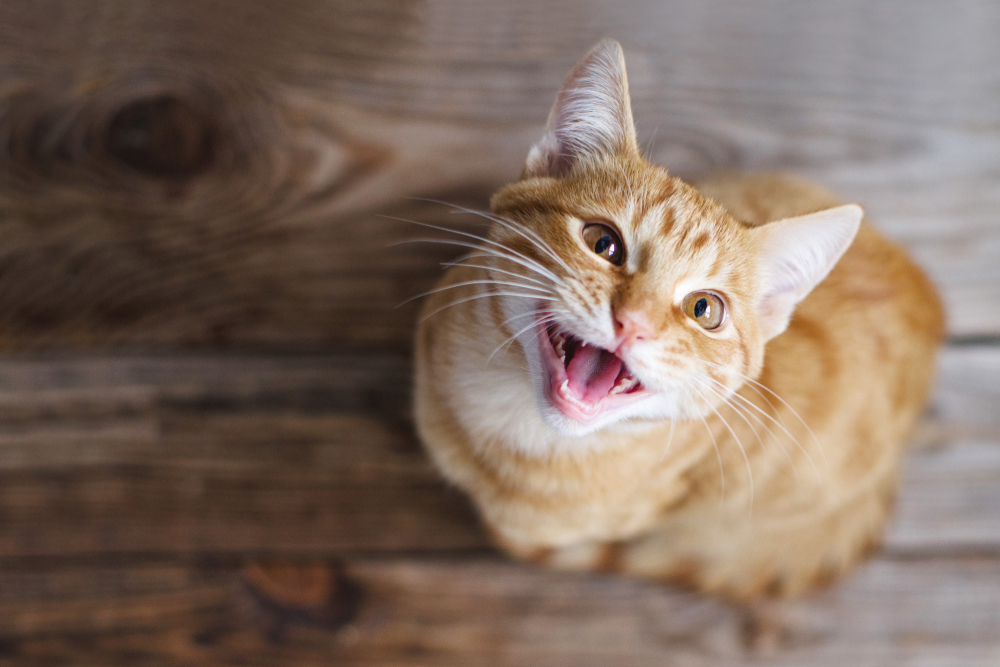
When your tabby cat wants food, they're going to want it right away and will likely be pretty demanding about it. Their demands will be in the form of meows. It doesn't matter if you're still asleep in bed or getting tasks done around your home; your cat will come to you meowing for food.
If you want to prevent this behavior, you could look into getting an automatic feeder for your cat. You can set times for it to dispense your cat's food and set a recording so that your cats always know when their food is being served, and stop harassing you at all hours.
5. They Want to Go Outside
If you allow your cat to play or go potty outside, they might be asking you to let them out if you don't have an open window or cat door. You'll know your cat wants to be let out because they'll meow at the door or run towards the door once they've gotten your attention. Your cat may also meow outside once they've done their business and want to come back inside. Cats may also meow if they smell or see another cat in your yard.
If your cat is allowed outside and you're tired of being interrupted, invest in a cat door so that your cat can come and go as they please without having to come to you to let them in and out.

6. They See Potential Prey
A cat is a natural hunter, which is why they may bring you "gifts" in the form of dead insects, birds, or rodents every now and then. In the wild, cats hunt for food, but domesticated cats that are given food by their owners tend to hunt for the fun of it.
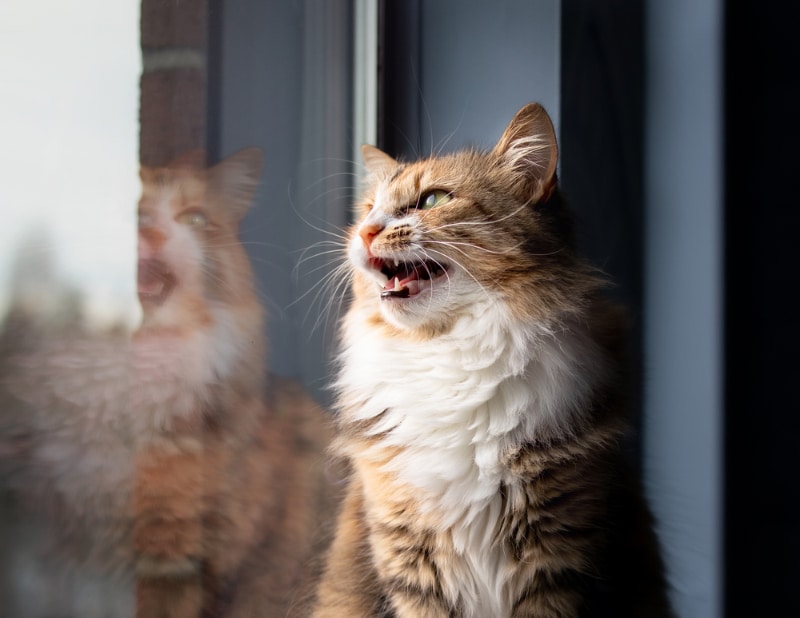
Your tabby cat might get vocal and start chirping when they've spotted potential prey, especially if they're inside and see the bird outside or can't reach it because it's too high up in a tree. Your cat will chirp out of excitement and eagerness to get to it.
Cats will also vocalize when they have caught something and are bringing it to you; sometimes it might be a mouse, other times it could be a toy! This sort of behavior shows us that they want to share their catch with you. It might be a bit icky, but their heart’s in the right place!
7. They Are Looking for a Mate
Female cats that are in heat will yowl or whine to get the attention of their male counterparts. Males will do the same if they smell that a cat is in heat or want to attract a nearby female. This behavior is instinctual among unneutered cats and is a sign that they want to breed. It often happens at night and can be alarming if you don't know what is going on with your cat, but it is simply a mating call.
These yowls can progressively get louder throughout the night, and the only way to prevent this behavior in your cat is to get them neutered.

8. They're In Pain
Unfortunately, a vocal tabby cat may also be in pain and yowling out of distress. If your cat is making sounds that you aren't used to hearing from them, examine them to make sure nothing is broken and that they're not injured. If your cat seems to be in distress, there could be an internal problem or an emotional one, which warrants a visit to the veterinarian, as it is important to get to the bottom of the problem.
9. They Have Separation Anxiety
If your neighbors have informed you that your tabby cat cries when you're out of the house, it could be because they're suffering from separation anxiety. This usually happens if you previously worked from home but now have to go into the office during the day, your work hours have changed, or some other routine change has occurred.
You may need to try a few methods to help your cat deal with being away from you, such as leaving the radio on when you're out, talking to them through a pet camera, and adding perches to your windows so that your cat can look outside.

10. They're Elderly or Confused
As some cats get older, they start to lose their cognitive function and can become confused, disorientated, and have poor responses. Their cognitive decline can also cause their sleep patterns to change, and they may start to break house training. Unfortunately, there is no cure for cat dementia, and it will likely get worse as your cat ages.
Cats with cognitive dysfunction can become very vocal and meow excessively because of their confusion. They may not know where they are or how to find their food and may feel extremely irritable.
Another reason your elderly tabby might be more vocal is that their hearing has reduced. They might be looking for reassurance that you are around because they can’t hear you moving about in the house like they used to. Often, just talking to them from time to time will be enough to help them feel secure.
Different Ways Cats Vocalize
Just like people, cats have different tones and sounds that they use to communicate different things. A few main ones are explained below:
Meowing
Although kittens meow to communicate with their mothers, cats don't usually meow to communicate with each other, but they do use this style of communication for humans. If your cat is meowing around you or at you, it could be because they're happy to see you, are trying to get your attention, or want something from you.
Different meow pitches can mean different things, so it's important to respond to your cat and try to figure out exactly what they need.

Purring
Most people know that purring is a sign of contentment or happiness, and although cats commonly communicate their pleasure this way, they may also purr to communicate discomfort, fear, or pain.
It's important to notice your cat's body language when they purr. If they're relaxed or showing affection, the purr is likely a happy one, but if their ears are back and they seem tense, the purr is likely an unhappy one.
Hissing
A hiss is a clear message that your cat is not happy about something, is scared, or is telling you to back away. It is important that you listen to their warning and give them the space they need. If you ignore your cat's hissing and continue to play or cuddle your cat, they may try to escape from you by showing aggression.
Yowling
Yowling is a type of howl that cats make when they're upset or in distress. They may also yowl to attract other cats or to warm cats to stay away from their territory.
Chirping
This sound usually isn't used to communicate with humans but rather the sound they make when they're excited. It can also be used to announce their presence or to get attention.
Conclusion
Cats are vocal because they're very expressive, and this definitely applies to tabby cats. They use a variety of different sounds and pitches to communicate their needs or concerns with humans and other animals. Meows, chirps, and purrs can be used for a variety of reasons, so it is important to notice your cat's body language when they are trying to communicate as it will give you an indication of whether they are happy, in distress, wanting something from you, or are just in a playful mood.
See Also:
Why Is My Cat Meowing a Lot Suddenly? 6 Vet-Reviewed Reasons
Do You Have a Chatty Cat Who Just Won't Shut Up? Here's What to Do
Featured Image Credit: Mary Swift, Shutterstock

Expert cat care, straight to your inbox
Vet-reviewed advice, behavior tips, and the best of Catster. Free, and you can unsubscribe anytime.
By signing up, you agree to our Terms & Conditions and Privacy & Cookies Policy.
Keri-Beth is a freelance writer from South Africa who loves writing about cats. She's very passionate about pet care and has spent quite a bit of time volunteering at animal shelters. Keri-Beth currently has two dogs: Benji, the Golden Cocker Spaniel, and Gracie, the Boerboel.
Keri-Beth's favorite hobbies include photography and camping. She lives with her husband, who is a professional drummer.
Join the conversation
Ask a question, share your story, or send private feedback.