7 Natural Home Remedies to Treat Cat UTIs (Urinary Tract Infections)

In this article
Have you ever experienced the discomfort of a UTI? For most of you, the answer will be no. For those who have, you know how uncomfortable and painful they can be, and the same applies to our cats. Urinary problems are relatively common in cats; however, infection isn’t always the main culprit. Cats are susceptible to a set of urinary issues that all fall under the category of feline lower urinary tract disease (FLUTD), one of which is a UTI. So, if your cat is suffering from FLUTD, what are some things you can do at home to help? Keep reading.

What Is FLUTD?
As discussed above, FLUTD is an umbrella term that encompasses a number of urinary problems, including feline idiopathic cystitis (FIC), crystalluria and urolithiasis (urine crystals and bladder stones), urethral obstruction, and urinary tract infection (UTI).
The signs of FLUTD are all very similar, making it difficult to distinguish which one your cat is suffering from without a veterinary examination and urinalysis, but fortunately, the ways in which FLUTD can be managed at home are very similar.
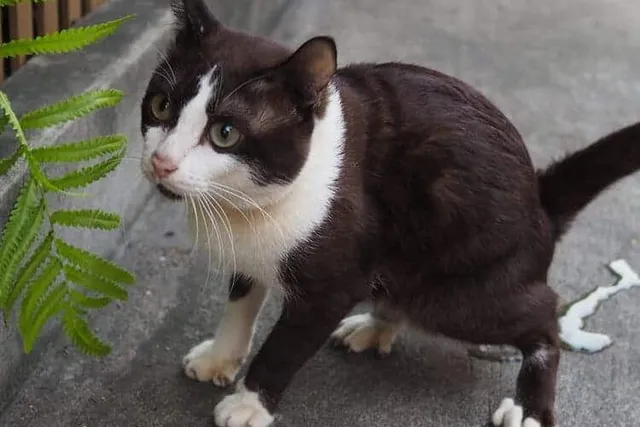
Signs that your cat could be suffering from FLUTD include:
If you have a male cat that is struggling to pass urine, this could be due to urethral obstruction, which is a medical emergency, so do not hesitate to contact your veterinarian. In all cases of feline urinary problems, your cat will need to be examined and their urine tested, so if you can obtain a urine sample at home, this can be extremely helpful.
How Is FLUTD Normally Treated?
The treatment for feline urinary problems will depend on the underlying cause. If an infection is present, your cat will need antibiotics, and in most cases, anti-inflammatories will be given to alleviate your cat’s pain and discomfort. If there are stones or crystals present in the urine, specific medications and prescription diets are often needed to dissolve the crystals, and surgery may be required to remove any larger stones.
What Can I Do to Treat UTIs and FLUTD at Home?
The most important step is getting a proper diagnosis from your vet. If infection is present, antibiotics will be needed to eliminate any bacteria; otherwise, there is a high chance that the infection will remain and could potentially travel to the kidneys.
If your cat has been treated for a UTI by your vet, has a history of FLUTD, or you would just like to know how you can best guard your cat against urinary problems, the list below is an ideal go-to guide. Read on to learn about 8 ways to protect your feline friend’s urinary tract from infection and keep their bladder happy and healthy.

The 7 Natural Home Remedies for Cats With FLUTD
1. Hydration
Hydration is the most important factor in treating and preventing FLUTD. Cats on a primarily dry food diet will typically drink more water than those eating more wet food, but studies have shown that many cats do not take in enough water to compensate for the lack of moisture in the food.
There are lots of ways to increase your cat’s water intake, such as:
- Our Recommendations: Best Cat Water Fountains – Catster’s Reviews & Top Picks
2. Diet

Wet food is one of the easiest ways to help keep your cat hydrated, which helps their kidney and bladder health, so spending a bit more on a high-quality diet can go a long way to support not just their urinary tract but their overall health. Look for foods that mention St/Ox or urinary tract support on the packaging.
As mentioned above, cats that eat a predominantly dry kibble diet are more likely to suffer from chronic dehydration because the feline digestive system is geared toward eating fresh or raw meat, and they aren’t the most efficient drinkers—just take a look at this!
3. Supplements
You might be aware that foods like cranberries can have a natural acidifying effect on the urine, reducing the risk of infection and crystal formation. However, convincing your cat to enjoy cranberries is not going to be easy, and cranberry juice contains far too much sugar to be safe. Fortunately, there are cat-friendly supplements that have similar benefits.
Joint supplements can actually be highly beneficial to our cat’s urinary tract health. N-acetyl glucosamine and hyaluronic acid are key components of the protective GAG (glycosaminoglycan) layer, which lines the bladder wall, and supplements that include these ingredients can help protect your cat from FLUTD. It can be a bit tricky to find products that contain these particular ingredients, but Cystease is specifically designed for this very purpose, and we’ve also found this one from Paramount Pet Health.
Be sure to check with your vet before giving your cat any supplements, as not all products will be suitable for every condition or situation.
- Catster Recommends: Best Vitamins for Cats – Our Reviews & Top Picks
4. Keep Your Cat Calm and Avoid Stress

One of the most significant factors that influence FLUTD is stress. Feline stress isn’t always obvious but can be caused by a change in the environment, the addition of new pets or family members, noises outside, or lots of activity indoors. If you have a timid cat, one that likes to hide away, or you are expecting some upheaval in your home, it’s worth implementing some calming strategies such as providing plenty of beds and hiding places at different heights while also using pheromone diffusers or calming products.
Those caring for anxious cats understand the struggles and discomfort that their companions feel on a daily basis. The innovative bowl shape of the Hepper Nest Bed provides nervous pets with support and its high sides offer a sense of security, diminishing stress and worry. To learn about how to the Hepper Nest can provide solace to your cat, click here.

- COMFY KITTY - Your cat or kitten will have an amazingly deep sleep in this self warming, nesting cat bed. The warm, fluffy cat bed lining provides calming stress relief for cats of all ages.
- PRETTY HOME - This round cat bed has a modern and unique design that’s perfect for a sleek indoor look. We don’t think of it as cat furniture but think of the Cat Nest as a “cat home”.
- SPACE SAVER - Reclaim your desk, window sill, or couch from kitten encroachment. This calming nest cat bed has an elevated, space-saving hideout so comfortable your kitty can't resist!
At Catster, we’ve admired Hepper for many years and decided to take a controlling ownership interest so that we could benefit from the outstanding designs of this cool cat company!
5. Litter Hygiene
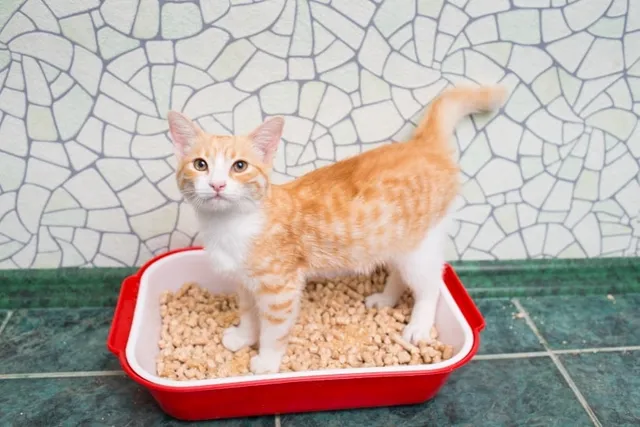
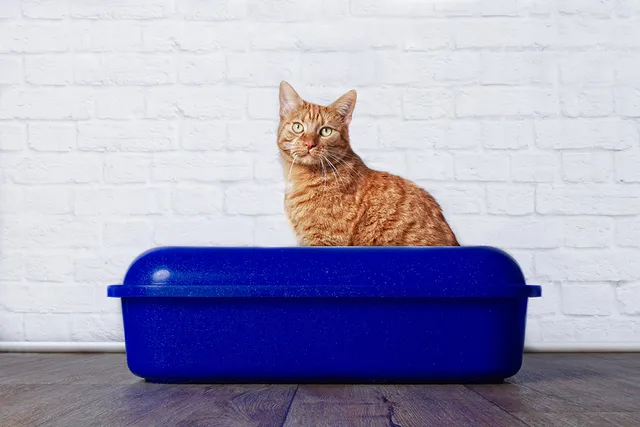
It’s always important to keep your cat’s litter clean. Every litter box should be scooped out daily and fully changed over at least once a week. The most common cause of UTIs in cats is an ascending infection from fecal contamination, so if your cat has to squat in soiled litter, there's a good chance that an infection will follow.
Some cat litters are dustier than others. Cheap clay litter tends to throw up quite a cloud of dust, and some wood-based pellets can also get a bit dusty. Aim for litter that is reliably low or no dust. The reason for this is that litter that kicks up more dust can lead to more particles attaching themselves to your cat's fur and nether regions, increasing their risk of contamination and infection.
Tip:
6. Use Health-Monitoring Cat Litter

There are some very clever types of crystal cat litter that contain color-changing crystals that indicate changes in pH and the presence of blood. Although this will not give you a specific diagnosis, it can provide an early indication of a problem, allowing you to seek veterinary treatment, often before your cat shows any clinical signs.
7. Acupuncture
Yes, acupuncture! Cats are particularly responsive to this form of treatment, and in the case of FLUTD, it can address the stress, neurological, and urological components of this disease. You may need to look around for a vet who is able to perform acupuncture, but as this alternative therapy is becoming more widely accepted, you hopefully won’t have to look too hard.
Final Thoughts
Urinary tract infections are only one component of feline lower urinary tract disease, and infections will always need antibiotics to eliminate the bacteria. The majority of FLUTD cases are actually due to idiopathic cystitis, and the good news about that is that FIC can often be managed with the remedies listed above.
It is important to obtain a diagnosis from your vet any time your cat shows signs of urinary discomfort, even if they have a long history of one particular condition. Cats with a history of FIC, crystals, or stones can be predisposed to infection, so a urinalysis should always be performed.
By implementing some or all of the techniques on our list, you can hopefully prevent future infections and keep your cat’s urinary tract in perfect health.
Sources
Featured Image Credit: cunaplus, Shutterstock
Expert cat care, straight to your inbox
News, insights, and useful advice, delivered to you.

No spam — unsubscribe anytime.
By signing up, you agree to our Terms & Conditions and Privacy & Cookies Policy.
How useful was this post?
Click a star to rate. You can leave written feedback afterwards. (We read all feedback.)
Dr. Karyn Kanowski BVSc MRCVS (Veterinarian)
Dr. Karyn comes from Queensland, Australia, and has lived in the UK for the past 10 years. In 2010, she graduated from The University of Queensland School of Veterinary Science and also has a Bachelor’s degree in Zoology. She is passionate about using evidence, experience, and owner collaboration to provide the best solutions for pets, and believes in making reliable information about animal health accessible to all. Dr. Karyn shares her home with five cats, four dogs, and one husband. When she is not in the scrubs, she spends her time writing, gardening, and cleaning up pet hair!