How to Prevent Urinary Tract Infections in Cats: Our Vet Explains the Signs

Urinary tract infections (UTIs) are one of the more common issues seen in cats, especially as they age. A variety of factors influence this condition, including kidney disease, diabetes, obesity, sex (females are generally more prone to getting UTIs), and bladder stones.
A UTI is a bacterial infection in the bladder or urine. Sometimes, UTIs can involve the kidneys, as well. UTIs in people can be painful and can cause an increased frequency or urgency in urination, blood in the urine, and a change in the urine’s odor. Many of the signs are also seen in cats with UTIs.
With some knowledge of how to look for possible causes of UTIs, it may be possible to help prevent a UTI in your cat. Here are some tips about how to look for causes and signs that your cat might have a UTI, as well as how to prevent them.

The 5 Signs of Possible Urinary Tract Infections in Cats
1. Color Changes in the Litter
A definitive diagnosis of a UTI is done by your vet using a urine culture, in most cases. You may be able to collect a urine sample from a special litter at home, but contamination is common for samples collected that way, and it is not recommended. Most vets collect a sterile sample in the clinic through a process called cystocentesis.
For at-home monitoring, however, some litters show color changes that might be early indicators of your cat having a UTI. These can be good options if your cat has other issues that a UTI may make worse (e.g., chronic kidney disease) or if your cat is prone to UTIs to begin with. Even ordinary cat litter can show color changes if your cat has blood in their urine.

2. Overweight Cats Appear to Be at Greater Risk
Is your cat overweight? If so, being overweight increases the risk of cats developing a urinary tract infection. Anecdotally, this seems to stem from the fact that overweight cats may have more trouble grooming the perineal region (under their tail and around their butt), which can allow dirt, dried poop, litter, and other bacterial-laden items to accumulate and cause an infection in the urinary tract.
When monitoring your cat at home, see how often they try to groom the perineal region, even if they can’t reach it, since it can indicate the pain and discomfort associated with a UTI.
The good news is you can help prevent UTIs at home, especially if your cat is a larger size. And it’s simple! Using unscented, pet-safe baby wipes, clean the area daily with gentle washing and wiping. If your cat is long-haired, consider keeping the hair in that area trimmed a bit shorter to make it less likely for debris to stick to it.
3. Female Cats Appear to Be at Greater Risk
If your cat is female, watch for excessive licking of their perineum or vocalizing while urinating, which might be signs she has a UTI. Unfortunately, female cats have a shorter urethra, which is the tube that empties the bladder. Bacteria have a shorter distance to travel to infect the bladder, which makes urinary tract infections more common in female cats than males.
Unfortunately, not much can be done for prevention other than keeping a closer eye on your female cat’s urine and litter box habits.

4. Sticky Urine
Because diabetic cats often have spikes in their blood sugar, the sugar often ends up being filtered out by the kidneys. As a result, a diabetic cat’s urine contains higher amounts of sugar and can feel sticky. Sugar provides an ideal growth platform for many types of bacteria, which places diabetic cats at higher risk of developing urinary tract infections.
However, you can help prevent this by ensuring that your diabetic cat receives their insulin as prescribed. This ensures that your cat’s blood sugar is better controlled and, therefore, less available to spill into the urine, allowing bacteria to breed.
5. Shiny Urine
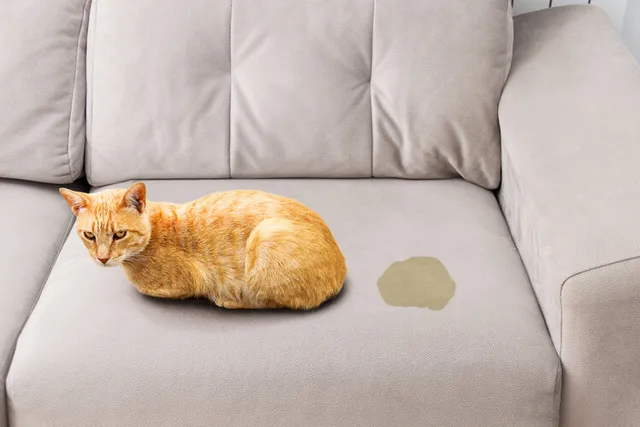
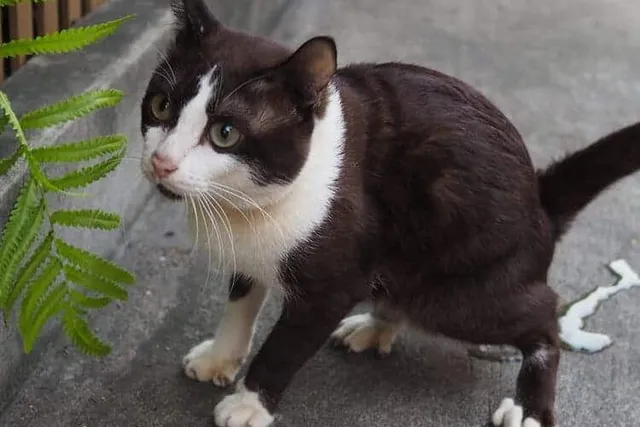
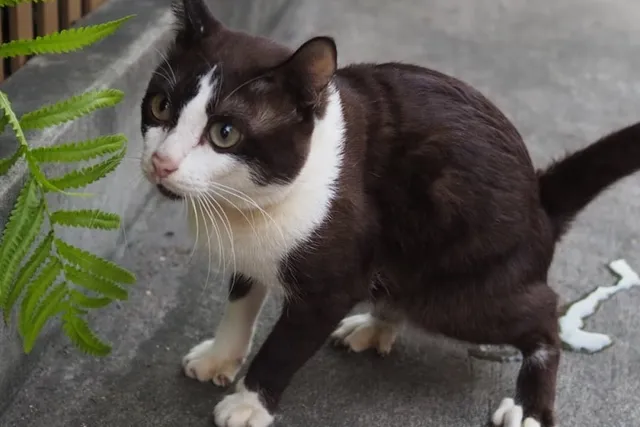
Crystals can form in urine and cause it to look shiny, especially as it dries. If you notice your cat’s urine looking shiny, they might have urinary crystals or bladder stones, which can be an underlying cause of a UTI.
If you think that might be the case, the next step is to ask your vet to do an imaging of your cat’s urinary tract through X-rays, an ultrasound, or both; some crystals and stones will not appear on one image but will on the other.


What Else Should You Know About UTIs in Cats?
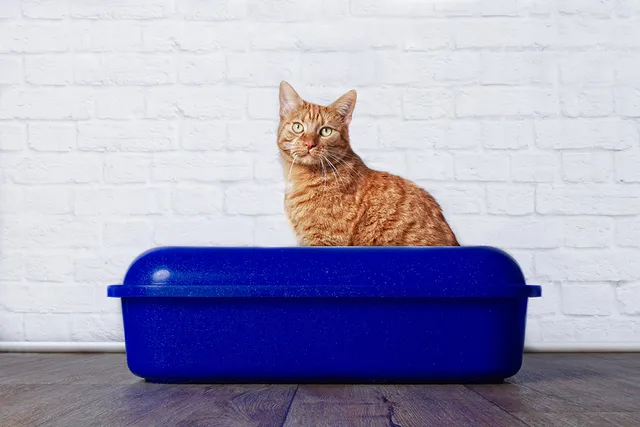
Fortunately, urinary tract infections aren’t contagious to other cats in the household! However, as a preventative measure, you should scoop the litter box daily and clean it monthly to maintain a sanitary environment.
If the litter box is over a year old, consider getting a new one as another way to keep things clean and fresh.
Are Home Supplements a Good Treatment Option for UTIs in Cats?
In recent years, a lot of attention in human medicine has focused on nutritional supplements to prevent various medical issues. For urinary tract infections, two have received particularly close attention: polysulfated glycoaminoglycans (PSGAGs), and cranberry supplements.
PSGAGs are found in the wall or lining of the bladder and are believed to play a protective role in creating a barrier that makes it difficult for bacteria to adhere to the bladder surface. In humans, sometimes, they are placed directly into the bladder via a catheter to help with UTIs, though it is not commonly done in veterinary medicine.
Instead, some vets will recommend oral or injectable forms of PSAGs as a possible preventative measure. Similarly, cranberry is believed to have some possible protective benefits in preventing UTIs in humans, though the research is a bit mixed on how effective it is. There are a few supplements made specifically with cranberry extracts designed to help prevent UTIs in cats, and they may be worth considering and asking your vet about for your cat.
Conclusion
While urinary tract infections in cats are infrequently life-threatening and generally very treatable, it is worth knowing what signs to look for, what can cause them, and which preventative measures exist. Urinary tract infections aren’t normal, so definitely contact your vet if you have concerns that your cat may be experiencing one.
If your cat has repeated UTIs, it is time to look for other causes, such as urinary stones or crystals contributing to repeat infections or making the initial infection difficult to treat.
Armed with knowledge and a good relationship with your vet, tackling UTIs head-on is possible!
See Also:
Why Is My Cat Peeing Blood? Our Vet Explains Causes, Treatments & FAQ
Feline Lower Urinary Tract Disease: Our Vet Explains the Causes, Signs & Treatments
Sources
Featured Image Credit: Tiplyashina Evgeniya, Shutterstock
Expert cat care, straight to your inbox
News, insights, and useful advice, delivered to you.

No spam — unsubscribe anytime.
By signing up, you agree to our Terms & Conditions and Privacy & Cookies Policy.
How useful was this post?
Click a star to rate. You can leave written feedback afterwards. (We read all feedback.)
Dr. Joanna Woodnutt BVM BVS (Veterinarian)
Joanna is an experienced veterinarian working in the UK. She has written about pets and their health for many blogs, pet magazines and pet websites and loves to help readers understand their pets through her writing.
She has started her own freelance company so she can help more pet parents than just the one standing in front of her in a consultation room.
She enjoys teaching and educating clients, so a career in writing, public education and pet health is the perfect combination for her.