Get

In Your Inbox

Catster is reader-supported. When you buy via links on our site, we may earn an affiliate commission at no cost to you. Learn more.

How Do Cats Show Sadness? 8 Vet-Verified Ways

Share

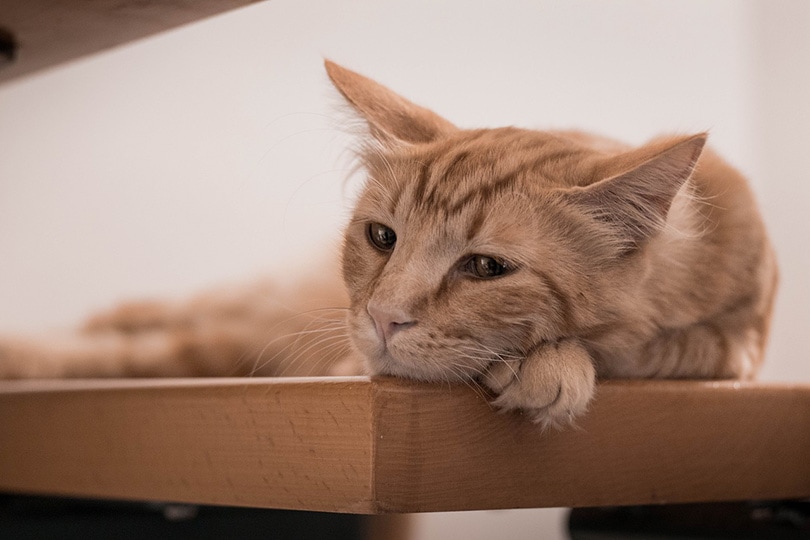
sad looking cat lying on a table

Many of us who love cats are drawn to their independent and aloof natures. Compared to their canine counterparts, it can sometimes be a challenge to know what your feline buddy is thinking and feeling. Don’t mistake their chill vibe for a lack of emotion—cats experience a wide range of feelings much like their humans do.

If you’re wondering whether your cat is feeling down, remember that they are social creatures that show us what’s on their sweet little minds through their actions. Here are a few behaviors that could indicate that your cat is feeling sad or depressed and needs intervention and support from you.

divider cats oct 2024

The 8 Common Ways Cats Show Sadness

1. Loss of Appetite

One of the most common and recognizable signs of a sad cat is a loss of appetite. When a cat is feeling blue, they may refuse to eat or drink water, even if they are usually enthusiastic eaters. Even trying a new food doesn’t seem to entice them. Over time, this can lead to weight loss and weakness, which can further exacerbate their low mood. Chronic and long-term refusal of food and drink does not take long to become an emergency issue for your pet.

cat not eating
Image Credit: plew koonyosying, Shutterstock

2. Lethargy

Sad cats may also display a lack of energy or enthusiasm for their usual activities. Fewer zoomies and fewer romps with favorite toys can mean that your cat is not in their usual emotional place. They may spend more time sleeping or lounging and may not be as interested in playing or exploring their surroundings as they usually are. This can be a sign that they are feeling down or depressed.


3. Changes in Interaction

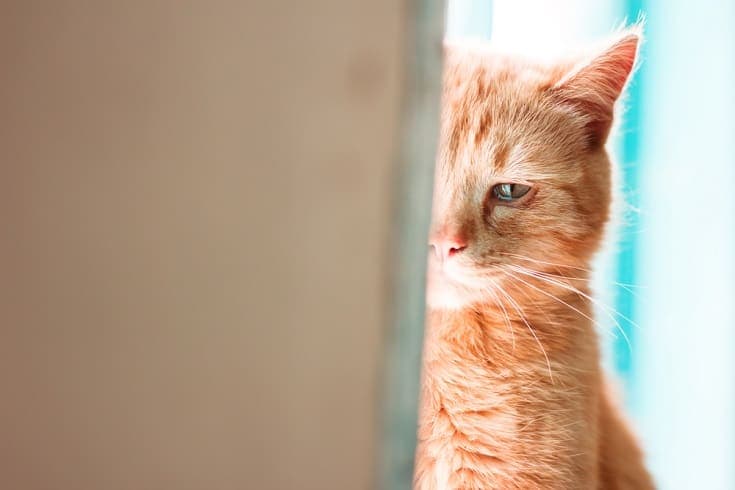
Just like humans, a depressed cat may shy away from their humans and other animals in the house. Cats are known for their independent nature, but a sad cat may become even more withdrawn and isolated. They may find new hiding spots and avoid interaction with their human companions or other pets in the household. A depressed or stressed cat can also become clingier than usual, maybe following their owner from room to room or wanting more lap time and cuddles than usual.

sick ginger cat
Image Credit: JumpStory

4. Changes in Grooming Habits

Some cats may cope with sadness or stress by engaging in excessive grooming. While felines are usually fastidiously clean creatures, you may notice even more time spent grooming than usual. Excessive grooming can lead to patches of hair loss and skin irritation/rashes. This behavior may be a sign that your cat is feeling anxious or unhappy. Alternatively, your cat may spend less time grooming, resulting in mats and knots in their fur. Any change in grooming can mean something different is going on for your kitty.


5. Vocalization

Cats may vocalize more or less when they are feeling sad or stressed. They may meow or yowl more than usual, or they may make other sounds that indicate distress or discomfort. This can be a sign that they are seeking attention or comfort from their human companions. Interestingly, purring doesn’t always connote positive feelings. Excessive purring can mean your cat is trying to soothe or comfort themselves from emotional or physical pain.

cat marking and meowing
Image Credit: dimitrisvetsikas1969, Pixabay

6. Change in Sleeping Patterns

Sad cats may also display changes in their sleeping patterns. They may sleep more or less than usual and may have trouble settling down at night. This can be a sign that they are feeling anxious or uncomfortable.


7. Litter Box Issues

Changes in litter box behavior can be caused by physical and mental problems and can be a sign that a cat is feeling sad or stressed. They may start using the litter box more frequently or less frequently, or they may start going outside the litter box. Litter box changes can also be a sign of a urinary tract infection or another serious medical issue. It is vital to get them to a vet if your cat is urinating or defecating outside of their litter box.


8. Aggression or Destructive Behavior

In some cases, a sad or stressed cat may display aggression or destructive behavior. They may scratch furniture or other household items, or they may lash out at their human companions or other pets in the household with hisses and lots of tail swishing. A sudden bite, swipe, or scratch from a usually chill kitty can be surprising to their owner and should be a call to be extra attentive and observant. Aggressive and destructive behavior can be a sign that your cat is in pain or discomfort, overwhelmed, or frustrated.

divider cats oct 2024

Conclusion

In conclusion, cats may display sadness in various ways; they feel things more deeply than we commonly assume that they do. While we may be different in many obvious ways, humans and cats share emotional ups and downs as life changes. It is important to monitor your cat’s behavior and take them to the vet if there are any concerns about their physical or emotional health. A trusted vet can help you figure out the cause of the changes in your cat’s behavior and habits.

As always, providing kitties with a calm and nurturing environment and spending quality time with them can help alleviate their sadness and improve their overall well-being.


Featured Image Credit: avi_acl, Pixabay

Want content like this delivered to you?

Sign Up For Our Newsletter

News, insights, expert advice, and everything cat

* By submitting, you agree to our Terms & Conditions and Privacy & Cookies Policy.


How useful was this post?

Click on a star to rate (you can leave written feedback after clicking submit)

Help us improve Catster for pet parents!

Your feedback really matters.

What did you like about this post? Also how can we improve it?

Join the conversation

2 Responses

  1. love reading the caster. magazine articles. so i went on ahead, and signed up for the email so i can get. emails, from caster. love having kitty cats smole 5 months old. maxwell, 5 months old rescued the little kittrn maxwell, he was just 6 weeks old i do believe when i. found rhis sweet kitten. and lily waa a rescue in 2018, she is a sweet kitty cat. was just 3 or 4 months old. when, i rescued lily, and tuxie waa also a rescue cat, at 4 or 5 months old. he is now 2 years old. i have had cats since ags 4 yrs old, so since december of 1990, we had perscilla for 24 yrs 1990 to 2010. persley 1990 persley, was 8 yes old ,when. we moved iinto our home in fhe bay area, lived fhere for 20 yrs old, 19i86 to 2004, have been living here in fresno, forr 20 yrs now..

Leave a Reply

You’re very welcome to leave a comment or question. Please know that all comments must meet our community guidelines, and your email address will NOT be published. Let’s have a positive and constructive conversation.


Catster's Digital Magazine is Back!

Vet-approved health & behavior advice

Real cat stories & community features

Your Cat Isn’t Picky – Their Nose Is Just Bored

If you’ve ever sighed while scraping uneaten cat food into the trash, you’re certainly not alone. Many cat owners know the routine: their...

Ask Dr. Paola – Help! My Kitten Won’t Use the Litter Box! (July 27, 2026)

Welcome to our “Ask Dr. Paola” series, where every Monday we bring expert advice straight from Dr. Paola Cuevas (MVZ) to help our...

Chatting with Petra Luna About CatCrazy, Cat Food Ingredients & The Secret of E-Beams | Chatty Cattys, Episode 28

In this episode of Catster’s Chatty Cattys podcast, Nicole and Dr. Karyn welcome back Petra Luna from CatCrazy to catch up on her...

According to Vets, Most Owners Miss These Signs That a Cat is Sick

Cats are famously good at hiding discomfort. It is not stubbornness or indifference; it’s a deeply ingrained survival instinct. In the wild, showing...

More related

How to Give a Cat a Bath (Without Getting Scratched): Expert Tips & Tricks

If you have owned a lot of cats, you know how much they hate water. If you are a new pet owner, you...

Chocolate Point vs Seal Point Siamese Cat: Key Differences (With Pictures)

A colorpoint cat is one that has light-colored fur with darker-colored ears, face, feet, and tail, which are referred to as the points...

Do Cats Like Hugs? Feline Preferences & Important Considerations (Vet Verified)

Cats are beloved pets known for their independent and enigmatic nature. While dogs often enjoy hugs and physical affection, the same may not...

6 Great Activities for Cats at the Beach & Vet-Reviewed Tips (With Pictures)

If you’re planning on taking a vacation or day trip to the beach, the idea of leaving your cat behind is difficult. While...

Keep reading

Do Abyssinian Cats Shed a Lot? Vet-Reviewed Care Facts

Compared to other cat breeds, the Abyssinian cat does not shed much. They have a short, dense coat, and if you brush them out about once a week, you should be able to keep their coat in good condition and...

abyssinian cat lying on bed

Why Is My Cat Squeaking Instead of Meowing? Vet-Verified Info & Reasons

Cats make all kinds of noises to communicate with their owners and each other. Some cats have resounding meows that owners can hear from around the house, and others will softly chirp or squeak to “talk”. All these noises are...

cat meowing

How to Bottle Feed a Kitten: Vet-Approved Tips & Feeding Chart (With Video)

Kittens are quite vulnerable and need a great deal of nurturing and care during the first few weeks of their lives. Generally, their mothers are capable of caring for them on their own. However, there are cases in which a...

bottle-feeding newborn kitten

Should I Spray My Cat With Water? 6 Vet-Reviewed Reasons Why You Shouldn’t

Many households use a spray bottle to deter pets from undesirable behaviors. While it may seem like it works at that moment and will certainly stop your cat from doing whatever behavior you don’t like, it’s not the best discipline....

hand spraying water from a bottle

6 Best Cat Foods for Hyperthyroidism in 2026 – Reviews & Top Picks

Hyperthyroidism is a disease that can negatively impact both humans and animals. Unfortunately, it is quite common among cats and can impact them enough to lessen their quality of life. This disease most frequently affects middle-aged and older cats causing...

siamese kitten eating from a stainless bowl

Can Cats Eat Chocolate Ice Cream? Vet-Reviewed Risks & Safe Alternatives

Cats are known for their curiosity, leading many of them to want to taste all kinds of human delicacies. As responsible cat parents, we need to be cautious when allowing our felines to consume specific foods; otherwise, our good intentions...

Can Cats Eat Chocolate Ice Cream

Can Cats Eat Beef Jerky? Vet-Approved Health and Nutrition Advice

Jerky has been around in human diets for millennia. Civilizations spanning the globe all have methods and recipes for drying and curing meat. It’s a great way to ensure that meat doesn’t spoil and lasts for extended periods. While jerky...

Can Cats Eat Beef Jerky

Why Does My Cat Sit By the Door? 5 Vet-Verified Reasons

To many cat owners, it may seem as if their beloved kitties intentionally and precisely plan their actions to confuse us! Many of our cats’ behaviors are obvious and easily understood, but there are still more that we may never...

cat-meowing-or-trilling-by-the-door

Love Cats? So Do We! Join the Catster Community

Stay informed with expert pet care insights delivered straight to your inbox! Discover professional guidance on animal behavior, feeding tips, trusted product picks, and much more.


Sign up for the Catster Email Newsletter

Stay informed with expert pet care insights delivered straight to your inbox! Discover professional guidance on animal behavior, feeding tips, trusted product picks, and much more.