How to Help a Grieving Cat: 6 Vet-Verified Helpful Tips



Figuring out why your cat acts the way they do can be a complicated matter. We know cats are different from humans, but they can experience some similar emotions. For example, most animal behavior experts believe cats can experience some degree of grief.
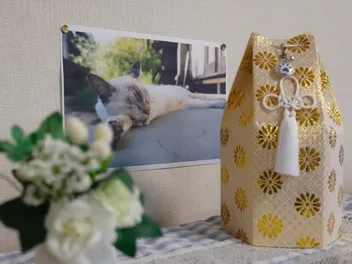
Not every cat will feel grief if they lose a feline or human companion, but those that do may take weeks or more to recover. In this article, you’ll learn how to help a grieving cat and spot the signs of grief in your kitty.

How to Tell If Your Cat Is Grieving
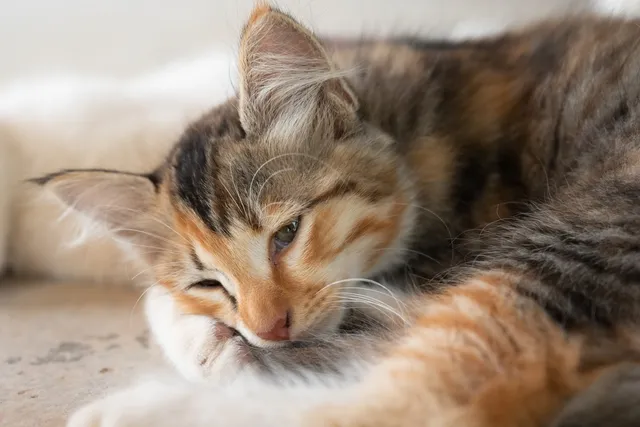
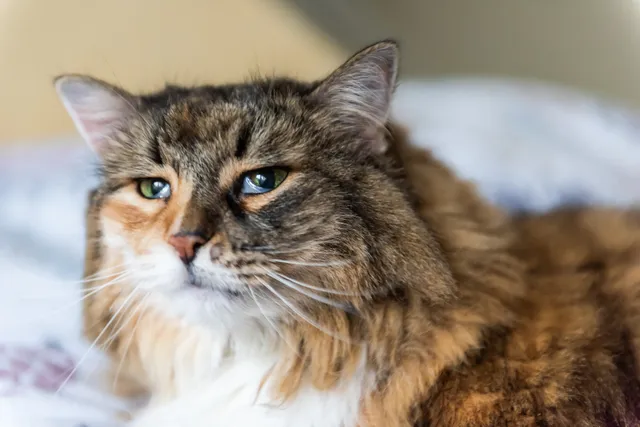
According to an ASPCA survey,1 65% of cats experience four or more behavioral changes that indicate grief. If your cat recently experienced a loss, especially of another pet, look for the following signs:
- Appetite changes
- Decreased activity level
- Excessive sleeping
- Depression
- Lack of interest in toys or normal routines
- Hiding or being extra clingy
- Vocalizing
Some of these behavior changes can also indicate a health problem. You should visit your vet to rule out any medical reason for your cat’s behavior.
The 6 Tips on How to Help a Grieving Cat
1. Keep Daily Routines the Same
As much as possible, keep your cat’s daily routine the same as they grieve. Your cat is already coping with a major upset in their daily life with the loss of the person or pet they were attached to. Familiar mealtimes, toys, couch time, and playtime can help them feel that at least some parts of their life are still the same.

2. Offer Extra Attention
Spend extra time with your cat during the grieving process. This attention will look different for every cat. Some might appreciate extra cuddles and being close to you.
Other cats might enjoy a new toy or increased play sessions. Special treats or extra kibble may help soothe your cat as well. Whatever the details, the goal is to reassure your cat that you’re there for them as they grieve.
3. Ignore Bad Behavior
Some cats deal with grief by turning to unwelcome behaviors, such as constantly yowling or meowing. Avoid unintentionally reinforcing this behavior, even if you dislike it.
Ignore the behavior you want to stop and interact with your cat only when they’re quiet or behaving appropriately. Reward the calm behavior with attention or treats. In time, your cat should stop the bad behavior.

4. Keep Your Cat Busy
Keeping your cat distracted and busy as they grieve can help them handle the process. Ensure your cat has plenty of toys, scratching posts, and perches.
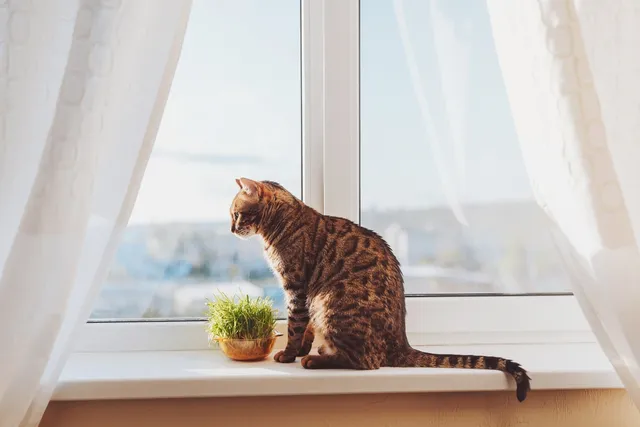
This step is crucial if you leave your sad kitty alone during the day. Consider leaving the TV on or placing a bird feeder outside so your cat can watch the birds. You could also hire a pet sitter to stop by during the day and spend time with your cat. Your cat might also enjoy visits from favorite human friends.
5. Be Affectionate
Show your grieving cat extra love. Talk to them more frequently during the day. Pet them or make eye contact often to let them know you care and are there for them. If your cat is hiding or staying out of sight, check in on them frequently, even if it’s only for a brief hello or quick ear scratch.

6. Ask for Help
If your cat seems to be struggling to cope with their grief, especially if it starts impacting their appetite, it might be time to ask for help. Your vet can suggest other strategies to help your grieving cat. They can also prescribe medications to help your cat deal with their emotions. If necessary, your vet may refer you to a cat behavioral specialist.
Will Getting a New Pet Help Your Grieving Cat?
While it can be tempting to bribe your cat out of their grief by getting them a new friend, it isn’t always helpful and may make matters worse. Adult cats don’t necessarily bond with new pets easily. A new pet also represents a significant change to their daily routine, which you should avoid as your cat grieves.
Adding a new pet can be a source of stress and anxiety, even for an emotionally stable cat. While you may want a new pet to help your sadness, consider whether it is the best move for your cat.

Conclusion
There’s no way to know how long your grieving cat will take to recover. Days, weeks, or even months might go by, depending on how attached your kitty was to the pet or person they lost. If you feel helpless to comfort your cat, try the six steps outlined in this article. Be patient with your cat, and remember to be kind to yourself if you are grieving, too.
Related Read: Cat Loss Quotes: Grieving & Coping with Pet Loss
Featured Image Credit: Zhuravlev Andrey, Shutterstock
Expert cat care, straight to your inbox
News, insights, and useful advice, delivered to you.

No spam — unsubscribe anytime.
By signing up, you agree to our Terms & Conditions and Privacy & Cookies Policy.
How useful was this post?
Click a star to rate. You can leave written feedback afterwards. (We read all feedback.)
Elizabeth Gray is a lifelong lover of all creatures great and small. She got her first cat at 5 years old and at 14, she started working for her local veterinarian. Elizabeth spent more than 20 years working as a veterinary nurse before stepping away to become a stay-at-home mom to her daughter. Now, she is excited to share her hard-earned knowledge (literally--she has scars) with our readers. Elizabeth lives in Iowa with her family, including her two fur kids, Linnard, a husky mix and Algernon, the worldʻs most patient cat. When not writing, she enjoys reading, watching all sports, and spending time outdoors with her family.