Why Is My Cat Laying On Me All of a Sudden? 12 Vet-Reviewed Reasons


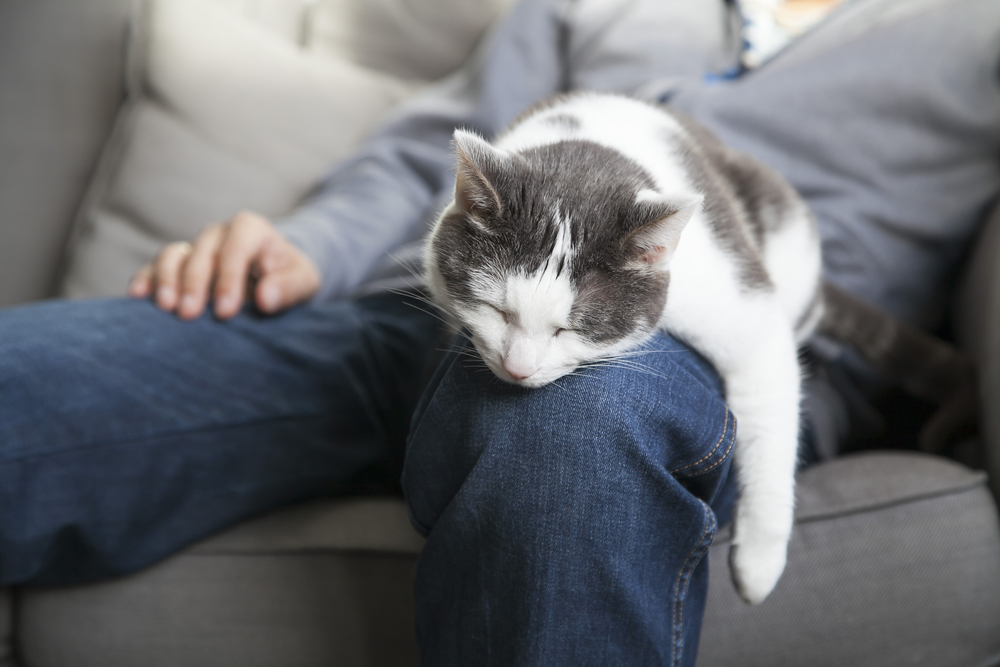
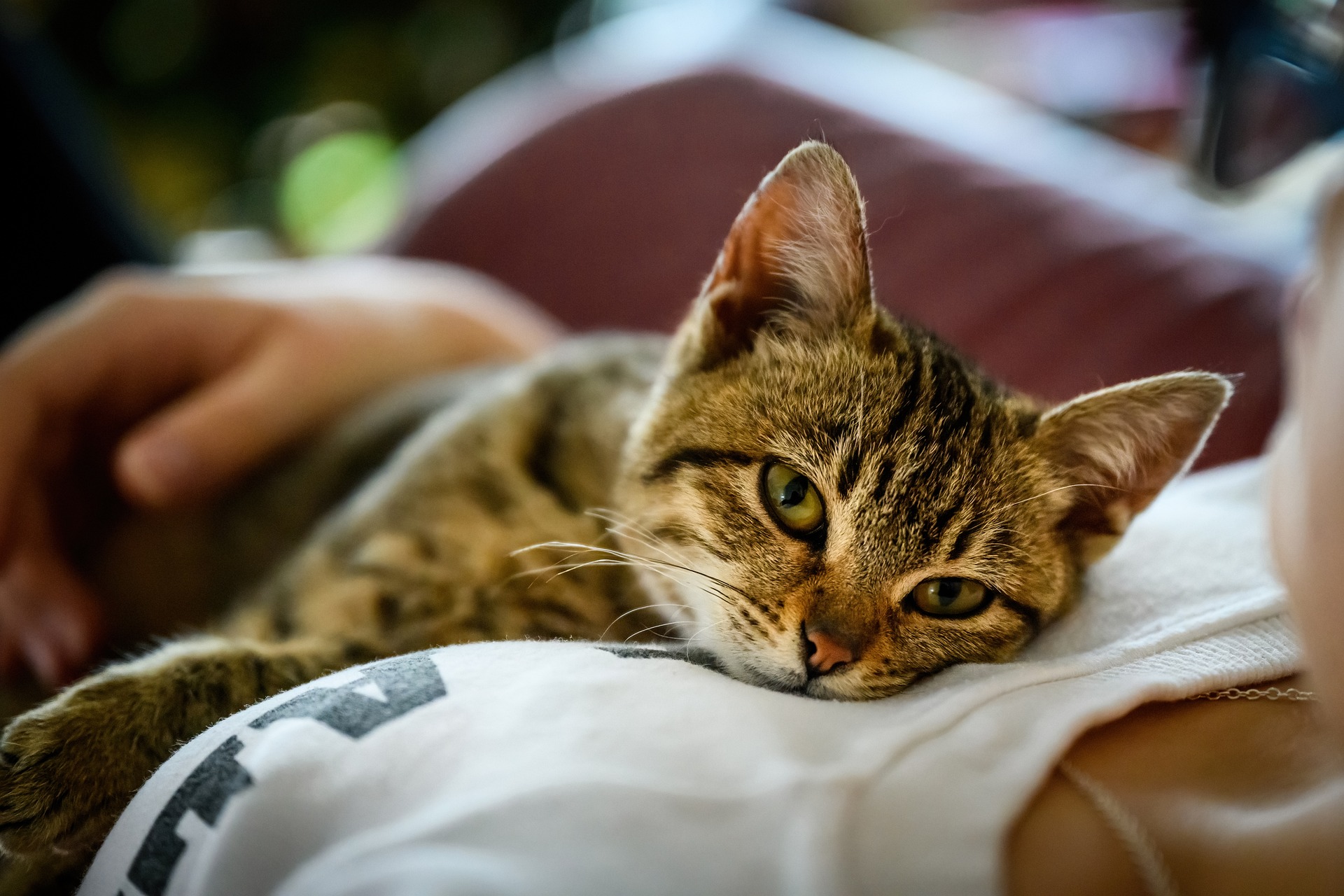
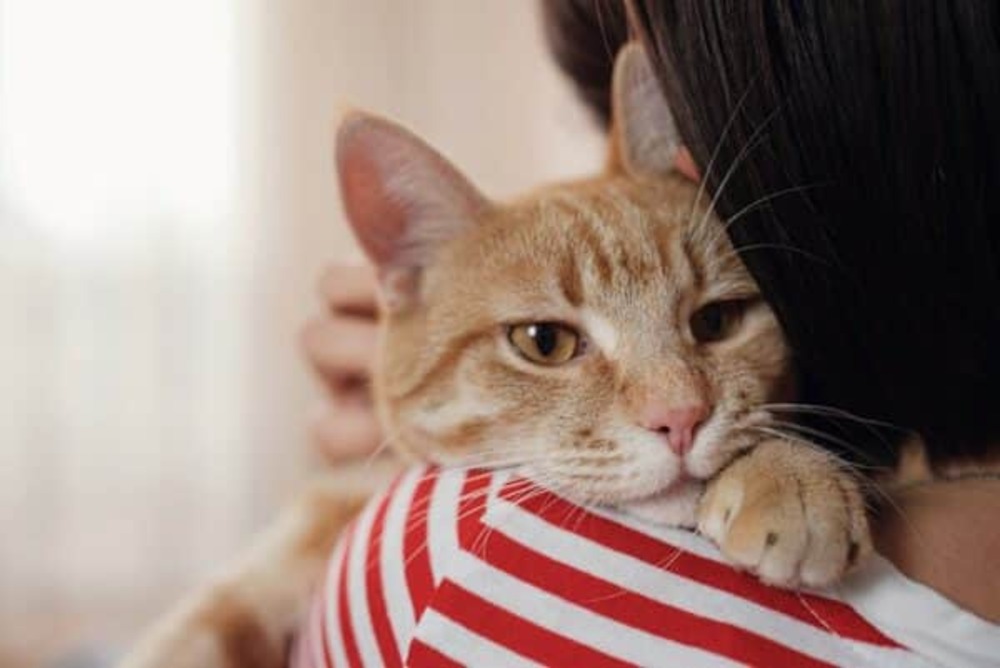
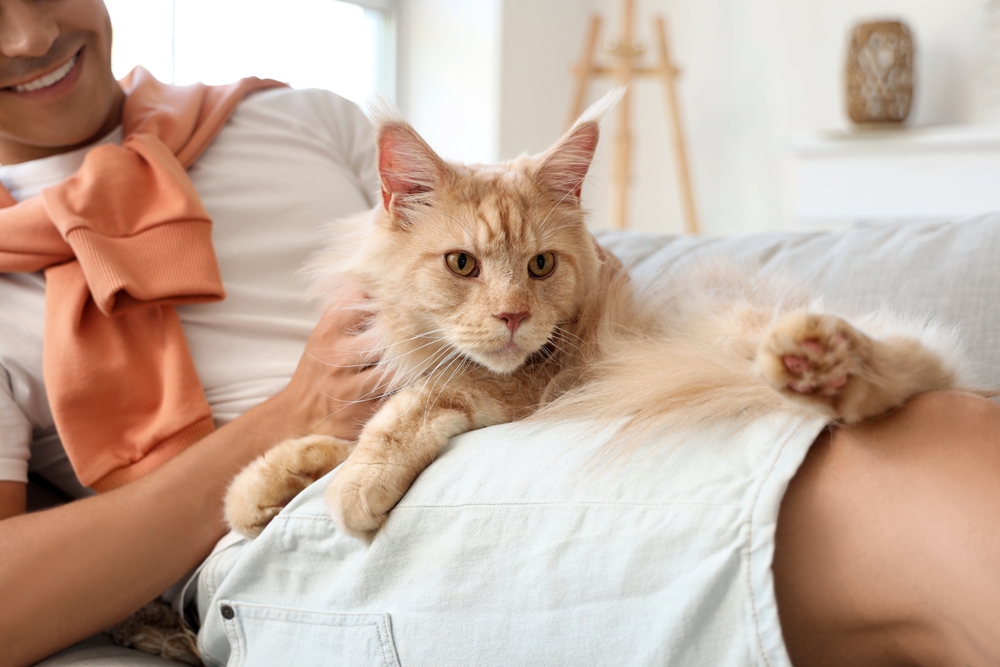
If you have a standoffish cat or one that simply doesn’t care much for snuggling, it can be special when your cat suddenly attempts to lay on you or cuddle with you. However, it can also be a sign that something may be a little bit off. After all, there are multiple reasons why your cat may be suddenly clingy or wanting to be so close to you, from a medical problem, stress, or anxiety to attention seeking or a sign of affection.
To help you better understand why your cat is laying on you all of a sudden, we’ve put together the most likely reasons for this new behavior, but, of course, this list is not exhaustive.

The 12 Reasons Why Your Cat May Be Lying on You All of a Sudden
1. Trust
Suddenly wanting to lay on you and be near you can be a sign that your cat has developed a strong sense of trust for you. This is most likely to occur if your cat has been adopted or has been through a trauma, and they have finally settled in and learned to associate you with a safe and secure place. For some cats, it can take a long time to trust people, and some cats may never fully trust you in this way. To earn your cat’s trust, make sure to spend quality time creating positive associations through meals, treats, and play, and let them choose the pace without forcing them.

2. Affection
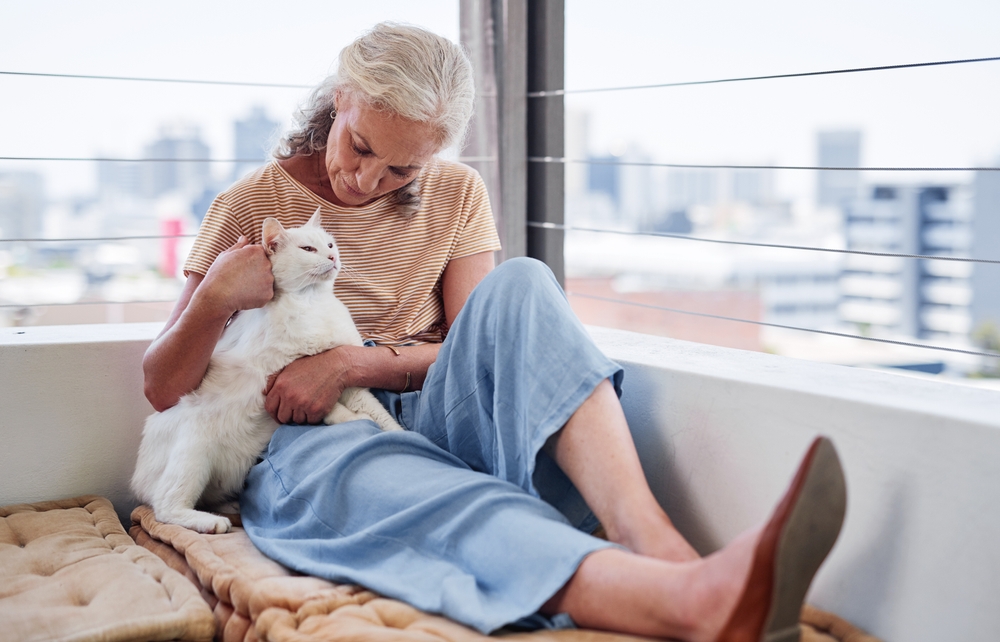
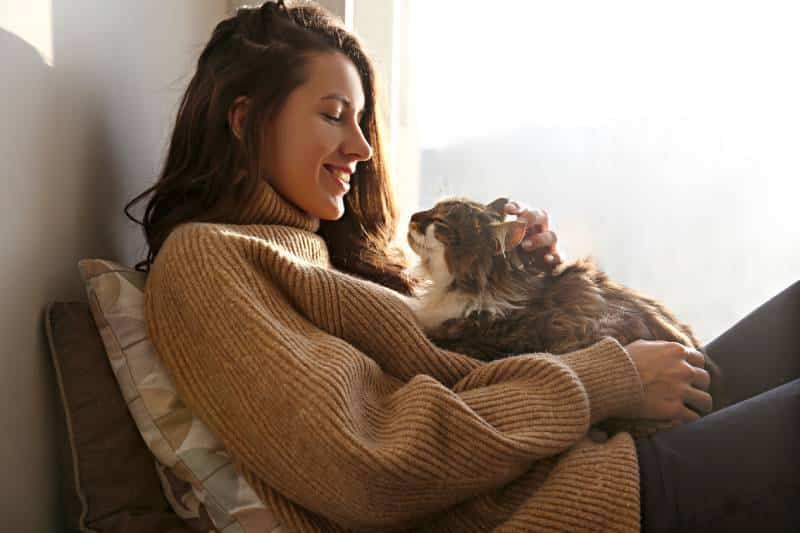
Some cats are far more cuddly than others, and it may just be that your cat has decided that lying on you is how they’re going to show affection. Cats seem to have a good sense of our emotions by picking up on auditory and visual cues, and are more likely to be extra affectionate when they feel you are relaxed and calm rather than stressed or sad.1 If your cat chooses to show you affection in this way, make sure not to ruin the moment, so to speak, by doing things that annoy or frustrate your cat.
3. Warmth
Cats have a higher baseline body temperature than humans do, and they’re always seeking out warm, cozy spots like sunbeams and fireplaces. Some cats choose to lay on humans to acquire extra warmth because this is an easy way to stay comfortable. If it seems like your cat snuggles with you to achieve warmth regularly, you may consider providing other warm spaces or increasing your house’s temperature. After all, you aren’t always available to help your cat get warm and cozy.
However, if your cat also seems quieter or lethargic or has a lack of appetite, it may also be a sign that they’re not feeling well and should be checked out by a vet.

4. To Comfort You
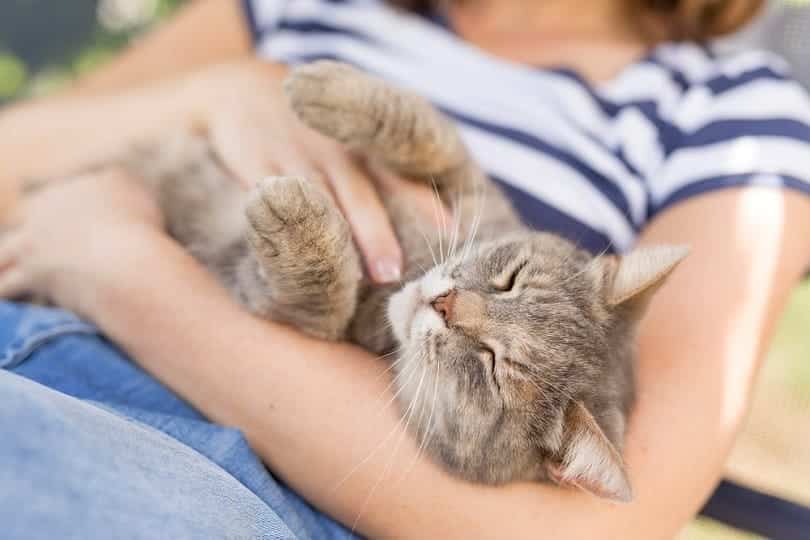
Cats are intelligent and social creatures, and they are capable of being in tune with our emotions and how we’re feeling in general. If you’re sick or going through a tough time, your cat may choose to start lying on you as a way to provide comfort and calm to you. A cat’s gentle purring on your chest can be a reassuring and soothing experience, and it may help people feeling down or depressed.2 Although cats seem quite neutral to our moods when they’re not in too close contact with us, it seems that they may show an intent to engage more frequently in social interactions with depressed humans.
5. You’re Pregnant
This may be anecdotal at best, but many women swear that their cats became more cuddly when they were pregnant. Some people even swear that their cats seemed to know they were pregnant before they themselves knew. It’s certainly possible that cats can sense the changes in hormones and scents the body emits that occur during pregnancy.

6. They’re Pregnant or In Heat
If you have an intact female cat who suddenly becomes more snuggly, then she could be pregnant or experiencing her heat cycle. Cats who are pregnant or in heat experience rapid shifts in their hormones, and they may begin to exhibit unusual behaviors. They may start urine spraying or yowling or become more cuddly and subdued. If you have an intact female cat that begins to become more snuggly, it might be worthwhile to discuss the behavior change with a vet to rule out her heat cycle or pregnancy. Consider getting her spayed before accidental pregnancy occurs, as cats are the greatest escape artists.
7. Pain
If your cat is experiencing pain or discomfort, they may seek out your affection in an attempt to help them feel better. In much the same way that our cats can provide comfort to us when we aren’t feeling well, some cats may seek out their humans when they aren’t feeling well. Snuggling with their people may release happy chemicals in your cat’s brain, helping them feel some level of decrease in their discomfort. However, if you suspect your cat is experiencing pain, a vet visit is in order to determine the cause.
8. Marking Territory
Your cat wants a few things more in life than for you to smell like you belong to them. The reason that cats are constantly rubbing on us and our things is to mark their territory. Cats have multiple scent glands spread across their bodies, which allow them to easily and quickly mark their territory. By snuggling with you, your cat may be seeking to leave plenty of their scent and pheromones behind to let any other cats in the area know that you belong to them.
9. Old Age
Older cats may become more cuddly for a variety of reasons. Not only are older cats more likely to experience underlying illness, age-related confusion and cognitive dysfunction, pain, discomfort, and stiffness, but they may also just want a comfortable and reassuring spot to spend time. Aging can bring about a lot of significant changes for your cat, and finding safety and comfort in your lap may be their favorite way to manage their uncertainty about their changing body and situation.
Keep in mind, though, that age is not a disease, pain and discomfort are not a normal part of aging. If you suspect your cat is experiencing difficulty with their aging, talk to a vet about the options to maintain your cat’s quality of life.
10. They’re Sick
In much the same way that your cat may snuggle with you when you aren’t feeling well, they may also seek you out for snuggles when they aren’t feeling well. This can be a combination of many of the above factors, like pain, insecurity, trust, and warmth. Different illnesses can bring a variety of signs in cats, and while many cats may resort to hiding and being withdrawn from their owners, some will seek extra attention and become clingy. If there is any chance your cat may be ill, consult a veterinarian as soon as possible.

11. Attention Seeking
Some cats never feel like they’re getting enough attention, even if you spend hours every day with them. Other cats may spend most of the day alone by choice. Both of these types of cats may seek you out for attention. One of the easiest ways for your cat to get your attention is to climb into your lap. An attention-seeking cat may need more time with you, or they may need new or different toys, puzzles, and games to keep them entertained and mentally stimulated. Either way, be prepared to make some changes, even small ones, if you feel like your cat’s sudden cuddliness is related to attention-seeking behavior often caused by frustration or boredom.
- Our Recommendation: Best Cat Toys – Catster's Reviews & Top Picks
12. Anxiety and Stress
Just like with people, cats can experience insecurity and stress. This is especially common if there have been significant changes in the household, like the arrival of a baby or new pet, or if your cat has experienced any kind of stressful event. An insecure cat may want to snuggle with you as a way to reassure themselves that they are safe, especially if they have a very strong bond with you. You may also see insecurity and uncertainty in kittens that have recently been separated from their mother and littermates.

If your cat is used to you being at home a lot and doesn’t cope well with changes in their routine, or in case of your sudden or prolonged absence, this may cause them stress and anxiety. An anxious cat may seek you out for cuddling more than expected in normal circumstances. This may also happen with short-term fear and anxiety, like the presence of loud noise or work being carried out in your home, or with long-term issues, like multicat household dynamics or a high-stress home environment, such as with a new baby, new pet, or other significant changes. Either way, you need to find ways to ease your cat’s anxiety and predict any potentially stressful events well ahead of time by using pheromone diffusers and ensuring a quiet and peaceful resting spot for your kitty. Medications from a vet can be beneficial to managing your cat’s anxiety, but you should also look into changes you can make in your home to help your cat feel safer and less anxious, like providing more healthy outlets for energy, more quiet spaces, and high-up places for your cat to spend time.
Those caring for anxious cats understand the struggles and discomfort that their companions feel on a daily basis. The innovative bowl shape of the Hepper Nest Bed provides nervous pets with support and its high sides offer a sense of security, diminishing stress and worry. To learn about how to the Hepper Nest can provide solace to your cat, click here.

- COMFY KITTY - Your cat or kitten will have an amazingly deep sleep in this self warming, nesting cat bed. The warm, fluffy cat bed lining provides calming stress relief for cats of all ages.
- PRETTY HOME - This round cat bed has a modern and unique design that’s perfect for a sleek indoor look. We don’t think of it as cat furniture but think of the Cat Nest as a “cat home”.
- SPACE SAVER - Reclaim your desk, window sill, or couch from kitten encroachment. This calming nest cat bed has an elevated, space-saving hideout so comfortable your kitty can't resist!
At Catster, we’ve admired Hepper for many years and decided to take a controlling ownership interest so that we could benefit from the outstanding designs of this cool cat company!
Final Thoughts
If your cat suddenly becomes cuddly out of the blue, then you may want to evaluate other indications of potential problems that may be present and seek veterinary advice. Some cats may simply learn to trust you, or maybe the weather has changed and they’re just looking for a warm spot.
Many cats that have not previously been cuddly may suddenly become cuddly if they are experiencing illness, anxiety, insecurity, pain, or any other difficulty. All of these are reasons you should reach out to a vet to get a diagnosis and treatment options and ensure your cat’s quality of life is good.
Sources
Featured Image Credit: Kuiper, Shutterstock

Expert cat care, straight to your inbox
Vet-reviewed advice, behavior tips, and the best of Catster. Free, and you can unsubscribe anytime.
By signing up, you agree to our Terms & Conditions and Privacy & Cookies Policy.
Brooke Billingsley, a former veterinary assistant for nine years, became a nurse in 2013. She lives in Arkansas with her boyfriend of five years, surrounded by her beloved pets: three dogs, two cats, five fish, and two snails. Brooke has a soft spot for special needs animals, caring for a three-legged senior dog and a widely known cat with acromegaly and cerebellar hypoplasia. She has developed a keen interest in fish keeping and is always learning how to provide the best environment for her aquatic pets. In addition to her passion for animals, Brooke enjoys gardening and maintains a vegetable garden during the summer. She stays active with yoga and received her 200-hour yoga teacher certification in 2020. Brooke also hosts a podcast that delves into folklore and myth, dedicating her spare time to research and writing. She embraces the philosophy that every day is an opportunity for learning and growth, continually working to acquire new skills and knowledge.
Join the conversation
Ask a question, share your story, or send private feedback.