Why Are Some Cats Lap Cats While Others Aren’t? Vet-Reviewed Reasons


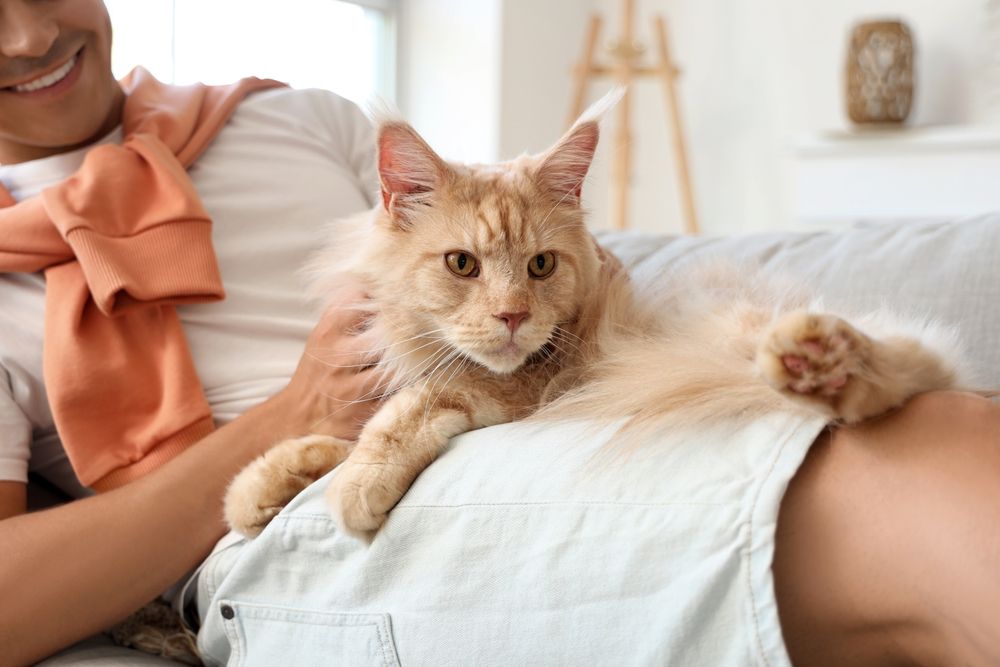
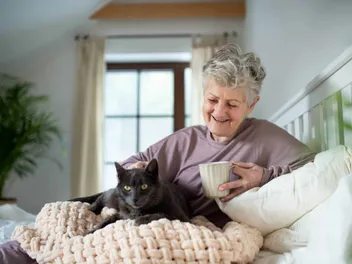
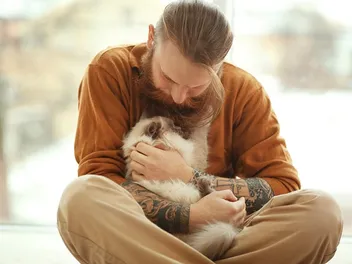
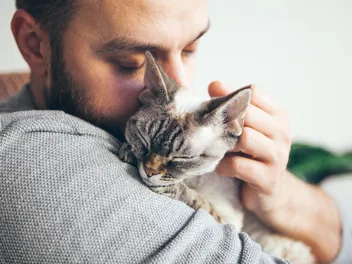
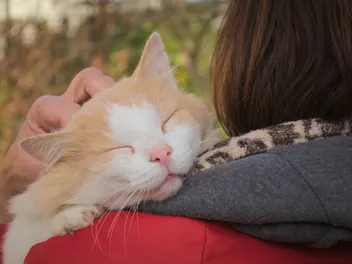
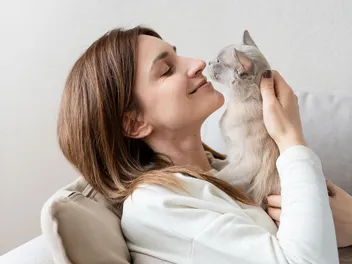
Every cat has their own unique personality and preferences. This is why some end up being natural lap cats, others will learn to be lap cats, and still others will never be lap cats. More research on feline behavior has to be done to provide more definitive answers to why some become lap cats while others don’t. However, it's possible that some cats don't become lap cats because being held is an unnatural feeling for them.
So, if your cat doesn't like sitting on your lap or cuddling, it doesn't necessarily mean that your cat doesn’t like you. It's more of a preferential thing, and your cat most likely would rather bond with you in other ways.

The 3 Reasons for Cats Being Lap Cats
There aren’t any definite factors that will cause cats to become lap cats. However, the following factors may play a role in driving your cat to become comfortable sitting on your lap.
1. Breed and Genetics
Your cat's breed and genetics can play a role in determining if they become a lap cat. Specific breeds have general temperaments that you can expect from them, and some can be more affectionate than others.
The following cat breeds are commonly known to be more affectionate:
Research shows that some cat behaviors are hereditary, so if a cat has social parents, there’s a higher chance that they will also have a social personality.1

2. Seeking Warmth
Some cats may prefer being lap cats because they're seeking warmth. Cats typically prefer warmer temperatures and like being in rooms between 80°F and 90°F (26.6°C and 32.2°C).2 This temperature is often not preferred for humans, and since we control the thermostat, our homes may be at a temperature that might be slightly chilly for cats.
While cats can live just fine in homes that are set to around 70°F (21.1°C), they're more likely to want to find warm spots and rest there. This is why you'll often find cats sunbathing, burrowing underneath warm blankets, or resting in a basket of laundry recently taken out of the dryer. If your cat is comfortable with you, they may lean on you or rest on your lap because they're seeking warmth.
3. Seeking Attention
Some cats can be more attention-seeking than others. So, they can end up sitting on your lap if they want your attention or are feeling ignored. These cats may also want your full attention and receive some pets from you.

The 3 Reasons for Cats Not Being Lap Cats
There are plenty of reasons that a cat may not like sitting on laps, and it doesn't really have anything to do with their relationship with their owner. Here are a few explanations for why some cats don't end up being lap cats.
1. They Prefer Not Being Held
Young kittens may be used to being held by the scruff of their necks because that's how their mothers would transport them from place to place. However, most cats will grow out of being comfortable with the sensation of being held as they mature into adulthood. They won't naturally like being held, especially if their back legs aren't supported and are dangling in the air.

2. They Have an Active Lifestyle
Some cats just have an active lifestyle and like to be on the move. They may not be able to sit still for a long time, so they won't really enjoy sitting on your lap and taking a nap. These types of cats tend to have a lot of energy and require a lot of exercise. They'd much rather play or climb on cat trees and furniture than be forced to be still.
3. They Need Time to Become Comfortable
In some cases, your cat just needs time. Cats can take a while to fully adjust to new surroundings and form a strong bond with their owners. You can't force a cat to become comfortable with you, but you can consistently provide a safe and stimulating home environment for your cat. Eventually, they will start to feel safe, trust you, and warm up to you.
A kitten’s personality can also change as they grow into adulthood. Kittens tend to be a lot more active and squirmier than adult cats. They often prefer to play rather than sit still. It's possible that as your cat matures and grows into their adult personality, they may turn into a lap cat.
If your cat is food motivated, you may be able to train them to feel more comfortable sitting on your lap. Try placing some of their favorite treats on your lap and encouraging your cat to stand or sit there. Give them a treat every time they step on your lap. With some time, your cat can learn to develop a positive association with behaving like a lap cat and may end up preferring to sit on your lap.

Other Ways to Know Your Cat Likes You
Since being a lap cat is a preferential thing, you don't have to feel offended or worried if your cat doesn't end up being a lap cat. There are plenty of other ways to know that your cat likes you and feels safe and comfortable around you. Knowing how your cat expresses affection can help you become a better cat owner because you'll be more attuned to knowing how to care for your cat to ensure that they're happy in your home.
So, become familiar with cat behavior and body language. Cats that like being in your home will show signs with their body language that they feel safe. If your cat lies down on their side and looks completely relaxed, it's a really good sign that they feel safe and comfortable in your home.
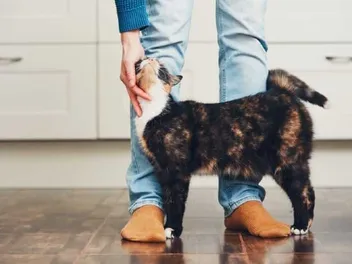
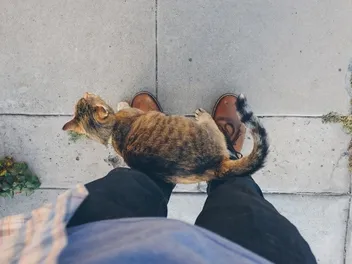
Cats with playful personalities will enjoy playing with the people they like. If your cat initiates a play session with you by bringing a toy, it's a really good sign that they like you. Some cats may not enjoy physical contact, but they may just prefer being in the same area as you. If your cat follows you around from room to room, it's often a sign that they see you as a person of safety and prefer being in your company.

Conclusion
It may never be fully explainable why some cats become lap cats while others don’t. Much of it seems to be a personal preference. What is certain is that your cat will show you affection in their own way. So, as you continue to become acquainted with your cat’s personality, you’ll be able to continue building your bond as you learn to show them love in ways that they understand and appreciate.
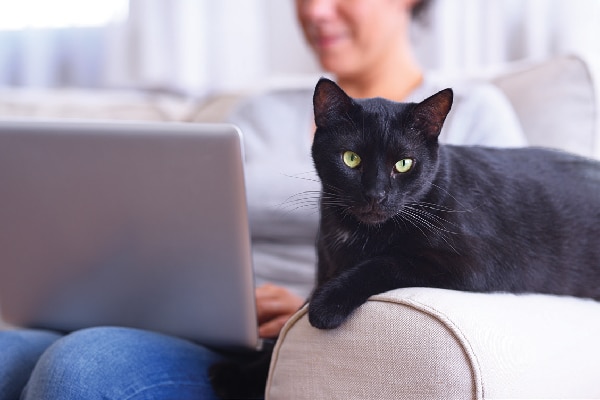
Featured Image Credit: Pixel-Shot, Shutterstock
Expert cat care, straight to your inbox
News, insights, and useful advice, delivered to you.

No spam — unsubscribe anytime.
By signing up, you agree to our Terms & Conditions and Privacy & Cookies Policy.
How useful was this post?
Click a star to rate. You can leave written feedback afterwards. (We read all feedback.)
Jessica is a freelance writer who spends most of her day researching and writing while her fluffy Cavapoo, Nora, naps beside her. She loves and appreciates pets and animals because there’s so much to learn from them, and they do so much for people. As a dog owner, she understands the special connection that pet owners form with their pets. She loves sharing helpful information that people can use to better understand their pets. When she’s not writing, you can find her walking dogs, tending to her plant babies, or drinking her nth cup of coffee.