Attention Seeking Behavior in Cats: Vet-Reviewed Signs, Causes & What to Do



In this article
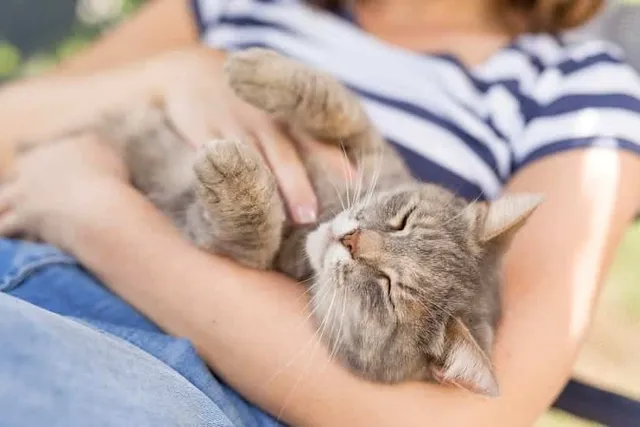
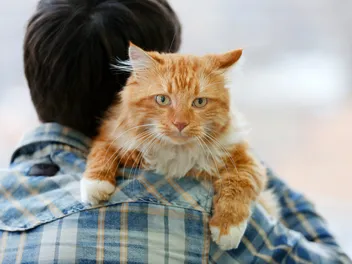
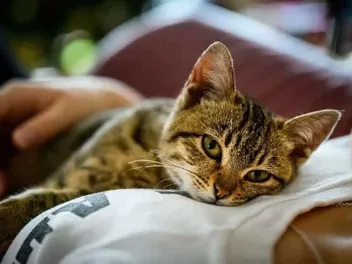
For many cat owners and lovers, there’s an inclination to feel rather honored when a normally somewhat-detached feline comes to rub on one’s legs or settle into your lap for a cuddle. Under normal circumstances and in usual amounts, these displays of attention-seeking are welcomed and appreciated. After all, that is one of the predominant reasons we keep cats as pets—for affectionate companionship.
Sure, we might get annoyed if our kitty decides to get affectionate when we’re busy in the kitchen or trying to get an important email sent, but the annoyance in those instances is our own doing. On the other hand, there are instances when your cat may exhibit excessive attention seeking and doesn’t respond appropriately to your dissuasive retorts. It’s important to distinguish between appropriate and inappropriate attention-seeking behavior in cats and know when you need to do something about it. We’ll have a look at both in this article, as well as some remedies.

What Is Attention-Seeking Behavior in Cats?
Although cats are inherently solitary predators (with the exception of lions), as a result of thousands of years of domestication, they have come to rely on and enjoy a degree of socialization; for example, within the human home environment or in feral cat groups. A 2019 study even showed that modern domestic cats become attached to their fur parents in much the same way that dogs and human children do.1
Attention-seeking behavior is normal in groups of animals that have some social cohesion and reliance upon each other. As the words imply, it is a behavior or sequence of behaviors exhibited by the cat with the intention of eliciting a response. Sometimes the behavior is completely warranted and appropriate, such as excessive meowing and rubbing against your legs in the kitchen when you are 2 hours late with their dinner! Other times, the behavior is inappropriate, as anyone who has been woken at three in the morning with their cat sitting on their face will attest to!

What Are the Signs of Attention-Seeking Behavior in Cats?
When your amorous feline wants your attention, they may display any of the below behaviors. Many of these are perfectly normal, endearing, and cute when displayed moderately. However, others are not pleasant at all. When any behavior becomes persistent and inappropriate, it’s time to understand why it occurs and decide what to do about it.
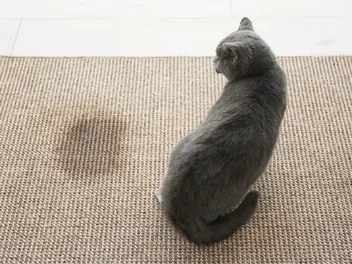
Some of the below-mentioned behaviors may be cute initially, but they may also worsen and become excessive if the root cause is not identified and acted upon. However, toileting outside of the litter box, which may seem like a way of your cat seeking attention or taking something out on you, is really a sign that something's not right with their health. This can be an underlying urinary or gastrointestinal issue, and they will all need veterinary attention as the first step. Other attention-seeking signs may be due to boredom or frustration, and we will get into them all shortly.
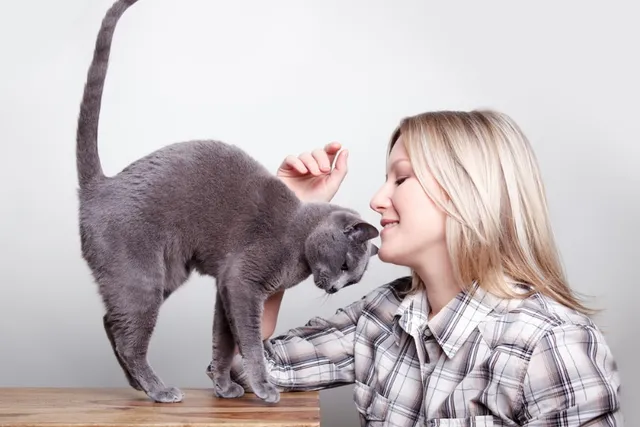
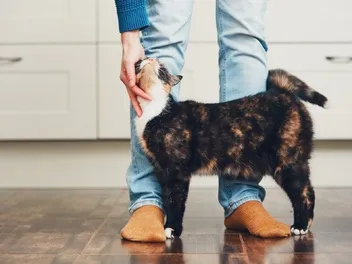
- Rubbing up against or weaving between your legs
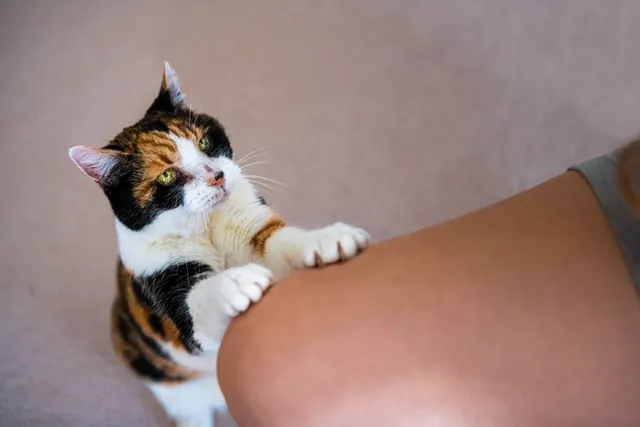
- Pawing at you
- Knocking objects off of desks, tables, and counters
- Jumping up onto things to be at your eye level
- Biting
- Staring at you
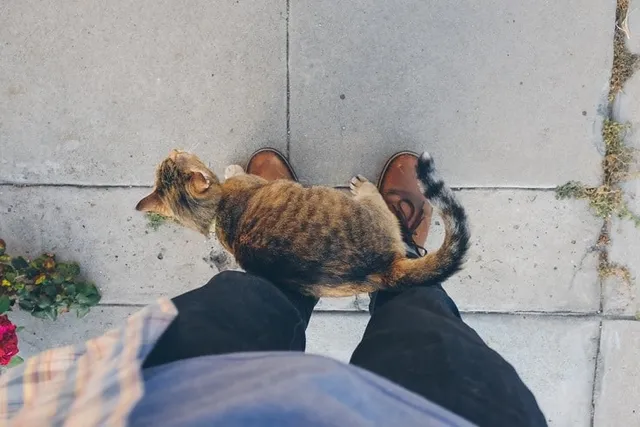
- Blocking your path or running at your legs when you’re walking
- Plaintive meowing
- Scratching
- Walking all over you or sitting on your head when you’re asleep
- Fouling outside of their litter box or in other inappropriate places
- Destruction of household items
- Following you around everywhere
- Bringing you “gifts”
What Are the Causes of Attention-Seeking Behavior?
The cause or causes of attention-seeking behavior are myriad. As discussed, this behavior falls into one of two categories: either it’s a normal social display or it’s inappropriate and/or excessive. In this section, we’ll touch briefly on some potential causes of attention-seeking behavior. And in the next, we’ll delve a little deeper and look at some management strategies and remedies.
At the root of some attention-seeking behavior in cats may be their perception that some needs of theirs are not being met. This may be a justifiable perception or a false perception resulting from the formation of bad habits following certain previously wrongly reinforced behavior patterns.
In the case of justifiable behavior, the cause could be stress or anxiety as a result of a lack of structure or routine, a lack of attention, fear, boredom, frustration, previous ill-treatment, or they may be suffering separation anxiety. The latter is especially prevalent in female cats that are single pets and indoor cats where their human is away for extended periods. This is a perfectly understandable response if you think about it.
Other times, and fortunately less frequently, the cause may be an underlying medical condition. The cat’s behavior may be a response to confusion or cognitive decline in older cats, or pain and discomfort resulting from underlying medical conditions, particularly urinary issues. It’s important to get your cat checked out by a veterinarian, so they can rule out medical causes for your cat's sudden change in behavior.

How Do I Manage a Cat With Attention-Seeking Behavior?
Moderate attention-seeking behavior that can be considered normal need not be managed or remedied at all. It’s probably a good idea not to overindulge it since it may lead to your kitty perceiving that that kind of behavior is preferable. This may cause them to behave that way more often. An appropriate response from you would be a reciprocal moderate display of affection.
On the other hand, if you have one of those beloved felines that tend towards extreme aloofness, you may want to reward their attention-seeking behavior to encourage more of it.
The first thing you need to do before attempting to remedy undesirable attention-seeking behavior is to ascertain the cause of said behavior. It’s not possible to devise an appropriate remedy without knowing why it is happening in the first place. You may exacerbate the behavior if you implement an incorrect response. This is where a vet comes in.
1. A More Sinister Cause
Sometimes, attention-seeking behavior may be a result of a serious underlying health concern. A cognitive disorder, such as age-related dementia, could result in this kind of behavior. Alternatively, a physical disease, such as cancer, urinary, gastrointestinal, skin, or joint issues, or anything that is causing your cat pain, could potentially cause them to behave in an attention-seeking manner.
Schedule a consultation with a veterinarian, so they can rule out potential medical causes. Chat to them about your concerns and have them carry out a thorough examination in case there is a more serious underlying cause.
2. Your Behavior Might Be the Cause
If your cat’s attention-seeking behavior is a direct result of a shortfall on your part as their fur parent, then that is easily remedied. Examples of such a shortfall include inconsistent feeding routines, spending insufficient time with them, not cleaning their litter box frequently enough, inadequate physical exercise, lack of environmental enrichment, and so on. There are many other scenarios when your cat is communicating to you a reasonable need they have that you can and should take care of. In these instances, their behavior may be excessively annoying but it’s actually not inappropriate.
3. Ignore Them
If you are certain that you have been a model cat owner and their behavior is willfully inappropriate, you can first try to consistently ignore the behavior. And we mean ignore. Remember that a negative response is still a response, and some cats will take any attention that they can get, negative or otherwise.
At the same time, reward displays of good and appropriate behavior. This reward system should yield results in cats that have developed habitual attention-seeking behavior. If there is no improvement in your cat’s behavior after several weeks or months of this method of reinforcement, then you need to consider other causes of and remedies for it, while also considering professional help from a feline behaviorist.

4. When Anxiety Is the Cause
Some cats become stressed and anxious from inconsistent routines, boredom, being alone for too long, and having poorly enforced boundaries. In others, anxiety may stem from previous bad treatment or abuse. If you think that this may be the root of your kitty’s attention-seeking behavior, focus on getting consistent routines in place regarding feeding, grooming, exercising, and cuddle time, for example. Apply this routine to as much of the day as possible.
If loneliness is the cause, commit to spending more dedicated time with your precious feline when you are home. Enrich their environment with toys, puzzle feeders, scratching posts, perches, and interactive games. Cats need physical exercise and mental stimulation every day in order to prevent frustration. Otherwise, cuddling with them or playing with them will go a long way toward making up for when you are absent. Make sure that your kitty has plenty of toys and activities to keep them busy when you are not around. This is particularly true of indoor cats.
Frequently Asked Questions
Is There Such a Thing as Giving a Cat Too Much Attention?
Yes, definitely. Cats normally have good boundaries, and they will accept only as much attention as they want. There’s usually no uncertainty regarding whether a cat does or doesn’t want to be petted or cuddled. They’ll take what they need and then be on their way. Some cats, however, may permit the cuddles to continue for longer than is good for them, to the point that they become overstimulated. This may cause them to have a sudden aggressive reaction; many cat owners have witnessed such a reaction. Alternatively, they could develop long-term, inappropriate attention-seeking behavior.
What Breed of Cat Is the Most Attention-Seeking?
Some of the most affectionate cat breeds are believed to be the Ragdoll, the Siamese, and the Abyssinian. Whilst the Ragdoll loves to cuddle endlessly, they are also a super laid-back cat breed, and their attention-seeking is unlikely to persist to an annoying level. The Siamese and Abyssinian, however, have a bit of a reputation for clinginess!
Conclusion
If attention-seeking behavior starts to manifest in your beloved cat, there are a few changes you can make to either your kitty’s routine or yours, or both, that should result in an improvement. Remember that changes don’t happen overnight, and it may take a few months to see significant results.
Consistency is key when trying to remedy an undesirable behavior with reinforcement-based approaches. It helps to be aware of, sympathetic to, and patient with your kitty’s insecurities and anxieties so as not to compound these. This is particularly true if the behavior is a result of previous abuse.
Bear in mind that, occasionally, the cause of attention-seeking behavior may lie in a serious underlying medical condition. If you are ever in doubt, it is advisable to seek immediate veterinary advice.
Featured Image Credit: PxHere
Expert cat care, straight to your inbox
News, insights, and useful advice, delivered to you.

No spam — unsubscribe anytime.
By signing up, you agree to our Terms & Conditions and Privacy & Cookies Policy.
How useful was this post?
Click a star to rate. You can leave written feedback afterwards. (We read all feedback.)
Eleanor is a freelance writer, science, and math high school teacher. She lives in South Africa's picturesque KwaZulu Natal Midlands with her six-year-old son, cat, horse, and three chickens. She is happy to be able to convert her enthusiasm for animals, science, and life-long learning into valuable and interesting writings. Eleanor and her son enjoy exploring their wonderful nation in their spare time. Road trips to exotic camping places are a cherished pastime. They particularly like unwinding near the sea, in the mountains, or among African animals.