How Long Does a Cat’s Scent Last? Vet-Approved Facts & Tips


In this article
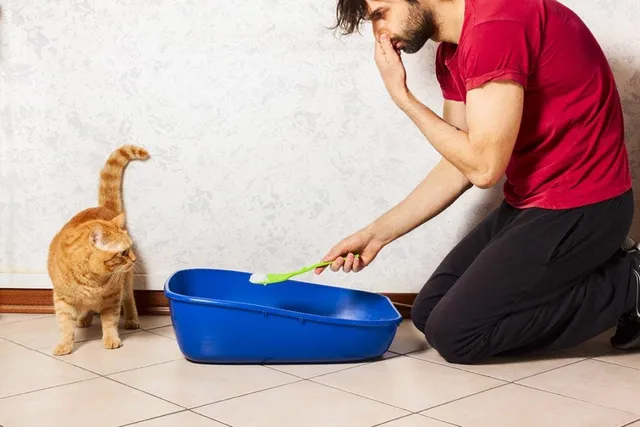
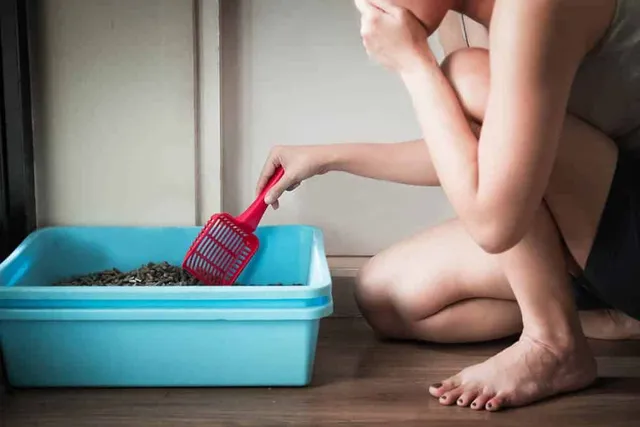
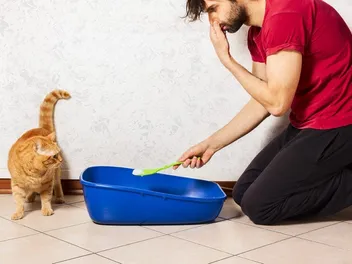
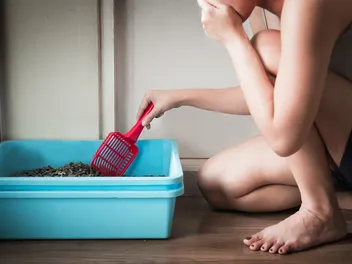
No pet owner wants the smell of their home or their clothes to be a telltale sign that they own pets. Aside from litter box odors, cats typically don’t stink too much unless there is an underlying reason. Our treasured feline companions are exceptionally clean animals and experts at self-grooming, which prevents them from smelling as much as those stinky dogs.
If you do have a lingering cat odor, it typically only lasts until the next cleaning. If your cat is emitting an unusual odor, it is likely due to an underlying health issue that should be addressed. Keep reading to learn more about why your kitty may have a lingering odor, what you can do about it, and extra tips on keeping your home free from pet odors.

The 5 Potential Reasons Your Cat Has a Bad Odor
1. Digestive Problems
Your cat may be smelly if they are suffering from some sort of digestive problem. This could include diarrhea, constipation, gas, or even issues with their anal glands. There’s usually an underlying cause when cats are suffering from one or more of these clinical signs, so it’s a good idea to have your cat checked out by the veterinarian if these problems persist longer than a couple of days.
2. Mouth Issues
Bad breath can get pretty intense and emit a very strong odor. This can be caused by advanced dental disease as a result of plaque and tartar build-up. The number of bacteria results in a very foul-smelling odor that can only be solved by getting proper dental care.
Other oral issues can also cause odors, including mouth ulcers, growths, or lesions caused by stomatitis. The key to eliminating these odors is having the underlying condition properly treated by a medical professional.
3. Skin Infection or Wound
Skin infections or wounds can lead to foul smells. Skin infections often carry a smell when they are the result of the overgrowth of fungi or bacteria. There are often plenty of other telltale signs of skin infections, including red and inflamed skin, excessive grooming, a greasy coat, and hair loss in the affected area.
Wounds can emit an odor if they become infected and begin to drain a foul-smelling discharge. Veterinary care will be needed to properly diagnose and treat the issue at hand in both cases.

4. Lack of Grooming or Ineffective Grooming
Your kitty may give off a bit more of an odor if they aren’t grooming as much as usual. This allows buildup on the coat that is typically taken care of with frequent cleanings. They could have also gotten into something stinky, and it’s just too pungent to clean off with that tiny sandpaper tongue.
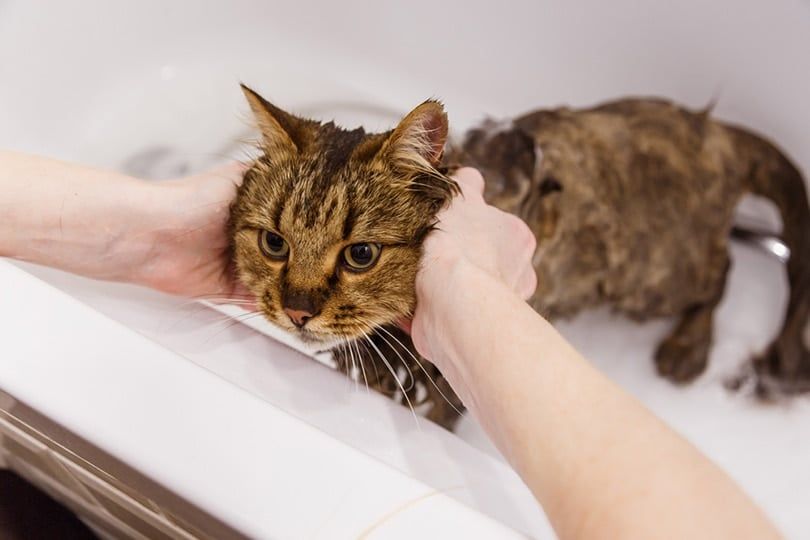
If your cat isn’t grooming as much as normal, it’s a good idea to rule out any underlying health issues that could be causing their behavior change. You can help remedy these odors in the meantime by bathing your kitty in a nice-smelling cat shampoo.
5. Ear Infection
Ear infections can be quite smelly, especially when they are related to yeast overgrowth. They can also give off an odor if the infection is bacterial in nature. You may notice a lot of head shaking and scratching of the ears if your cat comes down with an ear infection.
Set up an appointment for your veterinarian to examine your cat’s ears to figure out the culprit. Yeast infections are easily combated with antifungals, while bacterial infections are treated with antibiotics.


Top 6 Tips to Keeping Your Home Free From Pet Odors
Odors are a very normal part of owning pets, and while it can be a bit bothersome, there are plenty of things you can do to help keep these smells to a minimum. Whether you are cleaning up a new home that had pets at one point or you are trying to keep your home free of pet odors, here are tips for keeping smells under control.
1. Clean & Vacuum Regularly
It can be difficult to find the time when you have a busy lifestyle, but the best way to keep your home odor free is by cleaning and vacuuming regularly. Keep up with regular dusting, wipe down counters daily, and vacuum the floors and furniture to remove any excess cat hair.
The longer surfaces sit without a thorough cleaning, the longer the odors will linger and the more difficult it will be to remove the smell.

2. Clean With Natural Deodorizers
When you need to get the odors under control, you want cleaning agents that are not only safe but can also deodorize rather than just masking the lingering scent. Baking soda is an excellent choice for odor neutralizing.
You can sprinkle it on the carpet to help absorb odors, then vacuum it up after a couple of hours. You can also use it in conjunction with hydrogen peroxide or white vinegar, which make very powerful natural cleaning concoctions.
Lemon is also a very powerful cleaner, though cats aren’t too keen on citrus smells. There are lots of DIY recipes available online for natural deodorizers; you’ll just need to find ones that work for your situation at the time and that are safe for felines.
3. Purchase an Air Purifier
Air purifiers have many benefits, and controlling unpleasant odors is one of them. Air passes through the machine and filters out particles from the air to leave your room with the freshest, cleanest air possible.
They are highly effective against pet odors but also help relieve allergy symptoms, reduce airborne illnesses, and eliminate dirt, dust, and harmful chemicals from your indoor environment.
There are plenty of air purifiers on the market to choose from, but we recommend HEPA purifiers with an activated carbon filter for the best results.
4. Use an Enzyme Cleaner to Clean Up Messes
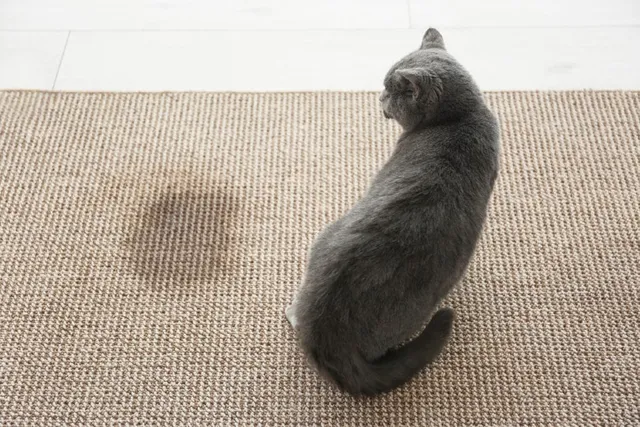
Enzymatic cleaners can be found in pet stores, local department stores, or online. These cleaners are effective against cat odors because they can break down the odor at the source. They are even powerful enough to combat smells like ammonia, sulfur, and other compounds found in cat urine.
Enzymatic cleaners contain enzymes, which are needed to break down these compounds that cause the most unpleasant, lingering odors. Make sure to read the instructions and warning labels so you are using them safely and effectively. Keep cleaners out of reach from your cats, other pets, and any children in the home.
Our Favorite Enzyme Cleaner
The Hepper Advanced Bio-Enzyme Pet Stain & Odor Eliminator Spray is our favorite enzyme cleaner out there. It permanently removes even the very worst kitty stains and smells, leaving your home fresh and clean! Click here to learn more about this amazing product and get yourself a bottle.

- ADVANCED ENZYMATIC CLEANER - Penetrates the most stubborn smells and stains at the deepest molecular levels to dissolve any pet mess you encounter and lift it away at the source.
- FOR ANY MESS, ON ANY SURFACE - This pet odor eliminator cleans your carpets, floors, furniture, fabrics, and more. Whether it's urine, feces, vomit, or drool, you can erase all foul spots and smells!
- FRESH, NATURAL ODOR - Our unique formulation doesn't rely on dangerous or unpleasant chemical fragrances to get the job done. We eradicate smells and stains, not just cover them up.
At Catster, we’ve admired Hepper for many years, and decided to take a controlling ownership interest so that we could benefit from the outstanding products of this cool cat company!
5. Use a Carpet Cleaner or Spot Cleaner
Carpet cleaners and/or spot cleaners are not a bad investment for pet owners. At some point, you’ll end up having to clean up accidents or other messes that leave behind stains and odors. Full-size carpet cleaners are great for cat and dog owners who have large areas of carpet to cover and want to do a complete cleaning.
Spot cleaners are great for furniture or small areas that have been soiled. We recommended having either one or both of these on hand to help with odors because they are highly effective at stain and odor removal and are very helpful when the time comes.
6. Remodel the Home
If you are in a home that is filled with the overwhelming stench from cats or other pets, you may need to do a remodel. If anyone living in the home has allowed the pets to use the bathroom on the floor without properly cleaning the areas, this can permanently damage the floors, especially carpets.
Depending on the severity, you may want to call in a professional cleaning service to see what can be done. In severe cases, the floors may need to be replaced, and you may even want to repaint throughout the home to mask the odors that have set into the walls.


Conclusion
Cats aren’t smelly animals by nature because they are quite clean and groom themselves frequently. So, their overall scent typically doesn’t last long. It’s usually the smell of the litter box or areas in the home where they’ve had accidents on the floor that will cause the most intense, lingering odors.
If you notice that your cat is smelly, they could have gotten into something and may just need a bath. They could also be suffering from a health condition that needs to be addressed, in which case, you need to call your veterinarian for proper diagnosis and treatment.
Featured Image Credit: Vladeep, Shutterstock
Expert cat care, straight to your inbox
News, insights, and useful advice, delivered to you.

No spam — unsubscribe anytime.
By signing up, you agree to our Terms & Conditions and Privacy & Cookies Policy.
How useful was this post?
Click a star to rate. You can leave written feedback afterwards. (We read all feedback.)
Lindsey and her husband enjoy traveling the US with their kids and photographing wildlife. Her passion is to educate others on the importance of proper animal care, with an emphasis on reptiles and exotics since their care requirements can be much more complex. She is also a huge advocate for bully breeds. She feels most at home in the forest either on horseback or in hiking boots.