What's the Price of Spaying or Neutering a Cat in the UK (2026 Costs)

In this article
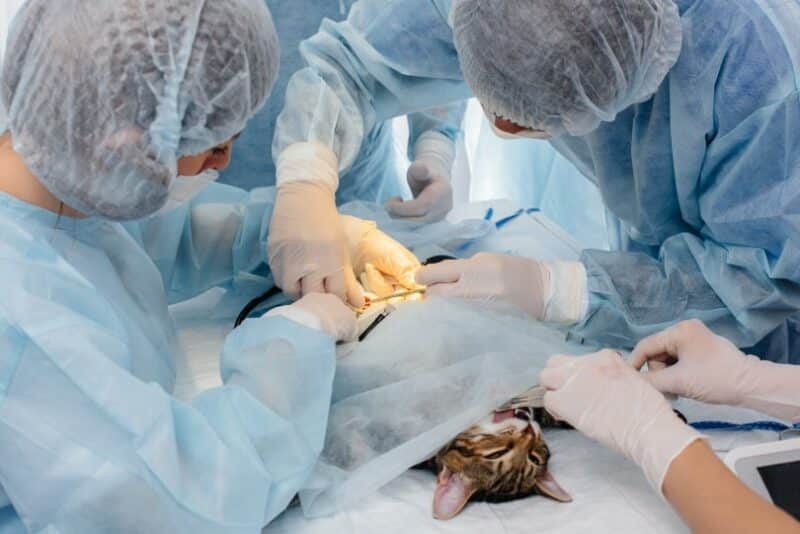
Getting your cat spayed (female) or neutered (male) is a common and important consideration when you’re a new cat parent. The price of spaying and neutering varies on your cat’s sex—the procedure is more expensive for female cats—and your location.
In some areas in the UK, you can get your cat spayed or neutered for as little as £5 or even for free (via Cats Protection if you qualify), and in some areas, the procedure can cost well over £100. Read on to find out more.

The Importance of Spaying and Neutering
According to the RSPCA, the UK cat population is at a “crisis point.” Getting your cat spayed or neutered from an early age will help reduce the number of unwanted pregnancies and the number of cats that potentially end up homeless.
The RSPCA also lists several benefits to getting your cat spayed or neutered.1 In addition to preventing unwanted pregnancies, it prevents uterine cancer and infections in female cats and testicular cancer in males. It also reduces the risk of mammary tumors in females.
Other benefits include reduced urine marking and aggression, prevention of inbreeding and associated problems, and the reduced risk of your cat being stolen. Sadly, cats and dogs are sometimes stolen for breeding purposes when they are not neutered or spayed.

How Much Does Spaying and Neutering Cost?
This varies significantly from location to location. To simplify matters, we’ve checked out various vets and organizations in different UK locations and put together their spaying and neutering costs (prices correct June 2024) in the table below.
| Location and Clinic Name | Neutering/Castration (male) | Spaying (female) | Additional Details |
| Kensington, London – Kensington Vet Care | From £145 | From £175 | |
| London – Celia Hammond Animal Trust | £35 | £45 | Offers veterinary services for pets whose owners are on benefits or whose income is low |
| Birmingham – Fivelands Veterinary Centre | £94 | From £134 | |
| Bristol – Atherton Vets | £75 | £95 | |
| Yorkshire – Beechwood Veterinary Group | £100 | £140 | |
| Denbighshire, Wales – Rhianfa Veterinary Centre | £90 | £135 | |
| Edinburgh and Lothian, Scotland – Gordon Vets | £104 | £154 | |
| Various Locations – Cats Protection | Free, £5–10 | Free, £5–10 | Via regional neutering campaigns—you must be eligible based on certain grounds |
As we can see from the table, the procedure can be free or very cheap if you meet specific criteria and can go as high as £175 or more at some clinics. London appears to be the most expensive area for veterinary treatment, but that comes as no surprise.
Apart from the prices offered by charitable organizations like the Celia Hammond Animal Trust and Cats Protection, we found the lowest prices in Bristol and Wales, though prices still vary within those regions depending on the clinic you choose.
Additional Costs to Anticipate
Fortunately, in many cases, the cost of spaying and neutering includes all the extras your pet will need to undergo the procedure, such as pain relief, general anesthetic, stitch removal, and a postoperative consultation with the vet.
We recommend double-checking that your chosen clinic includes these services in its spaying and neutering prices. Also, what’s included in the price may vary from clinic to clinic, so it’s always best to get all the information in advance.


Frequently Asked Questions (FAQ)
When Can I Get My Cat Spayed or Neutered?
According to Blue Cross, the general recommendation is that cats should be neutered around 4 months of age to prevent unwanted pregnancies, though the organization also mentions that some vets recommend that the procedure be carried out at 5 or 6 months.
For this reason, we’d advise you to contact your local vet to ask what they would recommend. It’s also perfectly fine to spay or neuter older cats, so don’t worry if you have a rescue cat or haven’t gotten around to getting your cat spayed or neutered yet—it’s never too late.
Does Pet Insurance Cover Spaying and Neutering?
Typically, no, as getting a cat spayed or neutered is considered the pet owner’s sole responsibility. For this reason, pet insurance providers don’t include these kinds of procedures in their comprehensive accident and illness plans. However, some pet insurance providers offer what’s known as a “wellness” plan, though the name varies (preventative care plan, routine care plan, etc.).
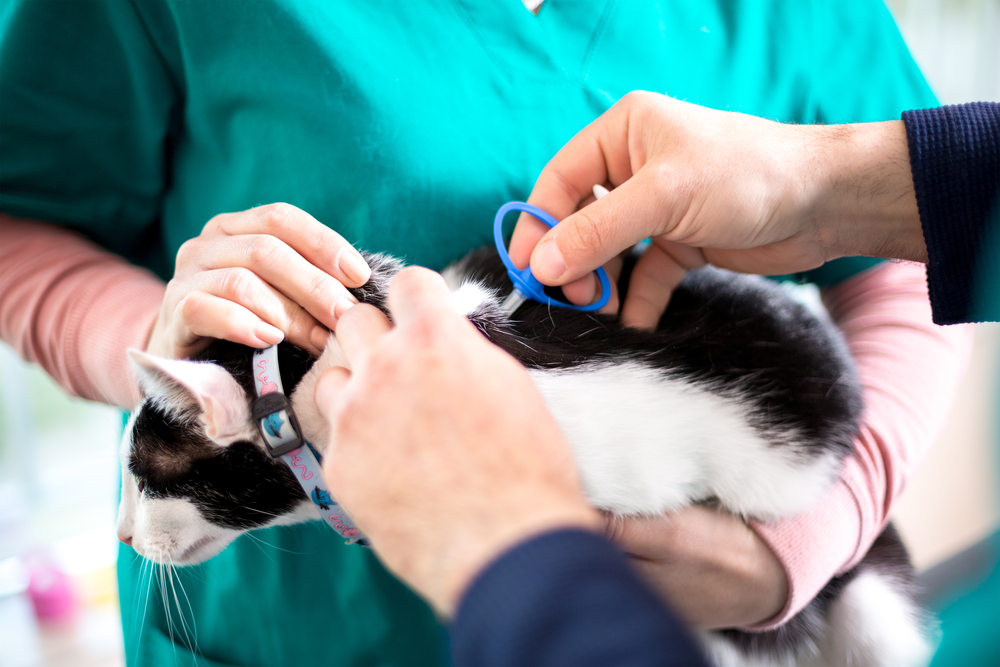
Wellness plans are optional and are designed so that you can get reimbursed for more general, routine pet care procedures like spaying and neutering, microchipping, nail trimming, dental care, and annual wellness exam fees. Not every insurance provider offers this kind of add-on, so be sure to check the provider's policy you have in mind.

How to Prepare Your Cat for Spaying or Neutering
When you make the appointment for the surgery, the vet will explain to you what steps to take before the surgery. It is recommended that you withhold food and water from your cat for a period of time before the operation, but it's best to check with your vet as the length of time may vary depending on your cat’s size and age. Adult cats are usually not fed overnight the day before their surgery, while young cats might need a small amount of food around 6 hours before. The PDSA offers the following advice:
- Do not feed your cat for 6 to 8 hours prior to their operation. This is to ensure their stomach is empty and they don’t choke or regurgitate under anesthetic.
- Water is fine overnight; take it away the morning of their surgery.
- The cat should be kept indoors overnight.

Conclusion
Vet fees are expensive, and, unfortunately, in some cases, spaying and neutering procedures are no exception. However, the benefits of spaying and neutering far outweigh the one-time cost. If you’re having trouble affording the procedure for your cat, you can seek out organizations that offer spaying and neutering at a reduced cost.
Related Read:
Featured Image Credit: Anna Belkina Spb, Shutterstock

Expert cat care, straight to your inbox
Vet-reviewed advice, behavior tips, and the best of Catster. Free, and you can unsubscribe anytime.
By signing up, you agree to our Terms & Conditions and Privacy & Cookies Policy.
Kit Copson is a freelance writer and lifelong animal lover with a strong interest in animal welfare. She has parented various furry beings over the years and is currently a proud cat mom of two—one very chilled (unless hungry) Siamese and a skittish but adorable Domestic Shorthair—and dog mom of one—an adopted Bichon Poodle cross. When not writing about or spending time with animals, Kit can be found doodling in her sketchpad, reading, or more often than not, drinking tea.
Join the conversation
Ask a question, share your story, or send private feedback.