UK Cat Chipping Law: What Is It & What You Need to Know (Vet-Verified)


In this article
It’s been on the cards ever since dog microchipping became compulsory in the UK, and as of June 2024, it is now a legal requirement that all pet cats in England are microchipped before they reach the age of 20 weeks.
Breeders do not need to chip cats before selling them, but most rescues will do so and incorporate the price of chipping into adoption fees. Owners not only enjoy the benefits of following the law, but they can enjoy an increased chance of being reunited with a lost cat much sooner than if the cat was not chipped.

What Is Microchipping?
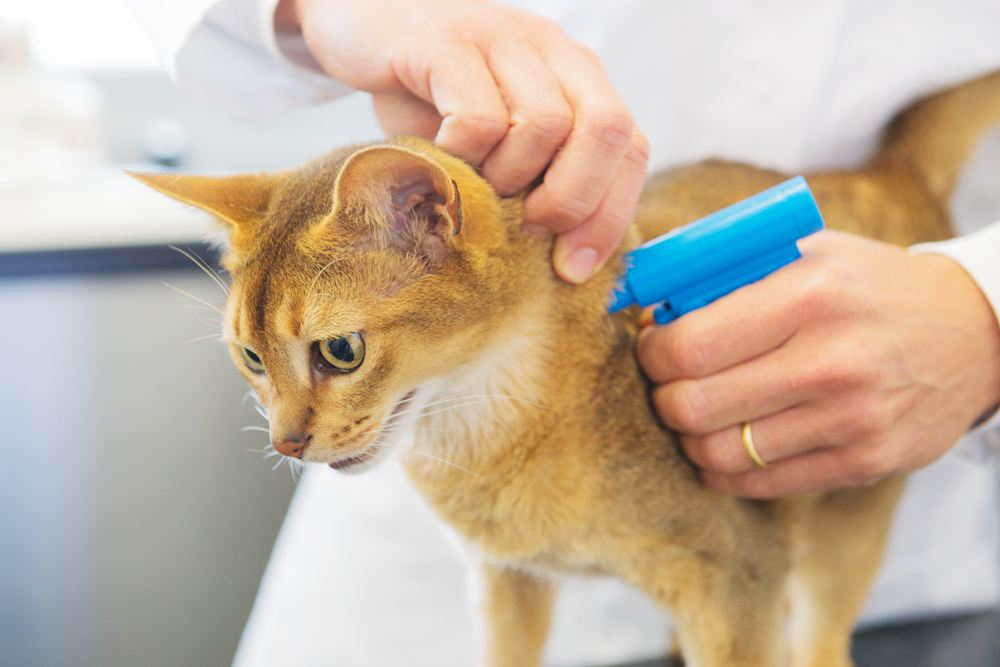
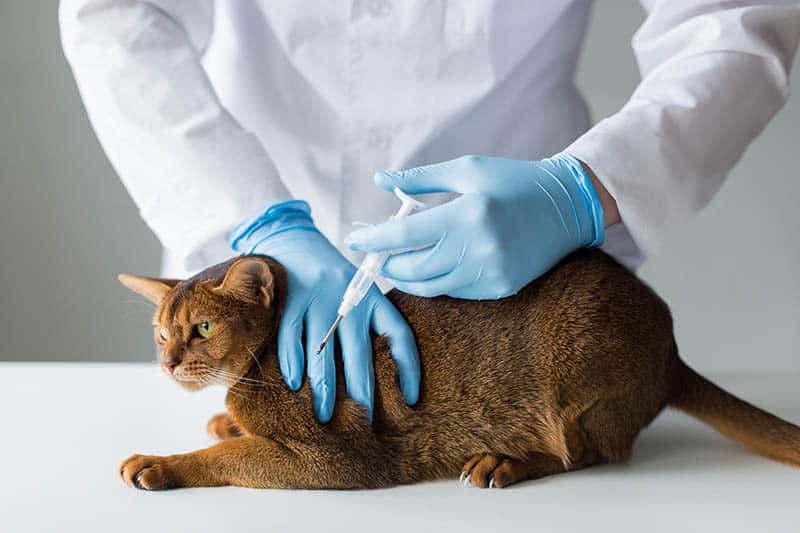
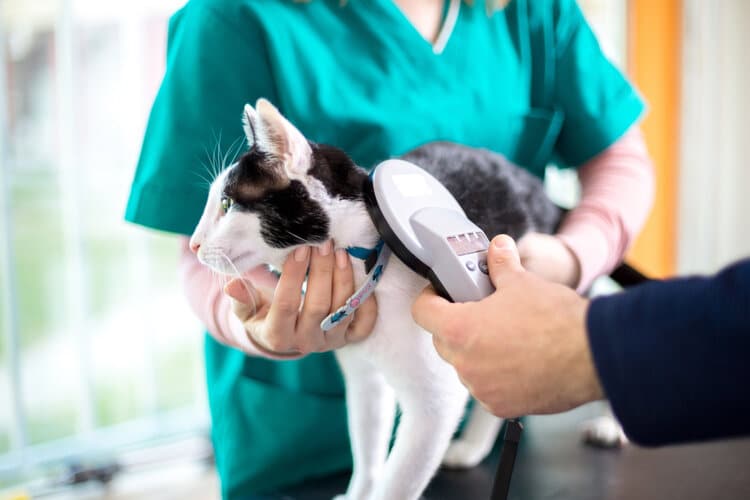
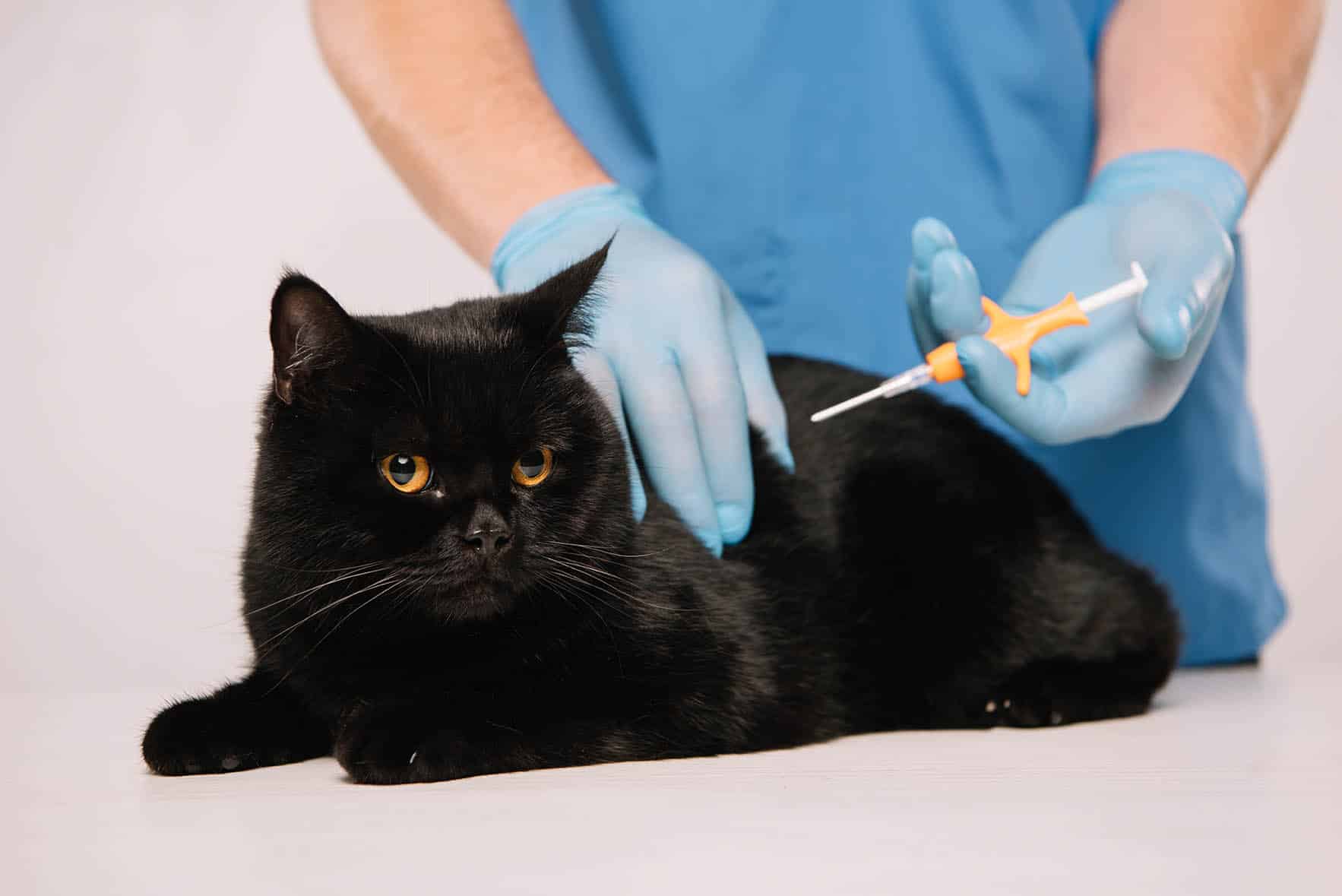
When a cat is microchipped, a small microchip inside medical glass is inserted just under the skin, typically between the shoulder blades. If the cat goes missing and is recovered by a vet or a rescue, they will be able to scan the cat. Scanning the cat gives a microchip ID (a unique serial number) that can be checked against the relevant microchip database, which contains contact details for the cat’s owners.
The owner is called, and they can be reunited with the cat, typically within a matter of hours, rather than days. It puts less pressure on rescues and shelters and ensures quicker reunion of lost pets and concerned owners.

UK Microchipping Law
Before 2024, around three-quarters of pet cats in the UK were believed to be microchipped. While this represents a large majority of the feline population, it still meant that around 2.4 million pet cats were not microchipped.
The government introduced a new law that came into effect in June 2024 and that required all owners in England to microchip their cats before they reached 20 weeks of age. Owners who fail to have their cats chipped face fines of up to £500 and might find it difficult to reclaim their cats in some cases. Currently the law is only applicable to cats in England, and is not compulsory for free living cats with little or no human interaction such as feral cats.

The Benefits of Microchipping
The main benefits of microchipping a cat are:
The Microchipping Procedure
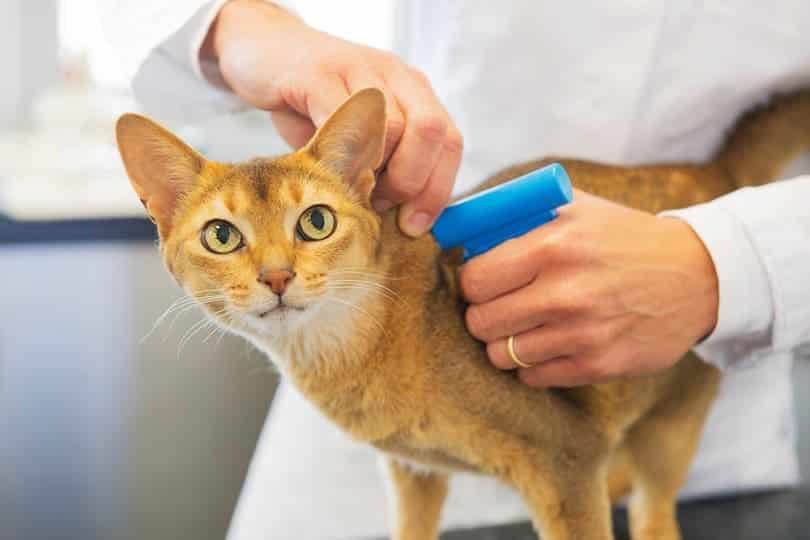
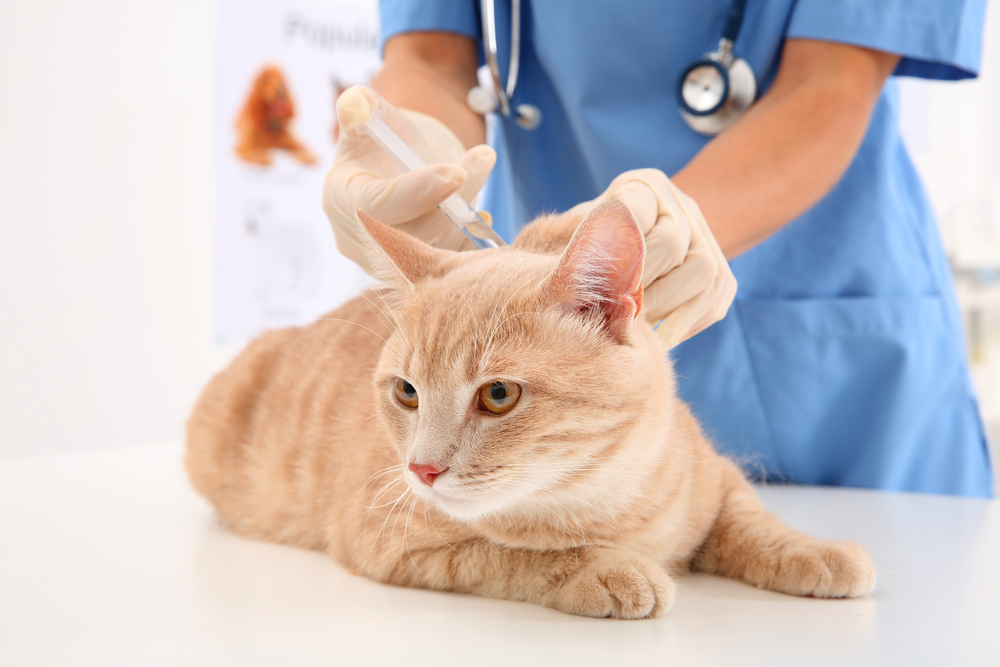
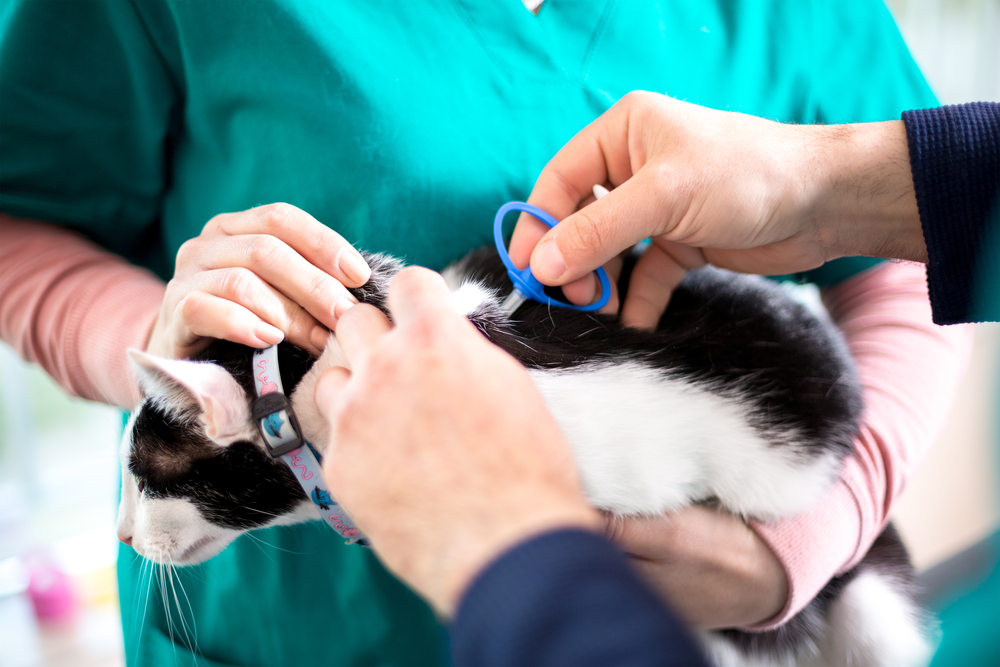
Microchipping is a simple and relatively painless procedure. The microchip is about the size of a grain of rice and consists of a small, electronic chip enclosed in a cylinder of medical glass. It is injected under the skin between the shoulder blades with a needle, usually by a vet. Although the needle is larger than most injections, it is quick and fairly painless, similar to a normal injection. The procedure takes a few seconds, there’s usually no need to even shave the area, and the cat can go straight home after the chip has been inserted.

Changing Details
Once the chip has been inserted, details of the new owner are sent to whichever company manages the microchip database. If the cat is rehomed, the old owner needs to contact the database company to have them register the new owner's details. If the owner changes their address or phone number, they need to have the details updated on the database.
What to Do If You Lose a Microchipped Cat
If you lose a cat that has been microchipped, you should still look for the cat. Check buildings like sheds and garages and call around and check with neighbours. You should also check that database details are current, and you can start to ring around rescues and shelters.
Also check with local vets, because some people will take cats they find to the vets rather than shelters.

Frequently Asked Questions
Can I Get My Cat Chipped for Free?
There are some charities and animal organisations that will microchip cats for free, but most vets charge a fee to carry out the procedure. Charities might offer the service for free to owners who are on low incomes or in receipt of certain benefits, and it is worth checking if you believe you might be entitled.
How Much Does Microchipping a Cat Cost in the UK?
Costs vary from one vet or one location to the next, but the microchipping process typically costs between £10 and £30. It might be possible to get the procedure for free, and most rescues and shelters ensure all of their cats are microchipped before they are adopted out.
There may be a fee if you ever need to change the address or phone number details that are stored on the database, but the company should make you aware of these charges when you join.
What Should I Do If I Find a Chipped Cat?
If you find a lost or stray cat, take it to a local vet or animal shelter. They will be able to scan the cat to find a chip and then locate the owner using the details stored on the microchip database. You might be asked to hold on to the cat until the owner is located, but most vets and shelters will keep hold of the cat during that time.

Does a Microchip Prove Ownership of a Cat?
A microchip is not treated as absolute proof of ownership, but if a dispute arises, it may be presented as evidence, and it can help ensure that your cat is returned to you in the event of theft.
Can I Microchip My Cat Myself?
Microchipping a cat means injecting the microchip under the skin of your cat and the procedure needs to be carried out by a professional, who will also register the microchip details as part of the procedure. You should not attempt to carry out the procedure yourself.
Conclusion
Microchipping helps ensure that lost cats are reunited with their owners sooner and it can also help alleviate the burden from rescues and shelters. Since June 2024, it has been a legal requirement that all pet cats in England are microchipped before they reach 20 weeks old.
Failing to have a cat microchipped can lead to a fine of up to £500 and it will delay the return of the cat to you, in the event they go missing. The procedure is quick, painless, and inexpensive, and it can be carried out by your cat’s vet with the details being given to a recognized cat database company.
Sources
Featured Image Credit: Lucky Business, Shutterstock

Expert cat care, straight to your inbox
Vet-reviewed advice, behavior tips, and the best of Catster. Free, and you can unsubscribe anytime.
By signing up, you agree to our Terms & Conditions and Privacy & Cookies Policy.
Matt is a freelance writer from the UK. He lives with his partner and daughter, as well as one dog and two cats.
A data analyst by trade, Matt moved from numbers to words more than 15 years ago and has been writing content ever since. Having volunteered at a local animal sanctuary, he has a lot of experience with different breeds of cats, dogs and horses. He currently shares his home with his partner and daughter, as well as a rescue dog from Macedonia (which might be an Akita cross) and two cats. Matt has also kept bearded dragons, a variety of birds, fish, guinea pigs, hamsters, mice, and rats. His daughter has adopted the same passion for animals, keeping and breeding snakes.
A geek at heart, Matt is a member of a local board gaming group that meets weekly, and regularly forces his family to “enjoy” board games with him at home.
Join the conversation
Ask a question, share your story, or send private feedback.