How Much to Get a Cat Chipped In the UK? (2026 Update)

In this article
Microchipping is a common practice for pets in the UK and it helps ensure that lost or stolen cats are reunited with their owners sooner. Since June 2024, it has been a legal requirement for all cats to be microchipped by the time they reach 20 weeks of age. Non-compliance can lead to fines of up to £500.
Some breeders may chip their cats before selling them, but this isn’t always the case, and most new owners opt to have their cats chipped when they are being neutered as they will already be under anaesthetic. The procedure is minimally invasive, although it may cause some discomfort, and the chip should, except in very rare circumstances, last the lifetime of the cat.

The Importance of Microchipping
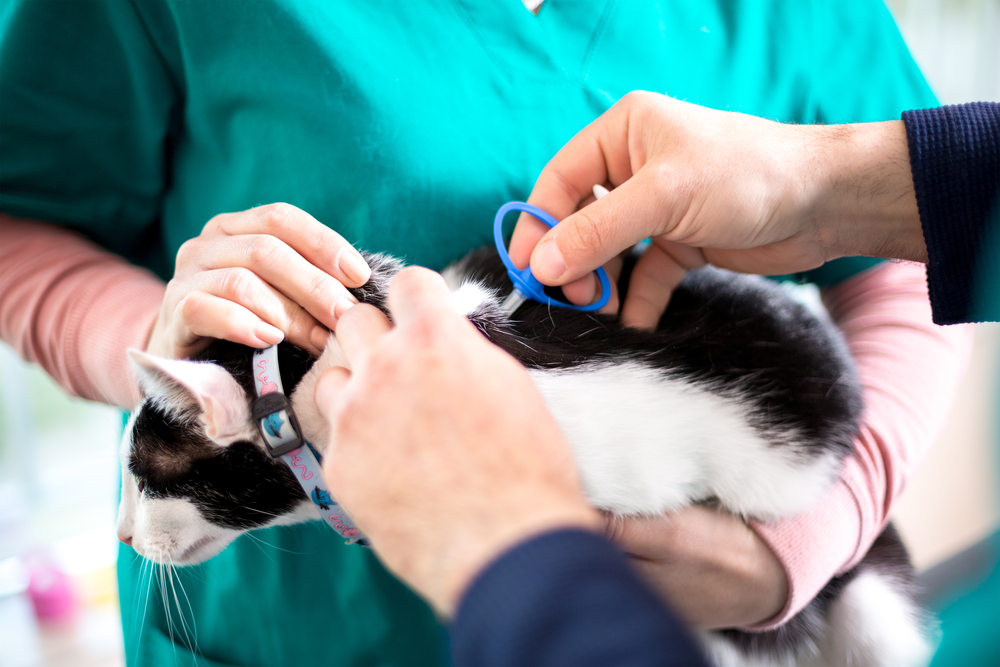
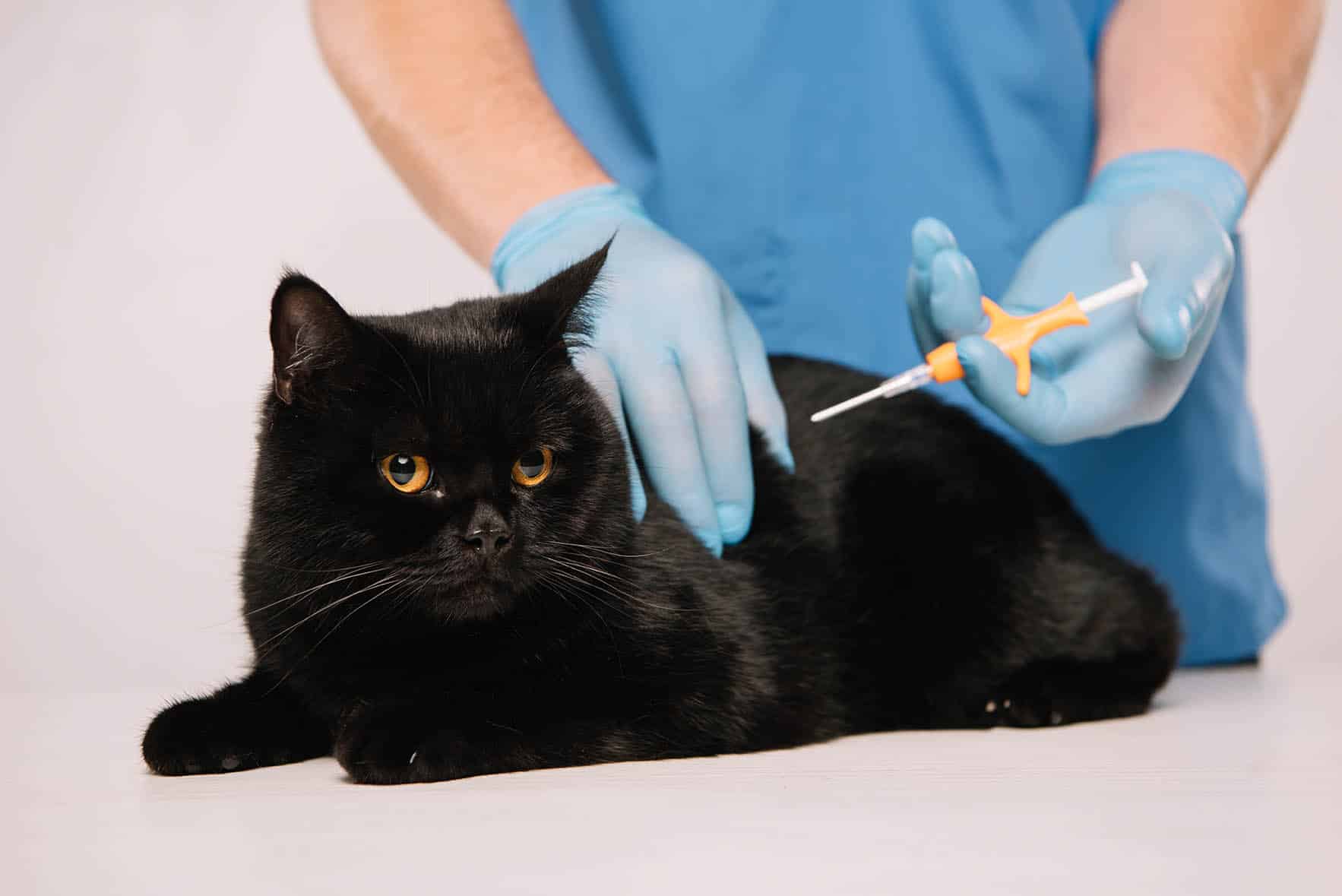
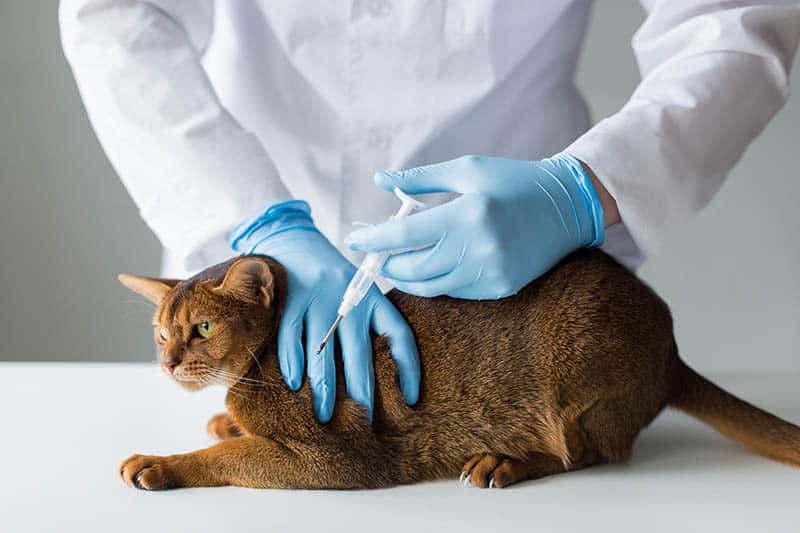
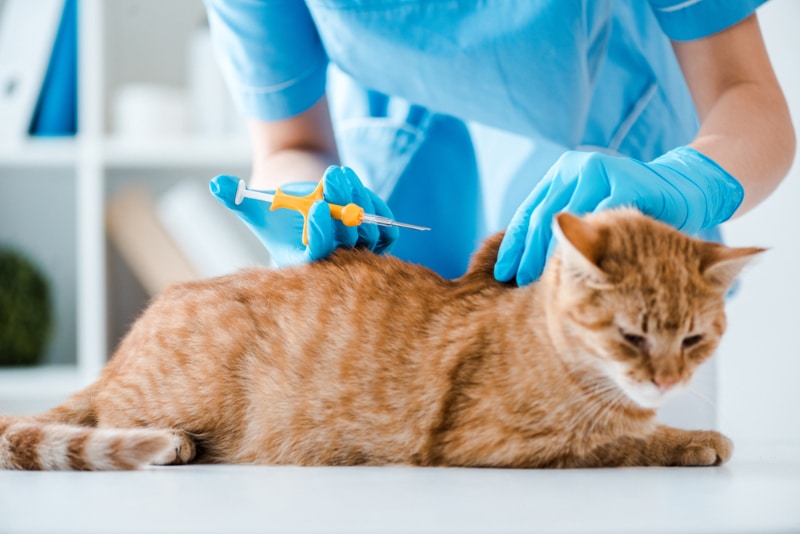
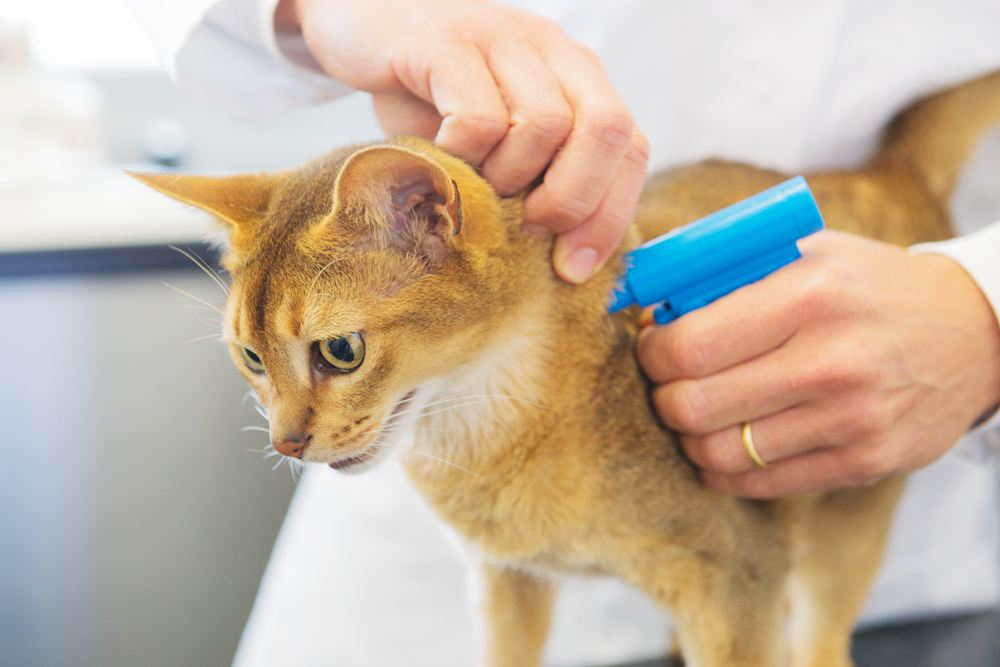
A microchip is placed directly underneath the cat’s skin, typically between the shoulder blades. If the cat gets lost, a vet, warden, or rescue centre, will be able to use a scanner to locate the chip and get a chip identifier. Details of the chip are registered on a central database and the person or group scanning the chip will be able to find contact details of the owner.
The primary benefit of having a cat microchipped is that lost cats are reunited with their owners. Rescues, shelters, and some other professionals have microchip scanners they can use to find owner details. In some cases, this means that owners who would not otherwise be found can be reunited with their lost cats, as cats do have a tendency to roam long distances if they escape or roam from their homes.
It can greatly reduce the amount of time that families are apart from their pets, and it also means that rescues and shelters do not need to care for the cats for long periods.
Since June 2024, it is now a legal requirement that all pet cats be microchipped. A cat must be chipped by the time it is 20 weeks old, and if a cat is found that isn’t microchipped, its owners could be fined up to £500 when they are reunited with the cat.

How Much Does Cat Chipping Cost?
The cost of chipping varies according to where you have it done, but it will usually cost between £20 and £30. The cat doesn’t require any anaesthetic and doesn’t need to stay at the vet's, as the chip is applied by injecting it under the skin. As such, there are no other costs associated with the chipping procedure itself.
There may be minimal fees associated with updating the database of cat owner details, but these fees are typically only charged if you need to change owner details or address details. It is important that you keep those details up to date, however, including adding a recent phone number on which you can be called. The chip does not need removal and it should never need to be replaced, so there are no repeat costs either.
Some rescues will microchip any cats they take in that aren’t already chipped. They do this because it does help control the number of stray, feral, and lost cats. In these cases, the cost of microchipping is included in the adoption fee you pay.
Breeders do not typically chip their cats, although some may do so and, if your cat breeder does microchip your cat, this will again be included in the fee you pay. Some animal charities and organisations may offer free chipping. Again, this is done in the hope that it helps control the number of cats that get lost.
How Often Do You Need to Get a Cat Chipped?
A microchip does not need any power to operate, and the small device sits under the skin of the cat, which generally offers it protection. The chip will last for decades before it stops working, which means it will last the lifetime of your cat.
The cat should only need one microchip in its whole life, which means you don’t need to have it done again and won’t have to pay the fee again.

Is Chipping Painful?
Chipping a cat means injecting a small microchip under your cat’s skin. The needle is a little wider than a standard syringe because it needs to hold and deliver the microchip. As such, it can cause some discomfort during the procedure, and there may be some mild swelling and redness in the area after the chip has been inserted.
However, this discomfort is short-lived, and your cat should be fine after a minute or two. There are always some very minor risks associated with injections, so it is a good idea to keep an eye on your cat for a few hours after the procedure.
Where To Get Your Cat Chipped?
Although the procedure is simple, it does require inserting a microchip under your cat’s skin using a needle. The procedure is generally carried out by your vet, and many owners choose to have it done when a young cat is being neutered.
This way, the injection can be completed while the cat is under anaesthetic, minimising the discomfort. Speak to your local vet about having your cat microchipped.
What If Your Cat Gets Rehomed?
If you need to rehome your cat in the future, you will need to provide the new owner with details of the microchip. This includes the chip ID and the name of the database on which the cat is registered. The new owner will be able to speak to the company and change the details of the cat ownership, but the process will be easier with your involvement.

What If You Move?
Similarly, if you move property or you change your phone number, the database will need to be updated. It should always include up-to-date contact information so that a vet or other professional who scans your cat will be able to get in touch with you as quickly as possible.
There may be a small fee when you make changes to the cat’s details, but these shouldn’t be more than a few pounds, and some companies do not levy any charges at all.
Does Pet Insurance Cover Chipping?
Pet insurance does not typically cover chipping, although it might be considered a beneficial extra that is included with some policies. Insurance is usually used to pay for unexpected veterinary and recovery bills for cats that get ill or are involved in accidents, and not for preventive or care requirements.
Conclusion
It is a legal requirement that all pet cats in the UK are microchipped, and the procedure needs to be done by the time the cat is 20 weeks old. Failure to have a cat chipped can result in a fine of up to £500, but, worse still, it could also mean that you won’t be reunited with your cat if it goes missing, or it will take longer to get them home to you.
The procedure is mostly painless, takes a few minutes, and only needs to be completed once in the cat’s life. The cost is cheap, and while some companies do levy a small charge to change phone and address details, this isn’t always the case, so it is worth checking with the microchip database company you use.
Sources
Featured Image Credit: Ivonne Wierink, Shutterstock

Expert cat care, straight to your inbox
Vet-reviewed advice, behavior tips, and the best of Catster. Free, and you can unsubscribe anytime.
By signing up, you agree to our Terms & Conditions and Privacy & Cookies Policy.
Matt is a freelance writer from the UK. He lives with his partner and daughter, as well as one dog and two cats.
A data analyst by trade, Matt moved from numbers to words more than 15 years ago and has been writing content ever since. Having volunteered at a local animal sanctuary, he has a lot of experience with different breeds of cats, dogs and horses. He currently shares his home with his partner and daughter, as well as a rescue dog from Macedonia (which might be an Akita cross) and two cats. Matt has also kept bearded dragons, a variety of birds, fish, guinea pigs, hamsters, mice, and rats. His daughter has adopted the same passion for animals, keeping and breeding snakes.
A geek at heart, Matt is a member of a local board gaming group that meets weekly, and regularly forces his family to “enjoy” board games with him at home.
Join the conversation
Ask a question, share your story, or send private feedback.