Can Cats Eat Mussels? Vet-Verified Nutritional Facts & FAQ


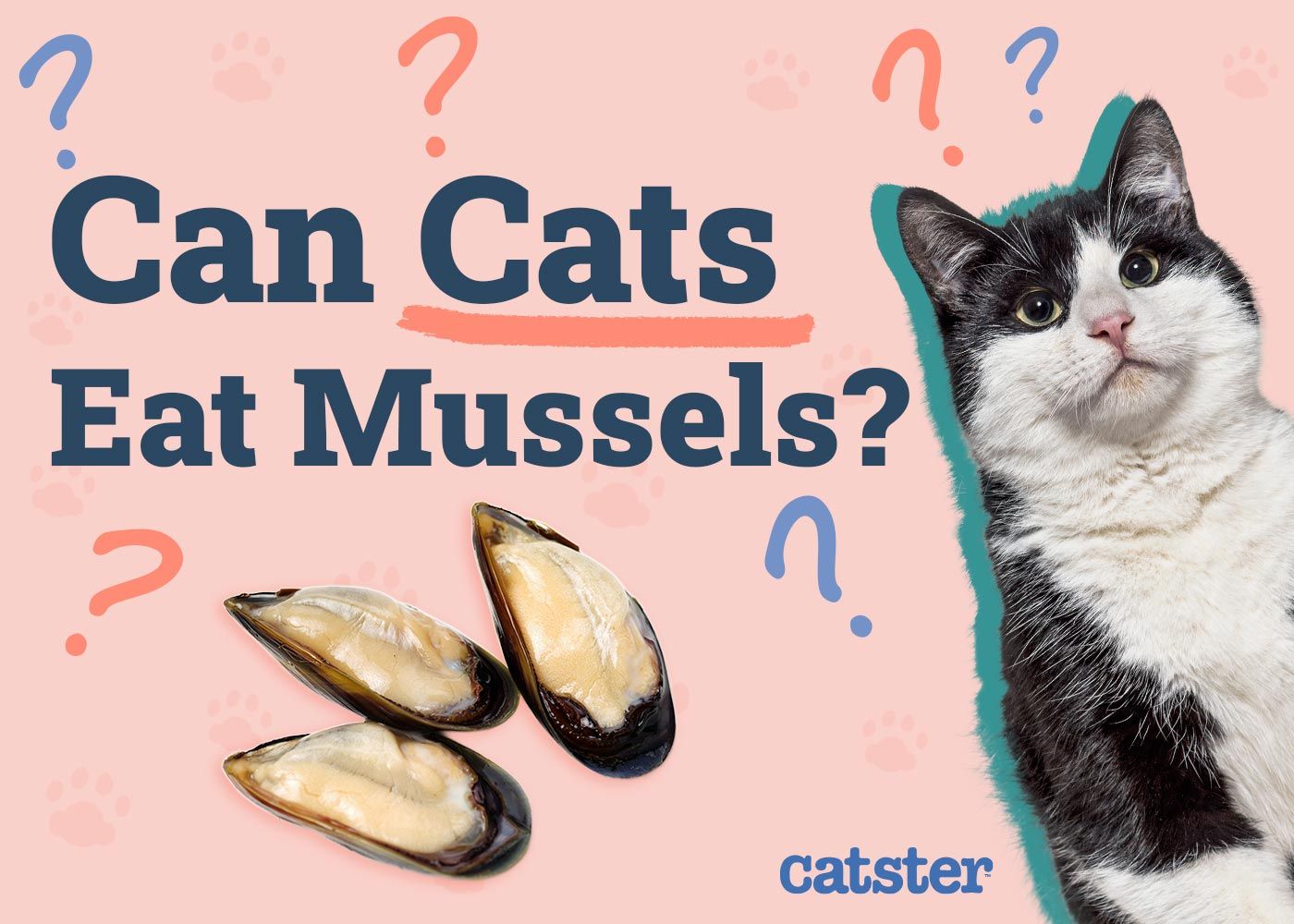
Slimy—yet satisfying. If you grew up eating seafood, you’re probably familiar with mussels. These shellfish are full of health benefits for humans, but don’t be afraid to share. Your cat would probably enjoy a little bit of your mussels too, and they make an unusual and healthy treat for most cats.

What Are Mussels Anyway?
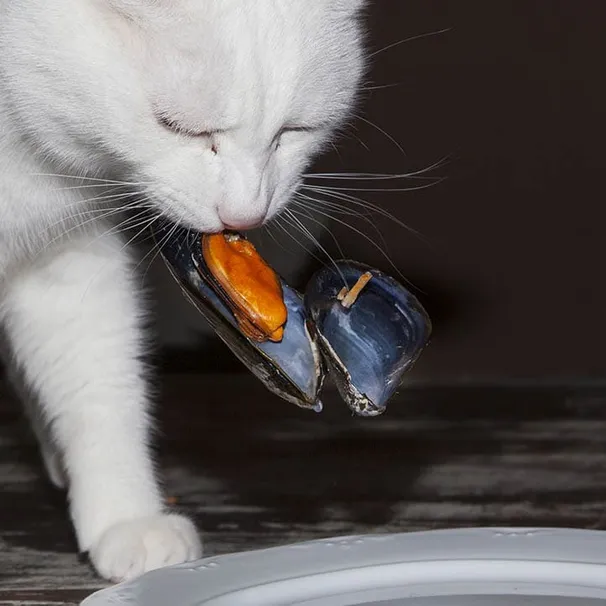
Mussels are a type of shellfish, just like clams and oysters. There are many different types of mussels, with saltwater and freshwater species living all over the world. They’re generally served cooked in a flavorful broth. Mussels make a great meal because they are a high-protein, nutrient-packed meat that could make a great change of pace from your cat’s regular food. Many cats enjoy eating mussels from the shell—this gives them a chance to explore and play with their food, making them happier and healthier, although you need to monitor them to ensure they are not eating the shells.

What to Look for in a Meat Source
Cats need meat-based meals to be healthy and survive, but there’s a lot of meat out there! Cat foods are made with all kinds of meat, from red meat to poultry to seafood. In general, cats need to get enough protein and fat from their food, but not too much, or you run the risk of obesity. Cats are healthiest when eating meals that are at least 26% protein and at least 9% fat. They also need to get a variety of vitamins and minerals in their food.
How Do Mussels Measure Up?
Mussels are a protein-packed, low-fat food source. They are around 23% protein and 3.5% fat. Both of those numbers include water weight, so their dry matter basis would be higher. Because they are much higher in protein than they are in fat, mussels are a great option for adding extra protein into your cat’s diet without adding too much fat.
Mussels also have many other nutrients that are important for your cat’s health. They are rich in omega-3 fatty acids. In the form of EPA and DHA, which are beneficial for the cat’s overall health as they have anti-inflammatory properties and are particularly beneficial for their heart, brain, joints, and coat. Mussels are also a source of iron and vitamin B12, both essential nutrients that help your cat’s red blood cell production, helping them remain healthy.
Another important nutrient in mussels is vitamin A. Vitamin A is vital for healthy skin and fur in your cat, among other things. In the wild, cats get vitamin A from the livers of their prey. Mussels also contain small amounts of many other vitamins and minerals that are healthy for your pet.
Just like in the case of other seafood items, mercury might be a concern, and while some species of mussels have lower mercury levels it largely depends on the pollution levels of the area where they grow. Reports and studies show variable results so caution must be taken when feeding mussels to cats. While there is no official regulation for mercury levels in pet food, experimental studies suggested that a limit of 70 ng/gr is an acceptable level, and 100 ng/gr of food is a level of concern for cats. It is always better to ask a veterinarian before you add any supplements to your cat's diet.
How Often Can I Feed My Cat Mussels?
Mussels are a great food source for cats, but that doesn’t mean that they should be the only food source. They aren’t likely to have every nutrient your cat needs, and they are too low in fat to be healthy as a primary source of fat. You can feed your cat mussels to supplement your cat’s food regularly, though. Adding mussels to your cat’s diet two or three times a week is sufficient.
When you feed your cat mussels, avoid overfeeding. Give your cat a few pieces of meat at a time. Consider feeding your cat a little less of their normal food to make up for it, especially if your cat is overweight.
Green-lipped mussels from New Zealand have been gaining popularity in recent years and this is because they are a source of chondroitin, and omega-3 fatty acids in the form of EPA and DHA, which makes them a great supplement for pets with inflammatory joint conditions.
Risks and Precautions
Even though mussels are overall a healthy food for your cat, that doesn’t make them perfect. One of the biggest risks in eating mussels is shellfish allergy. Watch for signs of allergies in your cat, such as vomiting, diarrhea, swelling, hives, or signs of pain. If your cat shows signs of allergy, you should remove mussels from your cat’s diet.
You should also make sure mussels are clean and fully cooked. Mussels can carry bacteria and diseases that might be harmful to cats. Observe proper food handling precautions when working with mussels, just like you would for any other kind of meat. Keep meat refrigerated and freeze whatever won’t be eaten in a few days. Don’t feed your cat more than he will eat in one sitting or leave the meat in his bowl. Don’t mix raw and cooked meat.

Last Thoughts
As you can see, there are many great reasons to feed your cat mussels! They make a healthy addition to your cat’s regular food, and they are a great way to bring in some nutrients your cat might be missing out on.
Related Reads:
Featured Image Credit: mp1746, Pixabay
Expert cat care, straight to your inbox
News, insights, and useful advice, delivered to you.

No spam — unsubscribe anytime.
By signing up, you agree to our Terms & Conditions and Privacy & Cookies Policy.
How useful was this post?
Click a star to rate. You can leave written feedback afterwards. (We read all feedback.)
Chelsea Flake Mortensen is a writer with a passion for cats. Growing up, she spent quite a bit of time around cats, along with a variety of other interesting pets. Chelsea holds a BA in English and Creative Writing from Brigham Young University.