9 Ways to Get Your Cat to Like Using the Litter Box - Vet Approved Methods


One of the great things about cats is that, unlike dogs, they usually don’t have to be potty-trained. Due to their instincts, they simply know how to use a litter box; covering up their waste is hardwired into them, making the litter box the only obvious choice for a bathroom. But what do you do if you have a cat that just doesn’t like using the litter box for some reason? You help them learn to like it, of course!
There are several reasons a cat might not enjoy using the litter box, such as disliking the litter used, hating where the litter box is placed, and so on and so forth. However, there are ways to attract cats to the litter box. You just have to know what to do.
Here are nine ways to get your cat to like using the litter box!

The 9 Ways to Get Your Cat to Like Using the Litter Box
1. Clean the Litter Box Regularly
One of the biggest reasons a cat won’t like using the litter box is because it’s too dirty for them. Waste should be scooped at least once a day (but twice a day is ideal). Of course, if you have more than one cat, you may need to scoop more than that.
Litter should be entirely replaced occasionally, but how often will depend on the type of litter you use and the sort of litter box you have. You may need to replace it once a week, but if you scoop regularly, you may be able to get away with replacing it just a couple of times a month. When you replace the litter, you should also scrub the litter box clean with soap and water.
Keeping your cat's litter box clean enough for them is a surefire way to have them like the litter box more.
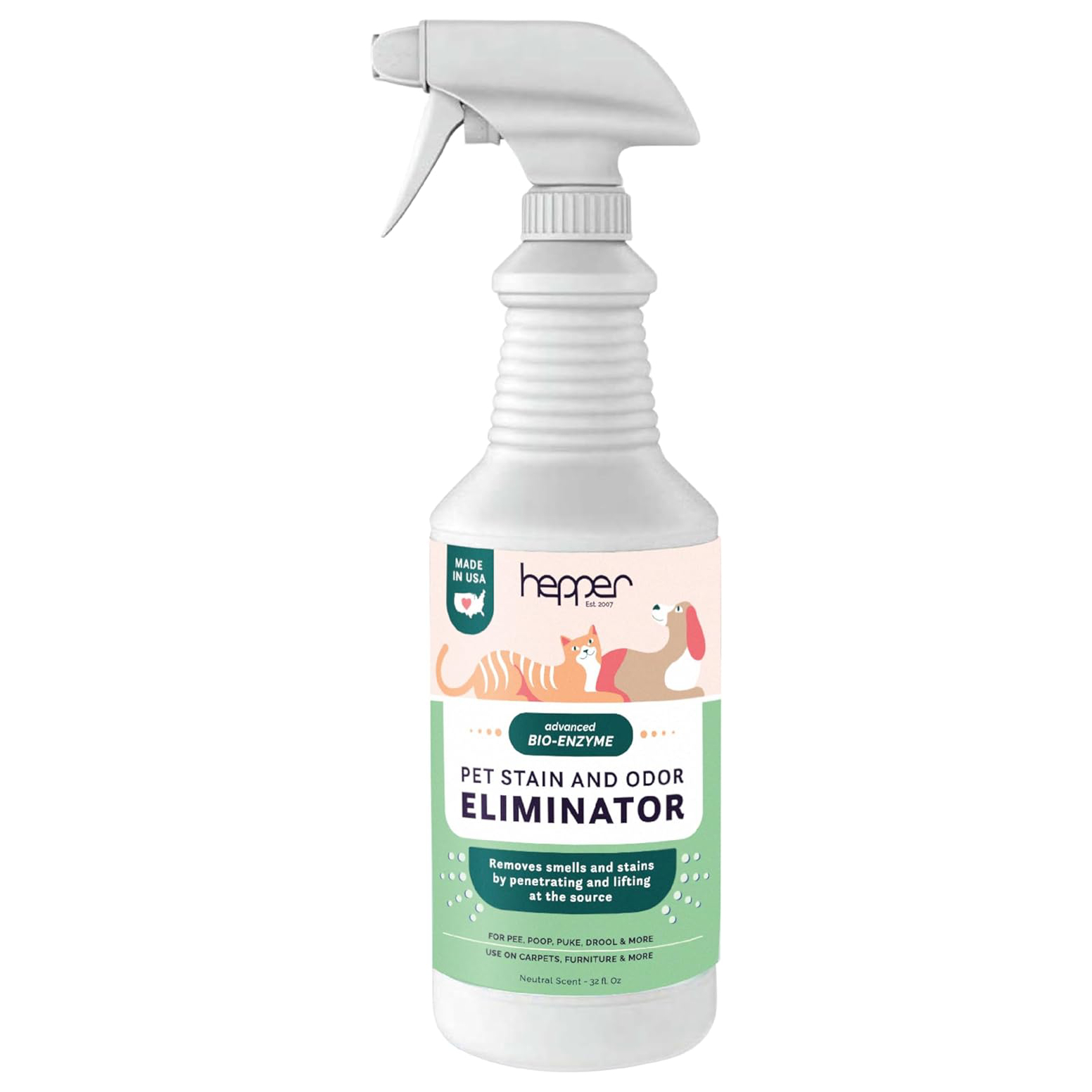
Combating tough cat litter smells is an ongoing battle for pet parents but luckily, there are products out there designed to help! One product that significantly reduces odors is the Hepper Enzyme Spray.
| Image | Product | Details | |
|---|---|---|---|
|
Hepper Advanced Bio-Enzyme Pet Stain & Odor Eliminator Spray |
|
Check Price |
At Catster, we’ve admired Hepper for many years and decided to take a controlling ownership interest so that we could benefit from the outstanding designs of this cool cat company!
2. Ensure You’re Using the Right Kind of Litter Box
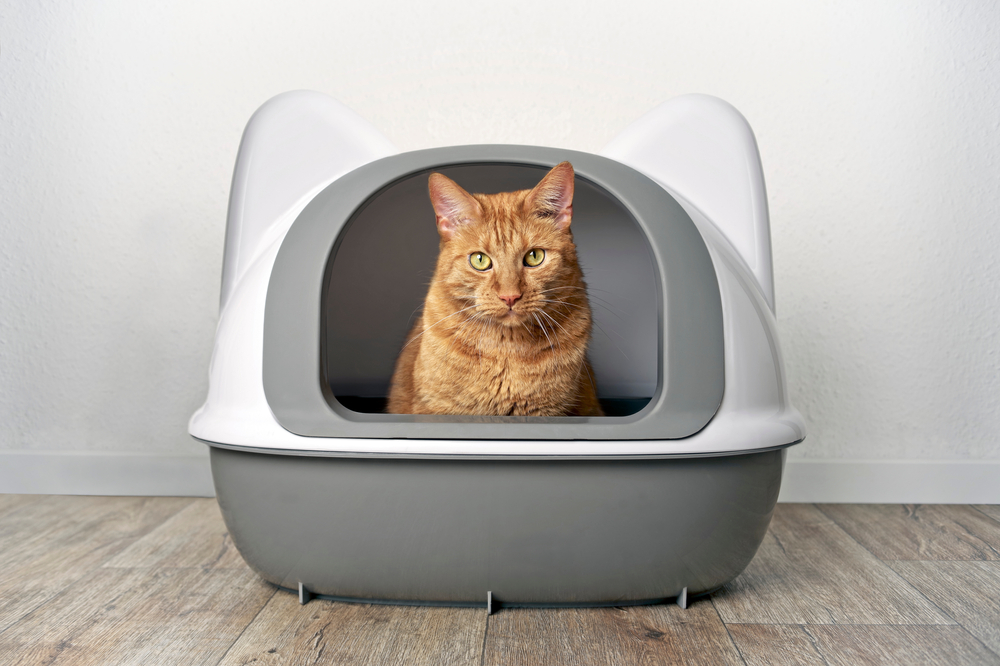
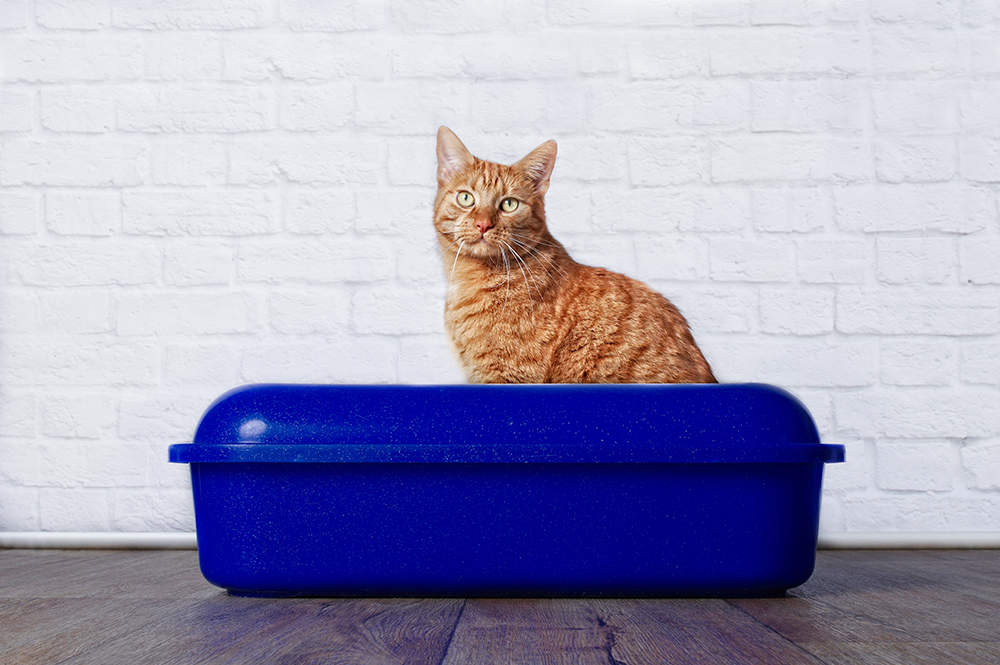
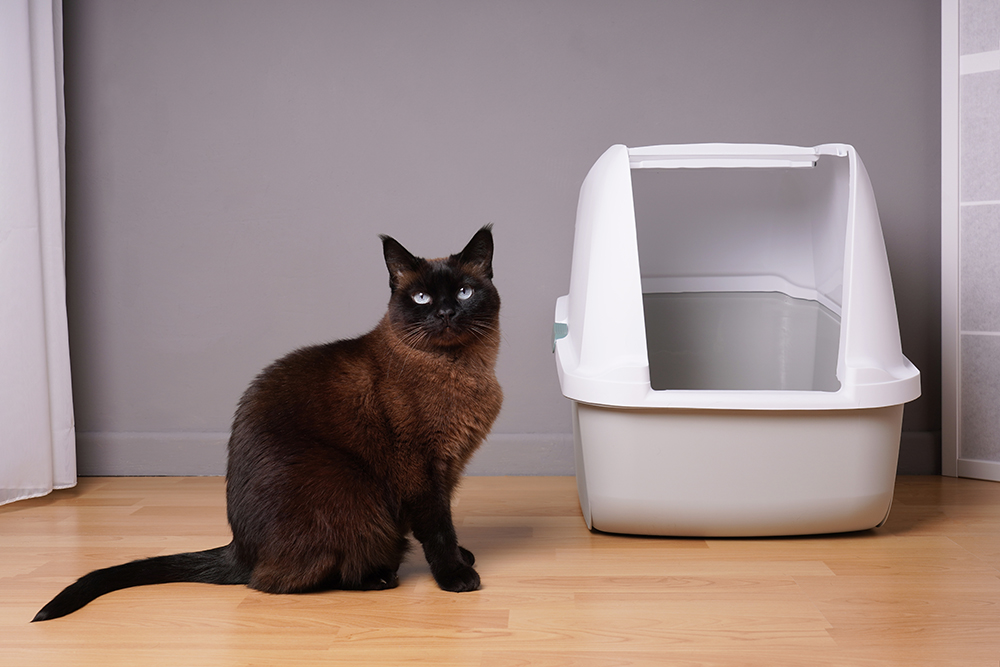
Wait, aren’t all litter boxes essentially the same? Not exactly. Your kitty wants to feel safe when using the litter box, and some kinds could make them feel unsafe. What makes a cat feel safe when using the litter box? Being able to see all escape routes (blame those hardwired instincts again) and having a clean spot to eliminate waste.
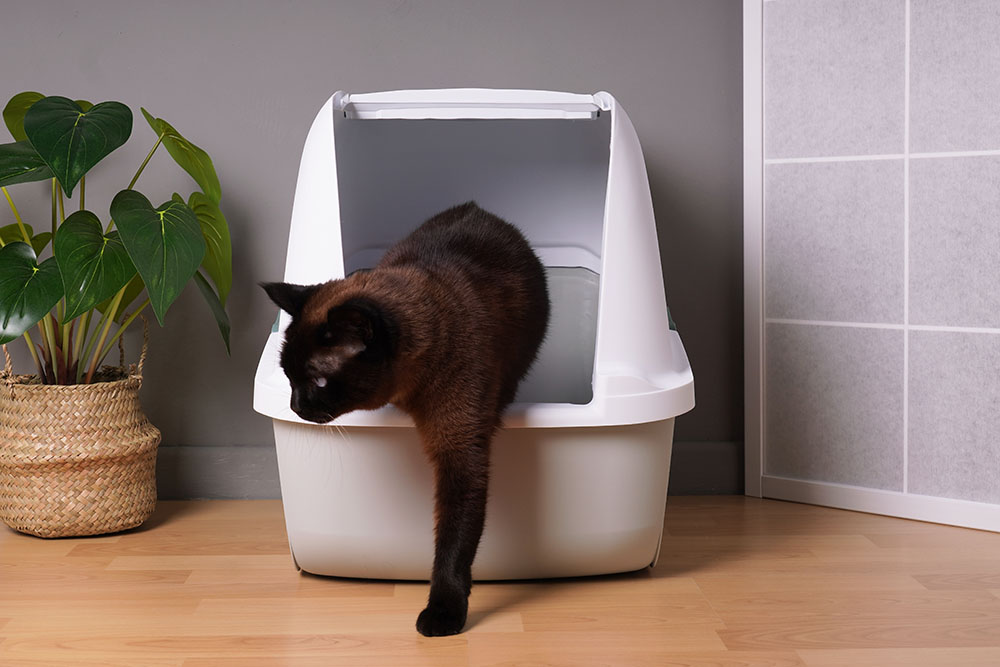
This means while some cats might be fine with a covered litter box, others won’t be because they can’t see out on all sides (not to mention it’s easier to forget to scoop the litter box regularly when you can’t see what’s in there). The same goes for self-cleaning litter boxes; some felines won’t mind them, while others will dislike the fact they’re covered or the noise they make as they get rid of waste.
Essentially, if your cat doesn’t like the litter box, they won’t use it.
3. Be Sure the Litter Box Is the Right Size
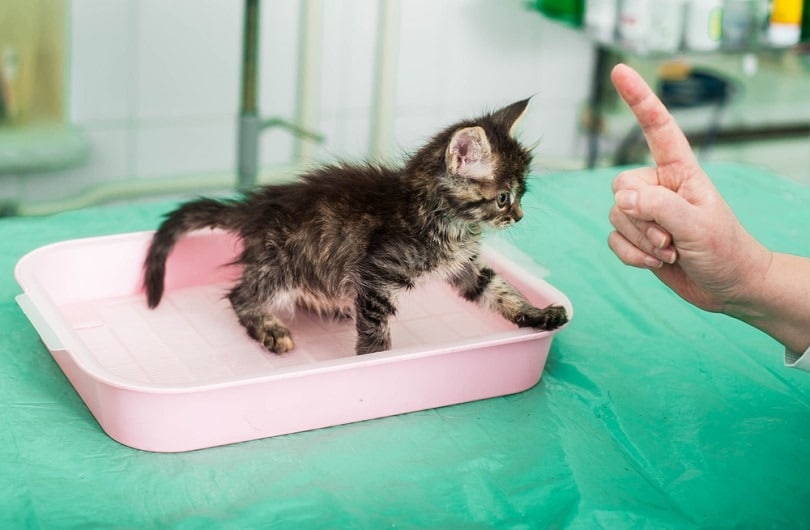
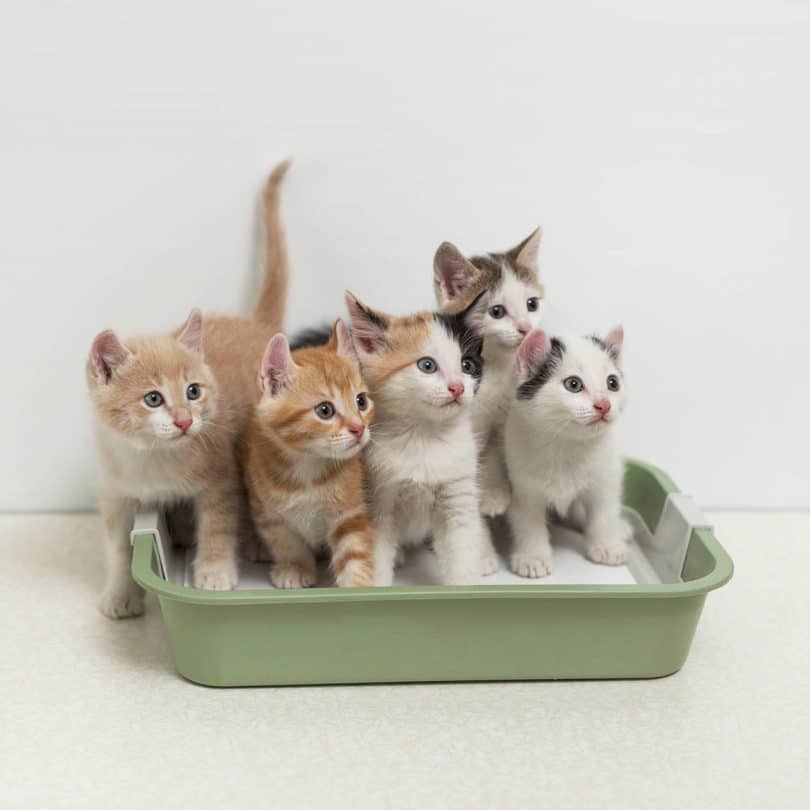
Your cat’s litter box needs to be the correct size for them. Kittens will need smaller litter boxes with low sides that are easy to get in and out of. But adult felines will need larger boxes so their rears aren’t hanging over the sides of the box. Plus, your cat should be able to comfortably turn around in a litter box. A good rule of thumb is that a litter box should be approximately 1 ½ times as large as your pet’s length (usually about 24 to 30 square inches).

4. Make Sure the Litter Box is in a Safe Spot
What constitutes a safe spot for the litter box? First, litter boxes should be placed out of the way of high-traffic areas; any location you choose should be on the quieter side. This also means you shouldn’t put the litter box next to something noisy, like speakers or the washing machine.
The litter box should be far removed from your pet’s food and water bowls. Another hardwired instinct for felines is to have their bathroom areas and eating areas separate. If the two are too close together, the cat may avoid the litter box.
Finally, be sure the litter box is in a highly accessible area. If you have an older cat who has trouble with stairs, a litter box placed on an upper level of your home would be difficult for them to get to. Or if the litter box is located in a bathroom or closet and the door isn’t kept open at all times, there could be problems.
Remember, location is key!
5. Use Litter Your Cat Likes
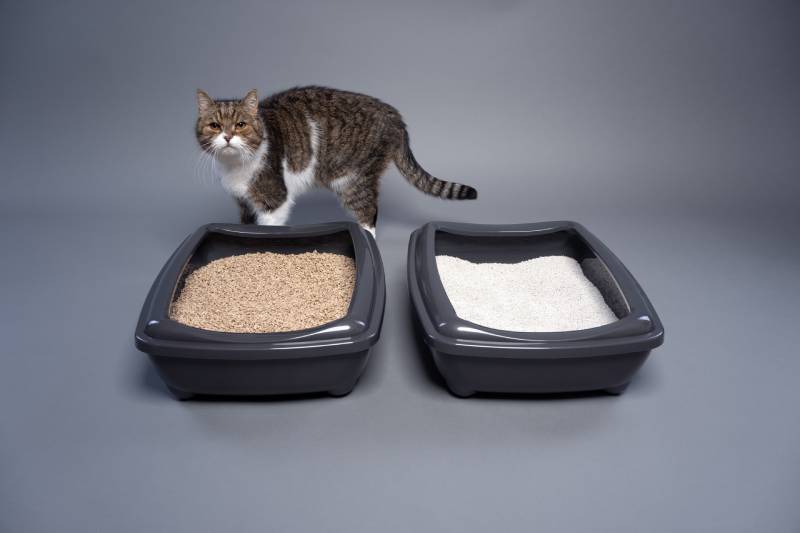
Many kinds of litter are available—bentonite clay, wood shavings, paper, silica gel, and more. You need to pick a litter that’s suitable for the type of litter box you have, but more importantly, you should choose a litter your cat will like. Many felines prefer litter that has a similar consistency and texture to sand, but every cat is different. You’ll need to find out whether your pet likes scented litter or not as well. Sometimes, scented litter can be too overpowering or even irritate their respiratory system, which could lead to them avoiding the litter box.
You might have to go through a few kinds of litter to find the one your kitty prefers.

6. Be Sure Litter Is Deep Enough
You can’t just cover the bottom of the litter box with litter and be done with it. Cats prefer a certain depth to their litter, and if there is too little or too much in their litter boxes, they may dislike it. For kittens, at least an inch of litter is good. For adult cats, and depending on the type of litter, the least amount should be three inches.
7. Have Enough Litter Boxes
You’ll want several litter boxes placed around your home if you have multiple cats. Ideally, you should have one for each cat you have plus one. If you have only one cat, you should still consider having an extra litter box or two. The more litter boxes in the home, the better the chances your pet will use one of them.

8. Accommodate Your Cat’s Needs
If your kitty is older and has joint problems or has some sort of mobility issue (like only having three legs), a regular litter box might not be suited for them. You might find that the sides of the litter box are too high for them to step in and out comfortably, for example. If you can’t find a litter box that accommodates your pet’s needs, you might have to make some tweaks to a regular litter box. You can cut down sides or make a ramp for your pet to use to get into the box; whatever works best for the kitty.
9. Check Your Pet for Health Issues
If your cat is ignoring the litter box, there could be a medical issue causing them to do so. Kitty could feel anxious or stressed, making them not want to use the litter box. Or there might be an underlying medical condition, like a urinary tract infection or urinary stones, causing them not to use it. And if your cat is older, they could be dealing with cognitive dysfunction; which can lead to behaviors like avoiding the litter box in felines. Speak with your vet if you feel there might be a health-related issue keeping your cat from liking the litter box.
Conclusion
Cats can dislike using the litter box for several reasons, but there are ways you can get yours to like using theirs. Ensuring that you have the right kind of litter box (and litter), the litter box is properly placed, and you’re cleaning it regularly can all go a long way in helping your kitty to like going to the bathroom where they should. You should also be sure the litter box accommodates your pet’s needs and is large enough for them so they don’t hate getting into it. Taking the actions above, you should have your cat using the litter box in no time!
Related Reads:
Cat Litter Attractants: Do They Work? Vet-Approved Facts & FAQ
8 Cat Litter Box Tips to Promote Healthy Habits (Vet Verified)
Featured Image Credit: jamesjoong, Shutterstock

Expert cat care, straight to your inbox
Vet-reviewed advice, behavior tips, and the best of Catster. Free, and you can unsubscribe anytime.
By signing up, you agree to our Terms & Conditions and Privacy & Cookies Policy.
Misty Layne lives out in the woods in small-town Alabama with her two Siamese cats —Serafina and Jasper. She also has an array of stray cats, raccoons, and opossums who like to call her front porch home. When she’s not writing about animals, you’ll find her writing poetry, stories, and film reviews (cats, by far, her favorite writing topic, though!). In her free time, Misty enjoys chilling with her cats, playing piano, watching indie and foreign films, photographing abandoned places, and catching up on her never-ending TBR list.
Join the conversation
Ask a question, share your story, or send private feedback.