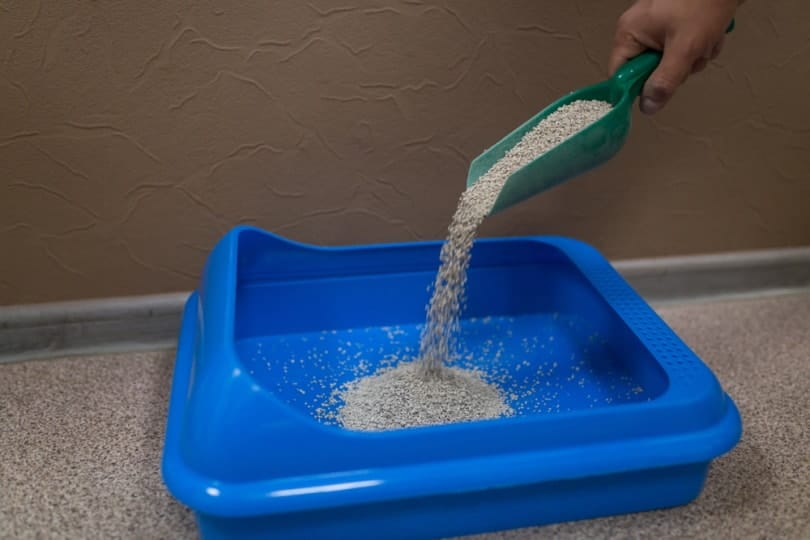
Cat Litter Attractants: Do They Work? Vet-Reviewed Facts & FAQ


In this article
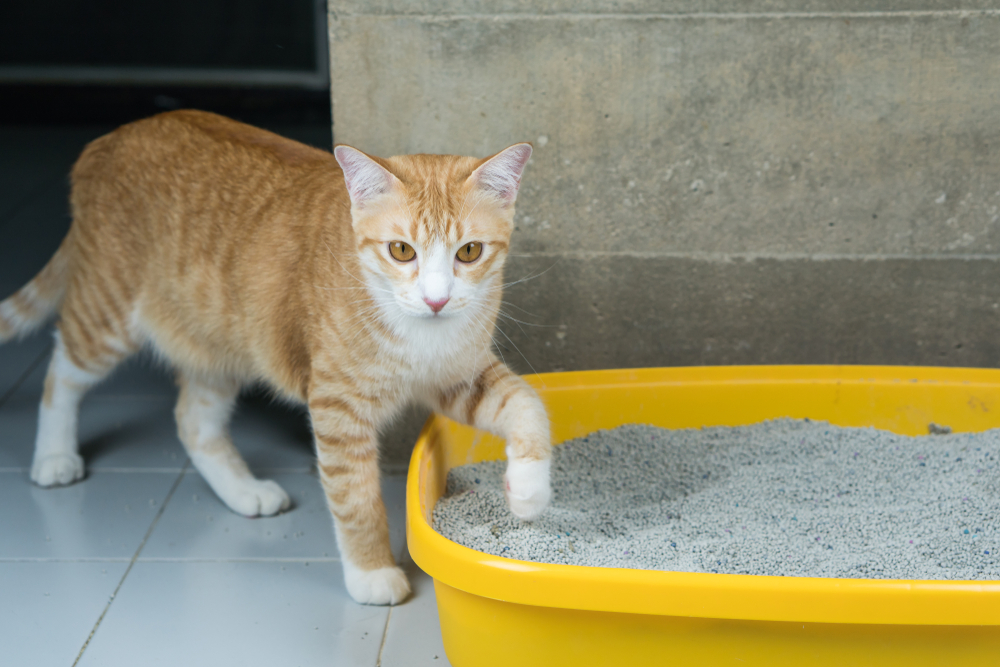
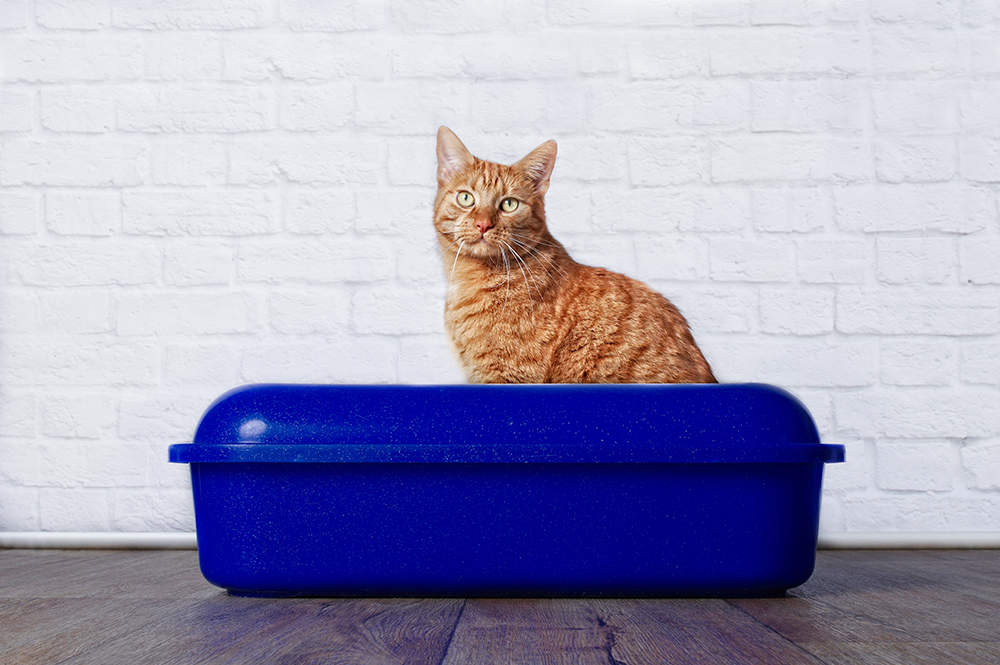
Cat litter training is a relatively easy task, and most kittens that are around 3 weeks old quickly learn the ropes of using a litter box by watching their mothers. Cats are naturally inclined to use their litter box once they know where it is and understand its purpose.
But not all cats take to litter training as easily as others. Some require a little motivation, and a cat litter attractant can be exactly what your kitty needs to use their box properly. While few studies exist examining the effectiveness of attractants, they do show promising outcomes.
Read on to learn more about litter attractants, their effectiveness, and what you need to know if your cat suddenly starts eliminating outside of their box.

What Are Cat Litter Attractants?
As its name suggests, a cat litter attractant is a product specifically designed to attract a cat to their litter box. The attractants are usually made with enticing odors that cats respond favorably toward. Examples include the following:
Cat Litter Attractants
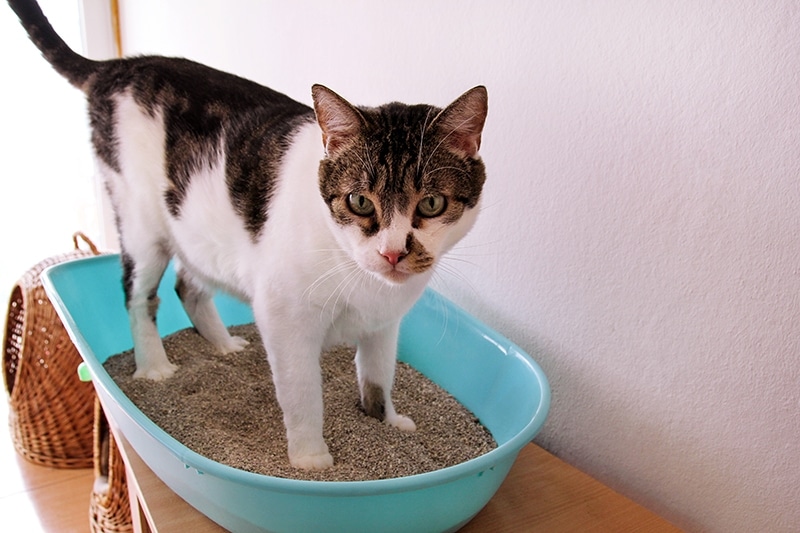
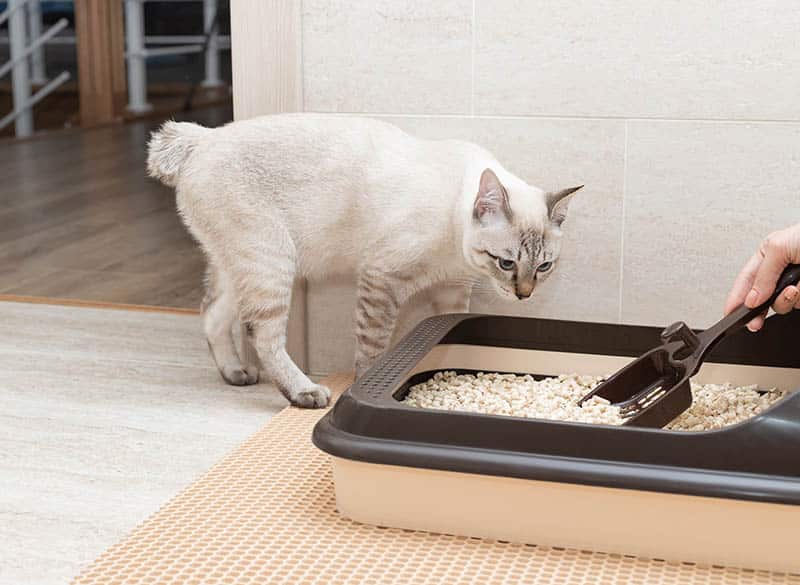
If you’ve ever given your kitty a catnip toy, you know how enticing these can be for most cats. Litter attractants work similarly. Cats that are drawn to the attractant (from its smell) will spend more time exploring, digging, and using the litter box. Interestingly, male cats seem to respond more readily to litter attractants than female cats.

Do Litter Attractants Work?
Studies involving litter attractants are few, but they have shown promising results.
One study 1 brought in 16 cats and housed them in two groups of eight for 1 month. Each group had access to eight litter boxes filled with different materials. During the first portion of the study, half of the litter boxes had clay litter, and the other half were filled with plant-based kinds. Eventually, all the boxes were transitioned to 100% plant-based litter. After a week, the researchers added an attractant to half the litter boxes.
The findings suggest that the cats were more likely to urinate in the attractant litter than other types used in the study. Interestingly, male cats were more likely to be drawn to the litter attractant compared to female cats.
How Do I Use a Cat Litter Attractant?
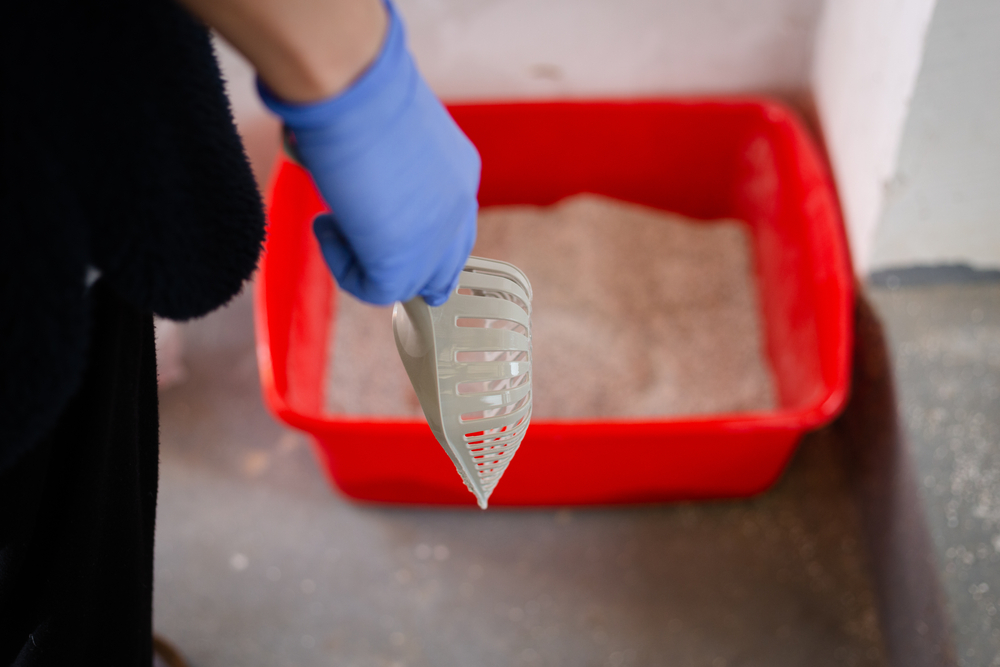
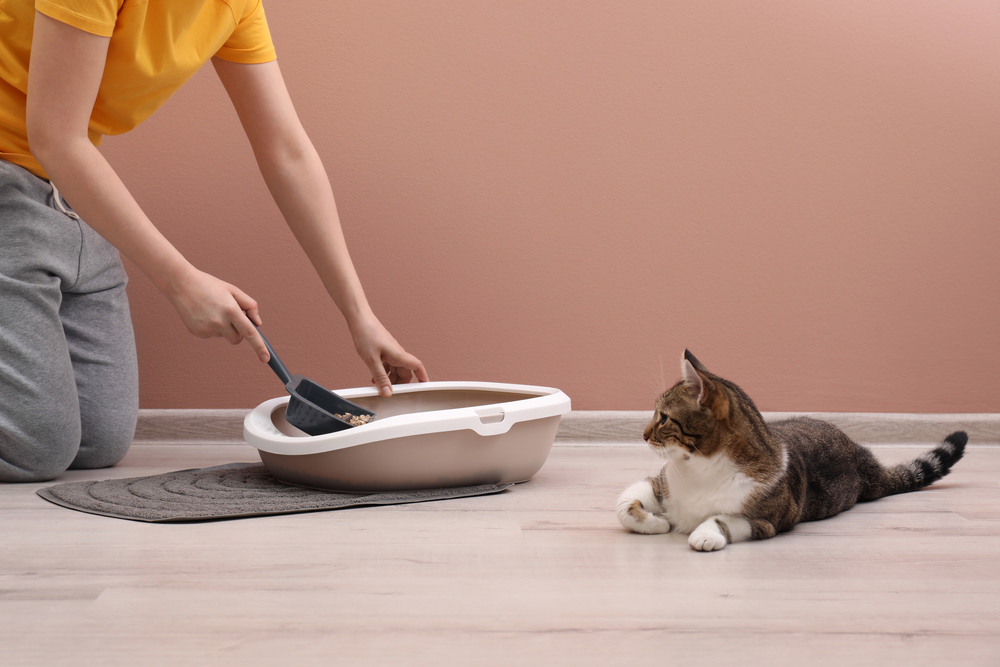
It’s best to start with a completely fresh litter box, so empty it entirely and then clean, disinfect, and dry it.
Sprinkle a small amount of the attractant in the empty box, then pour a fresh layer of litter on top to cover it. Be sure to read the instructions for use on the attractant your purchase to ensure you’re using enough of the product to do its job effectively.
Sometimes, litter attractants are in the form of a spray. To use such a product, begin by cleaning, disinfecting, and drying your litter box, as mentioned above. To use the spray, place a newspaper (or any other similar disposable item) on the floor where you intend to place the litter box. Spray the product onto the newspaper, and then place the litter box on top of the newspaper. Fill it in as you normally would.
At other times, some litter comes with pre-mixed attractants. This sort of litter is also known as training litter. If you opt for this type of litter, then you would simply use it like any other litter.

Make Your Own Cat Litter Attractant
While several big pet name brands manufacture their own line of cat litter attractants, you can make your own at home if you don’t have the funds to drop on the commercialized kind. However, keep in mind that cats respond differently to the following at-home litter attractant options, and your cat may not necessarily respond well to these remedies.
In addition, it’s also prudent to note that, at times, litter box issues can be caused by underlying health problems. Therefore, if your cat seems to struggle when it comes to using the litter box properly, it’s very important to visit your veterinarian and seek their input before attempting these at-home remedies.
1. Catnip

The easiest DIY attractant is catnip, as chances are you already have some in your home. Catnip contains the aromatic oil nepetalactone, which causes a temporary calming effect in some cats. Squish a bit of catnip between your fingers and sprinkle it in the empty litter box after cleaning it out thoroughly. Top up with your pet’s favored litter.
Be mindful of the fact that catnip can cause hyperexcitability in some cats, and an overstimulated cat may end up excitedly digging out all the litter in their box and making a mess.
2. Cat Thyme

Cat thyme is safe for your kitty and, therefore, safe for use in your litter box. It is strongly scented—in a bad way—so we recommend mixing it with a bit of cornstarch to absorb some of that awful fragrance. You may need to do some trial and error here to determine the perfect balance of thyme and cornstarch to ensure it’s not too strongly scented for you but just enough to attract your kitty to their box. Cat thyme works in a similar way to catnip, so your cat’s reaction to the plant can be unpredictable at times.
3. Chamomile

Studies show that chamomile has a calming effect on animals, so it may be the perfect attractant for kitties avoiding using their litter box due to stress or anxiety.
Why Do Cats Pee or Poop Outside of the Litter Box?
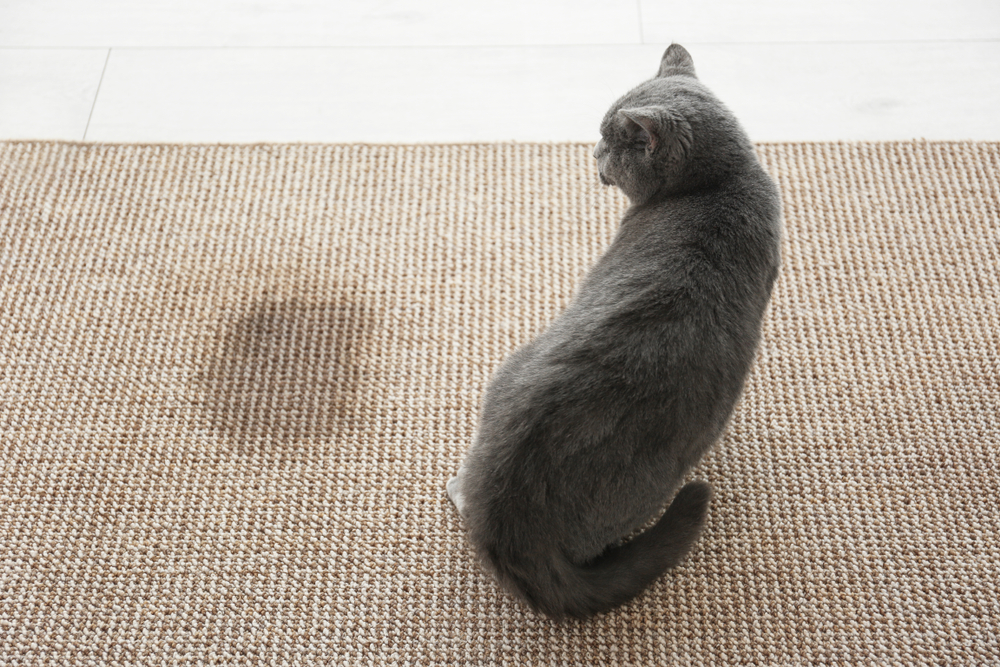
Your cat may be skipping out on their litter box and eliminating elsewhere in your home for many reasons.
Some of the most common reasons behind this behavior include:
We highly recommend visiting your veterinarian before using a litter attractant to manage your cat’s inappropriate elimination. Your vet can do an examination to determine the reason behind your kitty’s bad litter box habits and develop a treatment plan that may or may not include litter attractants.
Final Thoughts
While more studies need to be done on the effectiveness of cat litter attractants, it doesn’t hurt to try them if your kitty has inappropriate litter box behaviors. Of course, we recommend you take your cat to the vet for a wellness exam to rule out any health conditions that could be causing the inappropriate urination or defecation.
Featured Image Credit: Mila Naumova, Shutterstock

Expert cat care, straight to your inbox
Vet-reviewed advice, behavior tips, and the best of Catster. Free, and you can unsubscribe anytime.
By signing up, you agree to our Terms & Conditions and Privacy & Cookies Policy.
For Chantelle, writing and animals are the two driving forces in her life. Growing up on the Canadian prairies surrounded by pets, she now shares her home with five cats, two guinea pigs, and a bearded dragon. Chantelle, her husband, and their child pride themselves on being dedicated pet parent, even spending a fortune on wall-mounted cat shelves to provide their cats with an indoor jungle gym. When she's not snuggling with her cats or photographing their humorous moments, Chantelle is exploring the Rocky Mountains, rewatching her favorite Netflix series, and reading up on various random subjects.
Join the conversation
Ask a question, share your story, or send private feedback.