8 Cat Litter Box Tips to Promote Healthy Habits (Vet Verified)


Litter boxes are a fact of life if you have a cat. While scooping and cleaning your cat's litter may not be high on your list of enjoyable activities, keeping their bathroom facilities in top shape is one of the most important things you can do to ensure your pet stays happy and healthy.
Encouraging good litter box habits comes down to providing the most pleasant restroom experience possible, which essentially involves placing litter boxes in places cats feel comfortable and ensuring they stay as clean as possible. Keep reading for eight tips to promote good litter box habits.

The 8 Cat Litter Box Tips to Promote Healthy Habits
1. Pick the Right Litter Box
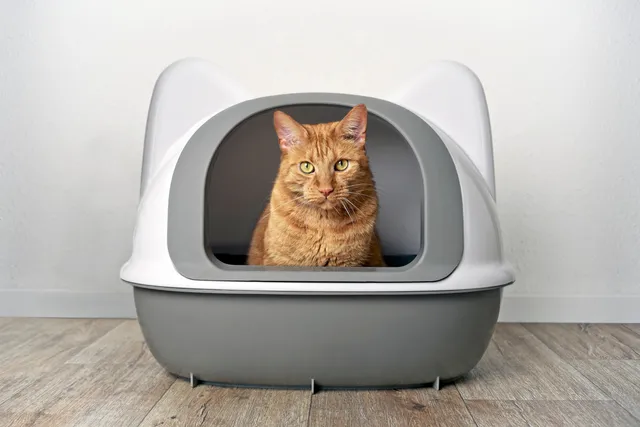
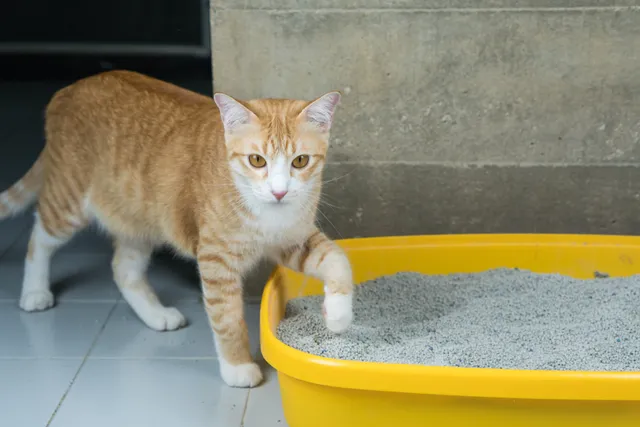
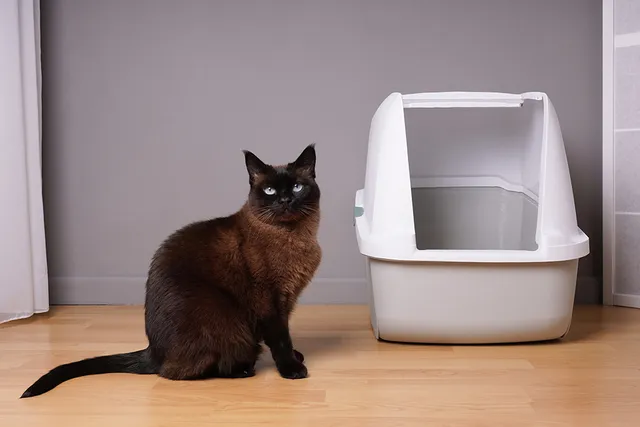
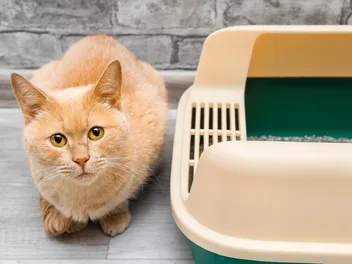
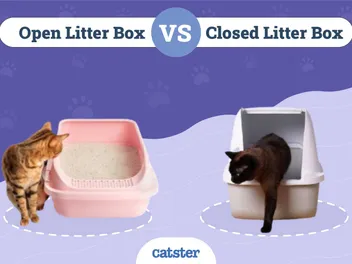
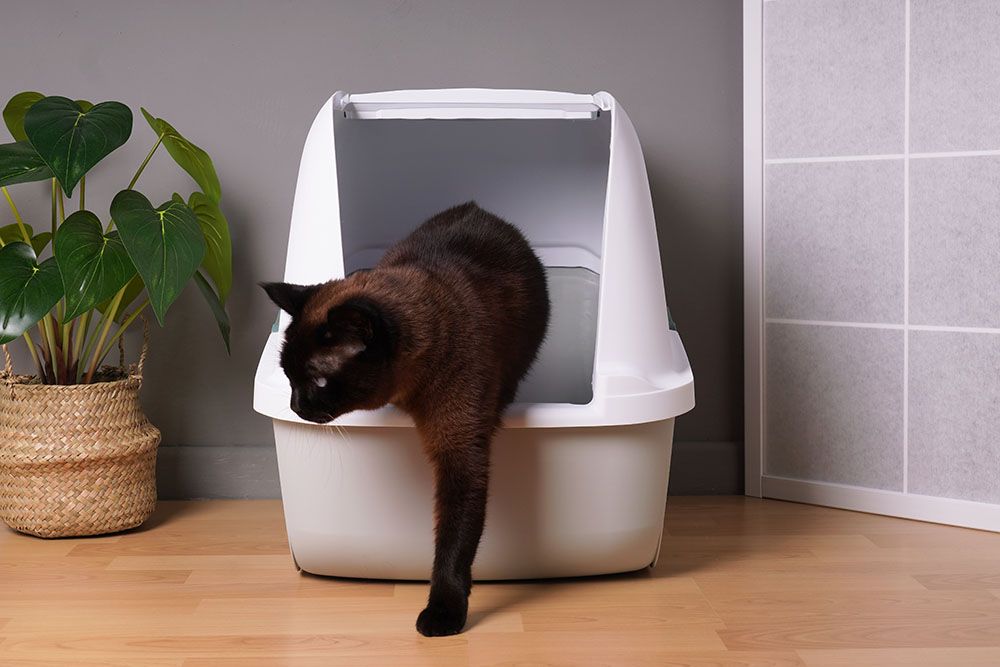
Some cats prefer open litter boxes that give them room to turn around and dig comfortably. Many dislike litter boxes with tops since they can trap odors and become too pungent for cats' comfort. On the other hand, others prefer the privacy that the tops offer.
The sounds from automatic models that clean themselves can scare some cats and lead them to use the bathroom where they don't have to worry about noise and disruptions.
2. Select a Litter Your Cat Likes

Cats instinctively prefer to go to the bathroom in areas that feel sandy underfoot, so it should come as no surprise that commercial litter with a similar consistency is the most popular among cats.
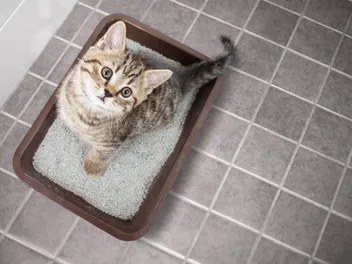
Because cats have such sensitive senses of smell, scented litter can be overwhelming to some. Cats also prefer litter that is more than an inch deep, so don’t be stingy with the litter.
3. Put the Litter Box in the Right Place
Putting litter boxes in locations that please cats can increase the likelihood of good restroom behavior. Avoid placing the litter in the same area where they eat since they dislike having their food and toilet too close to each other. At least 5 feet away would be appropriate.
Cats can be caught off guard while using the bathroom if their litter boxes are located in areas that see lots of activity, such as in kitchens and frequently used family rooms, which can make them uneasy about their bathroom facilities and lead them to urinate or defecate elsewhere. Noise from washers and dryers can also be a deterrent. In cats with mobility issues a box that is hard to access, for example if it is placed up high or has high sides, can become too difficult to use.
4. Scoop the Litter Every Day

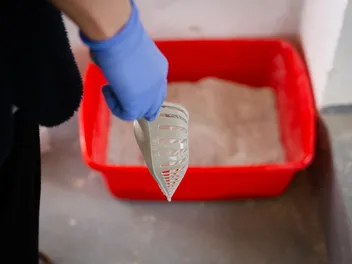
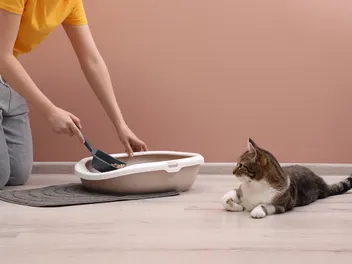
Cats avoid using smelly litter boxes, but because they have such keen senses of smell, they can become stressed by scents that don't seem strong to humans. No matter what type of litter you choose, the box must be scooped daily. Give the litter a scoop every time you see something in it to keep the box hygienic for your cat.
5. Clean the Litter Box Regularly
Litter boxes need to be totally cleaned at least twice a month to keep smells to a minimum, but a weekly cleaning is even better. Grab a trash bag, dump all the dirty litter, and wash the litter box with hot, soapy water to eliminate bacteria and keep the box smelling fresh.
Avoid using cleaning products with bleach or ammonia since they're harmful to cats. A bit of vinegar can reduce odors and bacteria. Used cat litter should always be disposed of in the trash since flushing it can cause plumbing problems.
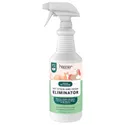
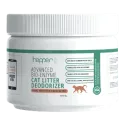
Combating tough cat litter smells is an ongoing battle for pet parents but luckily, there are products out there designed to help! Two products that significantly reduce odors are the Hepper Litter Additive and the Hepper Enzyme Spray.
| Image | Product | Details | |
|---|---|---|---|
|
Hepper Advanced Bio-Enzyme Pet Stain & Odor Eliminator Spray |
|
Check Price |
|
Advanced Bio-Enzyme Cat Litter Deodorizer |
|
Check Price |
At Catster, we’ve admired Hepper for many years and decided to take a controlling ownership interest so that we could benefit from the outstanding designs of this cool cat company!
6. Replace the Litter Box When Needed

Most litter boxes are plastic, which can retain bacteria and odors. Over time, litter boxes typically absorb smells and can become pungent, which seems to annoy cats and cause them to use the bathroom elsewhere. Replacing the litter box every year or so can keep the odors from irritating your cat.
7. Make Adjustments as Needed
While these suggestions work for most homes with cats, there are a few situations when adjustments are called for. If you have more than one cat, provide at least one litter box per cat and one extra to ensure everyone can make it to the bathroom in peace.
You may also need to scoop your cat's litter boxes at least a few times daily to keep smells at bay. If you have a senior cat or one who has trouble getting around, consider putting the box in an easily accessible location and using a model with low sides.
8. Stay Consistent

Cats generally don't like random environmental changes. If they're happy with their current location, it's best to leave the litter box in the same spot. Moving litter boxes can be stressful and lead to cats using the bathroom in unwelcome places.
Cats can also be quite particular about the type of litter they use and don't react well to product changes. Sticking with the brand your cat is accustomed to using is the easiest way to keep them happy.
Conclusion
Meeting cats' restroom preferences can go a long way toward keeping them happy and healthy and encouraging good bathroom behavior. Cats prefer large litter boxes that give them lots of space to maneuver, and they generally like their restrooms to be in calm places that allow them to relax while meeting nature's call. Regular scooping and cleaning are essential for keeping smells and germs at bay and cats happy with their litter boxes. If your companion is pleased with their litter setup, stick with it since changes can make them stressed and unhappy. See Also:
Senior Cat Litter Box Solutions: Vet-Approved Tips & Recommendations
Cat Litter Box Tips: 9 Vet-Approved Ideas For Placement, Cleaning & More
Sources
Featured Image Credit: Axel Bueckert, Shutterstock
Expert cat care, straight to your inbox
News, insights, and useful advice, delivered to you.

No spam — unsubscribe anytime.
By signing up, you agree to our Terms & Conditions and Privacy & Cookies Policy.
How useful was this post?
Click a star to rate. You can leave written feedback afterwards. (We read all feedback.)
Lorre Luther is a writer who is firmly convinced that cats are smarter than humans. She left her law career in the United States and moved to the Netherlands to follow her dream of becoming a writer. Lorre currently lives in Rotterdam, she enjoys traveling and greatly appreciates the beauty of nature. Lorre has a spot for animals and admires the intelligence of cats.