10 Springtime Hazards Cat Owners Need to Be Aware of (Vet Approved)

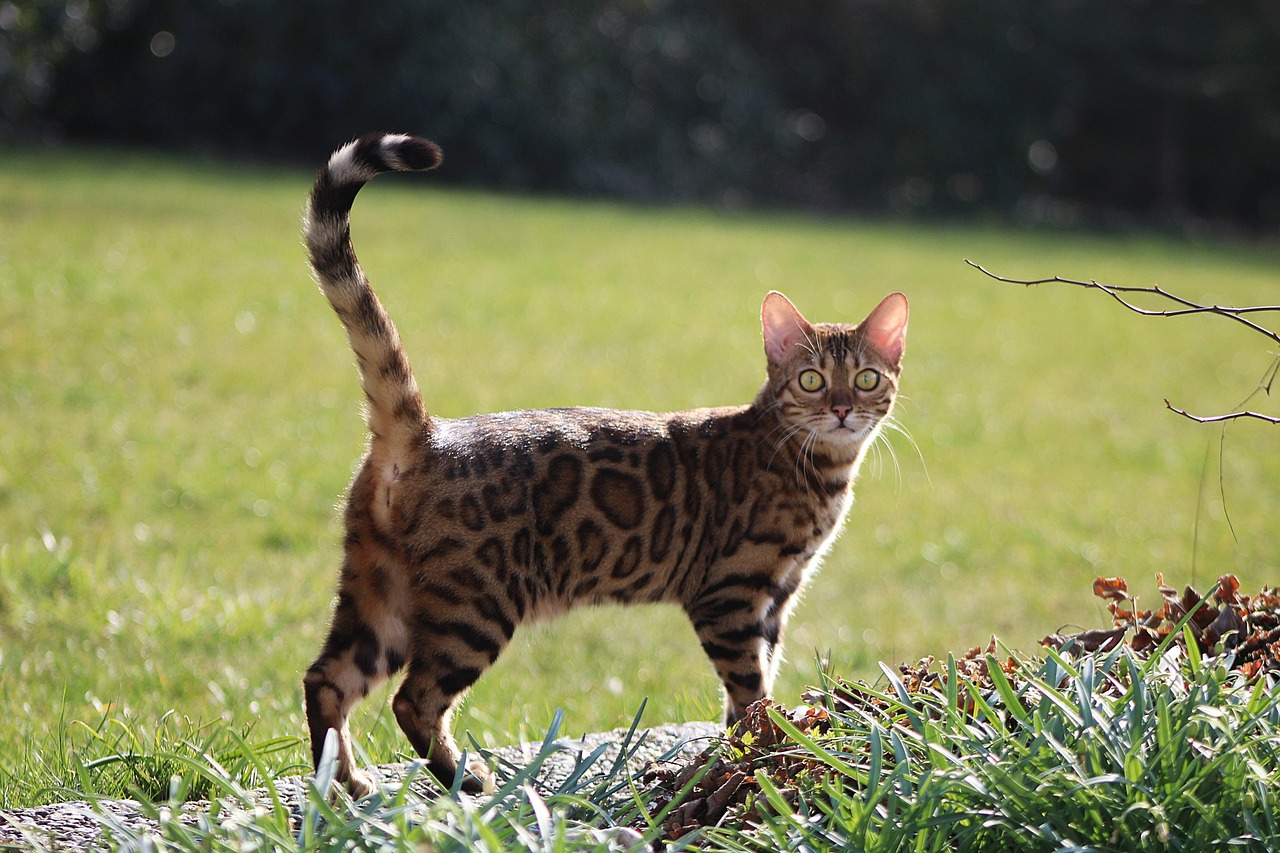
There is no more exciting time of year than spring. The snow is melting, buds are starting to appear on the trees, and the flowers are starting to bloom. However, with the warmer and sunnier weather comes seasonal hazards pet owners should be aware of. Read on to learn about 10 of the most common springtime hazards that all cat owners should know about.

The 10 Springtime Hazards for Cats
1. Ticks
Ticks are more than just creepy crawlies; they can spread, affecting pets and their owners. They transmit microbes that can cause diseases like Lyme disease and babesiosis. These parasites feed on the blood of their host and are, unfortunately, fantastic carriers of diseases. Because they’re so small, they can go unnoticed for days, giving them plenty of time to get plump, feeding off your pet.
If you notice a tick on your cat, twist it off using tick removal devices or sharp tweezers. Be very careful not to squeeze the tick’s body, thus causing it to expel blood back into your kitty. You’ll also want to pull carefully to avoid getting its head stuck inside your kitty. You also want to make sure you do not cut the cat with the tweezers.
You and your cat are most likely to encounter ticks during spring, summer, and fall, though they can actually be active any time of the year.

2. Mushrooms
Though the sun and warmer weather will grow your garden and give your trees back their leaves, they’ll also encourage mushroom growth. Mushrooms thrive in warm, wet weather and tend to flourish in many places in the U.S. and Canada. They can be found in forests, parks, and even in your own backyard. There are many different mushroom species, making identification difficult, even for the most knowledgeable forager.
In the best-case scenario, wild mushroom ingestion will cause vomiting and diarrhea. But in a worst-case scenario, eating the wrong kind of mushroom can cause death.
3. Fertilizers and Mulch
Homeowners often look forward to the spring to spiffy up the appearance of their yard and flower beds. They’ll use fertilizers and mulch to provide the nutritional elements and moisture necessary for plant growth.
Unfortunately, most fertilizers contain potentially toxic substances and chemicals like pesticides or fungicides. A small ingestion of fertilizer may only result in minor gastrointestinal upset; larger ingestions can cause severe poisoning from the iron, nitrogen, and other chemical components.
Mulch poses less of a threat for cats than dogs as they’re less inclined to chew the material, but it’s still worth mentioning here. Some types of mulch, such as those made with cocoa bean shells, will contain two compounds that are also present in chocolate, which can be dangerous for cats.

4. Spring Flowers & Plants
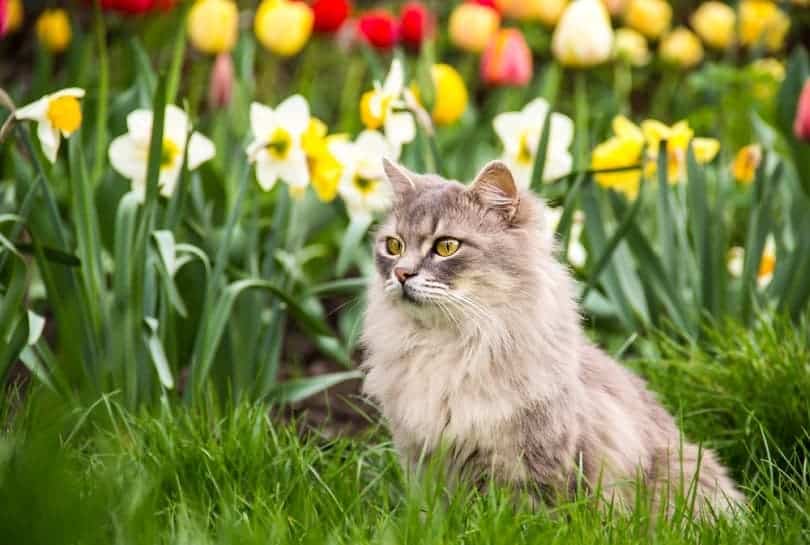
There’s nothing quite as mood-boosting as a garden full of beautiful spring flowers. As a pet owner, however, it’s a good idea to research what flowers are safe to grow in the presence of pets. Of course, if your cat stays indoors, you can grow whatever you like outside, so long as you don’t bring any clippings inside to display in a vase. Some of the most dangerous flowers commonly grown in the spring include daffodils, tulips, crocus, and hyacinths.
Another hazardous plant to be aware of is foxtail. Foxtails contain barbed seed heads that can burrow their way into your kitty’s skin, potentially causing abscesses and swelling. If eaten, they won’t break down in your pet’s digestive tract and can cause serious infections.
5. Lilies
Lilies are perhaps the single most toxic plant for cats, so they get their own bullet point in our blog. As beautiful as they are, all members of the Lilium plant genus contain chemicals that can cause irreparable damage to a cat’s kidneys. However, some types (Easter lilies, Stargazer lilies, and Asiatic lilies) are much more hazardous. Eating just a tiny amount of lily plant material or even lapping at the water in the vase is considered a veterinary emergency and will rack up vet bills faster than you can say “Happy Easter!” (ask me how I know).

6. Heartworm
Heartworm is a serious and progressive disease in cats caused by parasites called Dirofilaria immitis. It is spread by mosquitoes infected with heartworm parasites. When an infected mosquito bites your cat, immature worms will be injected into their tissues via saliva. The worms migrate to your cat’s heart and lungs, where they’ll continue to reproduce, causing potentially fatal damage to your pet’s organs.
7. Cleaning Chemicals
Spring is the perfect time to throw open your windows and do a deep cleaning of the interior of your home. Not all commercial cleaning products are safe to use in the presence of pets, however. When you spray your cleaners, the chemicals enter the air, landing on furniture, flooring, and your pets. Cats are fastidious cleaners, spending a good portion of their day cleaning themselves. So when the chemicals from your cleaners land on them and the things they use in their environment every day, they’ll inevitably ingest it. Make the switch to non-toxic or natural cleaners for both your health and your pets, too.

8. Wildlife
Many wild animals nurse their young during the spring, making them more aggressive, protective, and much more dangerous. Animals coming out of hibernation, like snakes, will be more active during the spring and can pose serious risks to your kitty. If your outdoor pet likes exploring the neighborhood and you live somewhere rife with wildlife, you might consider keeping them indoors for a few more weeks or checking your yard for any unexpected visitors before you let them outside.
9. Allergies
Cats are more like us than you might think, as they can develop seasonal allergies during the springtime, too. However, how our allergies present themselves differs between the species. When a human’s allergies flare up, they usually struggle with respiratory issues. When a cat develops allergies, they’ll most likely see signs of itchy skin. They’ll start rubbing their face, scratching, or licking furiously to find relief. They may also have open sores, scabbing, or hair loss.
If you believe your kitty is suffering from seasonal allergies, speak to a veterinarian. They may recommend supplements or medications to help your kitty overcome their allergies.
10. Easter Treats
Easter is associated with many yummy treats, which may, unfortunately, be deadly for our feline family members. Chocolate contains toxic compounds known as methylxanthines, specifically theobromine and caffeine. Ingestion can result in gastrointestinal signs such as vomiting and diarrhea, as well as seizures or even death. The severity of chocolate toxicity will depend on the kind and amount ingested as well as the size of the animal in question. As a rule, the darker the chocolate, the more toxic it is.
Final Thoughts
Though spring is an exciting time of year, don’t let your giddiness over the warm weather and sunshine cloud your judgment. With the proper precautions and education, you and your pets can safely enjoy all the wonderful joys of the season.
Sources
Featured Image Credit: Jeannette1980, Pixabay

Expert cat care, straight to your inbox
Vet-reviewed advice, behavior tips, and the best of Catster. Free, and you can unsubscribe anytime.
By signing up, you agree to our Terms & Conditions and Privacy & Cookies Policy.
For Chantelle, writing and animals are the two driving forces in her life. Growing up on the Canadian prairies surrounded by pets, she now shares her home with five cats, two guinea pigs, and a bearded dragon. Chantelle, her husband, and their child pride themselves on being dedicated pet parent, even spending a fortune on wall-mounted cat shelves to provide their cats with an indoor jungle gym. When she's not snuggling with her cats or photographing their humorous moments, Chantelle is exploring the Rocky Mountains, rewatching her favorite Netflix series, and reading up on various random subjects.
Join the conversation
Ask a question, share your story, or send private feedback.