Get

In Your Inbox

Catster is reader-supported. When you buy via links on our site, we may earn an affiliate commission at no cost to you. Learn more.

Why is My Cat Throwing Up Clear Liquid? 10 Vet-Reviewed Reasons


Share

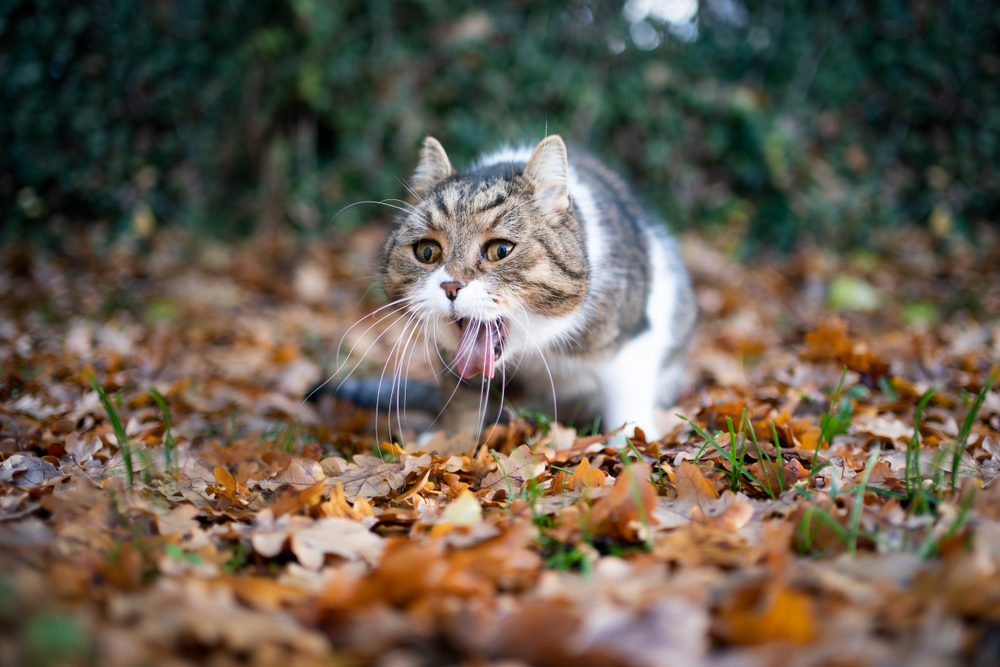
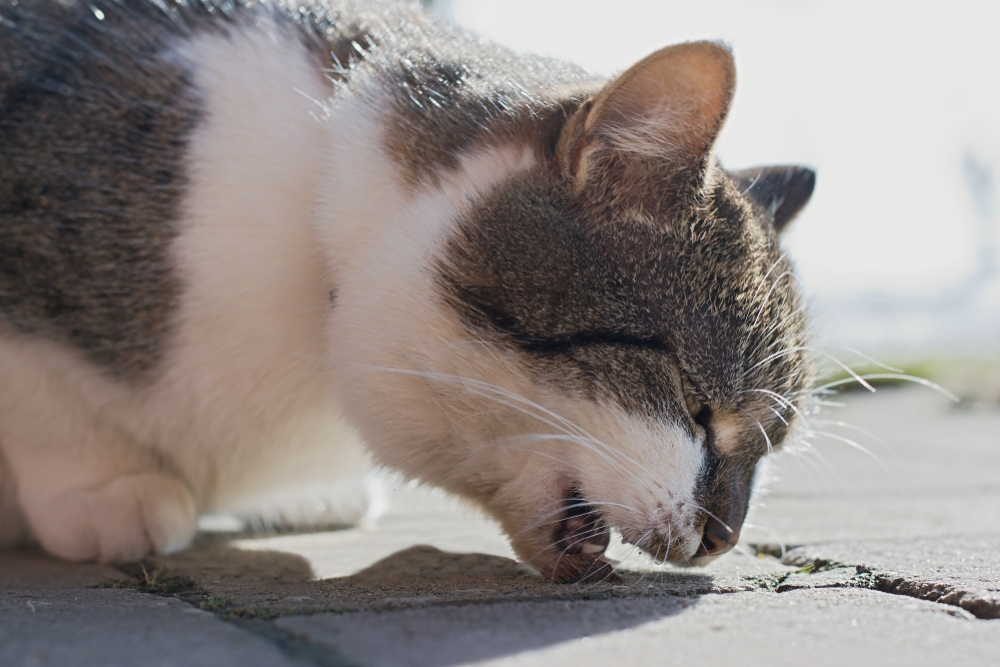
tabby white british shorthair cat vomit outdoors

Although cats descended from wild felines that survived by consuming small mammals, fish, and reptiles, they have sensitive stomachs that do not always agree with them. Occasional vomiting is not a cause for concern, but excessive vomiting requires veterinary attention. Vomiting has several causes, and some are accompanied by other troubling signs. It’s vital to report any additional problems when speaking to the doctor. If your cat is vomiting up clear liquid, you can read on for the possible causes and treatments.

divider 3 paws

The 10 Reasons Why Cats Throw Up Clear Liquid

1. Diet Changes

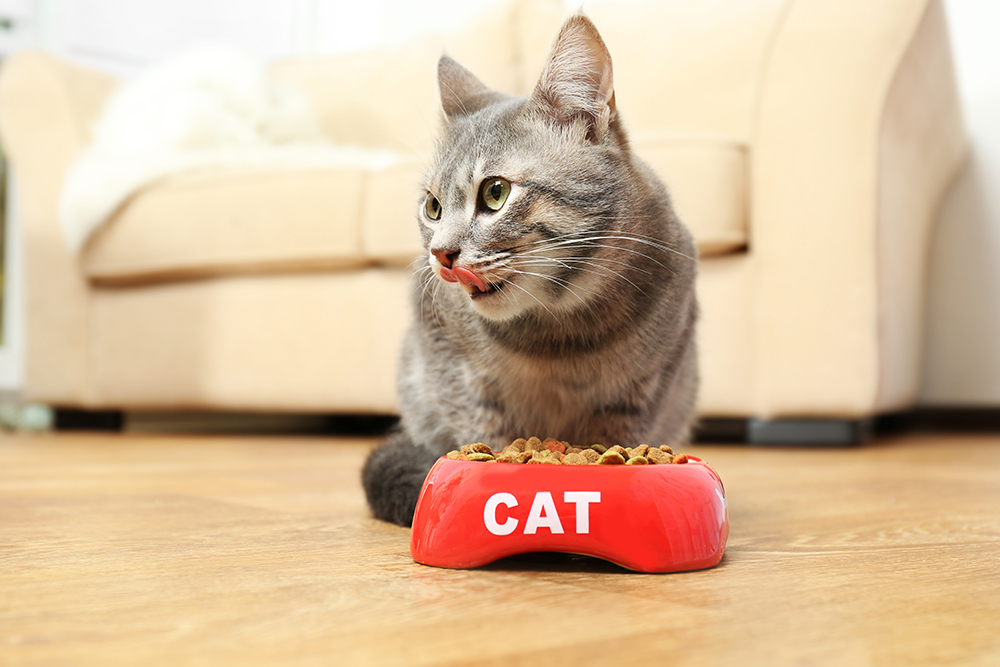
maine coon cat finished eating
Image Credit: Lita Keire, Shutterstock

Some felines take longer than others to adapt to a new brand of cat food. An abrupt change can cause the animal to vomit clear fluid or liquid with pieces of digested food. Also, cats that eat too fast may throw up the unsightly liquid. Luckily, you can help your pet with either problem when the cause is not medical-related.

How to remedy the problem:

When you decide to change your pet’s food, introduce the new meals gradually. Keep using the old brand but add a small amount of the new food and increase the portion each day. If your cat stops eating as much, you can reduce the new amount until your cat eats a normal amount.

If you have a fast eater, you can place the cat food in puzzle boxes or maze bowls to prevent the animal from engulfing their entire meal. Puzzle boxes also make mealtime more challenging, and some cats enjoy meals that they have to work for.

In this situation it is advisable to reach out to a veterinarian and ask them about the proper nutrition for your cat so you could get on a right track with your cat’s diet.

Need veterinary advice but can't get to the clinic? Catster recommends PangoVet, our online veterinary service. Talk to a vet online and get the answers and advice you need for your cat without having to leave your living room — all at an affordable price!

PangoVet_Mention-in-Content for PangoVet2 save money


2. Hairballs

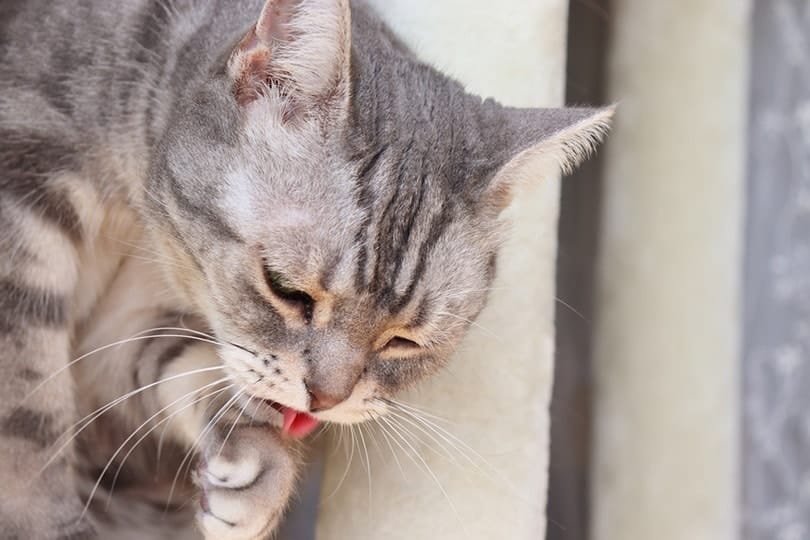
Cats are meticulous groomers, and their barbed tongues help grab loose hair from their coats. Most hair passes through the intestinal tract and is expelled in the feces. When the hair collects in the cat’s stomach, it’s usually vomited out. Hairballs look like gray cylindrical tubes, and they’re often vomited with clear fluid. Cats with longer hair and those that groom frequently are more vulnerable to hairballs.

How to remedy the problem:

Coughing out a hairball is not uncommon, but if your cat expels hairballs frequently, your vet may suggest switching to a hairball formula cat food. Non-prescription hairball meals are not too expensive, but a prescription diet typically costs more than average dry brands.

Your vet may also prescribe a petroleum-based hairball treatment that lubricates the hair when swallowed so it can easily pass through the stomach. In some cases, the vet can prescribe prescription food additives to help expel hairballs through the feces. Grooming your long-haired cat is another option for reducing hairballs.


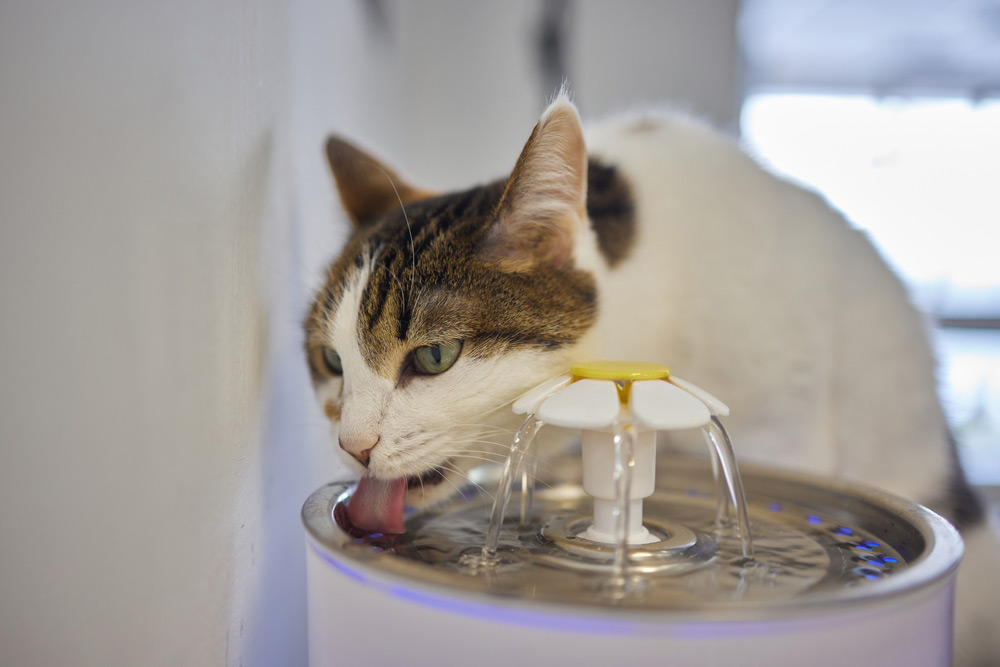
3. Drinking Too Much Water

cat drinking water
Image by: rihaij, Pixabay

If your cat drinks too much water on an empty stomach, it can vomit clear fluid. Cats that drink too much water daily may suffer from a medical condition. Most cats are not heavy drinkers, and some pet parents struggle to convince their pets to drink from water bowls. Frequent drinking and vomiting are signs that your cat should visit the veterinary clinic. Kidney disease and diabetes mellitus are two issues that can cause excessive water drinking.

How to remedy the problem:

After you report your cat’s signs to the doctor, they’ll do a complete examination and may decide to perform a urinalysis, blood tests, or X-rays to check for severe disease.


4. Indigestion

Like us, cats sometimes experience indigestion. When cats do not follow a routine feeding schedule or skip meals, the hydrochloric acid in their stomach can irritate them and cause vomiting. The liquid may be clear or yellow.

How to remedy the problem:

Establish a regular feeding schedule and try to avoid skipping meals. To ensure your pet’s stomach does not stay empty for long, you can divide the same daily portion into several meals. This may not be feasible in all households, but it’s ideal for pet parents who work from home.


5. Bilious Vomiting Syndrome

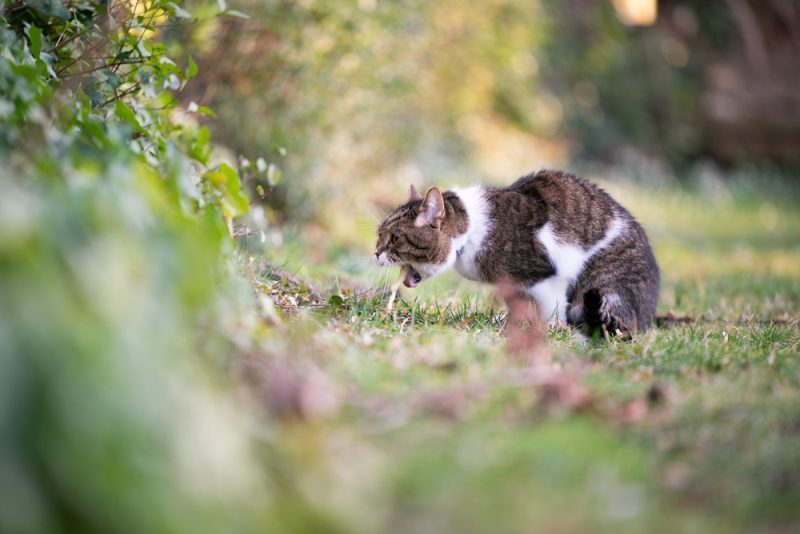
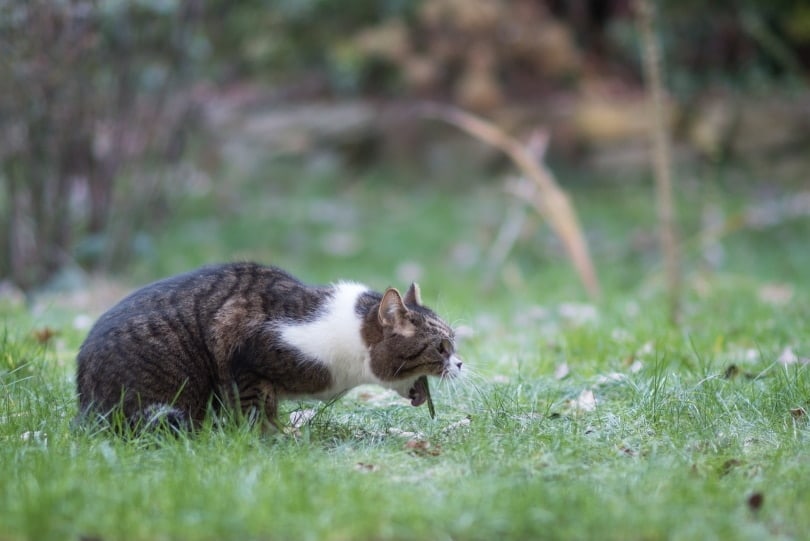
cat throwing up vomit outdoors
Image Credit: Nils Jacobi, Shutterstock

Vomiting clear liquid could be a sign of bilious vomiting syndrome. However, the vomit may include mucus with an orange or brown color. It typically occurs when the cat’s stomach is empty, and most cases occur in the morning when the cat has waited longer to eat the next meal.

How to remedy the problem:

After a full examination, your vet may decide to run additional tests to rule out serious conditions. If bilious vomiting syndrome is the diagnosis, most doctors will suggest increasing feeding and possibly leaving food out all day to prevent an empty stomach. Medications such as omeprazole, famotidine, maropitant, or metoclopramide can also be prescribed.


6. Toxin Ingestion

Curious cats are notorious for playing with and chewing on items that fascinate them, but some substances such as garden chemicals, cleaners, and automotive materials are toxic and even deadly to cats. Poisoning can cause vomiting, diarrhea, excessive thirst, hyperactivity, drooling, muscle tremors, coma, and seizures.

How to remedy the problem:

If a specific poison is identified, a veterinarian will use an antidote to counteract the effects, but they may also employ these treatments:

  • Intravenous fluids
  • Inducing vomiting
  • Using activated charcoal to absorb toxins
  • Medications to treat other signs
  • Repeat visits to monitor the cat’s progress

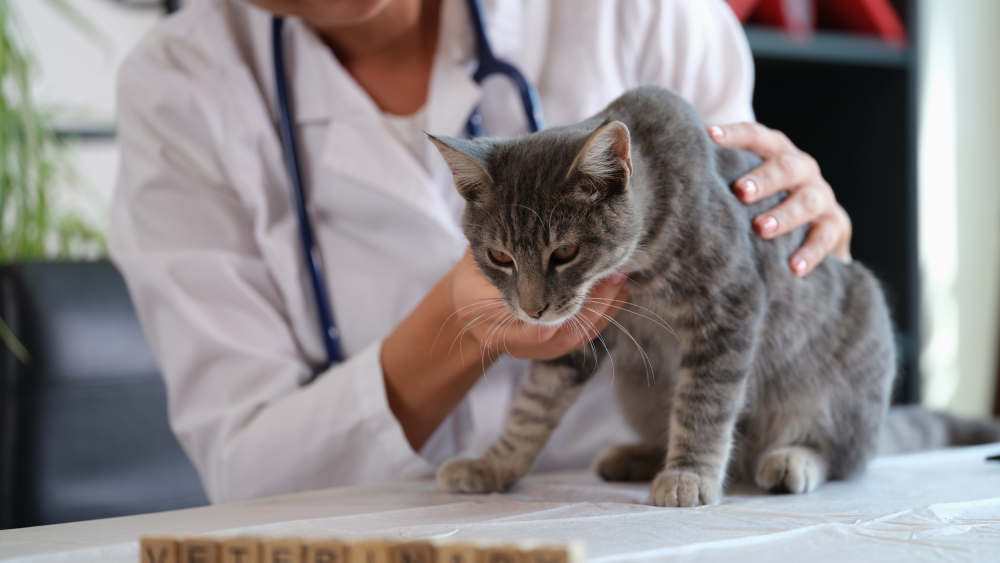
7. Gastritis

cat examined by Vets
Image Credit: Kzenon, Shutterstock

Gastritis occurs when the stomach’s lining becomes inflamed, and the condition can be acute or chronic. Acute infections are not always diagnosed because some cases subside after 24 hours. However, chronic gastritis lasts longer and can be caused by several problems, including food allergies, parasites and chronic disease.

How to remedy the problem:

Veterinarians treat chronic gastritis by determining the cause of the condition, but some of the treatment options may include:

  • Feeding low-fat meals
  • Restricting meals for several hours
  • Fluid therapy
  • Medications to prevent stomach ulcers
  • Anti-vomiting medications
  • Bland gastrointestinal diets

8. Kidney Disease

Possible signs of acute kidney disease and chronic kidney disease include vomiting, and sometimes, the vomit can be transparent with traces of blood. Acute kidney disease is possibly reversible, but there is no cure for the chronic illness. However, treatments for chronic kidney failure can allow the cat to live several years.

How to remedy the problem:

Depending on the type of disease and causes, veterinarians use several techniques to treat renal failure, including:

  • Vitamin supplements
  • Prescription low protein/low phosphorus diets
  • Potassium supplements
  • Antibiotics
  • Anti-vomiting drugs
  • Blood pressure medication
  • Phosphate binders

Chronic renal failure is a progressive illness that can take years before signs appear.


9. Intestinal Parasites

Tapeworms Close up
Image Credit: Rattiya Thongdumhyu, Shutterstock

Intestinal parasites can be passed to kittens from their mothers, but any feline can become infected with them by consuming carrion and encountering infected animals or feces. Common signs are diarrhea and vomiting, but they can worsen if the cat is not examined by a doctor.

How to remedy the problem:

Parasites such as hookworms, roundworms, and coccidia can be expelled with deworming medications. Although over-the-counter treatments are available, you should not use a drug until the veterinarian determines which parasite is causing the signs. Promptly treating the parasites can prevent further complications.


10. Cancer

Felines are less likely to get cancer than dogs, but lymphoma is the most common type seen in cats. Gastrointestinal lymphoma can cause diarrhea and vomiting, and it’s often connected with the feline leukemia virus (FeLV). FeLV vaccinations can reduce the chances of developing lymphoma.

How to remedy the problem:

Early detection and treatment are vital for the cat’s health. Compared to the cancers affecting dogs, cat cancers seem to be more aggressive, but veterinary scientists have made advances in cancer treatments. Some of the treatment options include chemotherapy, surgery, and radiation therapy.

divider 3 paws

Conclusion

Caring for a cat is usually a rewarding experience, but a sick cat can worry you like any member of your family. Cats vomiting clear liquid can be a temporary event caused by something simple like indigestion or drinking too fast. If your pet vomits repeatedly, you should take it to the veterinary clinic. Determining the cause is critical to the treatment and recovery, and some vet offices will see patients the same day when the issue is urgent.

You might also like:


Featured Image Credit: Nils Jacobi, Shutterstock

Want content like this delivered to you?

Sign Up For Our Newsletter

News, insights, expert advice, and everything cat

* By submitting, you agree to our Terms & Conditions and Privacy & Cookies Policy.


How useful was this post?

Click on a star to rate (you can leave written feedback after clicking submit)

Help us improve Catster for pet parents!

Your feedback really matters.

What did you like about this post? Also how can we improve it?

Join the conversation

Leave a Reply

You’re very welcome to leave a comment or question. Please know that all comments must meet our community guidelines, and your email address will NOT be published. Let’s have a positive and constructive conversation.


Talk With A Vet Online

Peace of mind,
anywhere, anytime

Affordable vet advice

Why Chicken Bones Are More Dangerous for Cats Than Most Parents Realize

Chicken bones seem harmless enough, but for cats, they can cause serious damage quickly. Whether your cat swiped a piece off the counter...

Fantastic Pet Pantries and Where to Find Them

Let’s face it: times are really tough right now, and those of us in the 99% are struggling with the cost of just...

Ask Dr. Paola – Help! My Cat Refuses to Drink Water! (April 13, 2026)

Welcome to our “Ask Dr. Paola” series, where every Monday we bring expert advice straight from Dr. Paola Cuevas (MVZ) to help our...

Why Healthy Cats Still Vomit Sometimes (And How to Respond)

A cat that just vomited needs a specific kind of care, and the feeding decisions you make in the next few hours actually...

More related

How to Stop Cats From Fighting: 5 Vet-Reviewed Tips & Tricks

Intact cats are territorial and on the prowl for mates. You can curb aggressive You love your cats, and you’d love for them...

Can You Spay a Pregnant Cat? Vet-Reviewed Risks & Recommendations

If you’re in a situation where you are asking this question, odds are you either have a rescue on your hands or, somehow,...

There’s a Sudden Behavior Change in My Cat, Is It a Medical Issue? Signs to Watch For

Cats are fairly consistent animals and creatures of habit. While their personalities may change when they age from kittenhood to adulthood, most cats...

Is Ponytail Palm Toxic to Cats? Vet-Reviewed Houseplants Examined

With its plump, robust trunk that’s wider at the bottom and long, narrow leaves, the ponytail palm is an eye-catching plant that can...

Keep reading

Is Kibble Bad for My Cat? Vet Reviewed Facts & FAQ

Cats are family members, and they deserve the best possible care, including the most nutritious diet possible. But there’s tons of information online with varying suggestions regarding feline nutrition. Some articles state that kibble is bad for cats. Others suggest...

kibble-pixabay

How Many Bones Do Cats Have? Vet-Approved Feline Anatomy Explanation (With Infographic)

Your average house cat has around 230 bones in their body. That’s quite a few more than the 206 bones in a human’s body! Felines have some interesting adaptations related to their skeletons. For example, cats have a flexible spine...

brown black tabby maine coon cat

Halo Cat Food Review of 2026: Recalls, Pros & Cons

Review Summary Halo was established in the 1980s when founder Andi Brown struggled to find a cure for her cat’s array of health problems. Spot suffered from flea infestation, urinary tract complaints, and infections in his eyes and ears. Despite...

Halo Holistic Cat Food Review

Can Cats Eat Sage? Vet-Reviewed Nutritional Facts & FAQ

If you have a cat and like plants, you know how hard it is to keep your furry friend away from them. We try our hardest to shoo them away, but our cats always seem one step ahead of us....

Can Cats Eat Sage

Do Cats Like the Taste of Sweet Things? Vet-Approved Facts & Safety Tips

If you own a dog, you probably already know that chocolate is toxic for them. But what about cats? We don’t see them going near chocolates and sweets too often. Does this mean cats don’t like the taste of sweets?...

Cupcake Frosting

How to Make a Cat Feel Better After Vaccines: 3 Vet-Approved Tips

Vaccines are vital for any cat’s long-term well-being and quality of life, but for a short period after receiving them, shots can cause several irritating side effects. Mild pain is typical, as is mild tiredness. Depending on your cat’s personality...

smiling female veterinarian petting a cat

How Do Cats Show Sadness? 8 Vet-Verified Ways

Many of us who love cats are drawn to their independent and aloof natures. Compared to their canine counterparts, it can sometimes be a challenge to know what your feline buddy is thinking and feeling. Don’t mistake their chill vibe...

sad looking cat lying on a table

Is Declawing Cats Illegal in Australia? Vet-Verified Facts, Reasons & Alternatives

Declawing cats is heavily regulated in Australia, meaning that it is banned as a standard procedure and only permitted if it’s essential for the cat’s health.¹ Routine declawing is also illegal in several other countries, though it is still legal...

cat claws when kneading

Love Cats? So Do We! Join the Catster Community

Stay informed with expert pet care insights delivered straight to your inbox! Discover professional guidance on animal behavior, feeding tips, trusted product picks, and much more.


Sign up for the Catster Email Newsletter

Stay informed with expert pet care insights delivered straight to your inbox! Discover professional guidance on animal behavior, feeding tips, trusted product picks, and much more.