Why Does My Cat Throw Up After Drinking Water? 5 Vet-Approved Causes


In this article
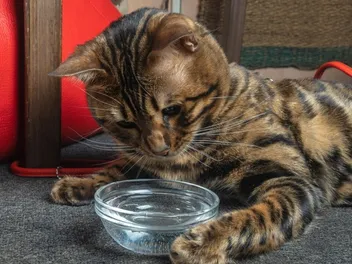
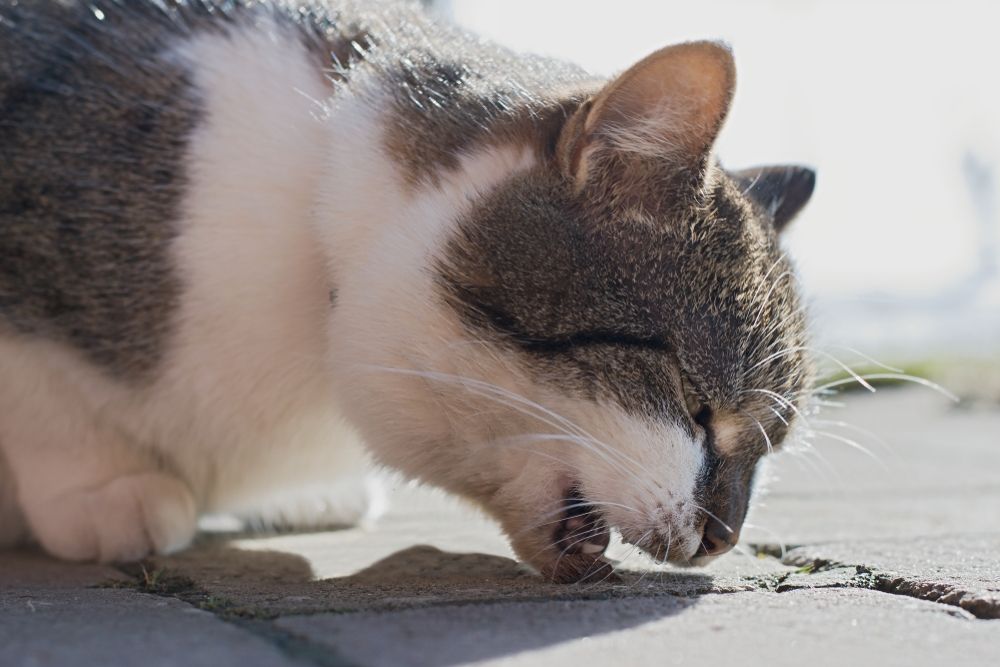
Cats vomit for various reasons. Sometimes, you’ll notice that they throw up their food soon after eating or unrelated to the feeding time. Other times, the vomit is clear or may contain bile. You may notice that your cat is drinking large amounts of water and then throwing up. Why is this happening?
First, it’s important to differentiate vomiting from regurgitation, and we’ll get to this in a minute. In this article, we look at some of the most common reasons that your cat throws up after drinking water.
Any vomiting in cats that does not resolve within a few hours or causes your cat to feel unwell, particularly paired with any changes in their drinking and urination habits or diarrhea, requires prompt veterinary attention. This article is not meant to replace veterinary advice, so please get in touch with your vet if your cat is vomiting.

Vomiting vs Regurgitation
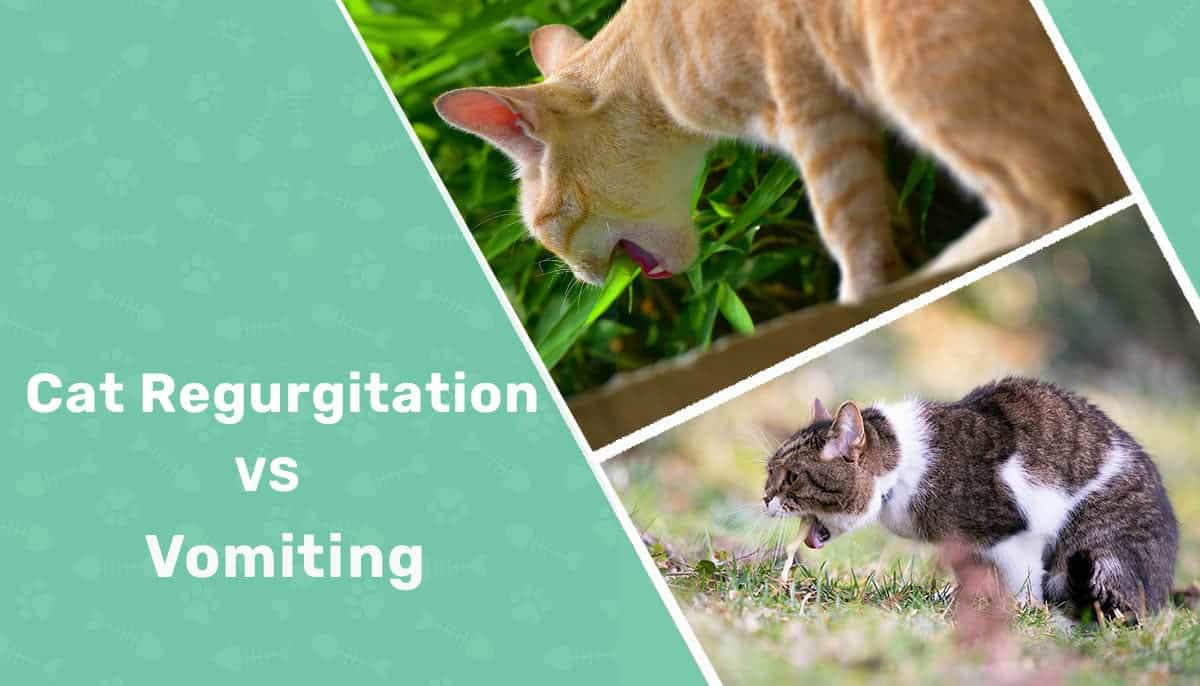
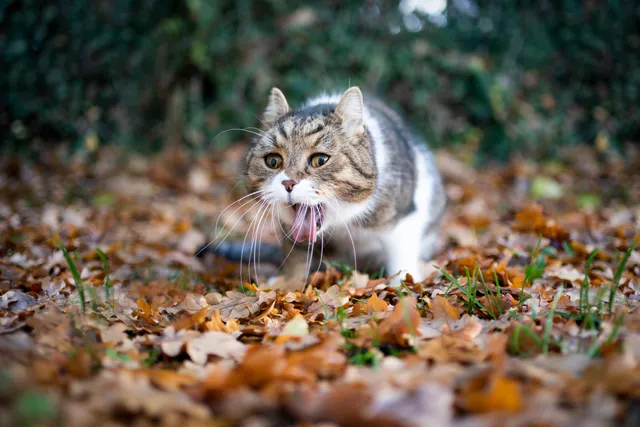
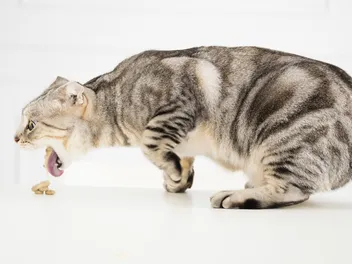
Vomiting is an active process that you won't be able to miss, as your cat is likely to make some fairly impressive noises while preparing to vomit. There will be abdominal contractions that will build up, becoming more intense with the cat lowering their head and retching before the actual vomiting occurs. Cats that are not eating can also vomit.
On the other hand, regurgitation is a passive process that may surprise your cat, as well as you. It happens quite suddenly and usually without obvious effort, passing undigested food from the esophagus that is sometimes covered with mucus and shaped like a sausage (due to the shape of the esophagus). It often happens straight after eating, and some animals may try to eat it again.
In cat vomit, clear liquid and water are different things. The clear liquid is liquid inside the digestive tract being brought up and forced out. Water is usually thrown up right after the cat drinks it.
Clear liquid and water also have different consistencies. Clear liquid is thick and sticky, while water is thin and runny.
If you're concerned about your cat's health we suggest you speak to a vet.
The 5 Reasons Why Cats Throw Up After Drinking Water
There may be quite a few reasons for cats to vomit or regurgitate after drinking or even unrelated to drinking. It’s important to always seek veterinary advice in these circumstances.
Here are the three most common reasons that cats may either vomit or regurgitate after drinking water. If you notice that this is happening more than once in your cat, or they are showing any signs of being unwell or not quite right, consult your vet. Frequent vomiting, no matter what the substance, is usually a clear sign of illness.
1. They Drank Too Much Too Fast

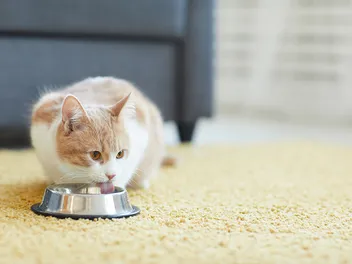
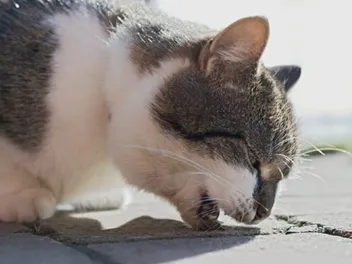
When cats eat or drink too quickly or greedily, they can vomit it all up or regurgitate it almost as quickly as it went down. That’s why your floor is now covered in water, froth, or undigested food, and your cat probably goes back to eating and drinking normally like nothing happened.
This is the most harmless reason for this behavior. However, if you notice it happening repeatedly, it could be a sign of something more serious. This may be especially true if your cat is actually drinking excessively.
What to Do
2. They’re Trying to Bring Something Back Up

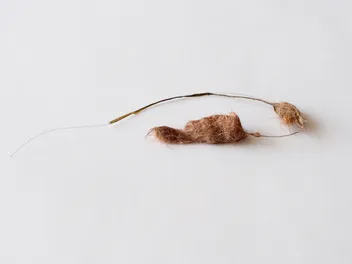
Sometimes, your cat is feeling nauseous and may vomit for various reasons, and this is not directly related to them drinking water just before rather than just bad timing. A buildup of hair can form in your cat’s stomach from grooming. As cats lick their coats, their rough tongues pull off loose hair, which they then swallow. When the hairball gets big enough in the stomach, it either causes vomiting or enters the intestine, through which it can be evacuated in the feces or, in rare instances, can cause an intestinal blockage if large enough.
If vomited, you’ll know that it’s a hairball because it will be a long, tube-like shape of a hair clump. The tube shape forms as the cat forces the hair through the esophagus.
After your cat drinks water, they may feel the urge to vomit, and there could be a hairball or something else that has maybe been sitting in their stomach that wasn’t food. While trying to force the hairball up, some of that water can come up as well. Your cat can also vomit clear gastric liquid or even bile before a hairball. However, sometimes cats bring up foreign materials, such as pieces of toys that are too big to exit the stomach and have caused gastric irritation, thus leading to vomiting. This may be combined with water as well.
What to Do
3. They Have an Esophageal or Gastrointestinal Illness

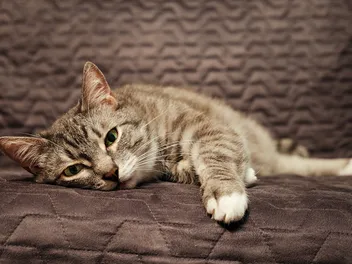
Regurgitation in cats after drinking water or eating food may indicate a disorder of the esophagus. This may be caused by inflammation, a viral infection, irritation by a foreign material or a caustic substance, cancer, the presence of strictures due to previous inflammation and scarring, motility issues, megaesophagus, and others. They will also lead to other signs of illness, alongside regurgitation, such as drooling, difficulty swallowing, reduced appetite, weight loss, extended neck, pain, and lethargy.
Vomiting, rather than regurgitation, is present in cases of a digestive upset at the level of the stomach and intestines, which may be due to dietary indiscretion, food allergies, bacteria, fungus, parasites, inflammatory bowel disease, pancreatitis, and more.
What to Do
4. They Have Parasites
If your cat is suffering from a roundworm infestation, this is usually diagnosed by the appearance of worms in your cat’s poop. If the infestation is bad enough, it will cause vomiting. Your cat will often vomit any food or water that they consume if the worms are present in their digestive tract.
Roundworms look like cooked spaghetti noodles. If you see them, there’s no mistaking what they are.
What to Do

5. They Have a Metabolic or Organ System Disorder
Certain diseases can increase your cat’s thirst. This will make them drink more water, sometimes too quickly, and then throw it up. An increase in your cat’s thirst is always a cause for concern because it’s a sign of several serious illnesses. Diabetes, kidney disease, and hyperthyroidism are just a few health conditions that can lead to cats drinking more water than they used to.
What to Do
Conclusion
There are several reasons that your cat will throw up after drinking water. Some of them are nothing to be concerned about, but if it happens frequently or is combined with other signs, it's best to have them checked by a vet to rule out any health problems.
See also:
Featured Image Credit: Tunatura, Shutterstock
Expert cat care, straight to your inbox
News, insights, and useful advice, delivered to you.

No spam — unsubscribe anytime.
By signing up, you agree to our Terms & Conditions and Privacy & Cookies Policy.
How useful was this post?
Click a star to rate. You can leave written feedback afterwards. (We read all feedback.)
Christian started writing for a local newspaper as a teenager, and he's been involved in the publishing industry for most of his adult life. Combining his love of writing with a passion for animals, he is currently the Director of Editorial at Pangolia and the Editor-in-Chief at Catster.
Christian lives in the Philippines with his wife, son, and four rescue cats: Trixie, Chloe, Sparky, and Chopper.