Cat Fostering: 8 Vet-Approved Reasons You Should Consider It


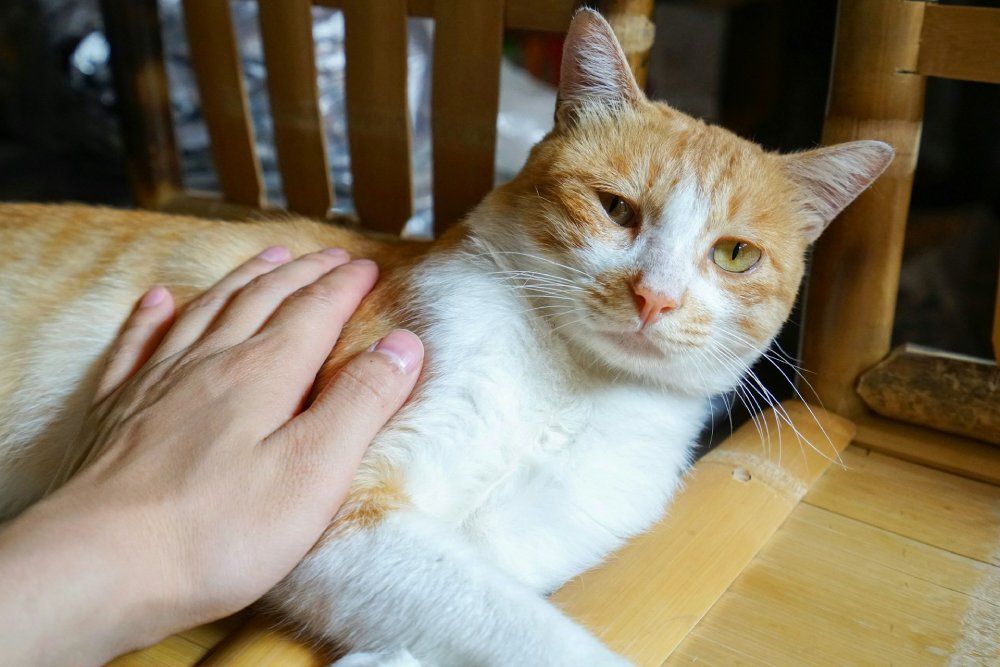
If you’ve ever watched a sad fundraising commercial for the Humane Society or scrolled slowly through a mournful page of adoptable cats, you know a huge population of homeless pets need help. One of the things you can do to help is to become a pet foster. But how do you know if cat fostering is right for you? Here are eight reasons you should consider becoming a cat foster parent.

The 8 Vet-Approved Reasons To be a Cat Foster Parent
1. Create More Space in Shelters
With so many stray cats across the country, most animal shelters and rescues can’t keep up with the demand for space. Every cat that moves out of a shelter cage and into a foster home creates more room for another to take its place.
Fostering a cat helps free up shelter resources for other animals. It can also help shelters focus on getting cats adopted more quickly because they can send kitties who aren’t quite ready for new homes to a foster environment first to help them adjust.

2. Helps You Learn What It Takes to Care for a Cat
If you’ve been considering adding a cat to your household but aren’t sure if you have the resources and time to care for one, fostering is a way to find out without long term commitment. The last thing you want to do is add another unwanted cat to an already overburdened animal shelter system.
If you start with short-term fostering, you can get used to the routines of taking care of a cat. You will also usually be responsible for transporting them to the vets for check ups and treatment. Many shelters and rescues share the financial burden of foster cats, but you can ask to see what the bills would be to help you make a pet care budget.
3. Helps You Find Out If Your Family Is Ready for a Cat
Fostering a cat can also help you determine if everyone in your family, from kids to other pets, are prepared to accept a new feline in the home. Before bringing home a new pet, you’ll need everyone in the family on board to ensure success. Fostering a cat allows the whole family to get used to the idea of owning one and it may help determine if anyone in the family has a previously undiagnosed cat allergy.
You will usually need to provide a safe, separate area for your foster cat, at least to begin with. This should generally be away from other pets to reduce stress for both the fostered cat and resident pets.

4. Less Stress for the Cats
Living in a crowded, noisy animal shelter can be stressful for unwanted cats. It can be especially tough on previously owned cats used to living in a home. Animal shelter cats are also vulnerable to infectious diseases like upper respiratory tract infections.
Foster parents provide a low-stress, safe space for homeless kitties. Cats dealing with health problems or healing from surgery benefit from recovering in a foster home, too.
5. Helps Socialize the Cats
Some cats enter animal shelters thoroughly socialized and ready for adoption. Others need more time and effort before they’re ready for a new home.
As much as they want to, the shelter staff rarely have enough time to spend with kitties who need to gain confidence. Cat foster parents can help fill the void, giving the felines a chance at a fresh start.

6. Safer for Kittens
Mention “kitten season” to anyone who works in animal rescue and watch their eyes glaze over. At certain times of the year, shelters are swamped with litters of kittens, many of them orphaned.
Caring for these kittens is a huge task, especially if they are sick or aren’t weaned. Foster homes are frequently the safest place for kittens who need around-the-clock care. Kittens are especially vulnerable to diseases that may spread through the shelters.
Plus, living in a foster home gives kittens the chance to socialize and be litter-trained, which can improve their chances of adoption.
7. More Opportunities to be Adopted
Living in a foster home gives cats more chances to be adopted than they might have otherwise. Foster parents expose the cat to their circle of friends, neighbors, and family who might never have been aware of them otherwise. They can liaise with prospective adopters and give an accurate assessment of the cat’s personality and needs. If you’re a foster parent who loves social media, that’s even better! You can post your foster cat as much as you can; hopefully, they’ll find a new home soon.

8. It’s Rewarding
One of the simplest reasons for you to be a cat foster parent is because it’s truly a rewarding experience. Not only are you volunteering your time for a good cause, but you have the knowledge that your actions are saving and improving kitty lives. Also, living with a cat provides companionship and can boost your mood. It may even have health benefits, such as lowering blood pressure. Ready to get started? Check out the following section to learn how to be a cat foster parent. https://www.youtube.com/watch?v=_PVuEWnBumE&list=PLG1ZLB_qDs-nMMvbA7DAJUrB7yuXpvC2e&index=8

How to Become a Cat Foster Parent
Once you and the rest of your family are ready to try fostering, the next step is to find an organization to partner with. Most animal shelters have a foster program, and private rescue groups generally rely exclusively on fosterers. Before reaching out to a shelter or rescue group, you may want to set parameters regarding the type of foster cats you want to take. For example, unless you’ve had previous experience, you might not want to jump right into raising orphaned newborn kittens that bottle-feed every 2 hours around the clock. Can you take more than one foster cat at a time? Are you willing to care for a cat with special needs? Communicating these guidelines will help the rescue or shelter match you with the right foster cat. Before committing to foster, find out the organization’s cost policies. Most rescues will pick up the tab for food and medical care, but it’s worth confirming this ahead of time.
Conclusion
For every cat foster parent, the time will come when you fall hard for one of your charges and contemplate becoming a “foster fail.” While many foster parents adopt one of the animals they care for, don’t let your heart lead you down a path you aren’t ready for. Continuing to serve as a cat foster parent also allows you to change the lives of more kitties than just one.
Sources
Featured Image Credit: 毛 祥, Unsplash
Expert cat care, straight to your inbox
News, insights, and useful advice, delivered to you.

No spam — unsubscribe anytime.
By signing up, you agree to our Terms & Conditions and Privacy & Cookies Policy.
How useful was this post?
Click a star to rate. You can leave written feedback afterwards. (We read all feedback.)
Elizabeth Gray is a lifelong lover of all creatures great and small. She got her first cat at 5 years old and at 14, she started working for her local veterinarian. Elizabeth spent more than 20 years working as a veterinary nurse before stepping away to become a stay-at-home mom to her daughter. Now, she is excited to share her hard-earned knowledge (literally--she has scars) with our readers. Elizabeth lives in Iowa with her family, including her two fur kids, Linnard, a husky mix and Algernon, the worldʻs most patient cat. When not writing, she enjoys reading, watching all sports, and spending time outdoors with her family.