10 Vet-Reviewed Types of Cat Litter Boxes & How to Pick the Right Litter Box for Your Cat


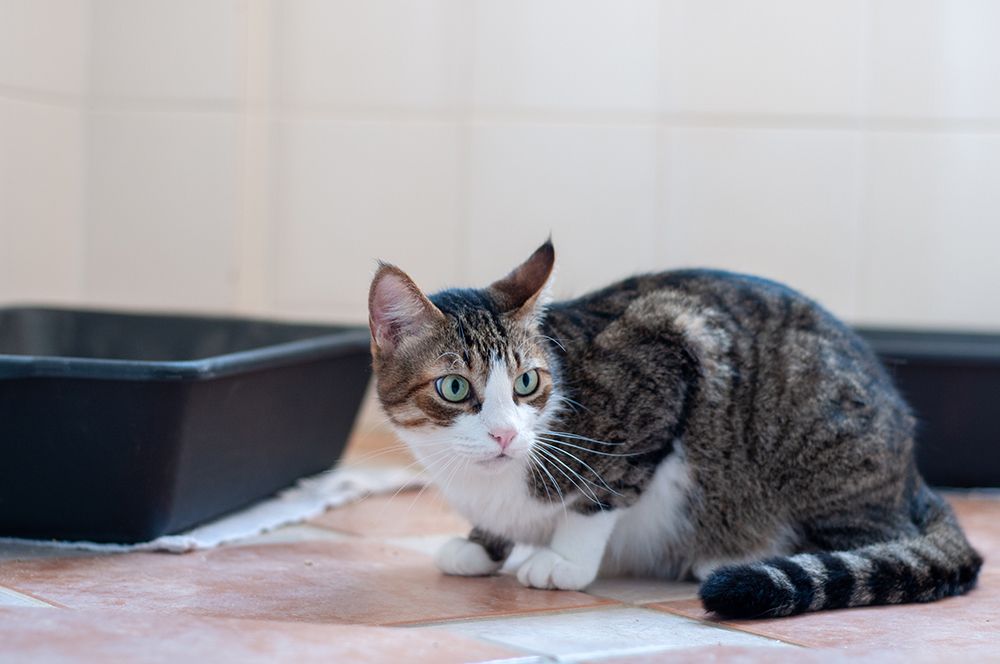
Plenty of litter boxes are on the market, each with pros and cons. But which is right for your cat? Choosing the ideal litter box can be challenging, but we can help you make the decision. In this article, we’ll discuss 10 types of litter boxes and review the pros and cons of each. We’ve also included a guide that discusses the criteria for selecting the best design for your cat.

The 10 Types of Cat Litter Boxes
1. Covered Litter Boxes

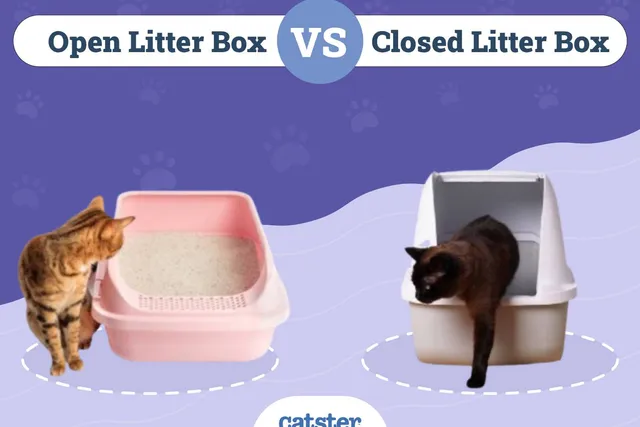
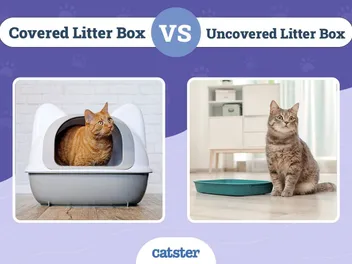
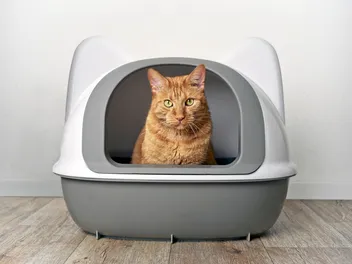
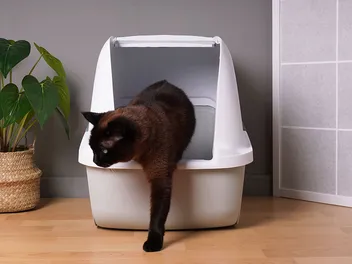
Covered litter boxes have lids that attach to the litter tray. Some models have door flaps, and others have a simple opening for your cat to crawl through. Many cat owners prefer these litter boxes since they minimize the litter your cat tracks outside the box. The cover can also prevent odors from emanating out of the box, keeping your house smelling clean and fresh. On the downside, the odors can become trapped inside the litter box and make it unpleasant for your cat.
Some cats enjoy covered litter boxes because they provide extra privacy. They also keep other pets at bay, such as dogs that are too curious for their own good.
Pros
- Provides privacy for your cat
- Other pets cannot access it
- Masks odors
Cons
- Some cats may avoid them
- They can be difficult to clean
2. Open Litter Boxes

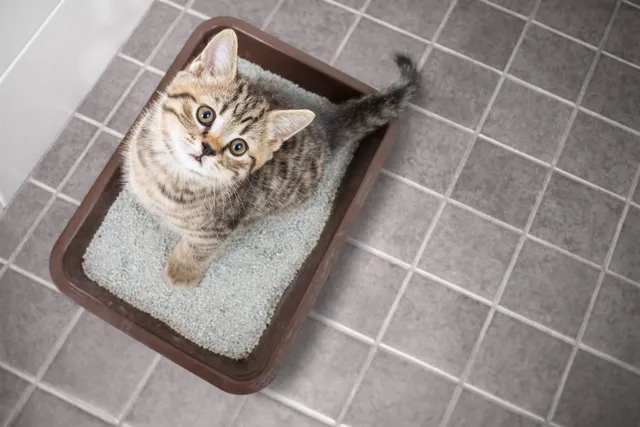
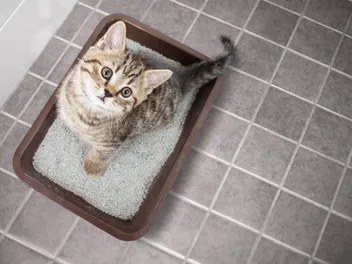
Unlike covered litter boxes, open litter boxes contain a simple tray with no lid. These are the most standard type of litter box and are generally what most people envision when they think of litter boxes.
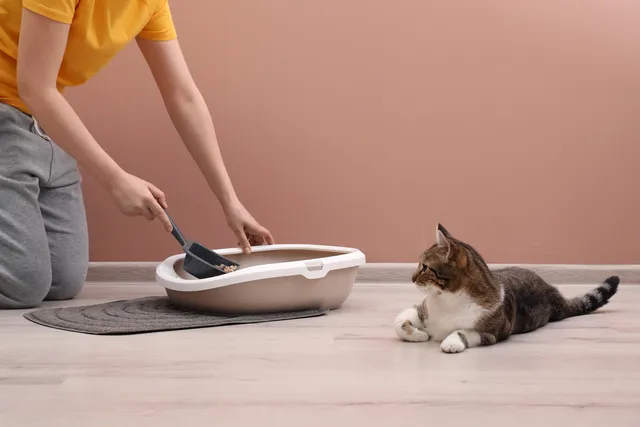
The open litter box is inexpensive, and it’s easier for cats to enter and exit since there is no lid or door that stands in their way. Similarly, it is easier to clean, as you only have to bend over and scoop out the waste.
Since there is no cover on the litter box, it can be more difficult to reduce messes. More litter is tracked out, and odors are less contained.
Pros
- Easy for cats to enter and exit
- Easy to clean
- Usually inexpensive
Cons
- Odor control is limited
- Can be messier
3. Designer Litter Boxes

Designer litter boxes are unique, stylish pieces of furniture meant to blend in with the rest of your home decorations. Unlike the other litter box options on this list, designer litter boxes are built so your guests can’t immediately tell they are litter boxes.
This option especially appeals to people who don’t enjoy how their litter box looks in their home. Naturally, these litter boxes can get a bit pricey, but many people find them worth the cost. As a bonus, many designer litter boxes have lids that contain odors and prevent them from spreading through the house.
Pros
- Blends in with your home decorations
- Often can mask odors
Cons
- Can be expensive
- Some cats may not accept them straight away
4. High-Sided Litter Boxes

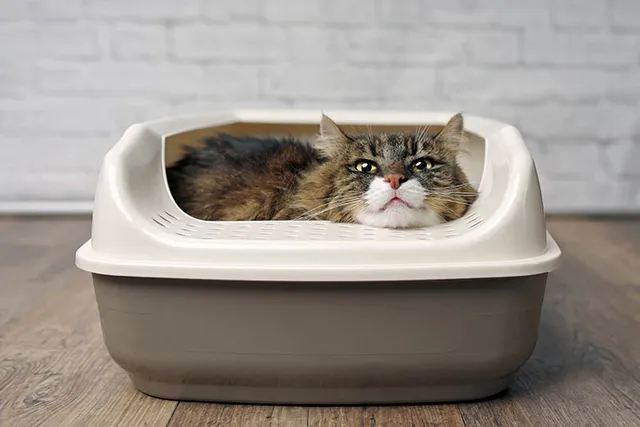
If you like the idea of a reduced mess but your cat doesn’t enjoy covered litter boxes, a high-sided litter box may be the perfect solution. With such high walls, you can put a bit more litter in the pan.
This may not be the right option for kittens, elderly cats, or cats with chronic pain or mobility issues. The higher walls make it difficult for some cats to access. While some high-sided litter boxes have lower entryways for more accessibility, they can also contribute to greater messes.
Pros
- Minimizes messes
- Gives cats the ability to dig
Cons
- May be less accessible for certain cats
5. Top Entry Litter Boxes

If your cat has a serious problem with kicking litter out of the box, try a top-entry litter box. These litter boxes require your cat to enter and exit the litter box from the top, preventing litter tracking throughout your house. It also provides extra privacy for your cat and keeps other curious animals from poking around where they shouldn’t.
As with the high-sided litter boxes, these are less accessible to cats with mobility issues. If you have a small kitten, a senior, or a cat that struggles with movement, a top-entry box may not be ideal for you.
Pros
- Keeps litter inside of the box
- Prevents other animals from accessing the litter
Cons
- May be less accessible for certain cats
6. Corner Litter Boxes

Corner litter boxes are convenient for houses with minimal space. If you are storing your cat’s litter box in a cramped apartment or a tiny bathroom, the corner litter box makes the most use of a limited amount of space, as they tuck into the corners of any room. Most corner litter boxes are open, but there are also some covered designs. The covered types can reduce messes.
Since the corner litter boxes are so small, they require more frequent cleaning. Your cat may also feel cramped inside of it, especially if it is a larger breed cat.
Pros
- Can be discreetly placed in any room
- Reduces messes
Cons
- Requires more frequent cleanings
- Cats may feel cramped
7. Disposable Litter Boxes

Disposable litter boxes are highly convenient, as they are biodegradable and easy to clean (just toss them out!). Although the continuous replacement may occasionally be annoying, its convenience often wins people over. Just be prepared to budget a little extra for litter boxes.
Unfortunately, the replaceable nature of disposable litter boxes means they aren’t very durable. Some are prone to leaking, which may contribute to greater messes.
Pros
- Biodegradable
- Easy to clean
Cons
- Requires continual replacement
- May leak
8. Self-Cleaning Litter Boxes

No one likes scooping out the litter box. Thankfully, there’s an option to help you avoid such a nasty chore. Self-cleaning litter boxes are mechanized litter boxes that do all the scooping work for you. They work by sifting and raking through the litter, collecting any waste in a compartment that can be conveniently emptied. Since the convenience of these machines is so valued, the price of self-cleaning litter boxes can be quite steep.
Some users have also reported that their cats are not fond of self-cleaning litter boxes or that adjusting took them a long time. So, be prepared for the possibility that your cat won’t like a new mechanical bathroom.
Pros
- Easy upkeep
- Reduces litter waste
- Minimizes odors
Cons
- Expensive
- Some cats may not adapt to its mechanism
9. Extra-Large Litter Boxes

If you have a large cat, you’ll want a large litter box.
Extra-large litter boxes give your cat plenty of room to turn around and go potty comfortably. On the downside, they can be a bit more expensive, they require more litter to fill them, and they take up a lot of room.
Pros
- Excellent for large cat breeds
- Minimizes messes
Cons
- May take up a lot of room
- Expensive
10. Sifting Pan Litter Boxes

Sifting pan litter boxes are essentially two boxes in one. One box has a grate on the bottom and is placed inside of the other box. When you are ready to clean out your cat’s litter, you have to lift the grate, sift, and dump the waste left behind.
This is a great option for those who hate scooping litter or are physically unable to. It is easy to maintain and can also be economical, as it doesn’t waste as much litter as other designs. However, it is heavy to lift, and deep cleaning can be quite a chore.
Pros
- No scooping needed
- Doesn’t waste as much litter
Cons
- Heavy to lift
- Deep cleaning can be difficult

How to Pick the Right Litter Box for Your Cat
It isn’t easy to decide which type of litter box is right for your cat. If you are having trouble deciding, you can always speak to a vet for advice.
There are four main factors that you should consider before making a purchase.
The Size of Your Cat
The size of your cat may be one of the most significant factors you consider when picking out a litter box. For example, if you have a large-breed cat, they are less likely to be comfortable in a covered litter box or a tiny corner litter box. Instead, you need an open, extra-large litter box to accommodate their size.
As a general rule, an appropriate litter box for your cat is around 1.5 times your cat’s size. However, some cats don’t mind tinier spaces.
The Age of Your Cat
Younger, more agile cats can navigate around higher entryways, but older cats may struggle. If your cat has difficulties with mobility, you need a litter box that is easily accessible. Top-entry litter boxes are probably not the right fit, but high-sided litter boxes with a low entryway may be just right.

Your Cat’s Normal Litter Box Behavior
Think about how your cat behaves when using the litter box. Do they make a mess? If so, consider a covered litter box or a high-sided litter box. Do they require a lot of space? An open litter box may be the way to go.
Your Budget
Consider how much you are willing to spend. Litter boxes can be as little as $10 or as much as several hundred. The average litter box needs to be replaced around every 6 months, so keep that in mind when deciding on a budget. Also keep in mind that if you have more than one cat, the rule of thumb for the number of litter boxes you should have in your home equals the number of cats plus one.

Conclusion
Although litter boxes are not especially glamorous, they are essential to your pet's health and well-being. Choosing the right litter box for your cat can go a long way to improving the quality of their life. On the other hand, picking the wrong litter box can be stressful for your cat, lead to health issues, and make you spend more time cleaning. Take your time considering your cat’s needs and preferences before choosing a litter box that is perfect for your cat.
Featured Image Credit: victorhugosilvafotografo, Shutterstock
Expert cat care, straight to your inbox
News, insights, and useful advice, delivered to you.

No spam — unsubscribe anytime.
By signing up, you agree to our Terms & Conditions and Privacy & Cookies Policy.
How useful was this post?
Click a star to rate. You can leave written feedback afterwards. (We read all feedback.)
Christian started writing for a local newspaper as a teenager, and he's been involved in the publishing industry for most of his adult life. Combining his love of writing with a passion for animals, he is currently the Director of Editorial at Pangolia and the Editor-in-Chief at Catster.
Christian lives in the Philippines with his wife, son, and four rescue cats: Trixie, Chloe, Sparky, and Chopper.