How to Use Cat Litter Deodorizers: 5 Vet-Approved Tips & Guidelines


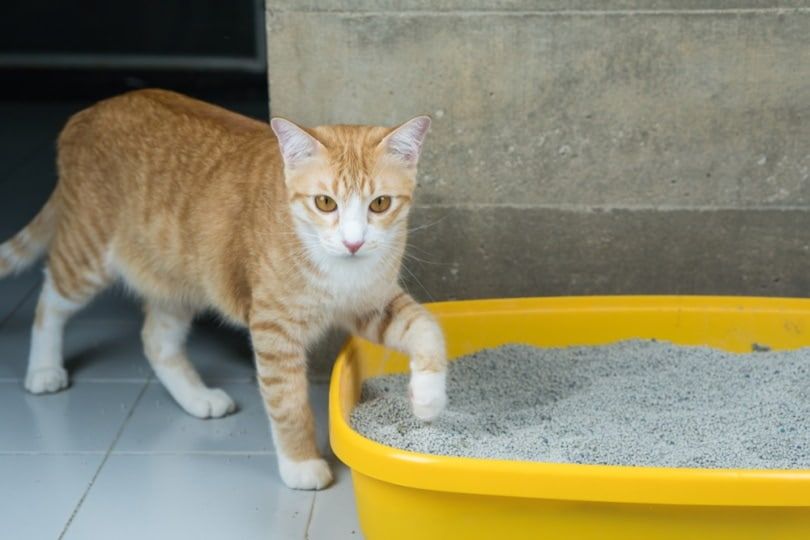
It can be hard to mask the smell of cat litter when you share your life with cats. The last thing you want to do is walk in the door and inhale that intense, distinct odor. Many people resort to scented litter or air fresheners to cover up the litter box odors.
Scented litter can sometimes be problematic since the fragrance can deter cats, and some brands aren't very effective at removing odors. That’s where a litter deodorizer comes in. If you are ready to try this approach, keep reading for tips and tricks on using cat litter deodorizers.

The 5 Tips for Using Litter Deodorizer
1. Make Sure the Litter Box Is Empty
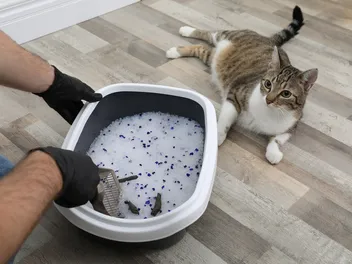
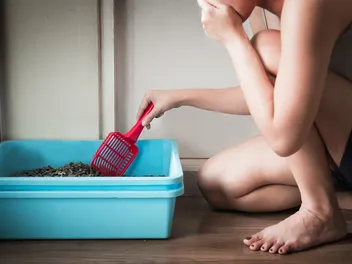
When you are ready to use a litter deodorizer to help you control odors, you will want to start with a clean slate. First, you should empty your litter box of all the contents and dispose of the old litter accordingly. Make sure to scrape off the sides and remove any leftover litter or waste.
2. Wash Your Litter Box Thoroughly
After you have everything cleaned out, it is time to thoroughly wash the box. Using hot water will work fine unless the box has a residual smell, but you can add dish soap to help you remove stubborn stains.
Scrub it as needed, and rinse it thoroughly. Once it has been rinsed, ensure the inside and outside are completely dry before you do anything else.
Our Favorite Enzyme Cleaner
The Hepper Advanced Bio-Enzyme Pet Stain & Odor Eliminator Spray is our favorite enzyme cleaner out there. It permanently removes even the very worst kitty stains and smells, leaving your home fresh and clean! Click here to learn more about this amazing product and get yourself a bottle.

- ADVANCED ENZYMATIC CLEANER - Penetrates the most stubborn smells and stains at the deepest molecular levels to dissolve any pet mess you encounter and lift it away at the source.
- FOR ANY MESS, ON ANY SURFACE - This pet odor eliminator cleans your carpets, floors, furniture, fabrics, and more. Whether it's urine, feces, vomit, or drool, you can erase all foul spots and smells!
- FRESH, NATURAL ODOR - Our unique formulation doesn't rely on dangerous or unpleasant chemical fragrances to get the job done. We eradicate smells and stains, not just cover them up.
At Catster, we’ve admired Hepper for many years, and decided to take a controlling ownership interest so that we could benefit from the outstanding products of this cool cat company!
3. Cover the Bottom of the Empty Litter Box With the Deodorizer
Once your litter box is clean, you can add the deodorizer to the bottom of the box. However, you need to read the instructions for the deodorizer you purchased to determine how much to add. Since several varieties are available, the instructions may not be the same for each one.
4. Add in Your Litter
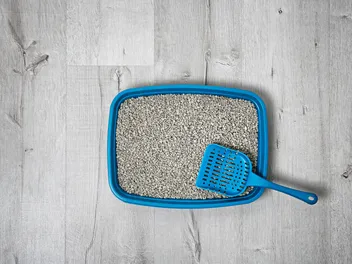
After adding the deodorizer, fill the box with several inches of litter. It is a good idea to use a high-quality cat litter that does well at controlling odors. That isn’t always possible, but most cat litter deodorizers can be added to any type of litter.
5. Monitor Your Cat
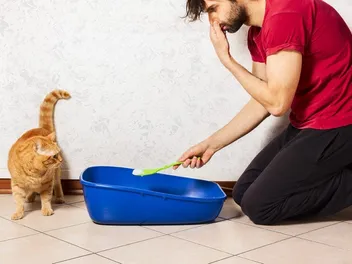
Cats have sensitive noses and can easily pick up a different smell coming from their litter box. Though some cats don’t mind this, others may be opposed to it and refuse to use their litter box. It is important to keep an eye on your cat after adding a deodorizer to their litter box to ensure that your cat agrees with the change.

Types of Cat Litter Deodorizers
Powder
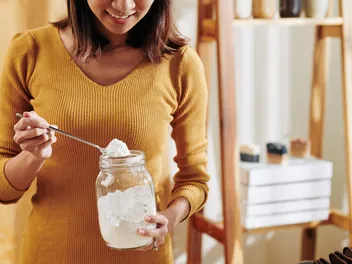
The most common form of litter deodorizer is powder. The powders are made primarily of baking soda since it has powerful odor-neutralizing effects. They also contain other ingredients, like fragrance.
Powdered deodorizers are poured directly into the litter box and mixed in with the litter. Most cat owners would agree that the powder is the most effective type, which is likely why it is so popular.
Granules
Some cat litter deodorizers come in granules, which are much larger particles than the powder. They are designed to draw the waste away from the litter. For the most part, granule-type litter box deodorizers are made from minerals and tend to be fragrance-free, though that’s not always the case.
Gel Beads
Gel beads are another form of litter deodorizer, and only a few large beads need to be dropped into the box at a time. They don’t create dust but are not as effective as the other varieties.
Spray
Spray deodorizers are much rarer and made with fragrances that can sometimes be overpowering. Most sprays are meant to be used all over the house to help mask odors. Be careful not to spray too much in the litter box because it will add more moisture.

Conclusion
Knowing how to properly use cat litter deodorizers is important so that you can best control nasty litter smells. There are several types of litter deodorizers, but it's wise to research the brands to determine which are very effective products and which ones you should avoid. If your cat dislikes deodorizers and scented litter, you can scoop out the waste more often to reduce odors.
Featured Image Credit: jamesjoong, Shutterstock
Expert cat care, straight to your inbox
News, insights, and useful advice, delivered to you.

No spam — unsubscribe anytime.
By signing up, you agree to our Terms & Conditions and Privacy & Cookies Policy.
How useful was this post?
Click a star to rate. You can leave written feedback afterwards. (We read all feedback.)
Lorre Luther is a writer who is firmly convinced that cats are smarter than humans. She left her law career in the United States and moved to the Netherlands to follow her dream of becoming a writer. Lorre currently lives in Rotterdam, she enjoys traveling and greatly appreciates the beauty of nature. Lorre has a spot for animals and admires the intelligence of cats.