Is Litter Deodorizer Safe for My Cat? Vet-Approved Facts & Sanitation Tips


In this article
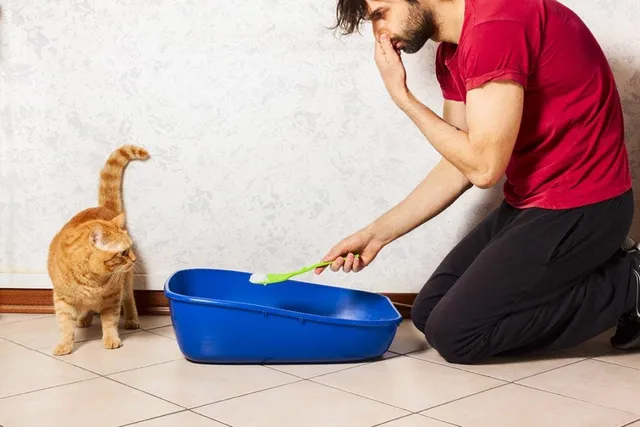
One of the least enjoyable things about owning a cat is dealing with litter boxes and all the unpleasantness that comes with them. One of the most difficult-to-manage aspects of litter box care is reducing the odors that come from litter boxes. Some cat litter can leave your whole house smelling like cat waste or, even worse, cat waste with flowers on top.
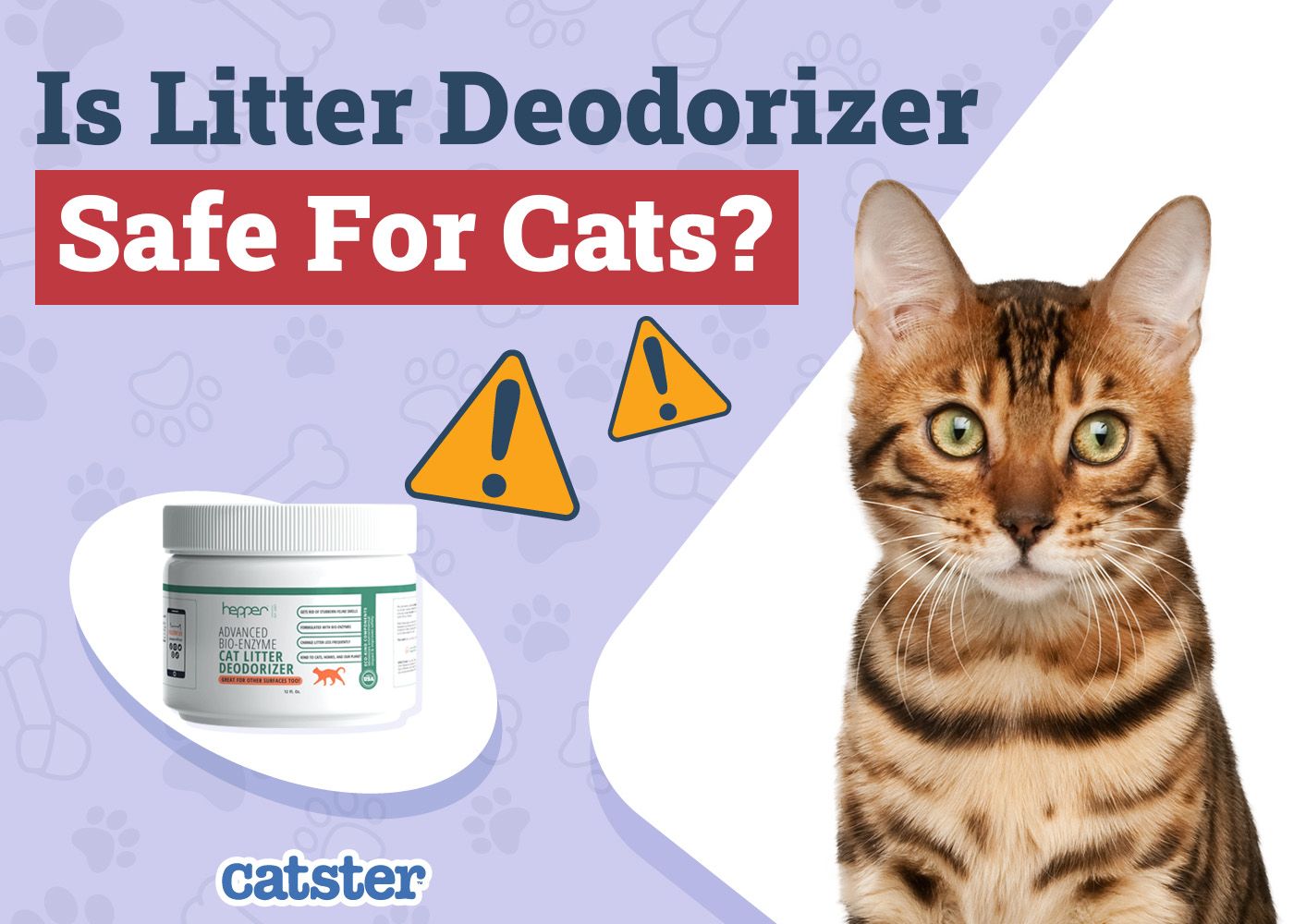
One of the ways that some people have succeeded at managing litter box odors is through the use of litter deodorizers, which are usually added to the litter box and mixed into the litter to help absorb icky odors. Some deodorizers may replace the unpleasant litter box smells with more pleasant scents.
However, you may have wondered if these types of products are even safe to use around your cat. After all, cats have sensitive respiratory systems, and when it comes to using the litter box, they’re right up in it.
Litter deodorizers are intended for use inside cat litter boxes, and since they’re designed for this purpose, they’re also designed to be non-toxic to cats.

Is Litter Deodorizer Safe for My Cat?
Using deodorizers not intended for cat litter isn’t considered safe. Of medical concern are deodorizers that are formulated with essential oils in them to help cover unpleasant scents. If your cat is exposed to these in large quantities for long periods, they may lead to respiratory irritation.
Therefore, it’s important to only use deodorizers made specifically for cats. It is also important to make sure to always follow package instructions exactly as written whenever you’re using any products that are made for use with pets.
Are There Downsides to Litter Deodorizers?
There definitely can be some downsides to using litter deodorizers. The primary downside is that cats can be exceptionally picky with their litter box, and adding any type of product that alters the scent or texture of their litter may turn them off from using the box. Scented litter deodorizers are most likely to lead to this with a picky cat, but it is also possible for an unscented deodorizer to be bothersome to your cat.
Another issue that people tend to run into with litter deodorizers is that they may be scented. Scented litter deodorizers may not just bother your cat but can bother you as well. These products often have strong scents associated with them to help them better cover litter box odors. If you’re using a strongly scented deodorizer, it may not actually deodorize anything; instead, it just covers litter box odors with a stronger “pleasant” scent. Unfortunately, this often leads to an unpleasant combination of scent layers of the litter deodorizer and your cat’s waste.

Are There Better Alternatives to Litter Deodorizers?
There are different things you can try to manage the litter box smells within your own home. Emptying your cat’s litter boxes daily can greatly reduce icky odors, and fully emptying your cat’s litter box, cleaning it, and refilling it with fresh litter once every week or so can prevent a buildup of yucky smells.
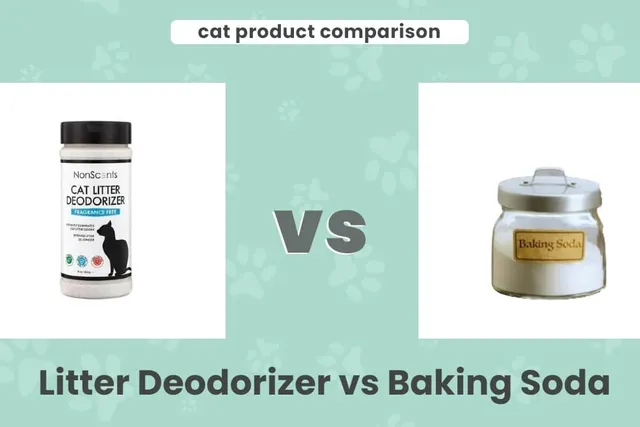
Some cat litters have deodorizers, like baking soda, built right into the litter. This may be a better option than adding a deodorizer if your cat is especially picky about things being added to their litter box. Sometimes, litter deodorizers may work best for your home. This is especially true if you have multiple cats and can’t keep up with emptying boxes in time to eliminate smells quickly.
Plastic can intrinsically hold onto odor, so sometimes, you may find that over time you’re not dealing with smelly litter but rather a smelly litter box. In such a scenario, you would be better off switching to a new box or a box that’s made of a substance that doesn’t hold odor, such as stainless steel.

Conclusion
Cat litter deodorizers are safe for your cat’s litter box and can be quite effective when used properly. They aren’t intended to be used in place of proper litter box cleaning and maintenance, though. Some cats may be picky about litter deodorizers, especially those with strong added scents, being added to their box, so make sure to slowly add the deodorizer in if you’re going to start using these products.
Related Read:
Featured Image Credit: catinsyrup, Shutterstock
Expert cat care, straight to your inbox
News, insights, and useful advice, delivered to you.

No spam — unsubscribe anytime.
By signing up, you agree to our Terms & Conditions and Privacy & Cookies Policy.
How useful was this post?
Click a star to rate. You can leave written feedback afterwards. (We read all feedback.)
Brooke Billingsley, a former veterinary assistant for nine years, became a nurse in 2013. She lives in Arkansas with her boyfriend of five years, surrounded by her beloved pets: three dogs, two cats, five fish, and two snails. Brooke has a soft spot for special needs animals, caring for a three-legged senior dog and a widely known cat with acromegaly and cerebellar hypoplasia. She has developed a keen interest in fish keeping and is always learning how to provide the best environment for her aquatic pets. In addition to her passion for animals, Brooke enjoys gardening and maintains a vegetable garden during the summer. She stays active with yoga and received her 200-hour yoga teacher certification in 2020. Brooke also hosts a podcast that delves into folklore and myth, dedicating her spare time to research and writing. She embraces the philosophy that every day is an opportunity for learning and growth, continually working to acquire new skills and knowledge.