How to Hide Your Cat’s Litter Box: 12 Smart Solutions
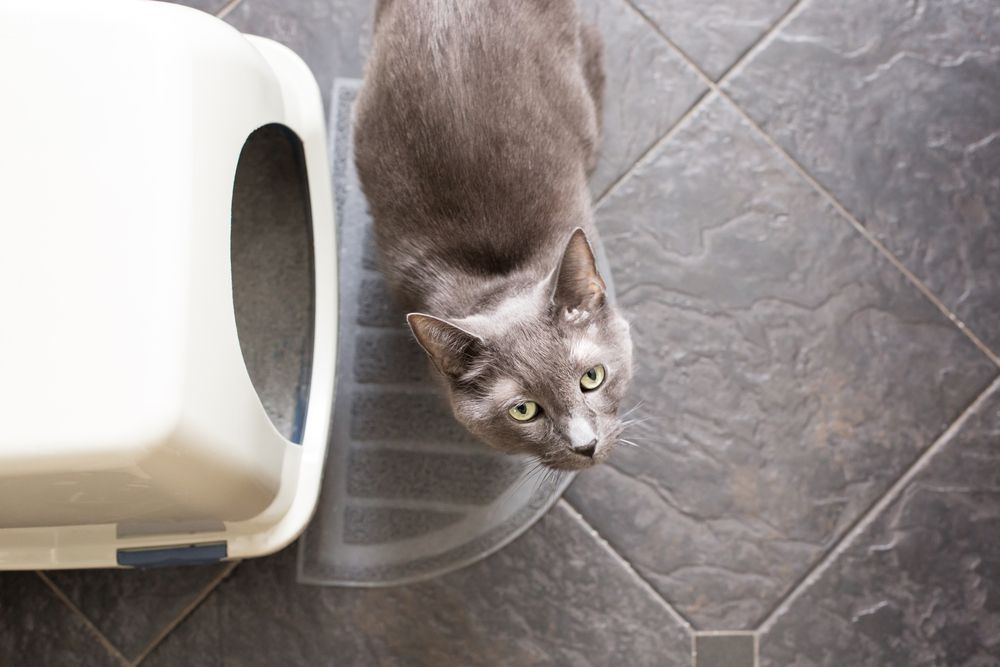
There are many wonderful things about owning a cat, but keeping up with their litterbox is not one of them! While most people get used to looking at their cat’s poop day in and day out, it might disturb some family members and guests. If you are having difficulty hiding the box, keep reading for several smart solutions.

How to Hide Your Cat’s Litter Box
1. Furniture Litter Box Enclosure
Invest in a furniture piece with a design that conceals the litter box, such as a cabinet or bench with an opening for your cat to enter and exit. These enclosures often have hidden compartments or drawers where you can place the litter box, keeping it out of sight while providing an attractive piece of furniture for your home.

2. DIY Litter Box Cover
Get creative and repurpose furniture or storage containers to create a custom litter box cover. For example, you can modify an old trunk, storage ottoman, or large plastic box. You could even follow a plan to make one from a Sterilite storage container. Ensure that there’s enough space inside for your cat to move comfortably, and cut an entrance for easy access.
3. Room Divider
Use a decorative room divider or folding screen to visually separate the litter box area from the rest of the room while maintaining airflow. Position the divider in a way that creates a hidden nook for the litter box, offering privacy for your cat while keeping it out of direct view.
4. Closet Conversion
Transform a small closet or unused cabinet into a hidden litter box area. Clear out the space, add a cat door, or keep it slightly ajar for your cat to access the litter box easily. You can also add ventilation to prevent odor buildup by installing a small fan or drilling small holes in the door or ceiling, much like you might see in a bathroom.

5. Under-Stair Storage
Utilize the space under a staircase by converting it into a hidden litter box area. Create a small enclosure with a door or curtain, and place the litter box inside. This clever use of space keeps the litter box tucked away and maximizes your home’s square footage since there isn’t much else you can put there.
6. Window Seat With a Hidden Compartment
Install a window seat with a hidden compartment underneath to house the litter box. The seat can provide a cozy spot for your cat to relax and enjoy a view of the birds and other wildlife outside while the litter box remains concealed.
7. Bathroom Cabinet Modification
Modify a bathroom cabinet by creating a hidden compartment for the litter box. Remove the cabinet’s back panel, and cut a cat-sized entryway in the side or back. This way, your cat can access the litter box from inside, and you can close the doors to keep it hidden. It’s a practical solution, especially if you have an unused or underutilized bathroom cabinet.

8. Repurposed Old Trunk
Repurpose an old trunk by turning it into a stylish litter box enclosure. Ensure that there’s enough space inside for the litter box, cut an entryway in the side or top, and consider adding ventilation to prevent odors. You can also add decorative elements to the trunk to help it blend with your décor.
9. Plant Camouflage
Strategically place tall indoor plants around the litter box to provide visual camouflage and add a natural touch to the space. The plants can help disguise the litter box and create a more pleasing aesthetic. They might even help mask the fragrance. Choose cat-safe or plastic plants, and arrange them to provide privacy for your cat while maintaining airflow.
10. Cat Litter Box Tent
Use a pop-up tent or small fabric enclosure specifically designed for litter boxes. These tents contain odors and provide privacy for your cat while still being easy to set up and clean. They often come in various designs and colors to suit different décor styles and provide a dedicated space for your cat’s litter box, keeping it hidden while helping to contain any odors.

11. Custom-Built Litter Box Cabinet
If you have woodworking skills or access to a carpenter, consider custom-building a litter box cabinet. Doing so will allow you to design a piece of furniture that perfectly fits your space and style while providing a hidden compartment for the litter box. You can incorporate features like ventilation, odor control, and easy access for cleaning.
12. Recessed Litter Box Area
If you’re renovating or building a new house, consider designing a recessed area for the litter box. You can create a hidden nook with a small door or curtain, ensuring that the litter integrates into the architecture of your home.

Things to Remember When Hiding a Litterbox
- Ensure that the hidden location or enclosure gives your cat easy access to the litter box, that the entrance is cat-sized, and that your cat can comfortably enter and exit the area.
- Proper ventilation prevents odors from building up in the hidden area. Ensure that there is adequate airflow to keep the space fresh. Consider incorporating vents, fans, or natural airflow in the design of the enclosure or furniture piece.
- Make sure the hidden litter box setup allows for easy cleaning and maintenance. Consider features like removable panels, sliding drawers, or hinged lids that provide convenient access to the litter box for cleaning, scooping, and replacing litter.
- Implement measures to control and minimize odors, including using high-quality clumping litter, incorporating odor-absorbing materials like baking soda or activated charcoal, and ensuring proper ventilation and airflow in the hidden area.
- Cats prefer privacy when using their litter boxes, so the hidden location or enclosure should give your cat a sense of privacy and security. Consider adding curtains, screens, or dividers to create a secluded space where your cat can do their business undisturbed.
- Ensure that the hidden litter box setup is safe for your cat. Avoid using toxic materials or plants that could harm your cat if ingested, and keep electrical cords or other potential hazards out of their reach.
- After hiding the litter box, keep an eye on your cat’s litter box usage and behavior to ensure that your cat is comfortable with the new setup and continues using the litter box regularly.

Summary
Creating a hiding space for your cat’s litter box can be a fun project with many options. The closet, stairs, and plant options are likely the easiest and are quite effective. If you are skilled at DIY projects, the litter box cover, old trunk, and custom-built cabinet are all good choices.
See Also:
How to Move a Cat Litter Box: Vet-Approved Tips to Prevent Accidents
Senior Cat Litter Box Solutions: Vet-Approved Tips & Recommendations
Featured Image Credit: Jennifer McCallum, Shutterstock
Expert cat care, straight to your inbox
News, insights, and useful advice, delivered to you.

No spam — unsubscribe anytime.
By signing up, you agree to our Terms & Conditions and Privacy & Cookies Policy.
How useful was this post?
Click a star to rate. You can leave written feedback afterwards. (We read all feedback.)

Christian started writing for a local newspaper as a teenager, and he's been involved in the publishing industry for most of his adult life. Combining his love of writing with a passion for animals, he is currently the Director of Editorial at Pangolia and the Editor-in-Chief at Catster.
Christian lives in the Philippines with his wife, son, and four rescue cats: Trixie, Chloe, Sparky, and Chopper.