8 Tips for Finding a Lost Litter of Kittens (Vet-Approved Advice)


In this article
There’s nothing more precious than a litter of newborn kittens. Watching them climb and crawl all over each other as they seek out their mother is a wondrous sight.
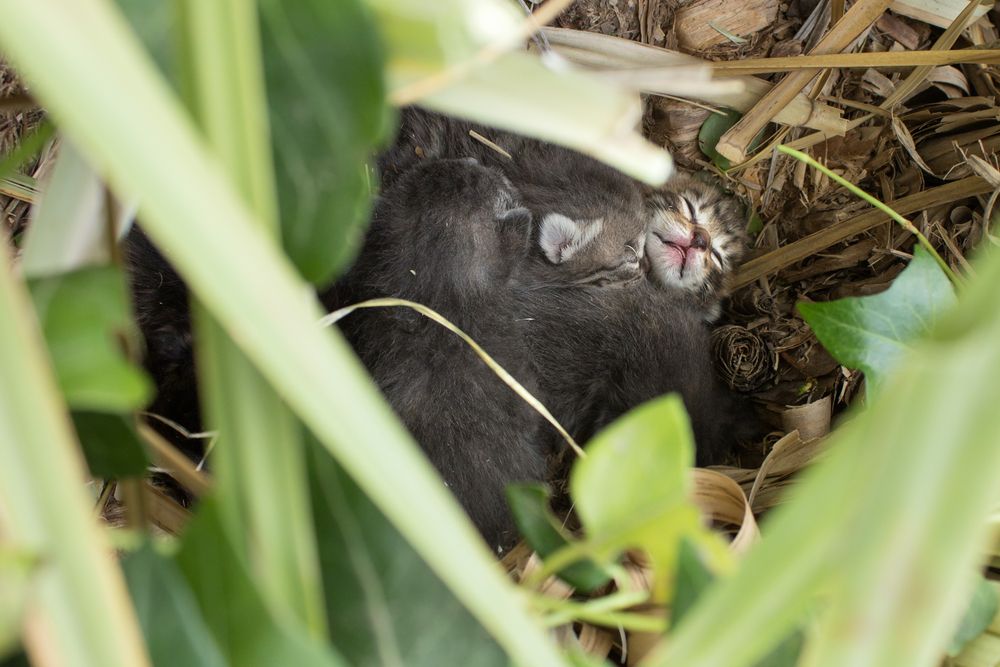
Unfortunately, cats don’t always plan their lives around what we want. Sometimes, an expectant mama cat will run off and hide before giving birth, making it extremely difficult to find where she stashed the litter. This is especially true if the cat spends a great deal of time outside or if you’re tending to a stray.
However, just because you don’t know where the babies are doesn’t mean you can’t find them, and we can show you a few tricks for doing just that. Read on to learn some tips to find a litter of lost kittens!

A Quick PSA
While we’ve acknowledged how adorable they are, each litter of kittens can contribute to overpopulation, given how many cats are languishing in shelters. That’s why it’s so vitally important that you spay and neuter your cats, especially if they’re going to be allowed outside.
We understand it’s not always possible, especially when dealing with strays. Also, not everyone has the money to pay for pet surgeries. However, many charitable organizations can help with free or low-cost operations, so be sure to look into those if money is tight. Also, if you can scoop up one of the strays and get them fixed, you’ll be doing the world and the cat’s current kittens a huge service.
Now, let’s examine the best ways to find a lost litter.
Our 8 Tips on How to Find a Lost Litter of Kittens
1. Think Like a Cat
Every tip on this list will boil down to putting yourself in a cat’s shoes (so to speak) and asking how a feline would behave. Cats are instinctive animals and love to find safe, hidden spots to curl up in before giving birth. This allows them to protect their newborns from predators, especially since the mother will likely be too exhausted to put up much of a fight.
Of course, you’re not a predator, so these instincts will work against the cat. Still, you should be on the lookout for warm, secluded spots that would make great hiding places.
These spots are usually well off the beaten path too. The cat doesn’t want foot traffic around because that means a predator could easily stumble across her nest accidentally. She’ll want someplace that’s quiet and secluded.
2. An Ounce of Prevention Is Worth a Pound of Cure
With this in mind, one of the best ways to avoid losing a litter of kittens is to create the perfect birthing spot for your cat. Set up a nest in a quiet, secluded area, and make it as comfortable as possible.
Put a soft blanket in a box so she knows that she can keep her babies warm and make sure that no one else enters the room. If you can offer your cat a prime delivery space, she’ll be much less likely to slink off someplace remote.

3. Be Sure She’s Actually Given Birth
There are a few telltale signs that a pregnant cat has had her litter. The most obvious is if she’s noticeably thinner or if her mammary glands are leaking milk or otherwise showing signs of being used.
Of course, some cats hide their pregnancies well, especially if malnourished, so that isn’t always easy. So, unless you’re absolutely certain that the babies have been born, you could waste time on a wild goose chase.
4. Follow the Mother
This is the most effective way to track down the litter of kittens. Most mothers won’t venture far away from their new brood, so if you see the mom, you can follow her to see if she leads you to her offspring. Of course, if the cat trusts you, she may be proud to show off her new family, so that part may be easy. If not, you must be as sneaky as possible when trailing her. A good pair of binoculars can be invaluable for following her from a safe distance.
The only reason that a mother will leave her kittens is to find food, so you may be able to expedite the process by offering her something to eat. She should take it and immediately try to return to her babies. If she shows no signs of urgency, she may not have given birth, or the kittens may not have survived. In that case, consider taking her to the vet to try to see what’s going on.
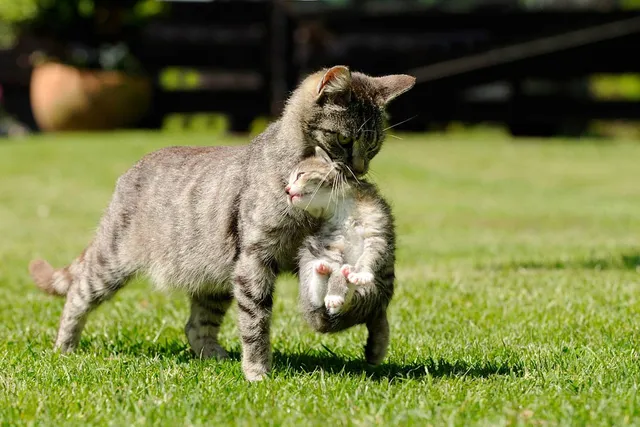
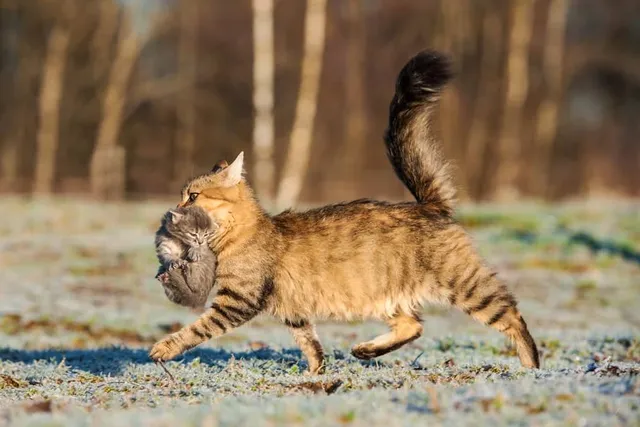
Also, avoid jumping to conclusions if you see the cat carrying a kitten. While this may mean the mother is moving her litter, she could also be culling a sick kitten, in which case, watching her won’t help you track down the rest of the babies (though you can try to help the abandoned kitten).
If you are concerned about the health and well-being of your pet, seek veterinary advice for the best course of action.
5. Know Where to Look Indoors
If you suddenly can’t find your indoor cat or her kittens, there are a few places to look first. All these locations assume your cat can’t get outdoors, so keep that in mind.
Closets and underneath beds are two of the most likely spots. These places usually have clothes or other fabric that can be used for warmth and are generally low-traffic areas. Any enclosed space is appealing too. This includes drawers, cabinets, the washer or dryer, and any boxes you might have.
The good thing about losing a litter of kittens indoors is that you know you’ll find them eventually. However, until you do, you must be careful where you step or sit. Also, don’t blindly throw shoes in closets or start appliances without checking them thoroughly. Generally speaking, your biggest fear should be that your cat found a hole or something that allowed her to escape outside before giving birth.
6. Know Where to Look Outside
If you have an indoor/outdoor cat or one that sticks close to your home, you should check around the house first. Look under the porch, in the garage, or in any crawlspaces. Be especially cognizant of the area in and around your vehicles, and don’t start them or drive off unless you’re sure it’s safe.
If you have a barn, shed, or similar structure, check there too. Be sure to look up high since many cats love to climb up into lofts or other raised areas; the added height makes their positions easier to defend.
In places with no human-made structures, look in trees and bushes or try to find any natural den in the area. While the cat will want to find someplace hidden and remote, they won’t want to stray too far from familiar territory. If you know where the cat likes to hang out, you can start brainstorming likely hiding spots.
If the cat’s a stray and you’re unfamiliar with their behavior, you’ll either have to follow them or hope to get lucky.

7. Try the Hail Mary Approach
If you have a dog, especially one familiar with the cat in question, you may want to try walking it around the general area where you suspect the cat may be hiding.
Dogs are great at sniffing out nests, which may be an effective last-ditch way to find the litter of kittens. Of course, a dog finding a nest of kittens usually ends tragically, so make certain that you have your pup on a tight leash.
8. Consider Leaving Them Alone
Unless you think the lost kittens will die if they’re not located, you may be better off just leaving them alone. You can let the mother nurse and raise them in peace for a few weeks, then scoop them up later to prevent them from becoming strays.
Keep in mind that many cats will reject their kittens if humans touch them, so you don’t want to scoop up the little kitties prematurely. Just let their mother do her job.
If you want to help, you can bring food, water, and maybe a blanket to the nest so the mother doesn’t have to search for essentials. Also, if you spot a way to make the nest safer, by all means, do so. Of course, if you suspect that the mother has abandoned her kittens, you can take matters into your own hands, but otherwise, you should consider leaving them alone.

Good Luck With Your Search
We hope you never have to track down a lost litter of kittens, but if you do, these strategies should significantly increase your odds of success. While we hope you enjoy your time playing with your adorable little cats, we would be remiss if we didn’t urge you, one last time, to see that they’re all spayed and neutered. After all, you don’t want to have to go on another lost kitten hunt a few months down the line.
Related Reads:
Featured Image Credit: Alberto CB, Shutterstock
Expert cat care, straight to your inbox
News, insights, and useful advice, delivered to you.

No spam — unsubscribe anytime.
By signing up, you agree to our Terms & Conditions and Privacy & Cookies Policy.
How useful was this post?
Click a star to rate. You can leave written feedback afterwards. (We read all feedback.)
Christian started writing for a local newspaper as a teenager, and he's been involved in the publishing industry for most of his adult life. Combining his love of writing with a passion for animals, he is currently the Director of Editorial at Pangolia and the Editor-in-Chief at Catster.
Christian lives in the Philippines with his wife, son, and four rescue cats: Trixie, Chloe, Sparky, and Chopper.