Ragdoll vs Siamese Cat: What’s the Difference? (With Pictures)


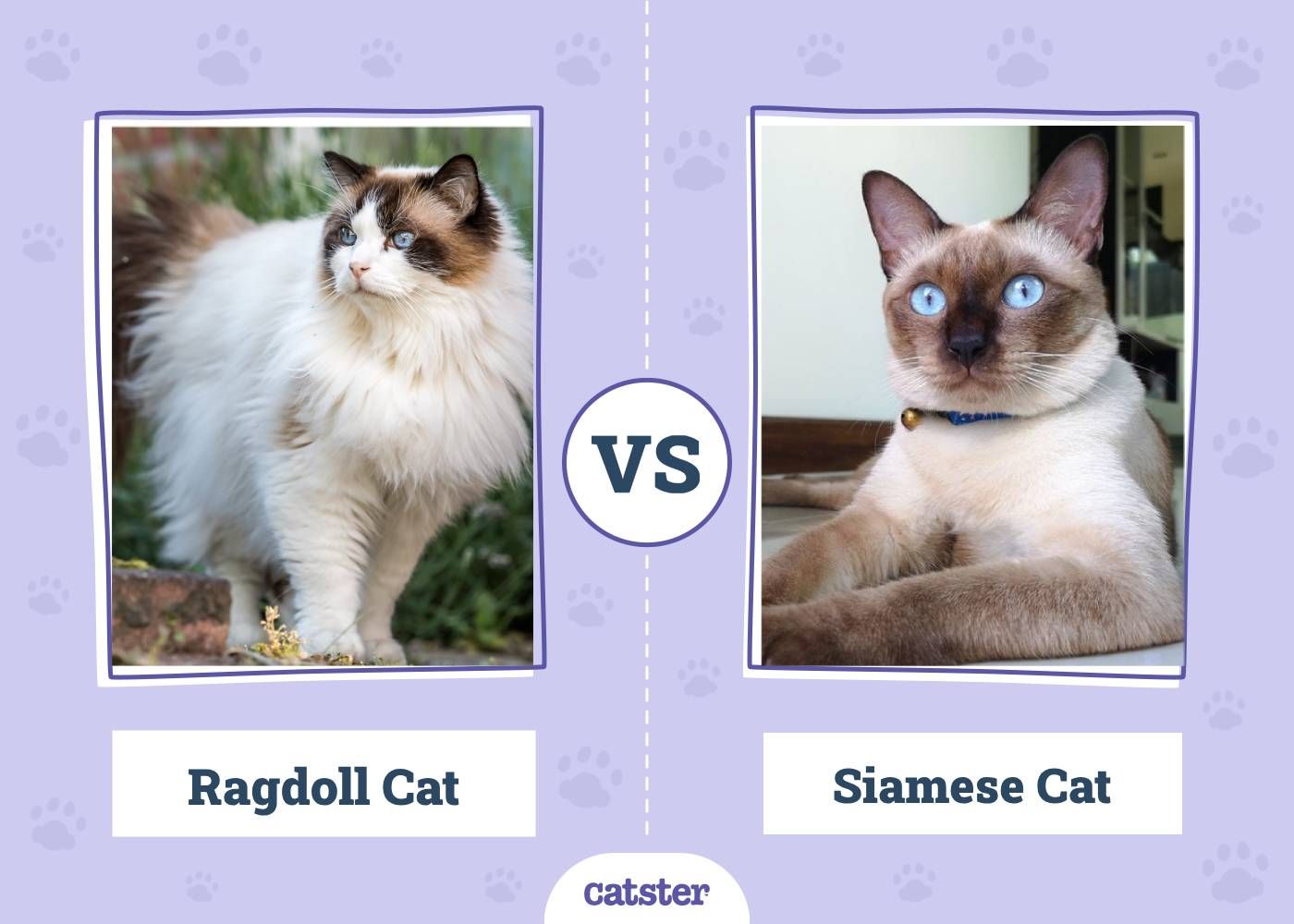
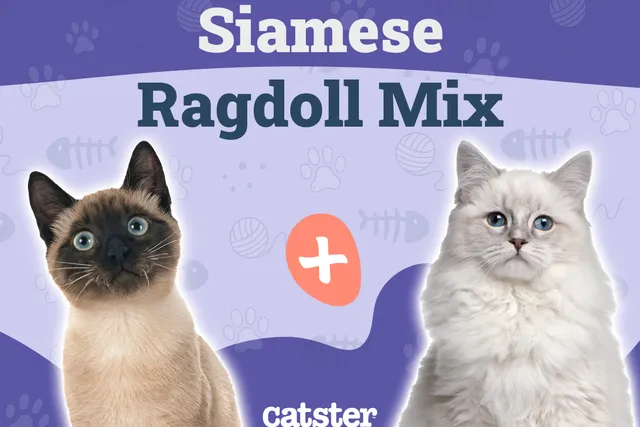
Ragdoll and Siamese cats may sometimes be confused, especially those with similar coat colors. Yet, aside from their aesthetic similarities, these two breeds couldn’t be any more different. The Ragdoll kitty is a floppy, relaxed cat, while the Siamese flourishes from attention and really needs it.
The main difference between the Siamese and Ragdoll is that the Ragdoll is an independent cat, while the Siamese requires a significant amount of your time and attention. They can even get depressed if left alone for too long.
If you’re still deciding which breed to buy, here is a complete guide to these two unique and adorable cats to help you decide.

Visual Differences

At a Glance
Origin
The Siamese is one of the oldest breeds and can be traced back to 13th-century Thailand. They were first brought to America in the 1800s as an exotic gift for President Rutherford B. Hayes. Today, the Siamese is one of the most popular cat breeds in the United States.
The Ragdoll, on the other hand, was developed in California during the 1960s. This stunning kitty comes from cross-breeding Angora, Birman, and Persian cats.
Appearance
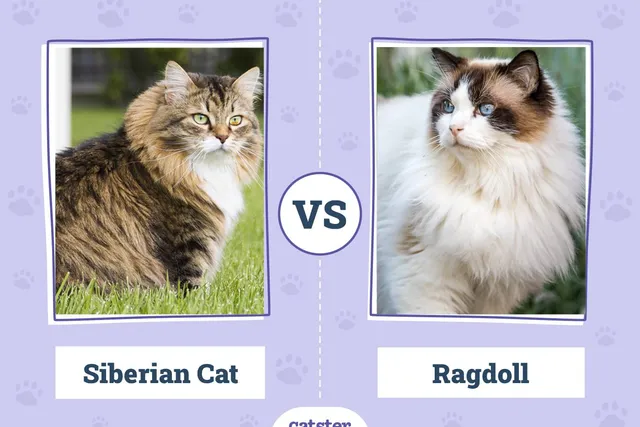
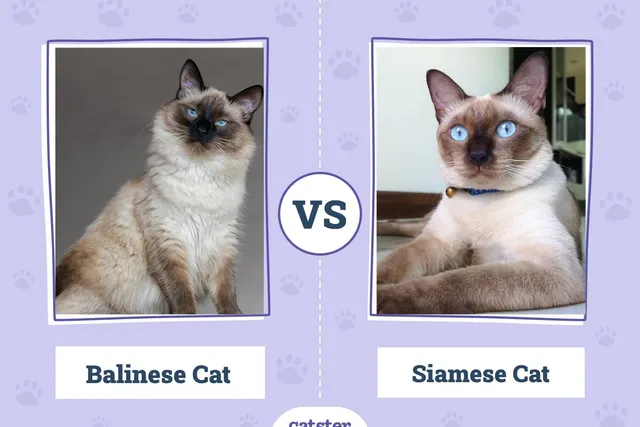
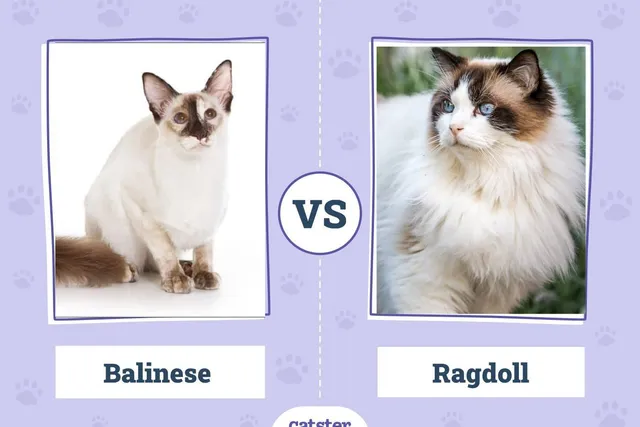
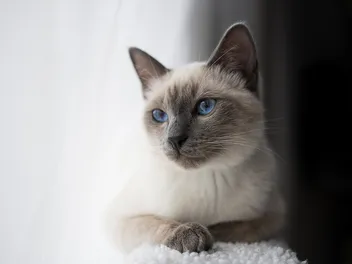
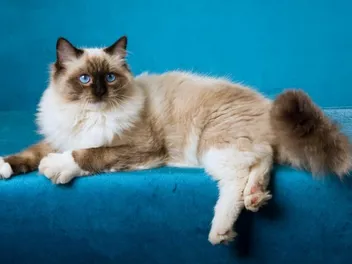
Despite some of them sharing similar color point patterns, the Siamese and Ragdoll have very different appearances. Ragdolls are bigger and fluffier than their Siamese counterparts and weigh up to 20 pounds, while the Siamese are long and slim and typically only weigh between 5 to 12 pounds.
The Siamese has short, silky hair. This makes them lower-maintenance cats regarding grooming, and many owners will favor them because of the Ragdoll's higher coat maintenance and shedding.
Ragdolls are more colorful than Siamese and can come with seal, blue, flame, chocolate, lilac, or cream points. Unlike the exclusively color-pointed pattern of the Siamese, the Ragdolls can be color-pointed but also bicolor, van, and mitted, and have tabby or tortie patterns.

Personality
Regarding their personalities, Ragdoll and Siamese cats are like night and day. Siamese cats are energetic extroverts who crave affection, while Ragdoll cats tend to be more on the calmer side of the spectrum.
As their namesake suggests, Ragdoll cats will dangle like ragdolls when held. This trait perfectly sums up their docile personality. They love to lounge around and enjoy snuggling on the sofa.
The Siamese needs to be the star of the show and craves attention. They’ll let you know when they’re not getting enough of it, too. This talkative and charismatic breed never goes unnoticed.
Despite their calm demeanor, Ragdolls might not get along as well with dogs as the Siamese. The spunky Siamese will do well with an equally energetic dog in the house, while the Ragdoll prefers to be an only pet.
The Siamese cat is also an extremely sensitive kitty. If ignored or left alone for long periods, they can easily become depressed. While Ragdolls are much more independent, they still need daily affection.
Care
As stated, the Siamese requires a lot more of your attention than the Ragdoll. That is why they don’t make good pets for people who work long hours and can’t dedicate much time to playing with and stimulating them.
To keep your Siamese endlessly entertained, get them a food puzzle toy that will keep them occupied for hours. However, toys should not be a replacement for your love and attention.
While both self-groom, as all breeds do, the Ragdoll will need a significant amount of brushing due to their thick, fluffy fur. Both cats should be fed a complete, balanced diet of high-protein, high-quality cat food. Look for brands that contain proteins from natural sources, such as fish or poultry, and consider the fiber content. Fiber-rich foods help indoor cats with weight control and digestion.

Ragdoll and Siamese Similarities
Despite their immense differences, Ragdoll and Siamese cats have some things in common. Here are a few of those similarities:
- They both can present color points with darker masks, paws, and tails than the rest of the body
- Both breeds are super affectionate and sensitive
- Both the Ragdoll and the Siamese are highly intelligent
- Both breeds are extremely outspoken
Which Cat Breed Is Purr-Fect for You?

Despite the fact that both breeds will get along with most people, there are some types of households in which the Ragdoll and Siamese will thrive.
Ragdolls work best in a home where they can be independent. While they’d like to be petted or cuddled occasionally, they are also happy doing their own thing. They are also extremely relaxed and prefer being lazy and napping most of the time. Although they’re loving cats, Ragdolls can adapt to other pets but also do well when they’re the only pets in the household. Because of their long hair and tendency to shed, they aren’t suited for people with allergies.
Since they're prone to depression, Siamese do best in a house where someone is always around to give them ample attention. They love small kids and will gladly play with your children for hours. They have a ton of energy and must be exercised and stimulated throughout the day. Siamese cats need company, whether that’s yours, a kid’s, another cat’s, or even a dog’s. They are social, talkative, and always seeking attention.

Final Thoughts
While both breeds make excellent pets, Siamese cats need constant attention and affection. If you are looking for a more independent, quintessential cat-like breed, a Ragdoll would be more appropriate for you. However, if you want an active and talkative cat that adores cuddling and snuggling, a Siamese would make an excellent addition to your household. Regardless of the cat you select, the Ragdoll and Siamese are exceptional felines that make ideal pets.
See also:
Ragdoll vs Siamese Cat: What’s the Difference? (With Pictures)
Ragamuffin vs. Ragdoll: Which Cat Breed Is Right for You? (With Pictures)
Featured Image Credit: Left - GoodFocused, Shutterstock | Right - Nynke van Holten, Shutterstock
Expert cat care, straight to your inbox
News, insights, and useful advice, delivered to you.

No spam — unsubscribe anytime.
By signing up, you agree to our Terms & Conditions and Privacy & Cookies Policy.
How useful was this post?
Click a star to rate. You can leave written feedback afterwards. (We read all feedback.)
Christian started writing for a local newspaper as a teenager, and he's been involved in the publishing industry for most of his adult life. Combining his love of writing with a passion for animals, he is currently the Director of Editorial at Pangolia and the Editor-in-Chief at Catster.
Christian lives in the Philippines with his wife, son, and four rescue cats: Trixie, Chloe, Sparky, and Chopper.