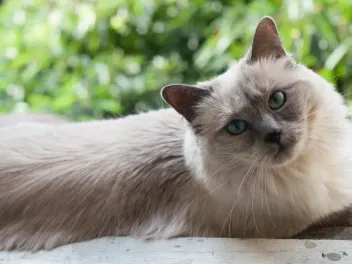
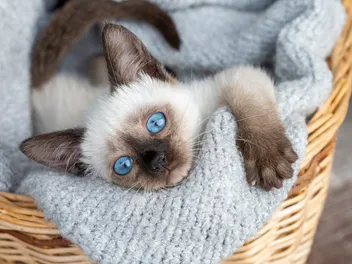
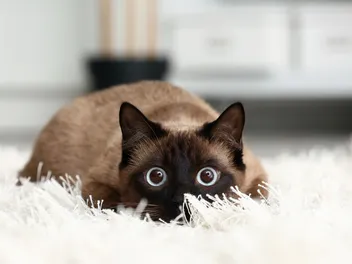
Tonkinese vs Siamese Cat: What's The Difference? (With Pictures)


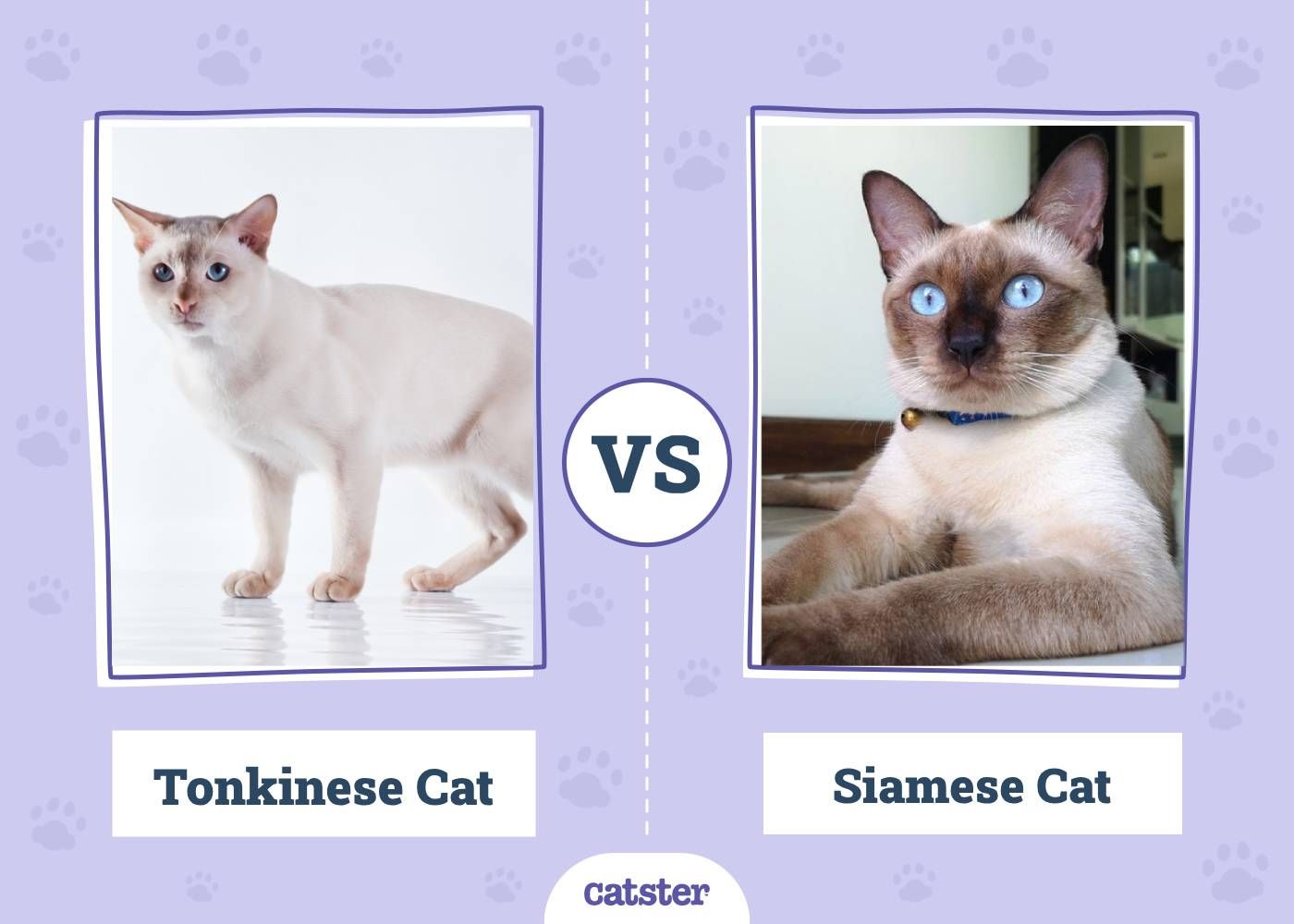
The Tonkinese and the Siamese cats are closely related. However, that doesn’t mean you are getting the same type of cat when you adopt one of these two breeds. They are very different and stand apart from typical cats because of their strong personalities.
Depending on what you are looking for in a family pet, one of these cats might be better suited for you than the other. But how do you decide? What are the most significant differences, and which traits do they share?
In this article, we’ll look closer at the breeds, their general care and management, and the characteristics that set them apart so you can make an educated choice between them.

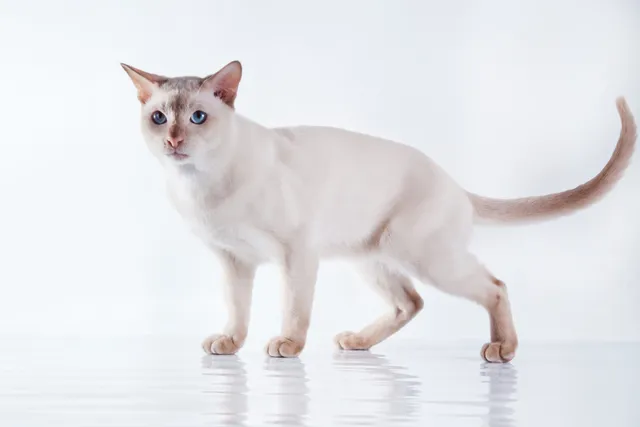
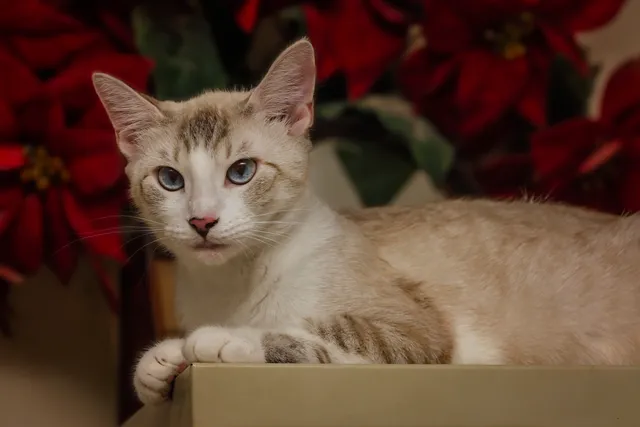
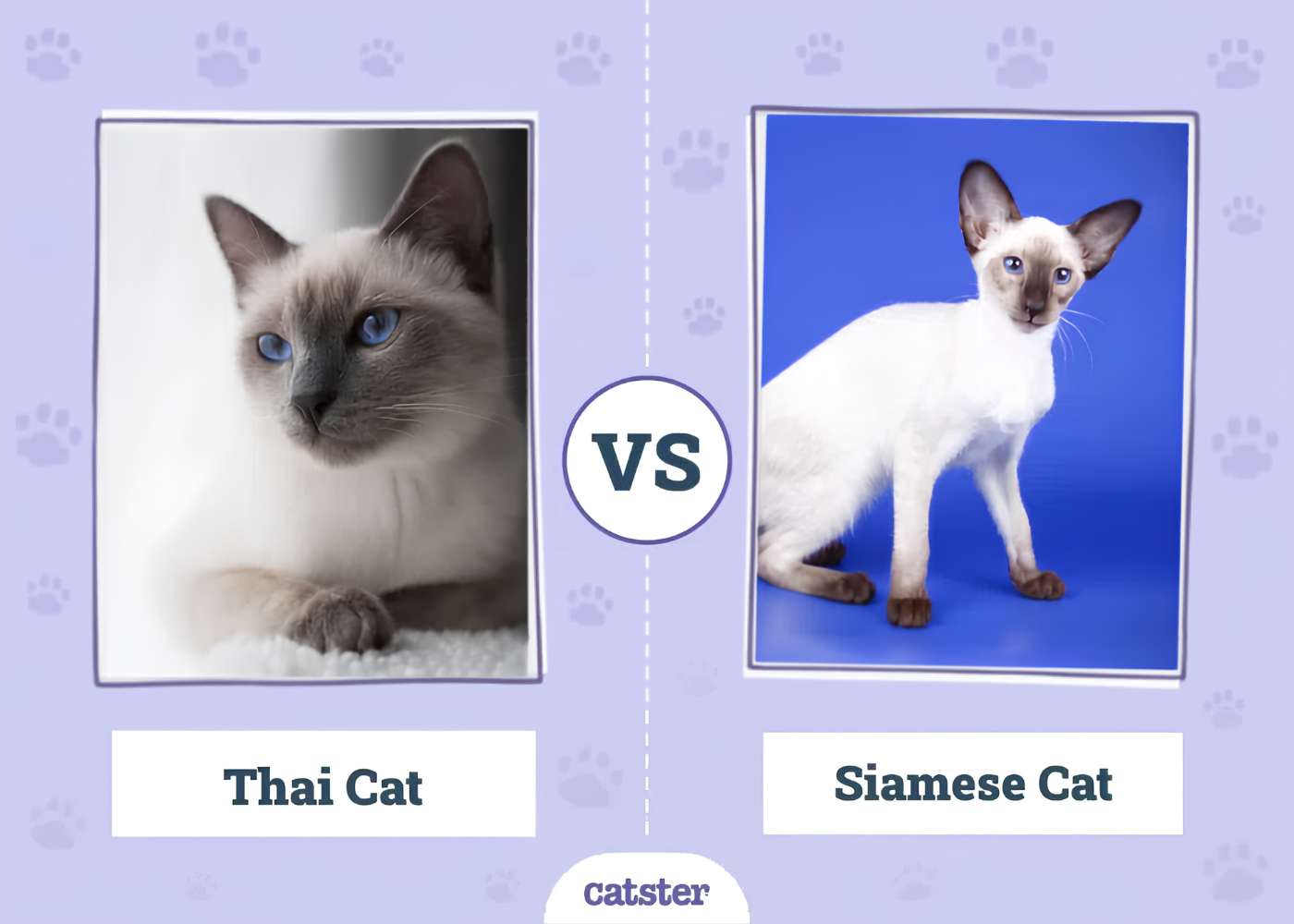
Visual Differences

A Quick Overview
Siamese Cat
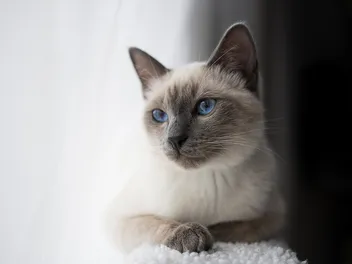
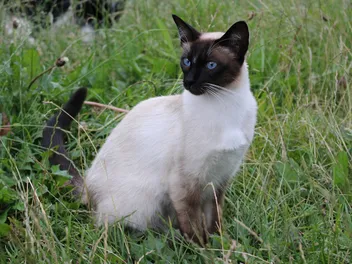
The Siamese is perhaps best known for their stunning looks. They typically have bright blue eyes and a long, sleek body. They have black or brown ears and look like they are wearing a seal, chocolate, blue, or lilac colorpoint mask.
This cat breed is intelligent and graceful. They are typically confident and socially engaged cats, often appearing expressive as they observe the world from elevated perches.
Siamese cats are the haughty, elegant members of a party, always expressing their opinions loudly. They are fond of their humans and follow them and monitor their actions. If you need a constant companion who will “talk” back to you around the house, the Siamese will make an excellent cat for you.

Siamese Cat Care
Siamese cats do not need as much active time as dogs, but they are considered a high-interaction breed. They need a great deal of mental stimulation and loving attention to stay content in their home.
Grooming
There is a bit of variance in the coat of the Siamese, but it’s generally short, sleek, and close to the cat’s body to give them a slim look. Siamese cats are agile and muscular. They do not need as much grooming but should be brushed a couple of times weekly to keep their shedding minimal. Brush their teeth daily for the best dental health, but at a minimum, several times per week.
Intelligence
These cats are highly intelligent and will watch you with knowing eyes. To keep them out of trouble around the house, interact with them often and engage them mentally and physically. They love playing with toys, and some are skilled at playing fetch.
They are smart enough to be trained to walk on a leash using positive reinforcement, but are sometimes stubborn enough that training them to do other tricks may require a great deal of patience.
Kids and Other Pets
Since Siamese need so much attention, they make excellent family pets, as long as the kids know to be gentle with them. They appreciate being around other cats, especially from an early age. They can even behave well around dogs if the dog does well with them.

Nutrition
Siamese can eat a complete and balanced cat food appropriate for their life stage. However, they are prone to overeating and should be monitored, so they don’t become overweight. It is helpful that their thin form gives away a potbelly quickly, so you know when to cut down on their intake.
Home Life
Siamese cats are best as indoor cats, mainly for their protection. They are not typically hyper cats, and as long as they get enough exercise, it shouldn’t bother them that they are inside. However, left outside, there is a higher chance than with other breeds that someone will take them.
Temperament
Living with a Siamese is similar to living with a chatty busybody. They are typically reserved toward strangers. However, they are devoted pets to people whom they do know. This breed can be quite demanding for attention, and they do not do well if left alone for long periods.
Siamese are happier if you have two of them to keep them company when you are gone. Siamese cats love to play and make wonderful companions.
Health
Siamese cats are known to suffer from a variety of diseases. Like many breeds, they are prone to contracting mouth and gum disease. They are also vulnerable to hypertrophic cardiomyopathy, asthma, amyloidosis, some gastrointestinal disorders, and chronic kidney disease. Make sure to maintain regular vet checkups to ensure the health of this kitty.
Pros & Cons
Pros
- Highly sociable
- Playful
- Low shedding breed
- Beautiful coat
Cons
- Costly breed
- Loud and expressive cat
- Needy
- Intelligence can mean trouble if understimulated
Tonkinese Cat
The Tonkinese cat was initially developed by breeding the Siamese with the Burmese cats. Therefore, they share many of the same traits as the Siamese. Many people devoted to the Tonkinese breed claim they inherited the best qualities from both breeds. They are also called “Tonks.”
While Siamese cats are always ready to have a conversation and loudly vocalize their strong opinions, Tonkinese cats are quieter. They are just as intelligent as their Siamese counterparts and could never be mistaken for having the aloof nature many people assign to cats. These cats act as retrievers and can be trained to bring things to you. They have goofy personalities that cover up their soft hearts.

Tonkinese Cat Care
The Tonkinese might be high maintenance when it comes to their attention requirements, but overall, they are easy to care for and a joy to have as another family member.
Grooming
Because their coat is short and soft, they don’t need to be brushed more than once a week. Brushing them helps limit their already limited shedding and evenly spreads healthy, natural skin oils. They rarely need a bath.
To avoid periodontal disease, brush their teeth daily or at least a couple of times a week. Their eyes may also need to be cleaned to keep them healthy.
Intelligence
Tonkinese cats are intelligent, which can get them into mischief if you aren’t watchful. They need plenty of mental stimulation. Try to train them to do tricks or walk on a leash to engage them. You can provide them with puzzles and toys to keep them happy; they should stay occupied and out of trouble.
Kids and Other Pets
Much like Siamese cats, Tonkinese cats do best with a community around them. They typically prefer to live with other cats and may even settle for a dog that isn’t aggressive toward them. They behave well around children but should be monitored so the kids treat them gently.

Nutrition
Tonkinese cats can eat any cat food and don’t have picky stomachs. They may need to be monitored, especially if you own more than one animal. Don’t allow them to overeat, or their health will decline more rapidly.
Home Life
Tonkinese cats do well as indoor cats. With their friendliness, it's best to keep them safe from strangers who will happily take such a pretty and happy little cat. Keeping them indoors also protects them from larger predators and vehicles.
Temperament
It would be hard to find a breed friendlier than the Tonks. They are active, agile cats that love to explore and have fun. They are still a higher-maintenance breed when it comes to attention and will follow family members around until they receive it. They are not reserved around new people but will act like they have known them forever. However, it is best to have other pets when you have a Tonkinese, so they don’t require as much attention from you.
Health
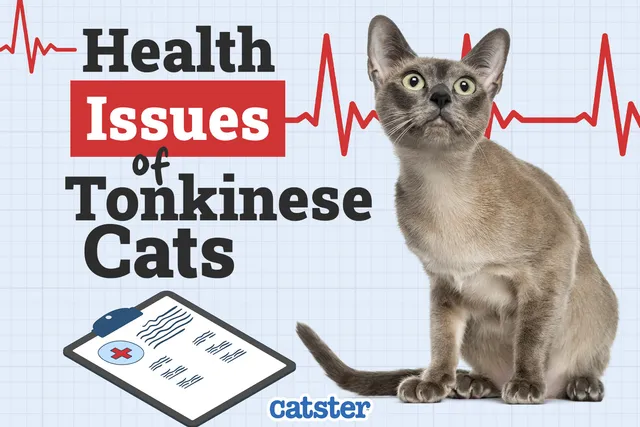
Like Siamese cats, Tonkinese can suffer from asthma, gastrointestinal conditions, or heart disease. You should also watch out for hypertrophic cardiomyopathy, gingivitis, strabismus, and nystagmus. Strabismus means the eyes are not perfectly lined up and may look crossed. In Tonkinese cats, this is usually something they are born with and is most often harmless, painless, and does not affect vision. Nystagmus means the eyes move on their own, such as side to side or up and down. When cats are born with it, it is often mild and they adapt well, but if these eye movements start suddenly later in life, it can be a sign of an inner ear or neurological problem and should be checked by a veterinarian. Keep up with consistent veterinary appointments to ensure the continued health of your pet.
Pros & Cons
Pros
- Very friendly cat
- Active
- Intelligent
- Beautiful breed
- Good pets for children
- Quieter voice
Cons
- Expensive breed
- Sociability can be bothersome
- Intelligence can mean trouble if understimulated
Final Thoughts
Both of these cats are friendly and witty down to their kitty toes. They are both beautiful and act as they know how. The Siamese is typically more of a classy pet and has an attitude of elegance. Although both cats are vocal, the Siamese has a louder and raspier voice. Both can find themselves in a hot pot of mischief.
For either one of these cats, be prepared for their great need for attention. If you need a companion cat, you would be hard-pressed to find better breeds.
See Also:
Siamese Cat vs. Oriental Shorthair Cat: Which Breed is Right for You? (With Pictures)
Ragdoll vs Siamese Cat: What’s the Difference? (With Pictures)
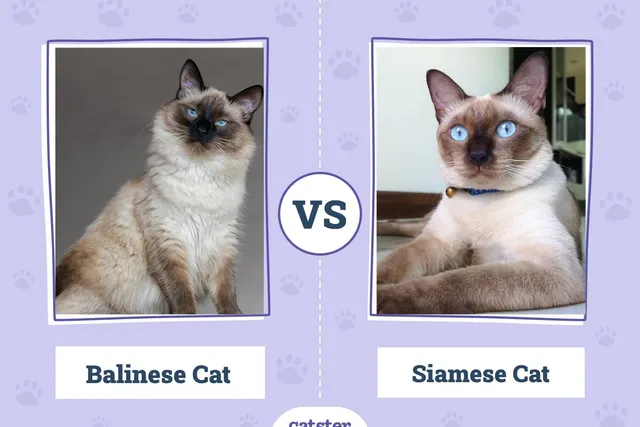
Featured Image Credit: Left dezy, Shutterstock | Right Witsawat.S, Shutterstock
Expert cat care, straight to your inbox
News, insights, and useful advice, delivered to you.

No spam — unsubscribe anytime.
By signing up, you agree to our Terms & Conditions and Privacy & Cookies Policy.
How useful was this post?
Click a star to rate. You can leave written feedback afterwards. (We read all feedback.)
Christian started writing for a local newspaper as a teenager, and he's been involved in the publishing industry for most of his adult life. Combining his love of writing with a passion for animals, he is currently the Director of Editorial at Pangolia and the Editor-in-Chief at Catster.
Christian lives in the Philippines with his wife, son, and four rescue cats: Trixie, Chloe, Sparky, and Chopper.