Get

In Your Inbox

Catster is reader-supported. When you buy via links on our site, we may earn an affiliate commission at no cost to you. Learn more.

Tonkinese Cat Health Problems: 7 Vet-Reviewed Concerns

Share

Catster_Health Problems Tonkinese Cats

Tonkinese cats are known for their beautiful coats and pleasant personalities, but that’s no guarantee of health. Although Tonkinese cats are healthy, they are slightly more likely to inherit some genetic conditions that will need extra care. Every breed of cat has its own risk, and it’s important to know what to look out for so that you can help your vet diagnose issues quickly. Here are seven of the most common health problems in Tonkinese cats.

divider cat faces oct 2024

The 7 Common Tonkinese Cat Health Problems

1. FLUTD (Urinary Disorders)

Tonkinese cats are at a higher risk for a group of diseases called FLUTD, short for feline lower urinary tract disease. FLUTD can take several forms, from an increased likelihood of infections to bladder stones. However, they generally have symptoms in common. A predisposition for these diseases means that you should keep a close eye on your Tonkinese. Most urinary tract disorders have treatments available to help your cat live in comfort.

Symptoms
  • Urinating in unusual places
  • Blood in urine
  • Signs of pain while urinating
Prevention & Treatment

There’s not much you can do to prevent your cat from getting a FLUTD, but regular urinalysis can help you detect the disease early. If your cat has one of these diseases, vet treatment can usually make the condition manageable. Medications and special diets can help your cat stay healthy, and surgery is required in some cases.

If you need to speak with a vet but can't get to one, head over to PangoVet. It's an online service where you can talk to a vet online and get the advice you need for your pet — all at an affordable price!

Preventative wellness PGV mention keep cat healthy Preventative wellness PGV mention keep cat healthy mobile

2. Kidney Failure

Tonkinese cats are at a slightly higher risk of kidney failure than average, so you should be on the watch for signs of kidney disease. Kidney failure might be sudden, but it can also occur over several months, with the first signs being subtle. Catching kidney failure early will increase your cat’s quality of life and treatment options.

Symptoms
  • Dehydration
  • Excessive thirst and urination
  • Weight loss, lack of appetite
  • Diarrhea or vomiting
  • Depression or lethargy
  • Dull, sunken eyes
  • Seizures
  • Incontinence
Prevention & Treatment

There isn’t a cure for most types of kidney disease in cats, but treatments can help lengthen your cat’s life, slow progression of disease, and extend quality of life. Treatments include medication, diet changes, and vitamin injections or supplements. Treatments can also combat the symptoms of kidney failure, such as IV or subcutaneous fluids to treat dehydration.

chocolate Tonkinese cat
Image by: dezy, Shutterstock

3. Diabetes

Diabetes Mellitus occurs when cats are unable to process glucose because they don’t produce enough insulin or their body doesn’t respond properly to it. There are two different types of diabetes mellitus, and Tonkinese cats are generally more susceptible to type two, like most other cats. Although not all types of diabetes are preventable, many cats with susceptibility will only develop diabetes if in poor health. This makes it a fairly preventable disease.

Symptoms
  • Excessive thirst or urination
  • Increased appetite and weight loss
  • Elevated blood sugar
Prevention & Treatment

The most important way to prevent diabetes in your cat is to feed your cat a healthy diet and avoid overfeeding. Overweight and inactive cats are much more likely to develop diabetes. If your cat is diagnosed with diabetes, the best treatment is usually a combination of dietary treatment and injected insulin. When properly treated, cats with diabetes can live a healthy life.

tonkinese blue eyes
Image by: Pxhere

4. Patellar Luxation

One of the most common joint issues that Tonkinese face is patellar luxation, or a knee cap that doesn’t stay in place. This is caused because the leg’s bones are not shaped properly and generally worsens with age. Because Tonkinese are at higher risk for the disease, it’s suggested to check for patellar luxation while still a kitten. If caught early on, treatment can ensure that your cat lives without pain.

Symptoms
  • Symptoms not present until late disease
  • Joint pain
  • Difficulty walking
Prevention & Treatment

Patellar luxation is a genetic issue, but early detection can help your vet treat the condition with minimal pain. Some medications used for arthritis and joint pain can help minimize inflammation and development of osteoarthritis. In severe cases, corrective surgery can ensure that your cat’s kneecap stays in place. These are much more effective if discovered before your cat is experiencing pain.

wedge head siamese cat
Image by: L.A.Kennedy, Shutterstock

5. Feline Asthma

Feline asthma causes difficulty breathing and is often associated with allergies or sensitivity to particulates in the air. Tonkinese cats are at a slightly elevated risk of feline asthma.

Symptoms
  • Wheezing
  • Difficulty breathing
  • Chronic Coughing
  • Rapid, shallow breaths
Prevention & Treatment

If your cat has feline asthma, treatment includes a combination of environmental changes such as a reduction in allergens, medications, and symptom treatment via an inhaler. Working with your vet can help you find a treatment plan.

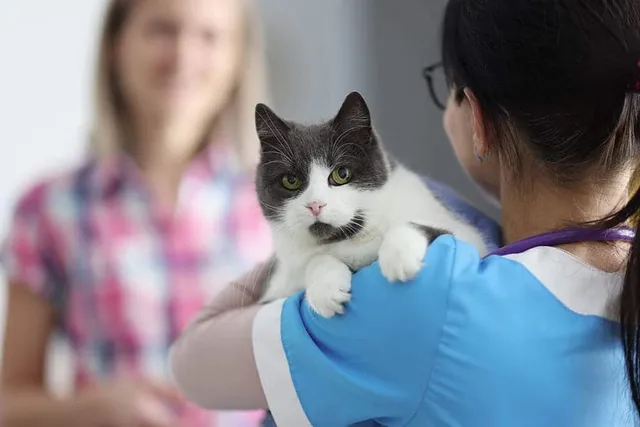
cat and owner and vet
Image by: Stock-Asso, Shutterstock

6. Hypertrophic Cardiomyopathy

Hypertrophic Cardiomyopathy is a condition where the heart’s muscles are enlarged, restricting blood movement and reducing heart efficiency. It is a genetic condition that is occasionally found in Tonkinese cats. Many cats with HCM don’t appear ill or have visible symptoms, but at times this can cause fluid buildup in the lungs or heart failure.

Symptoms
  • Symptoms not present in all cases
  • Lethargy
  • Difficulty breathing or rapid breathing
  • Fluid buildup in lungs
Prevention & Treatment

HCM can’t be prevented or treated, but cats with HCM should be closely monitored. Once symptoms appear, the condition can be managed with medications to prevent blood clots, decrease heart stress, and manage fluid buildup.

seal-point siamese cat
Image by: Pixabay

7. Arterial Thromboembolism

Tonkinese cats are at higher risk of heart diseases such as Arterial Thromboembolism, a blood clot caused by an enlarged left atrium and a predisposition to blood clots. This disease can be very serious, and there is little treatment if the clot is not caught quickly. However, with proper screening many Arterial Thromboembolisms can be prevented.

Symptoms
  • Sudden weakness
  • Lameness (inability to use rear legs)
  • Pain
  • Difficulty breathing
Prevention & Treatment

Arterial Thromboembolism occurs when heart disease is left untreated, so monitoring your cat’s health is important. If your vet believes that your cat is at higher risk of heart problems, they might prescribe medicine to prevent clotting along with other treatments. If your cat does develop an Arterial Thromboembolism, emergency vet care is needed.

Remember to have regular vet visits when owning a Tonkinese to keep their health and well-being. 

divider cat faces oct 2024

Final Thoughts

It can always be worrying when a pet gets sick; however, knowing about any illnesses that could affect your pet can help you be prepared. You want your Tonkinese to live a happy and healthy life. Knowing about any health issues your Tonkinese cat could get will only help you to recognize signs and symptoms early.


Featured Image Credit: dezy, Shutterstock

Want content like this delivered to you?

Sign Up For Our Newsletter

News, insights, expert advice, and everything cat

* By submitting, you agree to our Terms & Conditions and Privacy & Cookies Policy.


How useful was this post?

Click on a star to rate (you can leave written feedback after clicking submit)

Help us improve Catster for pet parents!

Your feedback really matters.

What did you like about this post? Also how can we improve it?

Join the conversation

Leave a Reply

You’re very welcome to leave a comment or question. Please know that all comments must meet our community guidelines, and your email address will NOT be published. Let’s have a positive and constructive conversation.


Talk With A Vet Online

Peace of mind,
anywhere, anytime

Affordable vet advice

What Makes Orange Tabby Cats So Fascinating (It’s Not Just the Color)

Orange tabby cats are everywhere, and yet most people know surprisingly little about what actually makes them so fascinating (unless you are owned...

Mixing Business with Charity at the Purrfect Day Cat Cafe

Despite what the news headlines might indicate, the world is generally filled with a lot more good people than bad, and you might...

Ask Dr. Paola – Help! My Cat Pees on My Bed (April 27, 2026)

Welcome to our “Ask Dr. Paola” series, where every Monday we bring expert advice straight from Dr. Paola Cuevas (MVZ) to help our...

When Healing Goes Both Ways: Mochi’s Fight Against FIP and the Strength We Found Together

Why I’m Sharing This Now Five years ago, I was in the middle of one of the hardest seasons of my life. I...

More related

Ask Dr. Paola – Allergies, Farts & Dust Mites (January 20, 2025)

Welcome to our “Ask Dr. Paola” series, where every Monday we bring expert advice straight from Dr. Paola Cuevas (MVZ) to help our...

Can Cats Eat Smoked Salmon? Vet-Reviewed Facts & FAQ

To cut to the chase: yes, cats can eat smoked salmon, but not as their main source of food. Some worry that what’s...

My Cat Is Having a Seizure: Our Vet Explains the Signs, Treatment & What to Do

Seizures are frightening for pet owners, especially when they first start happening. If your cat starts showing signs of seizure activity, you’ll need...

Why Are Cats So Much Sassier Than Dogs? Vet-Verified Personality Traits Differences

Before attempting to answer whether cats are sassier than dogs, it’s important to ensure we’re all on the same page, as the term...

Keep reading

5 Best Cat Exercise Wheels in 2026 – Reviews & Top Picks

The benefits of exercise1, both mental and physical, are well-established when it comes to human beings. Regarding our feline friends, exercise is no less vital but rarely performed. With up to 50% of adult cats being overweight2, this lack of...

Smoky cat running on exercise wheel or training apparatus

How to Boost Your Cat’s Immune System: 8 Vet-Reviewed Tips

Nobody wants to deal with a sick cat all the time, and the last thing your cat wants, is to be sick regularly. It’s part of your job as a responsible pet owner to do what you can to keep...

female veterinarian carrying a white cat

Can Cats Eat Sushi? Vet-Reviewed Nutrition Facts & Safety Guide

Sushi is a popular food for many people, and since cats are supposed to like fish, it’s not uncommon to wonder if sushi is safe to give your cat. The short answer is no. Your cat should not be offered...

Can Cats Eat Sushi

How to Cool Down a Cat: 9 Vet-Approved Tips

When the hot weather rolls around, it is imperative to know how to look after your cat. All felines, just like humans, can be at risk of overheating when it’s hot and humid, with the potential of causing heatstroke. Although...

blue-tabby-maine-coon-cat-playing-water

Palliative Care for Cats: 6 Things You Should Know (Vet-Verified)

If you’ve recently received the unfortunate news that your beloved cat has developed a terminal or life-altering condition, your mind is undoubtedly full of more questions than you can count. Your vet may have mentioned the possibility of palliative care...

Vet touching a terminally-ill cat

Why Does My Cat Purr When They’re Asleep? Vet-Reviewed Feline Behavior

Is there anything sweeter than seeing a cat curled up in a cozy nook, purring in their sleep? We can’t think of much that beats it. But if you’ve ever wondered why cats purr in their sleep—and if they’re really...

cat under porch sleeping

Can Cats Eat Meatballs? Vet-Reviewed Dangers & Facts

Spaghetti and meatballs are a classic comfort food and a childhood favorite meal for many people. If you and your family regularly enjoy meatballs for dinner, you may wonder if sharing this meaty treat with your cat is okay. Most...

Can Cats Eat Meatballs

10 Best Cat Foods in the UK of 2026 – Reviews & Top Picks

Choosing the right cat food for your furry friend is one of the most important decisions that you can make when it comes to their health and welfare. While it might not matter what color collar your cat wears or...

Calico cat eating

Love Cats? So Do We! Join the Catster Community

Stay informed with expert pet care insights delivered straight to your inbox! Discover professional guidance on animal behavior, feeding tips, trusted product picks, and much more.


Sign up for the Catster Email Newsletter

Stay informed with expert pet care insights delivered straight to your inbox! Discover professional guidance on animal behavior, feeding tips, trusted product picks, and much more.