Balinese vs Siamese Cat: What's the Difference? (With Pictures)


In this article
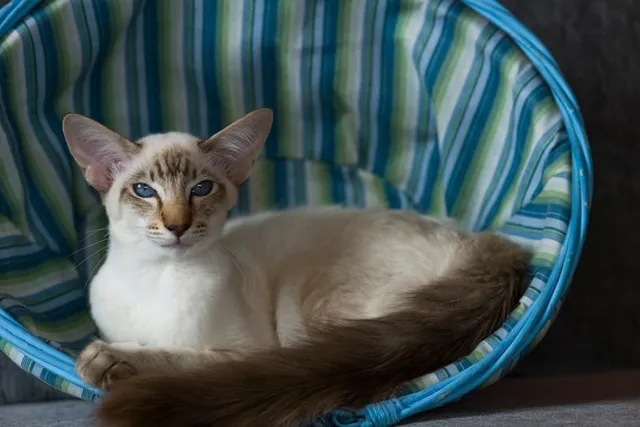
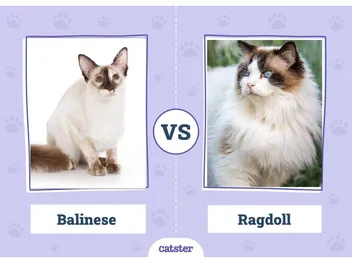
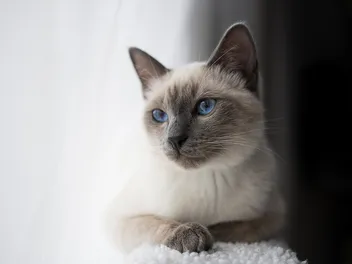
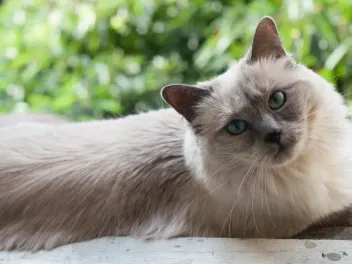
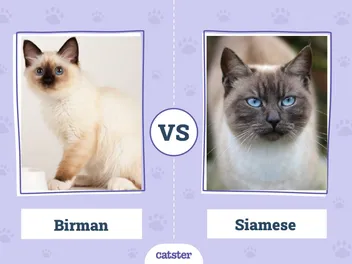
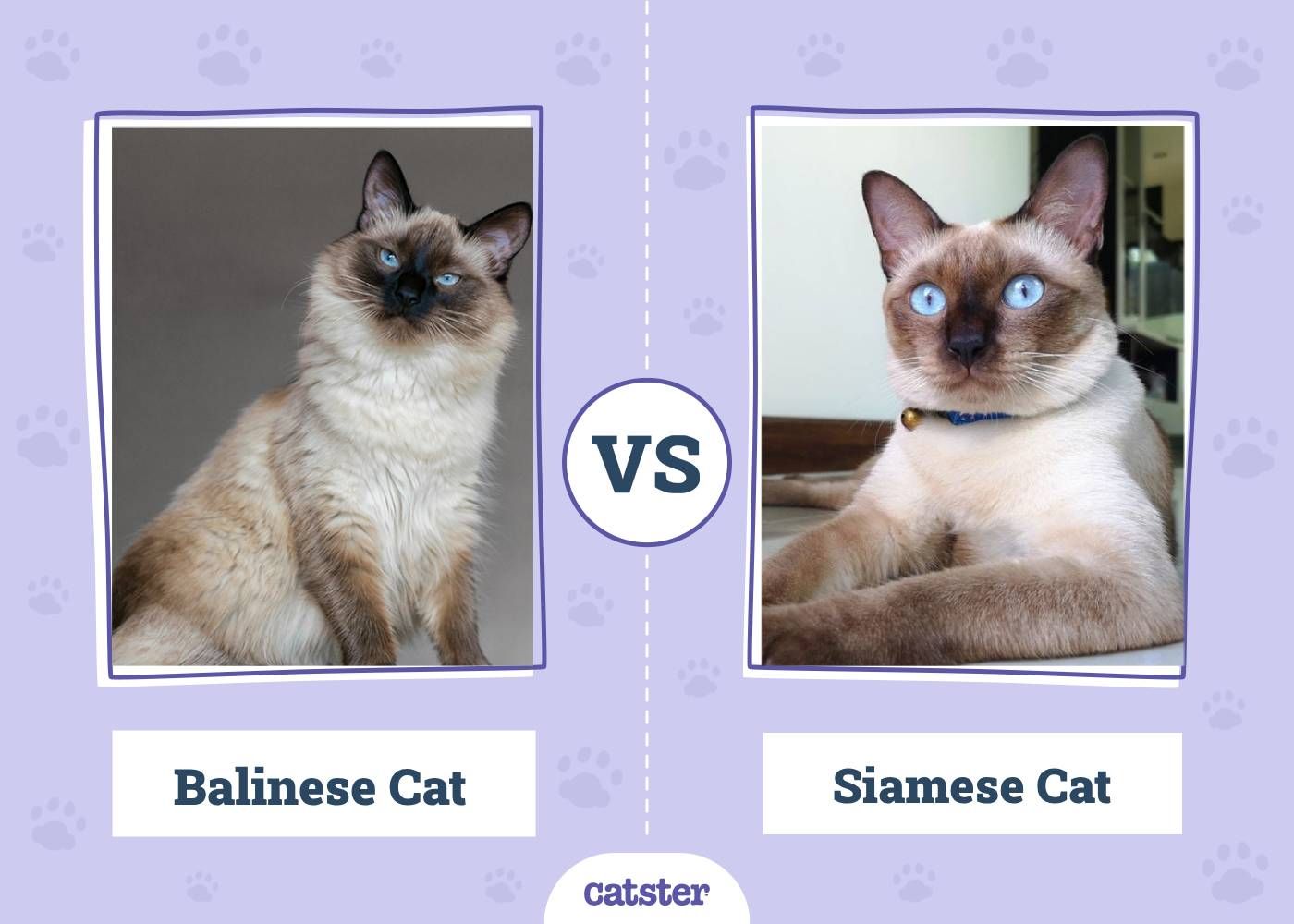
Have you ever wondered about the differences between Balinese and Siamese cats? The two breeds are incredibly similar, and for good reason. The Balinese is actually an offshoot of the Siamese family tree. However, there are a few differences between the two breeds that are worth noting.
So, if you’re on the fence regarding which cat breed is best for you, we’ll examine both breeds to help you make the right decision for you and your family.

Visual Differences

At a Glance
Balinese Cats
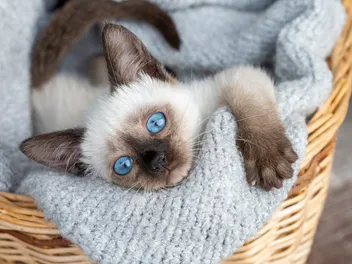
You may think the Balinese cat hails from Indonesia, where they share their namesake with a popular island destination, but that couldn’t be farther from the truth. Balinese cats were initially bred in the United States. They started as a genetic mutation resulting from a Siamese litter.
Instead of separating these “long-haired Siamese,” breeders nurtured them and built upon their variety. In 1961, the Cat Fanciers Federation granted them an official status.
So why the Balinese name? It’s said that the original breeders compared the grace and beauty of the cats to temple dancers on the island of Bali.
Breed Overview
Length:
Weight:
Life Expectancy:
Colors:
Eye Color:
Temperament:

Balinese Cat Care
A Balinese cat is a wonderful family cat, and they often get along with kids and adults. Balinese are active members of the family. They don’t necessarily follow many other cats' “look but don’t touch” philosophy.
Grooming ✂️
Although the Balinese cat is also known as a long-haired Siamese, it is technically considered a semi-longhaired cat. It’s the only longer-haired relative of a Siamese. The Balinese coat is a single layer without a dense undercoat and is very silky. You’ll also notice they have a tail plume up to 5 inches long.
However, you will need to comb its hair from time to time. Cats normally self-groom, but the Balinese benefits from regular brushing to help maintain the coat and reduce loose hair and hairballs.
Personality
The Balinese cat is active and has high energy levels. They are extremely curious and may try to force themselves into anything you do. They're also vocal, so be prepared for many kitty conversations. If you’re looking for a quiet cat, the Balinese is not it.
Playfulness and Interaction
Balinese are very playful and affectionate cats. However, they are not content simply being lap cats. Sure, they’ll give you a little time to snuggle, but they’d much rather be out doing something.
Since they’re such a smart breed, Balinese require plenty of healthy mental stimulation.
Looking for toys that will cater to the many needs of your cat? The Hepper Hi-lo Cat Scratcher is one of our favorite cat products, and it will encourage your cat to get active. Its clever three-angle design offers multiple ways for your cat to climb, stretch, and exercise. Made of a sturdy plywood base and a replacement cardboard insert, this scratcher is an option that cats can enjoy for years to come. If your cat requires a little encouragement for self-play, the Hepper Catnip Mice Toy Set is a fantastic choice for their instinctual needs. Made with natural, bite-resistant hessian fabric and filled with organic catnip. Cats can satisfy their natural prey instincts while getting the physical activity they need to thrive.
| Image | Product | Details | |
|---|---|---|---|

|
Hepper Hi-Lo Cat Scratcher |
|
Check Price |

|
Hepper Catnip Mice Toy Set |
|
Check Price |
At Catster, we've admired Hepper for many years, and decided to take a controlling ownership interest so that we could benefit from the outstanding designs of this cool cat company!
Special Considerations for the Balinese Cat
The Balinese is a fun, playful, and relatively easy cat to care for. However, there are a few things to consider when owning one.
Leaving Them Alone for Extended Periods
Balinese cats don’t like to be left alone for too long. They crave interaction and stimulation. If left to their own devices, they may grow bored and mischievous, leading to clawed furniture or other acts of wanton destruction.
However, this doesn’t mean you need to be there 24/7. There’s a straightforward solution to this issue. Get a second cat. Balinese generally love company! Getting another cat may help provide social interaction and enrichment during the day, which can reduce boredom-related behaviors in some cats.
Diet
When it comes to their diet, Balinese cats are far from high maintenance. That doesn’t mean they should be eating out of the garbage can or fed table scraps. You need to choose a nutritious food for them that’s high in protein and contains adequate taurine to meet feline nutritional requirements. Both wet and dry commercial diets can be appropriate when they are complete and balanced for cats.
Health Considerations
The Balinese cat is a relatively healthy breed compared to some cats, but that doesn’t mean they have no issues. They actually share many hereditary issues with their Siamese ancestors. Perhaps the most common health conditions in Balinese cats are eye problems. It’s not rare at all to see cross-eyed Balinese cats. This eye alignment abnormality, called strabismus, is historically associated with Siamese-related breeds and is usually not painful or harmful to affected cats. The trait is less common today because responsible breeding programs have reduced its prevalence. There’s nothing too harmful about it, and it has largely been bred out. They can also suffer from glaucoma at later stages in life.

Pros and Cons of Owning a Balinese Cat
Pros
- Great family cats
- Smart, playful, and affectionate
- Lower grooming needs than many long-haired breeds
Cons
- Longer hair makes them more difficult to groom than Siamese
- Has issues being left alone for extended periods
- More expensive than Siamese cats
Siamese Cats
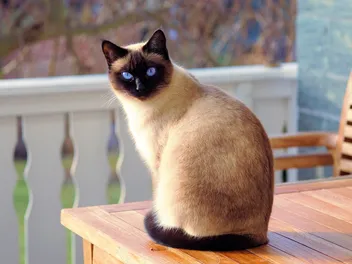
Siamese are easily one of the most recognizable cat breeds. They are among the oldest domesticated cat breeds in the world, and their origin is shrouded in myth. One story tells of a pair of beautiful cats whose sole job was to guard a treasured royal goblet. The cats stared so deeply and longingly into the goblet with such ferocity that their eyes became permanently crossed. Since they had wrapped their tails around the goblet, they became permanently kinked.
Although they are known for their crossed eyes and kinked tails, modern-day Siamese generally don’t have these traits anymore. They’ve been selectively bred out through breeders and fanciers worldwide.
Breed Overview
Length:
Weight:
Life Expectancy:
Colors:
Eye Color:
Temperament:

Siamese Cat Care
Bringing a Siamese cat into your care can be an excellent choice for your family. They’re great with kids and larger pets (cats or dogs). They’ll love all the company and playmates they can get. Not only that, they are not as high-maintenance as some other breeds, despite their regal elegance.
Grooming ✂️
Siamese cats are extremely easy to groom and care for because they do most of the work. Their short coats seldom need brushing, and they don’t shed much compared to other cat breeds. While no cat breed is truly hypoallergenic, lower shedding may be helpful for some people with cat allergies.
Personality
Siamese cats are known for their intricate personalities. They are extremely opinionated cats and won’t hesitate to let you know. If you’re looking for a quiet cat, you'll have to search elsewhere. However, they love their owners and often become their humans’ new shadow. You may find yourself tripping over them time and time again.
If you’re looking for a devoted companion and best friend, the Siamese is a wonderful choice.
Playfulness and Interaction
The Siamese is one of the most playful and active felines around. Not only that, but they’re intelligent as well. This means that they require a lot of physical and mental stimulation. Interactive toys, puzzles, or large cat trees are recommended to help provide the proper entertainment they require.

Special Considerations for the Siamese Cat
It’s easy to see why Siamese cats are so popular. Compared to other cats, they are much more engaged with their family. However, understanding their needs is vital to ensure you provide them with a loving home.
Indoor Cat vs Outdoor Cat
Regarding indoor versus outdoor living for Siamese cats, we recommend keeping them indoors. Indoor living is generally safer for cats because it reduces the risk of trauma, infectious diseases, parasites, and predator encounters. Siamese cats can have relatively delicate constitutions, and there’s a good chance they can catch parasites or other diseases from exposure. They’re also lovers and not fighters, so if they come across an aggressive outdoor cat or unfriendly dog, there’s a high chance of injury.
But one of the biggest concerns about turning your Siamese cat into an outdoor feline is other people. Not that someone will intentionally steal your cat, but their playful, social nature makes them friendly even towards strangers. Somebody may mistake this craving for attention as a call for help. With their beauty, the allure of rescuing a Siamese stray can be difficult to resist.
Diet
All cats, including Siamese, require a high-protein diet. This can be found either through dry or wet food. Just be sure to check the labels to ensure the food isn't loaded with fillers. Cats have a relatively short gastrointestinal tract adapted for an obligate carnivore diet, and they’ll need to get the best food they can to absorb as much nutrition as possible.
Health Considerations
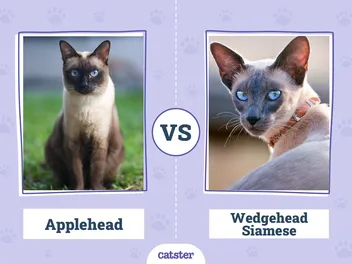
Siamese cats can be predisposed to certain inherited health conditions, though risks vary by lineage and body type. This is due to the different head shapes that a Siamese cat can have. There are two main head shapes: the apple and the wedge. Apple-headed Siamese are the healthier of the two. More extremely wedge-shaped Siamese may be more prone to some respiratory and dental issues because of their facial structure.
You may also be interested in: How Much Do Siamese Cats Cost? Updated Price Guide
Pros and Cons of Owning a Siamese Cat
Pros
- Grooming is extremely easy
- Cheaper kitten price than Balinese
- Very active and social
Cons
- Very vocal — not for quiet cat lovers
- Some lines may be more prone to inherited health or conformational issues
Final Thoughts

We hope you enjoyed our detailed overview of the Balinese and Siamese cats. While every feline has a unique personality and quirks, both breeds are affectionate, social, and active cats. Reflect on your lifestyle and how much time you can dedicate to a cat to help you decide which one is for you. If you’re still right down the middle, their differing aesthetic beauty is bound to push you in one direction.
See Also:
Siamese Cat vs. Oriental Shorthair Cat: Which Breed is Right for You? (With Pictures)
12 Types of Balinese Cats: Colors, Breeds & Patterns (With Pictures)
Sources
Featured Image Credit: Left Pasiaflora, Shutterstock | Right Witsawat.S, Shutterstock
Expert cat care, straight to your inbox
News, insights, and useful advice, delivered to you.

No spam — unsubscribe anytime.
By signing up, you agree to our Terms & Conditions and Privacy & Cookies Policy.
How useful was this post?
Click a star to rate. You can leave written feedback afterwards. (We read all feedback.)
Christian started writing for a local newspaper as a teenager, and he's been involved in the publishing industry for most of his adult life. Combining his love of writing with a passion for animals, he is currently the Director of Editorial at Pangolia and the Editor-in-Chief at Catster.
Christian lives in the Philippines with his wife, son, and four rescue cats: Trixie, Chloe, Sparky, and Chopper.