How Do I Save a Kitten: 5 Vet Approved Steps to Follow


In this article
One of the most difficult aspects of Mother Nature is newborn animals failing to thrive. Kittens are at an increased risk of dying within the first few weeks of life, and it can be due to various causes. For example, fading kitten syndrome is a heartbreaking yet common condition that has a high mortality rate.
It can happen anywhere between birth and weaning, and anyone responsible for a litter of kittens can benefit from the knowledge of how to save a dying newborn kitten. While fading kitten syndrome is often fatal, there are a few steps you can follow to try and prevent the loss.

How to Save a Kitten
1. Know the Warning Signs
The first step in saving a kitten that is failing to thrive is knowing the warning signs of fading kitten syndrome. The sooner you recognize a problem, the quicker you can get the life-saving medical intervention that may be needed.
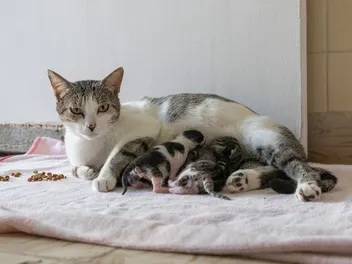
The mother cat should have a nice, quiet, and private space to care for her young. It’s important to keep in mind that kittens that are failing to thrive may be rejected by the mom so she can focus on keeping her healthy kittens alive and well. This is a completely natural response, so it's important not to get upset with the mother.
You will need to intervene immediately if the mother cat stops caring for a weaker kitten. Some mothers may continue to try, so be on the lookout for the warning signs that a kitten isn’t doing as well as the rest. Early detection and intervention provide the best chance of survival.
Signs Associated With Fading Kitten Syndrome
- Weakness
- Lethargy that gradually gets worse
- Low body temperature
- Inability to gain weight
- Lack of appetite
- Inability to turn over from their back by day 3 days of age
- Inability to support themselves on their feet by 2 weeks of age
- Excessive noises
- Poor suckling reflex
- Labored breathing
- Vomiting
- Diarrhea
- Discharge from the nose or eyes
2. Have Supplies on Hand
It’s always best to be prepared to care for an ailing kitten as soon as possible. In a perfect world, all would go well, and you wouldn’t have to worry about performing any lifesaving measures. But you never know when you’ll run into trouble.
In some cases, a mother may resume care for her ill kitten, but at other times, she will refuse to accept the rejected kitten. If you are successful in keeping the kitten alive or if you’ve found an abandoned individual or litter, there will be extra supplies needed.
Having the necessary supplies already on hand will be very helpful if you end up needing to make any life-saving attempts. What you may need can vary by circumstance, but here’s an all-encompassing list of kitten care supplies to get you started.
Newborn Kitten Care Supplies
- A heating pad or hot water bottle
- Karo syrup or sugar water
- Blankets
- Box or crate
- Nursing kit
- Kitten formula
- Kitten wipes
- Gloves

Knowing which kitten essentials to get will help seamlessly transition your furbaby into their new home. Providing them with the proper care, comfort, and enrichment will promote a healthy lifestyle for your new addition so they can thrive and grow into a well-established and healthy feline! Check out our top recommendations in our New Kitten Checklist linked below!
3. Provide Warmth
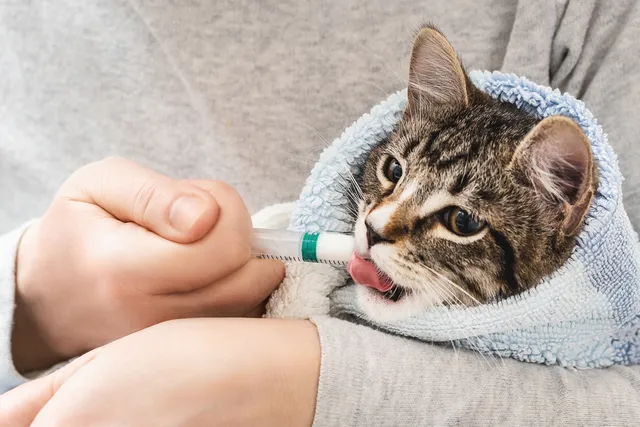
Wrap the sick kitten in a warm blanket or towel with only their face exposed so they can easily breathe. Use a heating source like a heating pad or a hot water bottle to provide them with enough warmth to bring their body temperature back up steadily to a normal temperature.
Avoid placing the heat source directly on the kitten to prevent any burns, and be careful not to overheat it. If you don’t have a hot water bottle or heating pad, place some uncooked rice in a sock, tie a knot at the end, and place it in the microwave for about 2 minutes. If you don’t use a microwave, place the sock inside a Ziploc bag, and warm it up with some warm water.

4. Increase Blood Sugar Levels
There’s a chance your kitten could be experiencing low blood sugar, which is potentially fatal. While you are warming the kitten, grab some Karo corn syrup and apply it directly to the kitten's gums by using your fingers or a syringe.
If you do not have any Karo syrup available, you can also use pancake syrup or equal parts sugar and warm water. Apply this every 3 minutes as you cradle the kitten, and if low blood sugar is the reason they were failing, you should see an improvement within 20 minutes.
5. Seek Veterinary Care Immediately
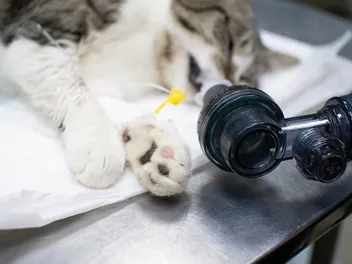
There is nothing more important than seeking immediate veterinary attention if you have a dying kitten on your hands. Medical intervention is going to give you the best shot at successfully reviving the little kitty. As you are performing these tasks, you should be reaching out to a veterinarian for assistance.
If it is after hours and the veterinarian does not have any emergency services at their clinic, reach out to the closest animal emergency center, and get the kitten there as soon as possible. There are many cases in which fading kittens do not survive, but their best chance is in the hands of the professionals who can work to keep them stable as they find out the potential cause.
Causes of Fading Kitten Syndrome
Fading kitten syndrome can happen for several reasons, and more often than not, there’s more than one issue at hand. We compiled a list of the potential reasons a kitten may fail to thrive.
Issues During Pregnancy and/or Birth
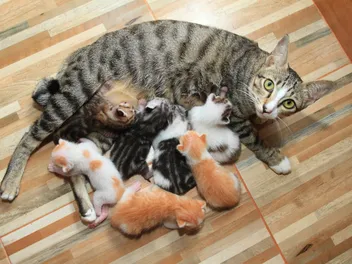
On average, cats give birth to about four to six kittens per litter. Larger litters can lead to a higher mortality rate among the little ones, though. These risks include nutritional deficiencies, overcrowding, traumatic births, and high-stress levels, all of which can significantly impact the health of the litter.
Maternal Neglect
The mother cat may choose to reject one or more kittens in a litter for a variety of reasons. This can be dependent on her age, disposition, and current health status. It could also be related to the kitten’s health, and she has decided to put her focus on the healthier members of the litter.
If maternal neglect is the cause, human intervention is the only means of the kitten's survival, and it's rare they pull through, especially if the neglect is related to the kitten's health, as opposed to the mother's behavior.

Malnutrition
Malnutrition can easily happen for a variety of reasons. Kittens who are weaker than the others may not get to nurse properly because they are fought off by their stronger, more capable siblings. Sometimes the mother will completely reject and refuse to feed certain kittens, and when litters are large, it can be difficult for everyone to get adequate milk.
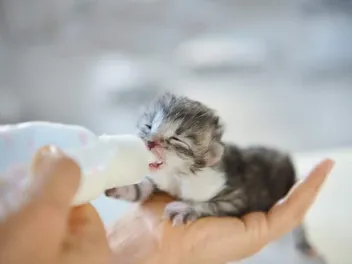
Malnutrition will require milk replacement and bottle or syringe feeding, especially if the mom is not cooperative. The quicker malnutrition is identified and the kitten can be assisted, the better the outcome may be.
Trauma
Kittens can easily begin to go downhill if they have experienced some sort of trauma. Whether it is related to the birth or something that happened to injure them after the fact, trauma is something that can be difficult to avoid.
The best thing to do is make sure the mother cat has a safe, private area to birth and raise her kittens away from any commotion in the house. Do not handle the newborns at first and allow them to rely on their mother for care. You do not want to risk dropping them or allowing any other pets or small children to have access, which could result in injury.
Low Birth Weight
You’ve probably heard of the term, “runt of the litter,” which refers to a member of the litter that has a noticeably lower birth weight. Healthy kittens are expected to double their birth weight within the first 2 weeks of life, but the runt of the litter will fall behind.
This can be for a variety of reasons, and just because a kitten is deemed a runt does not mean they have a bad prognosis. Keep a close eye on the runt, and monitor them frequently. Reach out to a veterinarian with any concerns or questions on how to help them thrive.

Hypoglycemia and/or Dehydration
Neonatal kittens that are 4 weeks of age or younger are highly susceptible to a quick depletion of glycogen stores and immature liver and kidney function. This can result in low blood sugar, or hypoglycemia and dehydration.
If their blood sugar becomes too low and this is not rectified, it can easily lead to death. This is where the Karo syrup technique can be very helpful. You can keep an eye on their hydration by doing a skin elasticity test and checking to see if their mucous membranes—the gums and eyelids—are moist. Also, keep a watchful eye on whether the kitten is going to the bathroom after feedings.
Failure to Maintain Body Temperature
Within the first week of life, kittens will struggle to maintain a healthy body temperature and will rely on their mother and their environment for proper warmth. Low body temperature or hypothermia can be both a sign and a cause of fading kitten syndrome, which is why we recommended warming an ailing kitten as soon as possible.
Lack of Maternal Antibodies
Maternal antibodies are the specific proteins made by various immune cells that help build and protect a kitten’s immature immune system. These antibodies are important for all nursing mammals. If there is a lack of these protective antibodies due to failure of transfer from not drinking their mother’s milk, kittens will be much more susceptible to falling ill.

Bacterial or Viral Infection
Bacterial and viral infections can easily target a brand-new kitten's immune system. Whether an illness has been passed on from mother to kitten, it is the result of parasites, or they’ve contracted an infection from some other source, kittens are in a weakened state and can easily lose their lives, especially if it is not recognized and treated promptly.
Neonatal Isoerythrolysis
This condition occurs when the mother’s blood type is not compatible with the kitten’s blood type. Cats have three blood types, A, B, and AB, which are the rarest. Neonatal isoerythrolysis occurs when a kitten with type A or type AB is born to a mother with type B.
When the kitten consumes the mother’s colostrum, which contains the maternal antibodies, the kitten's red blood cells are destroyed, quickly leading to anemia and death. This condition is relatively rare but is often fatal.
Parasites
Parasites quickly take their toll on a brand-new kitten. Depending on the type of parasite and how severe the infection is, it can be potentially life-threatening to vulnerable little kittens. Intestinal parasites can quickly lead to diarrhea, which causes dehydration, weight loss, and malnutrition.
Toxins
Environmental toxins can wreak havoc on a little kitten’s system. Be sure not to use cleaners or other harsh chemicals anywhere near the kittens or the area they are in. Do not expose them to any essential oil diffusers, wood shavings, or any strong odor-emitting products that could potentially cause them harm or lead to respiratory irritation.

Genetic Conditions
Potential congenital problems, such as cardiac defects, gastrointestinal defects, and those of the brain and lungs, exist in cats. Purebred cats tend to have much higher rates of mortality within the first year of life, primarily due to congenital conditions.
Non-pedigreed cats have much lower instances of congenital defects at birth. In comparison, up to 34% of purebreds passed within the first year of life, while only 10 to 17% of mixed breeds suffered the same fate.
Responsible breeding of pedigreed cats can significantly reduce the risk of these genetic conditions, which is why it is so very important that purebreds are obtained through reputable breeders.
If your cat is on the verge of giving birth, gathering information from your vet before that day could be extremely beneficial.
Conclusion
There are a variety of reasons that newborn kittens may struggle to survive within their first few weeks of life. Unfortunately, it is common to lose members of the litter due to fading kitten syndrome. But if you notice that the health of one or more of your kittens is going downhill, you can act quickly by getting in touch with a veterinarian or animal emergency services and implementing these tips to help sustain them until they can receive medical help.
Sources
Featured Image Credit: TeeCanDit, Shutterstock
Expert cat care, straight to your inbox
News, insights, and useful advice, delivered to you.

No spam — unsubscribe anytime.
By signing up, you agree to our Terms & Conditions and Privacy & Cookies Policy.
How useful was this post?
Click a star to rate. You can leave written feedback afterwards. (We read all feedback.)
Lindsey and her husband enjoy traveling the US with their kids and photographing wildlife. Her passion is to educate others on the importance of proper animal care, with an emphasis on reptiles and exotics since their care requirements can be much more complex. She is also a huge advocate for bully breeds. She feels most at home in the forest either on horseback or in hiking boots.