How to Stop Your Cat From Chewing on Electric Cords: 10 Vet-Approved Ways


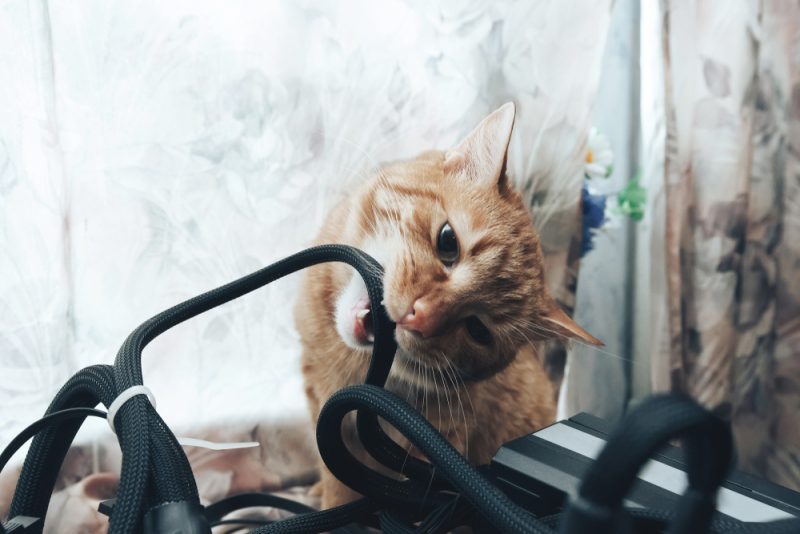
If your cat chews on wires whenever you turn around, you need to do something about it. Not only is it damaging the wires and creating a safety hazard for your home, but it’s dangerous for your cat too!
We understand the importance of rectifying this dangerous behavior as soon as possible, and that’s why we came up with this guide to highlight 10 effective ways to keep your cat from chewing on wires throughout your home.

The 10 Ways to Stop Your Cat From Chewing on Electric Cords
1. Put Cords in PVC/Rubber
If you can’t get your cat to stop chewing on the wires, make it so they can’t reach them. That’s the thought process of wrapping them up with rubber or PVC. PVC is a more durable option, but it’s also a bit more expensive and it can be harder to move the wires where you need them.
The main problem with this method is that there are likely quite a few wires in your home, and tracking down all of them to wrap them up can be problematic. But if your cat always seems to go after the same wires, this might be the solution you’re looking for.
2. Tape Them Down With Electrical Tape

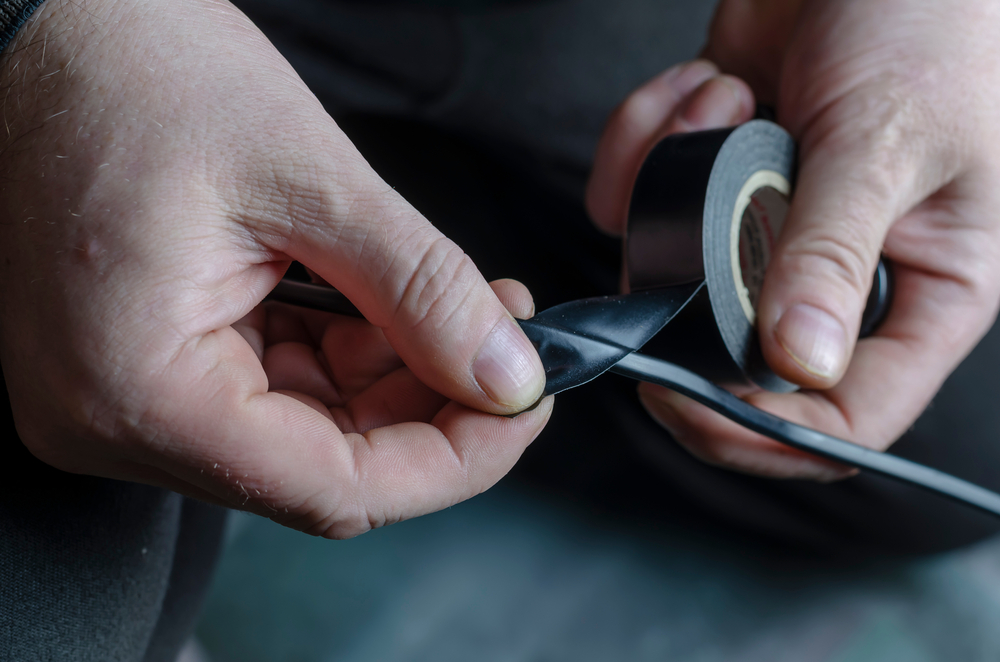
Sometimes your cat goes after the wires simply because they look like they’re so much fun to play with. One way you can help with this is by taping your wires down flat to the floor or walls. Electrical tape is one of the best options for this since it’s safe, effective, and won’t pull off paint or anything else you put it on.
However, this is all about making the wires less appealing to your cat, and they’ll still be well within reach if your cat really wants them.
3. Invest In a Pet Cord Protector
Investing in a pet cord protector could be the once-and-for-all smart solution for the safety of your cat and your property. These protectors use durable, flexible sleeves that wrap around cords, preventing your cat from gnawing on them and reducing the risk of electrical shocks and damage to your electronics. Manufacturers design many cord protectors with non-toxic, chew-resistant materials that effectively deter pets. You can easily install them and some models can even be cut to fit cords of various lengths, ensuring your home remains safe and functional.
4. Address The Environment

Often, cats go after wires because they’re bored or stressed, and if this is the case, you’ll need to address the root cause of the behavior to get them to stop. This could be removing stressors from the home or spending more time with them.
It’s not the easiest solution, but if this is what’s going on with your cat, it’s by far the best option out there.
5. Provide Enrichment
If your cat doesn’t get all their energy out in other ways, they might get into destructive boredom behaviors that you’ll need to do with. Adding toys to the home, spending more time with them, and keeping them busy in other ways can wear them out so they’re less likely to chew up wires in their free time.
6. Give Them Cardboard
Perhaps your cat just wants something to chew on! If you give them a safe outlet, like cardboard, and redirect the behavior there you might be able to get them to stop chewing on wires. Ensure there’s not an underlying medical or behavioral condition for the issue, but then offer them a safer alternative for them to chew on. Yes, this is not ideal but certainly less hazardous.

- Premium Materials - Hepper's cardboard scratcher is made with dense, B-flute cardboard, and a metal core. Encased in a 1/2" plywood frame with gloss coating. Stable and beautiful, use after use
- High, Low and Lower - A single cat scratch pad won't keep your cat engaged. 3 unique positions keeps them coming back, and back, and back again. Finally, something to get them away from the couch!
- Activates Muscles - The Hi Lo isn't just a cat nail file to stop the chief cat couch scratcher. The deep cat scratcher wave encourages maximum musculoskeletal activation for a healthier workout
We're quite fond of cardboard as a material in cat scratchers, which is why we love the Hepper Hi-Lo Cat Scratcher. Encased within a well-constructed, modern birch plywood frame, this scratcher is designed with both cats and their owners in mind. It offers three versatile configurations to keep your feline friend active and entertained while enticing them to fulfill their natural scratching instincts (and away from scratching things they shouldn't). For more details, click here!
At Catster, we’ve admired Hepper for many years, and decided to take a controlling ownership interest, so that we could benefit from the outstanding designs of this cool cat company!
7. Use a Bitter Spray for Cats
If your cat doesn’t like the taste of something, they’re less likely to come back and chew on it again. At least, that’s the thought process of using a bitter spray on the wire. They’ll chew on the wire, they won’t like the taste, and then they won’t come back.
Just be careful with bitter sprays because some cats like the taste, and if that’s your cat, you’re just encouraging them to come back to the wire!
8. Remove the Cords

Sometimes, the easiest solution is the simplest. If you don’t need the wires there, why not just move them somewhere your cat can’t get to them? This isn’t always possible, but if it is, you could be saving yourself a lot of frustration just by taking the time to move the wires somewhere else.
9. Use Aluminum Foil
Most cats notoriously hate aluminum foil, and it’s a cheap and pretty effective way to keep your cats away from the wires. Simply wrap the wires up in aluminum foil and it’s less likely that your cat will come back to chew on it in the future.
10. Talk to a Vet

If you’ve already tried all the other options on our list and still can’t figure out how to get them to stop chewing on wires, it’s time to seek out professional help. While we do have recurrent reports of cats indulging in this behavior, a solution needs to be placed because it’s not safe for them.
A professional can help you narrow down the root cause of the problem and offer you some unique solutions that might help.
Conclusion
You don’t need to settle for bad and dangerous behavior from your cat. Follow the tips on our list and stay consistent with them and you should be able to get those behaviors under control in no time. If not, you need to reach out to a vet sooner rather than later. Otherwise, you risk your cat hurting themselves or creating a dangerous condition for your home!
Featured Image Credit: e leet, Shutterstock

Expert cat care, straight to your inbox
Vet-reviewed advice, behavior tips, and the best of Catster. Free, and you can unsubscribe anytime.
By signing up, you agree to our Terms & Conditions and Privacy & Cookies Policy.
Adam is a seasoned freelance writer and passionate animal lover who has dedicated years to rescuing countless animals. With a decade of experience as a freelance writer and an even longer history of animal rescue, he has honed his skills in both fields. Adam is also a proud father of three and thrives on challenges and new adventures.
Join the conversation
Ask a question, share your story, or send private feedback.