Get

In Your Inbox

Catster is reader-supported. When you buy via links on our site, we may earn an affiliate commission at no cost to you. Learn more.

Can Cats Eat Fennel? Vet-Reviewed Facts & FAQ

Can Cats Eat Fennel

Cats are obligate carnivores and require a diet of meat from animal sources. Once in a while, cat owners might wonder if the occasional fruit or vegetable is safe for cats to eat. Usually, some plants can provide fiber and nutrients for cats, and eating them is perfectly fine. But you always want to check and make sure that what you’re about to give your cat is not going to harm them.

If you’re wondering if cats can eat fennel, you may be surprised to learn that they can! Fennel is safe for cats and can even provide health benefits to them.

divider 2 catsWhat Is Fennel?

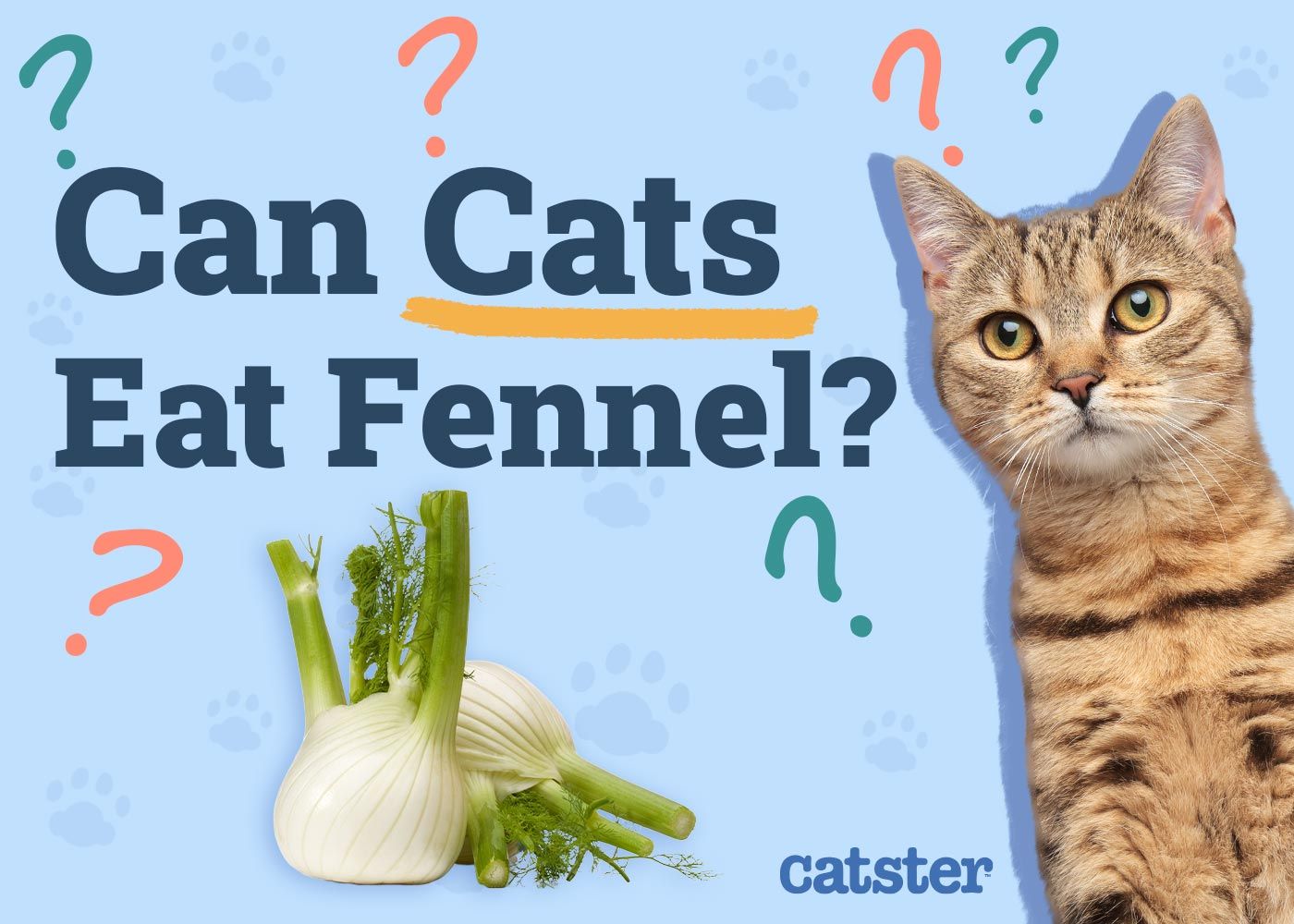
Fennel is a blooming plant that is related to carrots. It has a pale bulb with long, green stalks. The bulb, stalk, leaves, and seeds of the plant are edible. It’s an aromatic plant that gives off a strong, unmistakable scent. When used in different dishes, fennel can provide a specific flavor.

Fennel is high in moisture and fiber. If your cat eats part of a fennel plant, they will get added moisture in their system and a boost of vitamin C, iron, calcium, and potassium.
Fennel
Photo Credit: Pixabay

Fennel in a Cat’s Diet

Some cats may not be interested in eating part of a fennel plant because of the strong aroma. While cats can eat some of the plant or seeds without any trouble, eating too much of either could cause vomiting or diarrhea.

If you’re giving your cat fennel as a healthy treat, they shouldn’t get more than one or two small pieces at once and no more than a couple of times a week to avoid any gastric upset. Eating too much fennel can also have a laxative effect on cats, so this plant should only be offered to them sparingly.

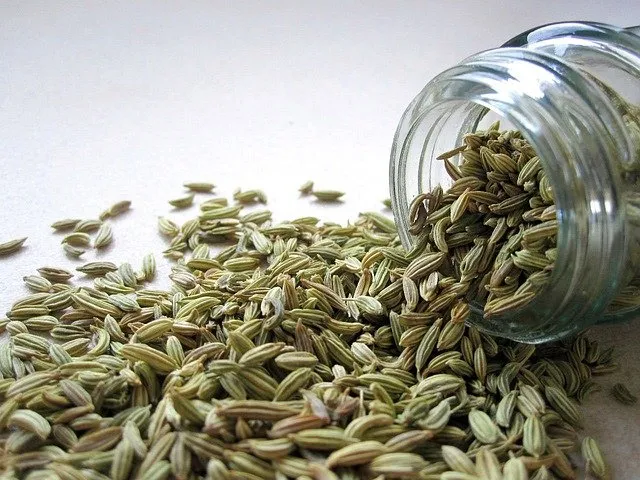
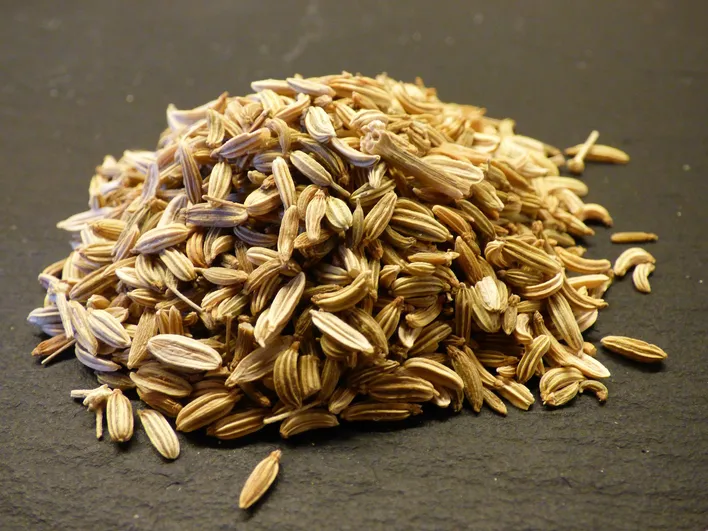
If your cat doesn’t like the smell or taste of raw fennel, you can give them fennel seeds instead. Sprinkle a few seeds into their wet food to hide the taste and smell.

Is Fennel Ever Dangerous for Cats?
Fennel
Photo Credit: Pixabay

Fennel isn’t dangerous in any form except for oil. Concentrated fennel oil can harm cats because it’s linked to photosensitive dermatitis. The ASPCA warns to keep all concentrated fennel oil away from cats.

Photosensitive dermatitis is a condition that causes the skin to become inflamed or have an eczematous reaction after being exposed to the sun. The skin can look red and scaly. Hair loss can be present. As the condition gets worse, the skin becomes crusted and ulcerated.

Do Cats Like Fennel?

Cats can be picky, and some may enjoy things that others don’t. If your cat doesn’t like fennel, that’s fine. There’s no reason that fennel must be added to their diet, and they can remain perfectly healthy without ever eating it. You don’t have to force them to by hiding it in their food. Cats can have a healthy diet without fennel.

Some cats may love fennel and want to eat it raw or chew on the plant’s fronds. This is acceptable and safe. Just make sure they don’t consume too much of it.

Fennel can be a nice change of pace from your cat’s usual treats, but only if they enjoy eating it.

One benefit of fennel is that it contains vitamin C. This is a required vitamin for all animals to survive, but cats produce enough of it in their livers. Humans don’t, so we have to eat foods rich in vitamin C to ensure that we get enough of it. Cats do get plenty of this vitamin, so they don’t need to receive more from fennel. A little extra vitamin C for them won’t hurt, though. This is, however, always better to be talked through with a veterinarian first.

Need veterinary advice but can't get to the clinic? Catster recommends PangoVet, our online veterinary service. Talk to a vet online and get the answers and advice you need for your cat without having to leave your living room — all at an affordable price!

PangoVet_Mention-in-Content for PangoVet2 save money

divider 2 catsConclusion

Fennel is perfectly safe for cats in raw, seed, or dried form. Cats can chew or consume parts of the plants without experiencing any negative side effects. However, if they eat too much fennel, it can cause them to have gastric upset and to vomit or have diarrhea.

Fennel oil should be avoided completely. It has been linked to photosensitive dermatitis. The good news is that your cat does not need to be around or consume fennel oil.

Fennel can provide various health benefits to your cat, but they can also remain perfectly healthy without it. If your cat doesn’t like fennel, there’s no reason that they ever have to eat it. If they do happen to try a bit of the fennel plant, you don’t have anything to worry about them getting sick from it.

Want content like this delivered to you?

Sign Up For Our Newsletter

News, insights, expert advice, and everything cat

* By submitting, you agree to our Terms & Conditions and Privacy & Cookies Policy.

How useful was this post?

Click on a star to rate (you can leave written feedback after clicking submit)

Help us improve Catster for pet parents!

Your feedback really matters.

What did you like about this post? Also how can we improve it?

Join the conversation

Leave a Reply

You’re very welcome to leave a comment or question. Please know that all comments must meet our community guidelines, and your email address will NOT be published. Let’s have a positive and constructive conversation.

Talk With A Vet Online

Peace of mind,
anywhere, anytime

Affordable vet advice

6 Signs You Need to Change Your Cat’s Food: Our Vet Explains

As a cat owner, you want to provide your feline friend with the best nutrition to keep them healthy and happy. But just...

Why Are My Cat’s Eyes Dilated? 5 Vet-Reviewed Reasons & What To Do

If you’re a cat owner, you’ve probably noticed that your cat’s eyes sometimes get wide and dilated, like those of Puss in Boots...

Are Bombay Cats Rare? Uniqueness & Recognition Facts

The Bombay cat is a rare feline that looks like a tiny black panther. However, they are domesticated cats and have no wildness...

Can Cats Eat Wheat? Vet Approved Nutrition Facts & FAQ

Cats are always interested in eating, and it can be tempting to share food with these furry family members. But this isn’t always...

More related

At What Age Can Cats Have Catnip? Vet-Reviewed Facts & FAQ

Catnip is a popular plant-derived treat for cats, and it’s easy to find in pet stores and even grocery stores. However, many pet...

How to Tell Whether a Male Cat Is Fixed: Vet-Verified Facts & Neuter Info

There is no centralized organization maintaining an accurate headcount of cats in shelters, so the best numbers we have for the total shelter...

Fear-Free Vet: Vet-Verified Advantages, Disadvantages & FAQ

Vet visits have always been instrumental in promoting our pets’ health and longevity. But for most cats, the experience can be more stressful...

9 Best Fish Oil Supplements for Cats in 2025 – Reviews & Top Picks

Finding the right fish oil supplement can be a challenge for cat owners. The benefits of supplementing with fish oils are extraordinary and...

Keep reading

Munchkin Cat Health Problems: 7 Vet-Reviewed Issues

Thanks to social media, Munchkin cats are becoming more widely known and well-loved by many people. These cute cats are instantly lovable because of their short legs, long bodies, and loving personalities. Although there are not many medical conditions that...

Catster_Health Problems of Munchkins

Why Do Cats Follow Strangers? 7 Possible Vet-Reviewed Reasons

Cats are mysterious creatures, and sometimes their behavior is hard to understand. One behavior that often baffles pedestrians is being followed. However, it makes more sense if you look at the reasons why a cat would follow you and decide...

Cat following a person walking

Burmese Cat Lifespan: How Long Do They Live? Vet-Reviewed Info

Burmese cats are known for their social, adventurous, and playful nature. They have an average lifespan of 10-16 years, but depending on the individual’s lifestyle and health, this can be as long as 20+ years in some cases. Burmese cats...

European Burmese cat

Cat Humping: Reasons They Do It, Prevention, Facts & FAQ

Dog owners are usually embarrassingly familiar with the sight of their pets humping other pups, objects, or people. If you have a cat, you probably never expected to deal with this behavior, but do cats hump as well? Yes, cats...

cat-humping

Why Does My Cat Have Whiskers on Their Eyebrows? Vet-Verified Facts & Functions

Though whiskers above the mouth are a standout feature in cat anatomy, whiskers in other areas are less conspicuous. In addition to the area above their mouths, cats have whiskers on their chins, forelegs, around the ears, and above the...

cat orange eyes

Can Cats Eat Shrimp? Vet-Reviewed Facts & FAQ

So, you know your cat loves fish, but she seems to be drawn to that shrimp you’re enjoying. Naturally, this will lead to your wondering if cats can eat shrimp. Is shrimp safe for your cat to eat? The short...

Can Cats Eat Shrimp

How to Teach Your Cat to High Five: The Step-By-Step Guide

Looking to teach your cat how to high-five? Wondering exactly how to do it or if your cat is even able to perform such a cool trick? Well, you’ve come to the right place. The truth is that like dogs,...

bengal cat gives a high-five paw to the owner

Does Pine Sol Kill Fleas on Cats? Vet-Reviewed Effectiveness & Safety Explored

Pine-Sol is a well-known cleaning product for kitchen and bathroom floors. There is some information surrounding the product and how it may affect fleas on cats, but we can confidently say that Pine Sol does not kill fleas on cats....

Cat wearing collar scratching and itching