Is Your Cat Constipated? 12 Simple Remedies Vets Recommend Trying at Home


In this article
Few things worry cat parents more than when their kitty can’t go. Constipation is one of the most common digestive issues cats face — and one of the most uncomfortable.
While some cases are mild and manageable at home, others can signal something serious. If your cat hasn’t passed stool in more than 48 hours, or if they’re in visible pain, call your vet immediately.
For mild or occasional constipation (and always under a vet’s guidance), there are safe, natural steps you can take to help your cat feel better.
In this guide, you’ll learn:
- The warning signs of constipation every cat parent should know
- 12 vet-approved remedies to ease discomfort at home
- When to stop home care and head straight to the vet

Signs Your Cat May Be Constipated

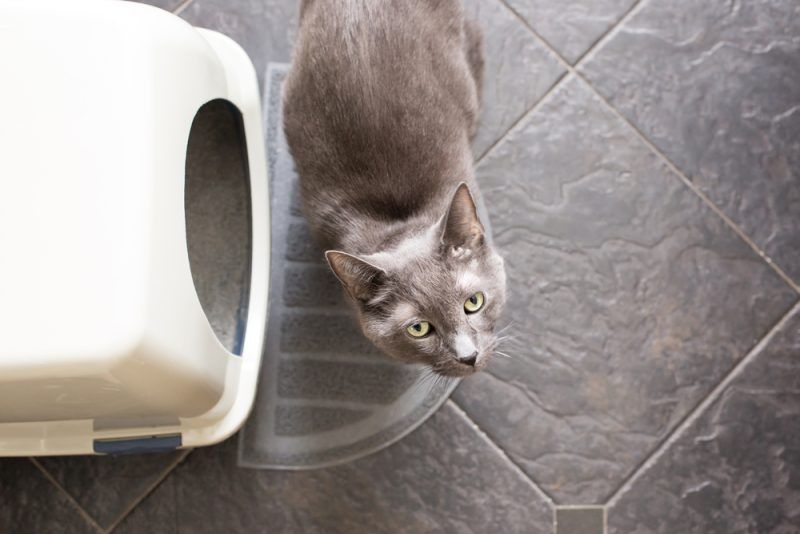
Most cats pass stool every 24 to 36 hours. If your cat is going less often or seems uncomfortable in the litter tray, they may be constipated.
Common signs include:
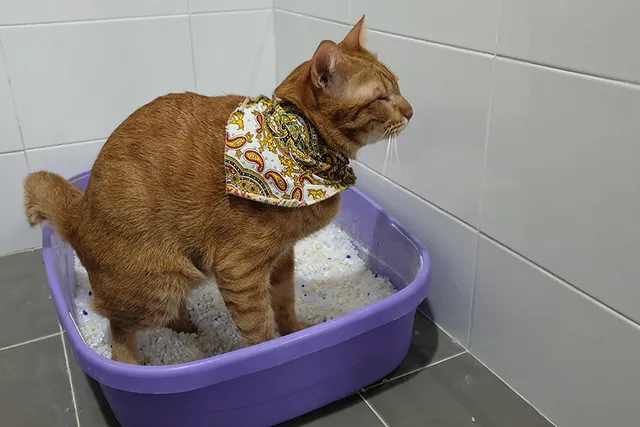
- Straining in the litter tray
- Passing small, hard, dry stools
- Pain or crying when defecating
- Less frequent bowel movements
- Bloody discharge from the anus
- Swelling or bulging around the anus
⚠️ If symptoms are severe or ongoing, don’t wait! Book a vet appointment right away.

12 Natural Home Remedies for Cat Constipation
If your cat’s constipation is mild, already being monitored by your vet, or happens occasionally, these natural remedies may help.

1. Keep Your Cat Hydrated
Dehydration makes constipation worse. Encourage water intake by:
- Offering multiple bowls around the house
- Trying a cat water fountain or a dripping tap
- Flavoring water with tuna juice or bone broth (always leave plain water too)
💡 Many cats prefer running water, and a fountain keeps hydration fresh and fun.
2. Switch to Canned Food
Wet food boosts fluid intake, which softens stools. If your cat eats mostly dry kibble and struggles with constipation, adding canned food can make a big difference.
3. Adjust Your Cat’s Diet
Food sensitivities can inflame the gut and slow digestion. Talk to your vet about:
- Trying a different protein source
- Switching to a hypoallergenic formula
- Adding more dietary fiber (see Remedy #8)
4. Maintain a Healthy Weight
Extra pounds can slow food transit and put pressure on the intestines. Overweight cats may also avoid the litter box. A healthy weight supports better digestion and overall wellness.
5. Reduce Stress & Anxiety
Stress can slow digestion. Common triggers include:
- New pets or people
- Loud noises or routine changes
- Moves or construction
Keep your cat’s environment calm and predictable. Some cats respond well to pheromone diffusers or vet-prescribed anxiety aids.
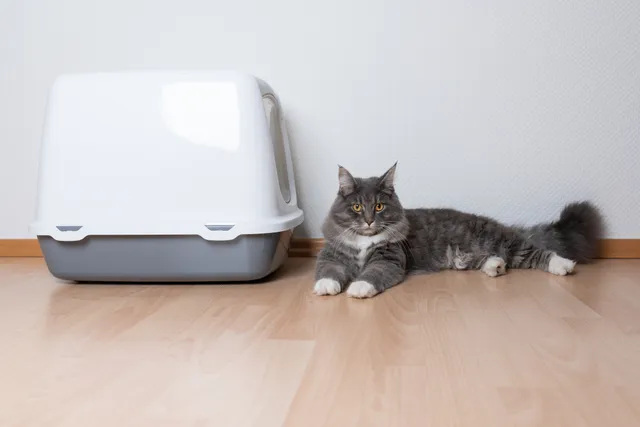
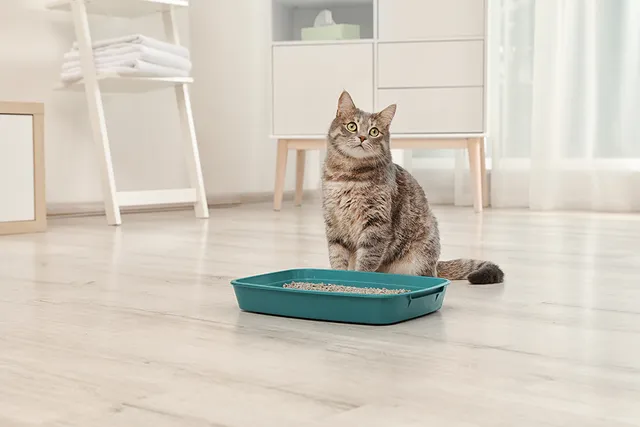
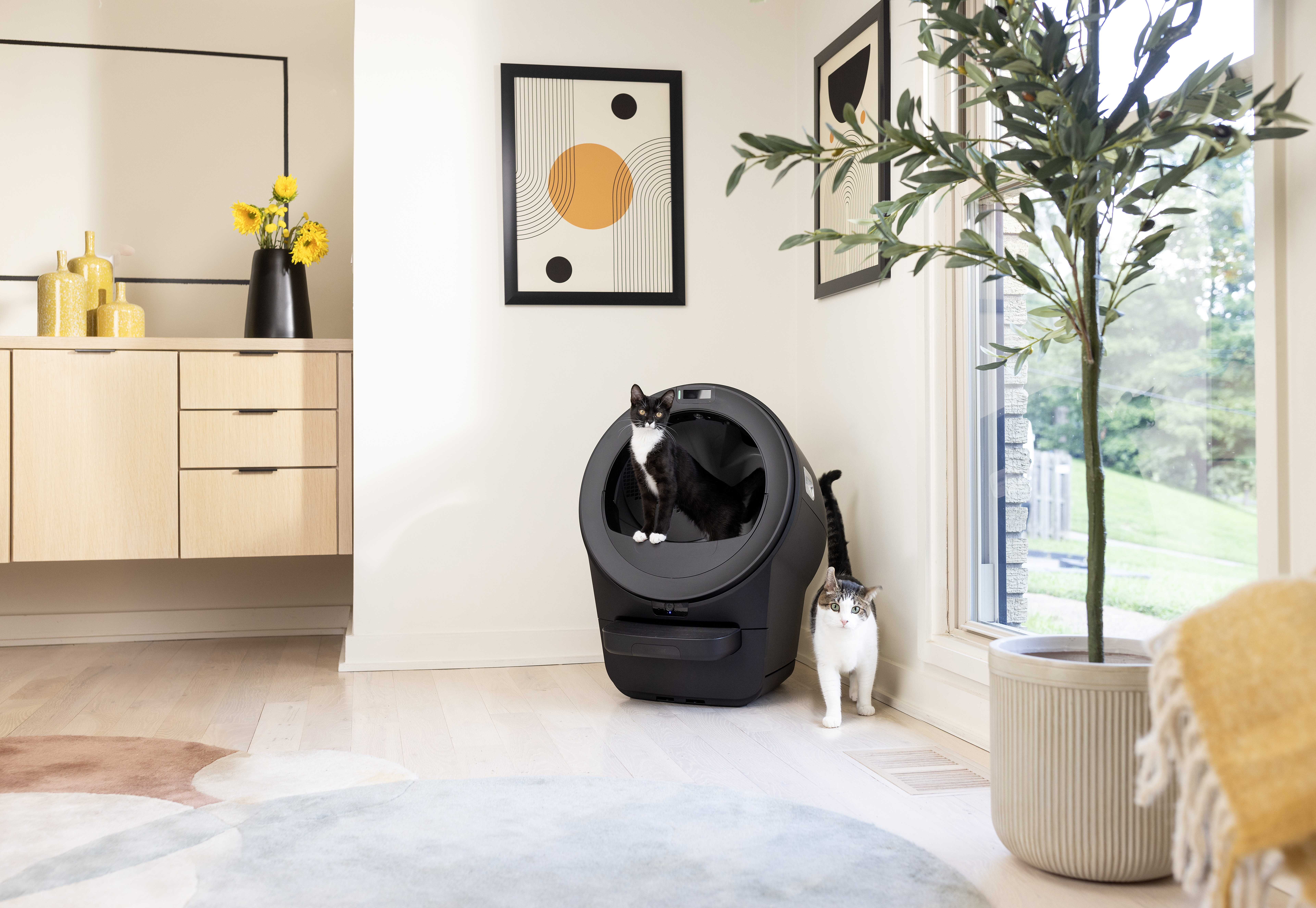
6. Offer Multiple Litter Boxes
Cats are picky about their bathroom habits. Constipation can worsen if they avoid the box. Make sure boxes are:
- Scooped daily
- Quietly located
- Big enough for comfort
- Offered in multiples (one per cat + one extra)
8. Add Fiber (With Vet Guidance)
Fiber helps stool pass more easily and retains water in the gut. Options include:
- Pumpkin (plain, canned)
- Psyllium husk
- Wheat bran
⚠️ Too much fiber can cause diarrhea. Always consult your vet first.
9. Use Vet-Approved Laxatives
Some over-the-counter products can help soften stools, but never give a laxative without your vet’s approval. Some can be dangerous if your cat has other health issues.
10. Try Probiotics
Probiotics support healthy gut bacteria and digestion. Some foods contain them already, or you can add a vet-approved supplement.
11. Brush Your Cat Regularly
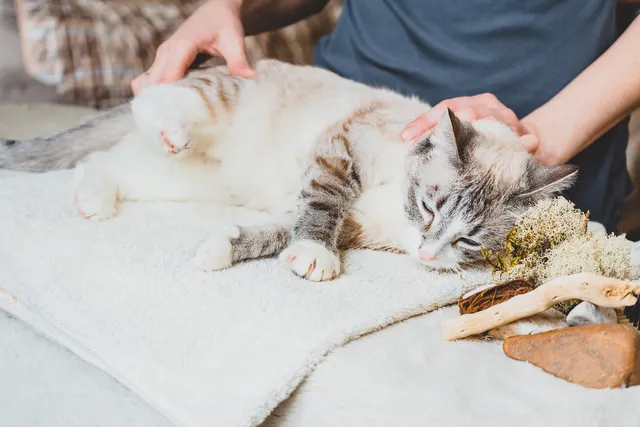
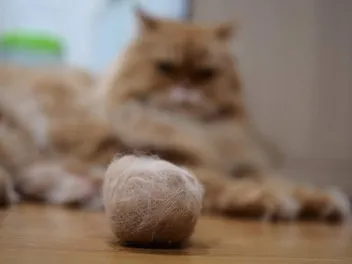
Hairballs are a common cause of constipation. Brushing reduces excess hair and helps prevent blockages. Special hairball aids are also available.
12. Keep the Back End Clean
Matted fur or dried feces around your cat’s rear can make bathroom time painful. Long-haired, overweight, or arthritic cats may need extra help staying clean.

Final Thoughts
Constipation is common in cats, but with the right care, it’s often manageable. Hydration, diet tweaks, stress reduction, and regular grooming can all make a difference.
⚠️ Remember: if constipation is severe, frequent, or lasting more than 48 hours, always see your veterinarian. Conditions like kidney disease or megacolon require medical treatment, not home remedies.
Did You Know?
- Our brand-new posts are rounded up and included in our weekly emails. Don't miss out on the latest - sign up for our newsletter below!
Feature Image Credit: Jennifer McCallum, Shutterstock
Expert cat care, straight to your inbox
News, insights, and useful advice, delivered to you.

No spam — unsubscribe anytime.
By signing up, you agree to our Terms & Conditions and Privacy & Cookies Policy.
How useful was this post?
Click a star to rate. You can leave written feedback afterwards. (We read all feedback.)
Nicole is a lover of all animals, especially of the feline variety. She's mom to four, three fur babies and a human baby. She and her husband, John, live on a large forest property down in New Zealand.
Their beautiful Burmese cat Baby (who is now 17 years old) was their first child, though he is now called Baby Cat since their human baby joined the party in 2022. The dogs Rosa and Mac also love cats, but the whole family agrees that King Baby Cat is enough cat for this household.
Nicole is the Director of Content Management at Catster and Pangolia. With a Bachelor's degree in Education and years of online experience, she shares her pet knowledge and the knowledge of other professionals with the world, aiming to improve pets and pet parents' lives.