How to Stop a Cat From Suckling: 6 Vet-Approved Tips for Prevention


In this article
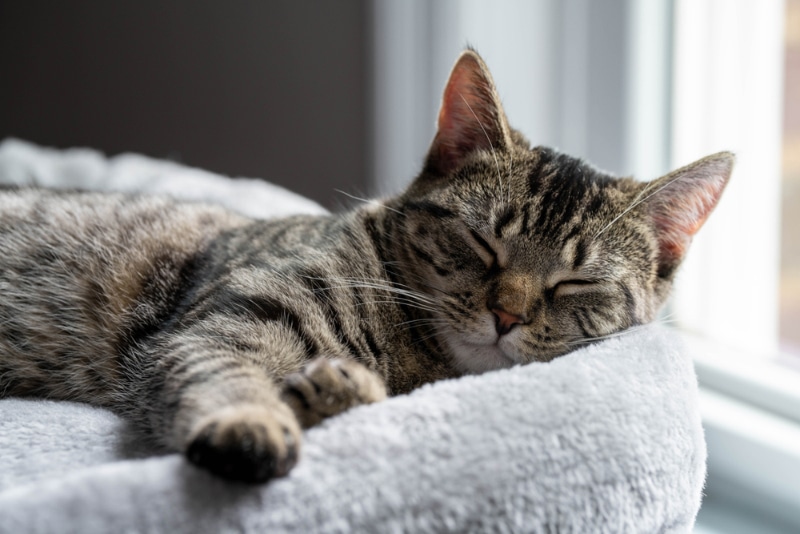
Kittens often engage in suckling for a variety of reasons, including because they were weaned too early or find it comforting. This is a fairly normal behavior in kittens, but sometimes it continues into a feline’s adulthood, and while the behavior can be cute in itty bitty kitties, it’s less cute in adult cats. While it may not be a completely unusual behavior for felines, no matter their age, having an adult cat who suckles can be stressful for some cat parents.
But is this something you can prevent your cat from continuing? There are ways you can help break your kitty of this habit if you want it to stop, though it may take some time and patience. Here’s a look at why cats suckle and the strategies you should take to help keep your favorite feline from engaging in this behavior.

What Is Cat Suckling?
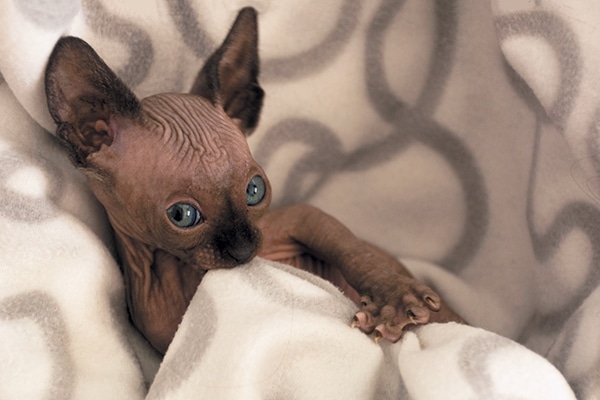
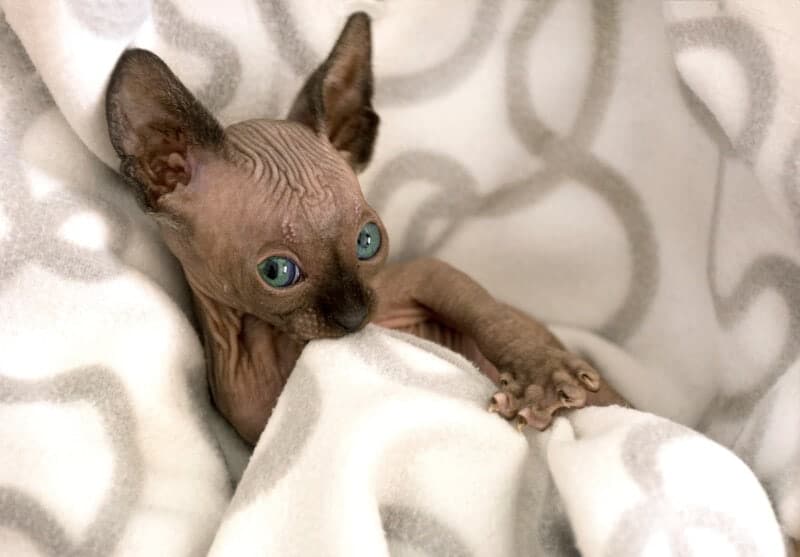
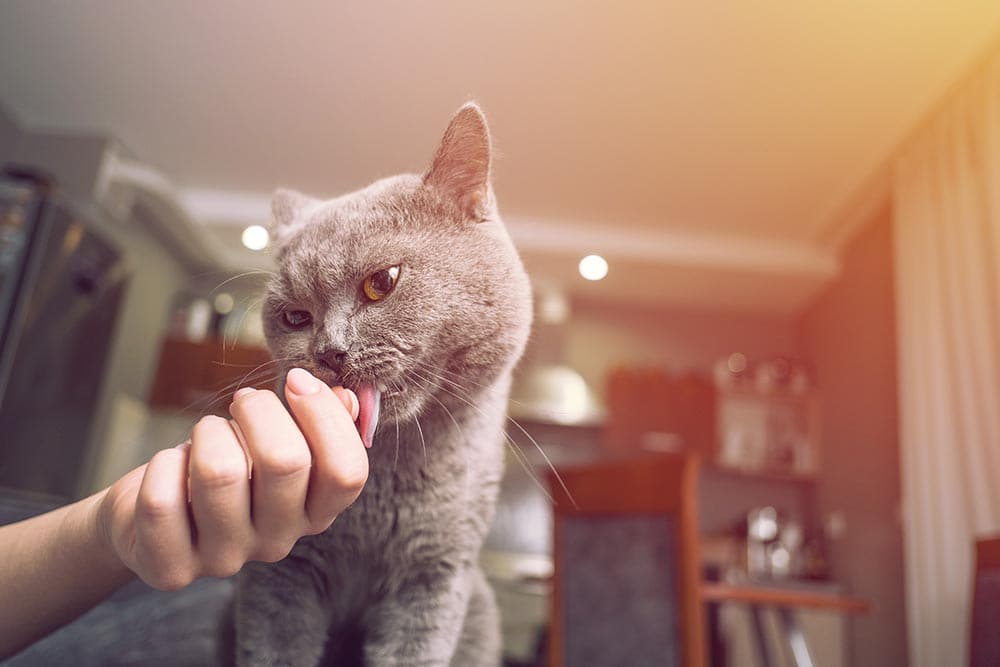
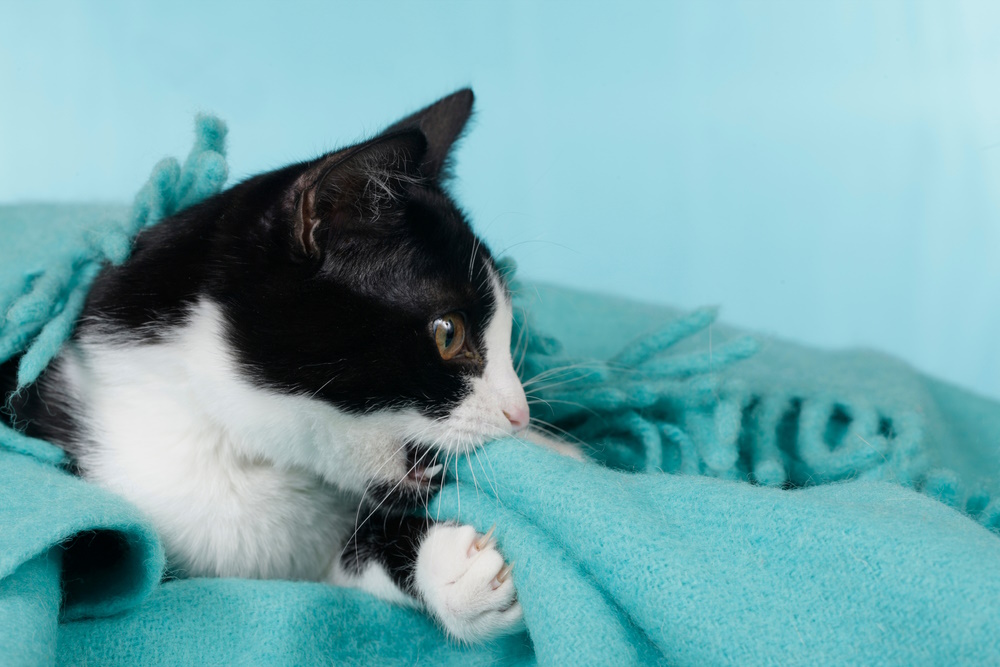
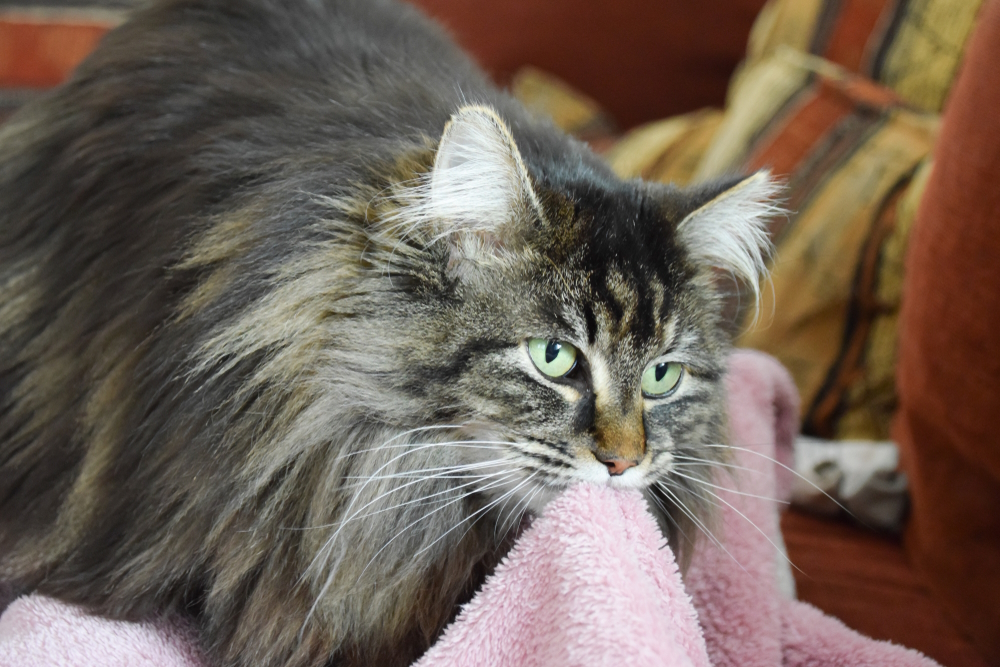
Cat suckling is simply what happens when your cat begins sucking on something. Often, that something is a soft object, such as a blanket, but suckling could also occur with toys or even your fingers. In many instances, this suckling is accompanied by loud purrs and kneading.
While it may be odd to find your adult cat engaging in suckling, it’s simply an instinct left behind from kittenhood, as this is what kittens do when nursing. So, it isn’t really something to be concerned with, and there are a handful of reasons your adult cat engages in this behavior.
Why Do Cats Suckle?
Felines continue suckling into adulthood for several reasons, and it’s rarely a behavior that indicates something nefarious is going on. Here are the top reasons adult cats suckle.
Genetics
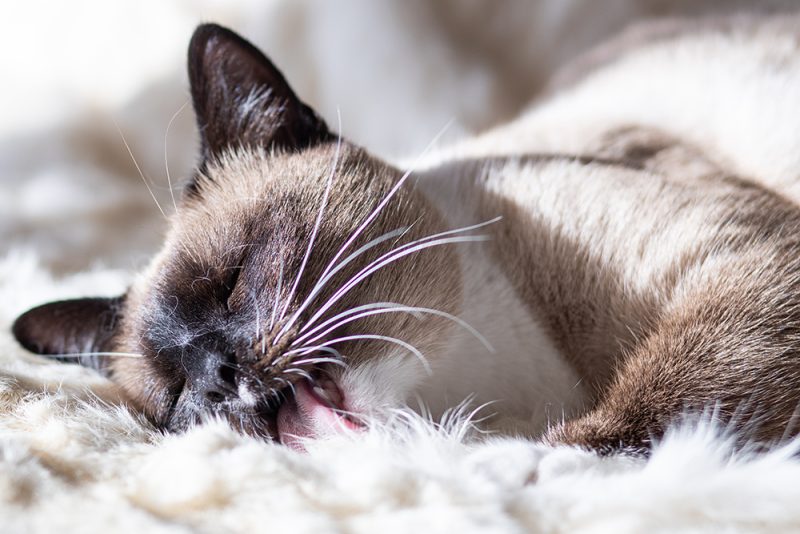
This behavior can actually be due to genetics, as certain feline breeds are likelier to engage in suckling than others. Compulsive suckling is often found in breeds such as the:
It’s unclear why some feline breeds are more predisposed to this compulsive behavior, but as many of these are Oriental breeds, there is a theory that they originally took more time for the weaning process than breeds coming from places like Europe or North America. That means these breeds are now weaned much earlier than they used to be, which could be why they are more likely to engage in suckling throughout their lives.
Weaned Too Early
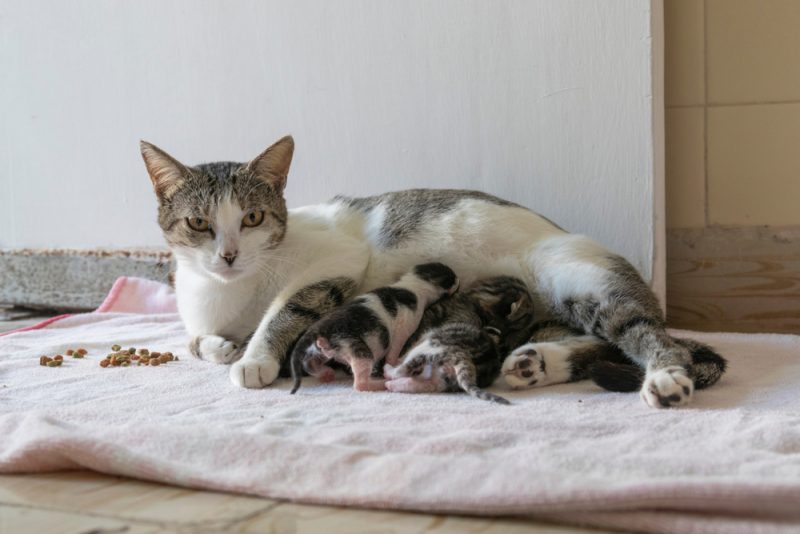
Did you adopt a stray cat, and were they particularly young when you found them? Then, the cat may have been weaned from their mama’s milk far too early. When weaning occurs earlier than it should, they are more likely to engage in suckling since they are looking for a replacement for mama’s milk. While this behavior happens more often in kittenhood, it can continue into adulthood, partially because felines who are weaned too early can develop inappropriate suckling behavior.
Comfort
Comfort is another reason some felines engage in suckling. Suckling is a leftover behavior from kittenhood, when a cat would nurse, so it’s an instinct. But suckling during nursing isn’t only done to get fed; it also allows a kitten and mama cat to bond, making the kitten feel safe and comfortable. So, if an adult cat is suckling, it could be that they are seeking comfort, making the suckling a self-soothing behavior.
If a cat often engages in suckling as a self-soothing behavior, though, it could be a sign that the feline is stressed. So, if your cat suckles on things constantly, it could be a sign of anxiety.
Health Issues
Rarely, a cat engaging in suckling may be due to an underlying health issue. If this is the case, the discomfort or pain likely involves the cat's digestive system or teeth. A cat who is suckling because they don’t feel well will exhibit other signs of unwellness, and a visit to the vet should help.
Suckling can also occasionally be more of a compulsive behavior in felines, similar to compulsive disorders in humans. Felines dealing with compulsive behavior will be bound and determined to suckle on objects no matter what; in this situation, it would be best to talk with a vet.

The 6 Tips to Stop a Cat From Suckling
Though cat suckling is normal, it may lead to your pet ingesting items they shouldn’t or cause you stress because the cat won’t stop suckling your favorite blanket or pillow. The best way to stop a cat from suckling is to determine why they’re engaging in the behavior in the first place so you know which strategy will work best to prevent the behavior in them. Here are six strategies for prevention you can use once you know why your cat keeps suckling.
1. Offer your cat a replacement.
If your pet is constantly suckling a wool toy, offer them a toy that isn’t wool. If they love a particular blanket, give them something else that is also plush that they might not enjoy suckling as much.
2. Always use positive reinforcement.
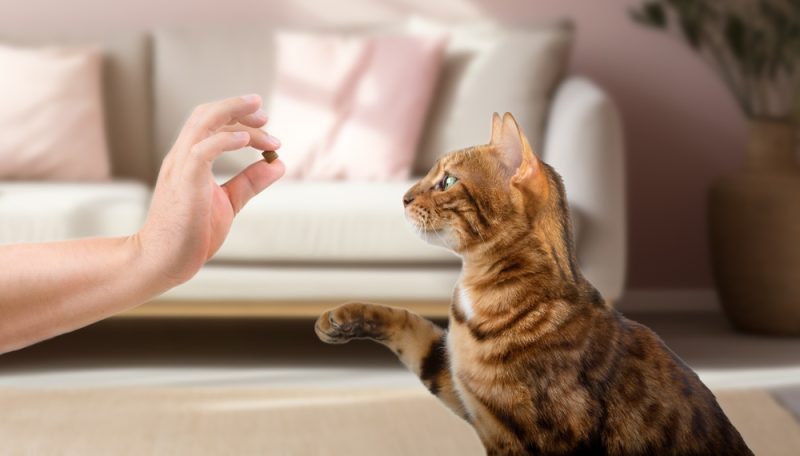
Praise your feline when they don’t suckle! Give them pets or let them have a treat; whatever you do, it’s important to recognize when your cat is engaging in a different behavior and reinforce this with something positive.
3. Make sure your pet has enough resources.
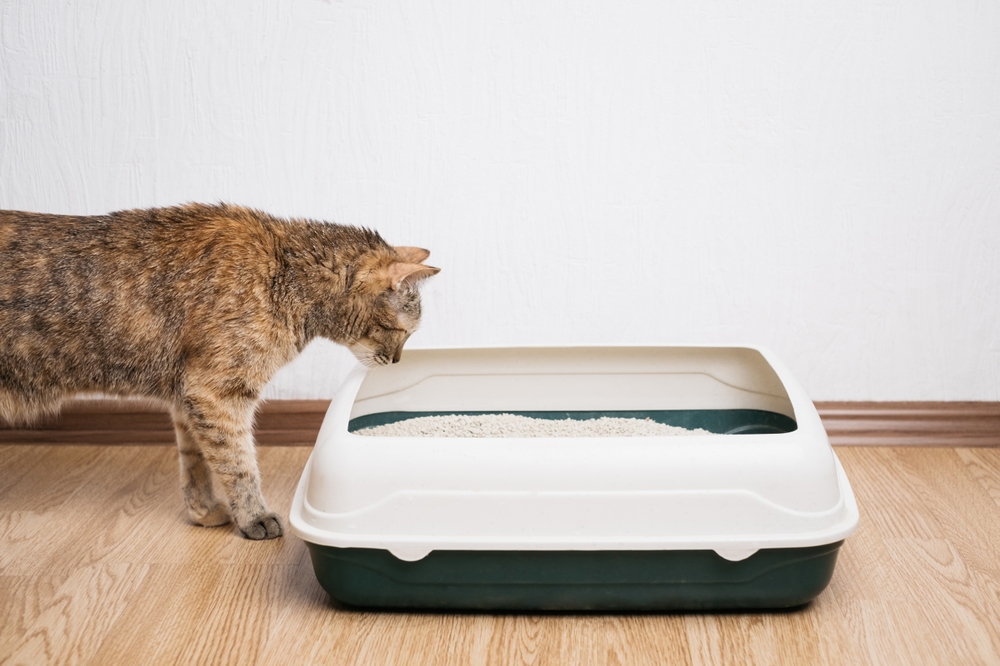
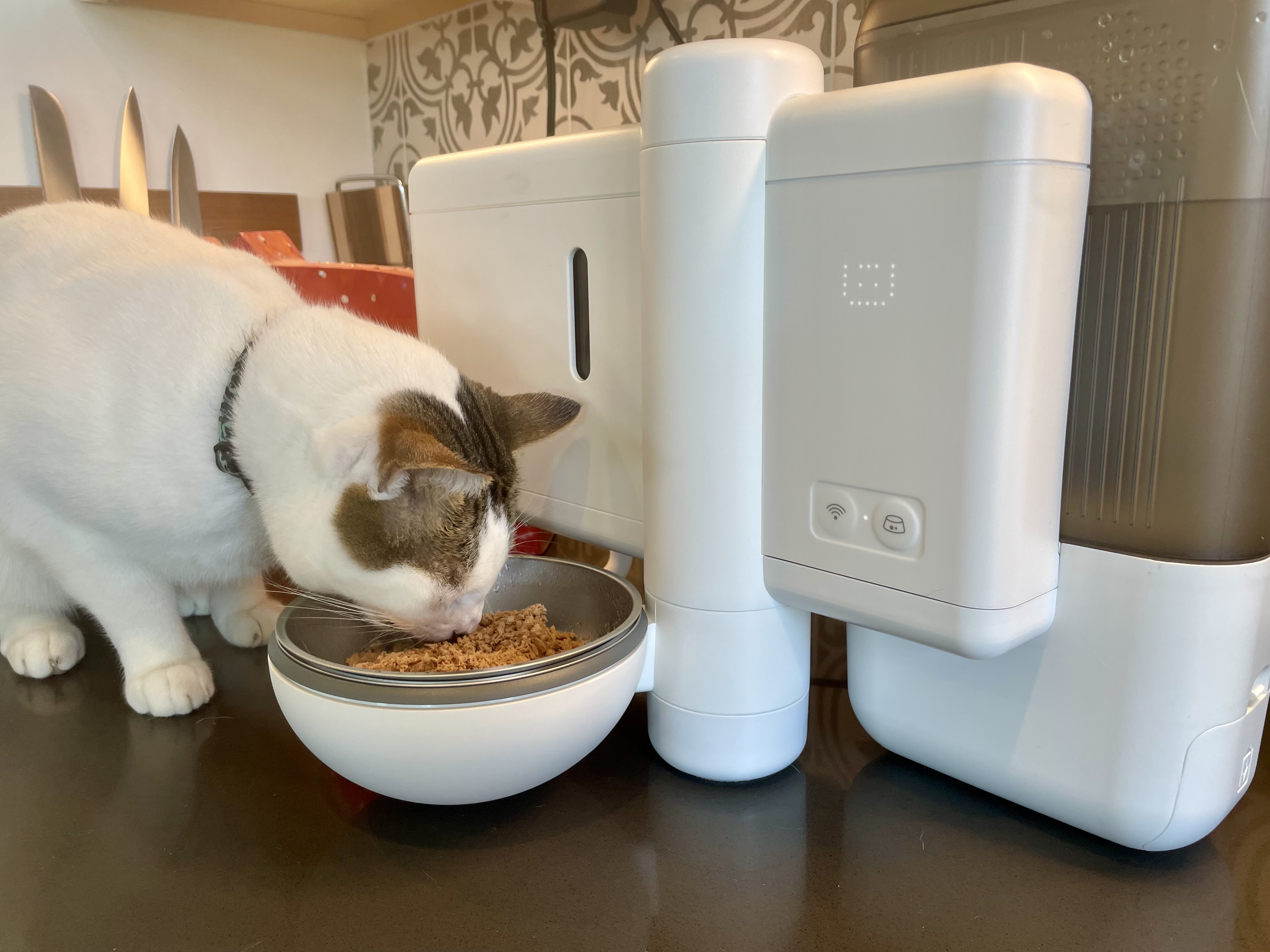
This step is good for kitties who are stressed, as sometimes felines become stressed when there aren’t enough toys or food to go around. So, make sure your pet is getting enough to eat and has enough toys to share with other animals in the house. Also, if you have multiple cats in your home, be sure you have enough litter boxes for everybody to use! The general rule is a litter box per cat, plus an extra one. So, if you don’t have enough, it could be causing fights and stress among your cats.
4. Lower stress levels.
Your cat could be stressed for reasons other than inadequate resources. If you think your pet is stressed and can locate the stressor, remove it. Otherwise, try using calming sprays that mimic pheromones to help your kitty stay relaxed rather than anxious.
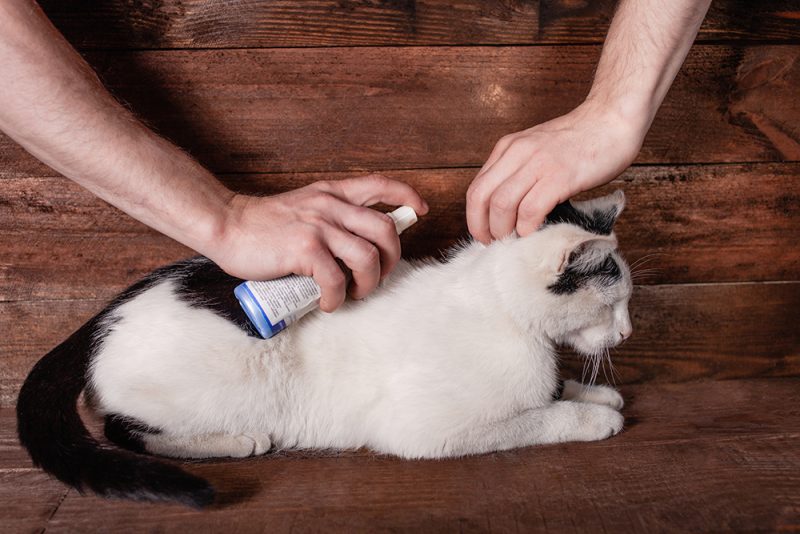
5. Provide plenty of mental stimulation.
People don’t always realize that felines need a lot of mental stimulation, or they’ll become bored. And boredom can lead to behaviors like suckling (or simply complete chaos). So, be sure your cat has stuff around the home to keep them entertained, like cat towers and scratching posts. Also, engage your kitty in play sessions throughout the day. Not only will this keep them entertained, but it could also be helpful in redirecting their attention away from an object they’re considering suckling.
6. Visit a vet.
If nothing else has helped, it may be time to visit a vet. Your cat’s suckling behavior could be compulsive or due to an underlying health issue, so discussing options with a vet, like whether medication will help, will be the best way to get your kitty to stop suckling.
If you are unsure if a vet visit is necessary, reach out to a vet for guidance on the next steps, by clicking on the button above to speak with a vet online.

Final Thoughts
Suckling isn’t uncommon in felines but is more commonly seen in kittens, so it may be disturbing or stressful to find your adult cat engaging in suckling. If you see your pet suckling on things and want them to stop, your first step is to determine why exactly they’re suckling. Afterward, you can utilize the tips above to prevent the behavior from reoccurring.
Sources
Featured Image Credit: KanphotoSS, Shutterstock

Expert cat care, straight to your inbox
Vet-reviewed advice, behavior tips, and the best of Catster. Free, and you can unsubscribe anytime.
By signing up, you agree to our Terms & Conditions and Privacy & Cookies Policy.
Misty Layne lives out in the woods in small-town Alabama with her two Siamese cats —Serafina and Jasper. She also has an array of stray cats, raccoons, and opossums who like to call her front porch home. When she’s not writing about animals, you’ll find her writing poetry, stories, and film reviews (cats, by far, her favorite writing topic, though!). In her free time, Misty enjoys chilling with her cats, playing piano, watching indie and foreign films, photographing abandoned places, and catching up on her never-ending TBR list.
Join the conversation
Ask a question, share your story, or send private feedback.