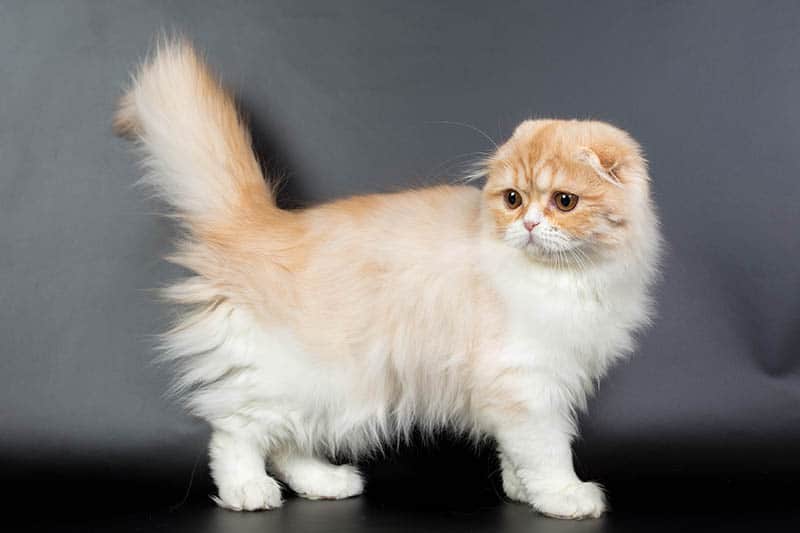
Oriental Longhair Cat Breed: Info, Pictures, Temperament & More
In this article
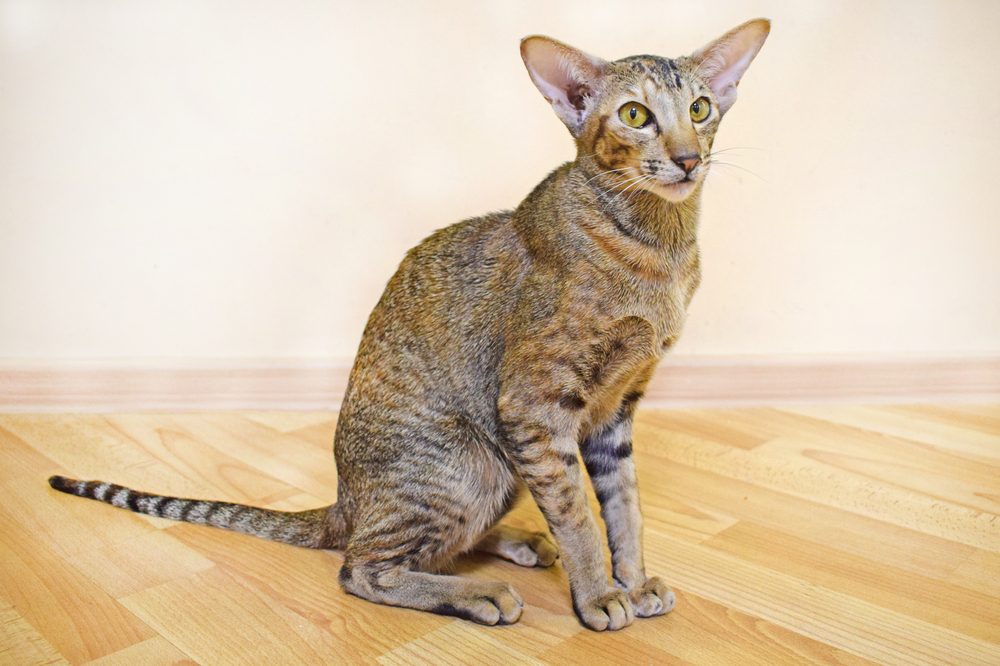
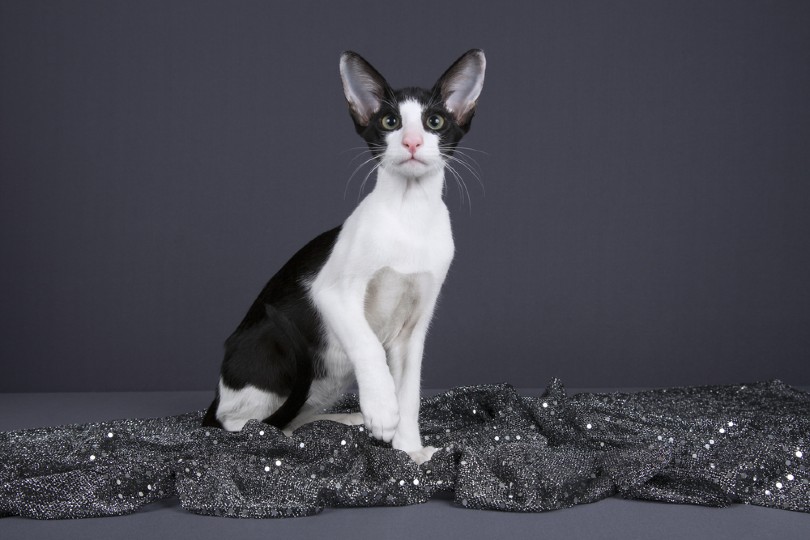
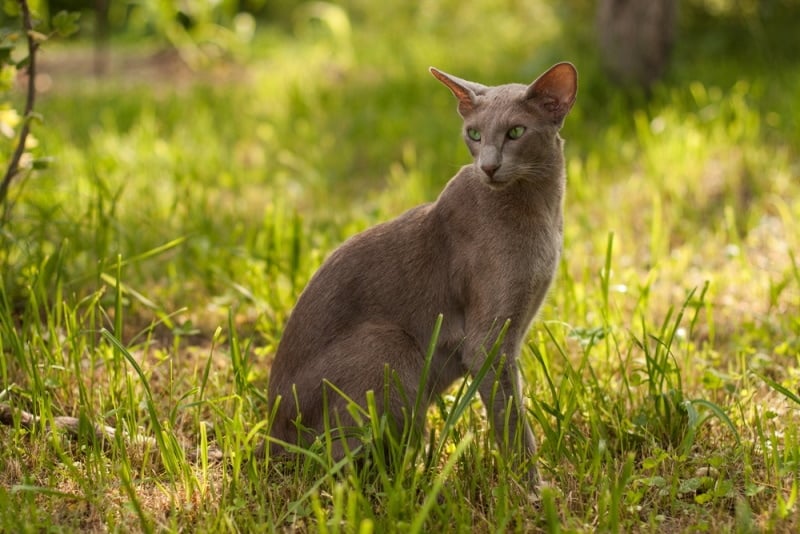
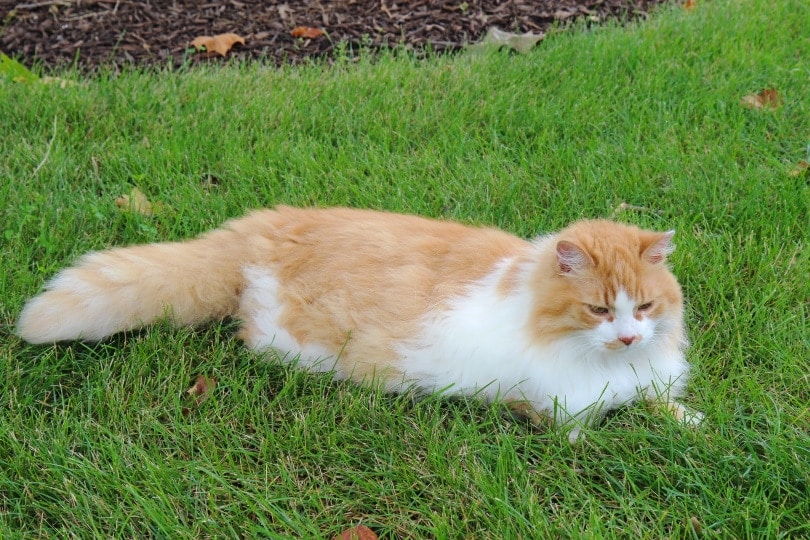
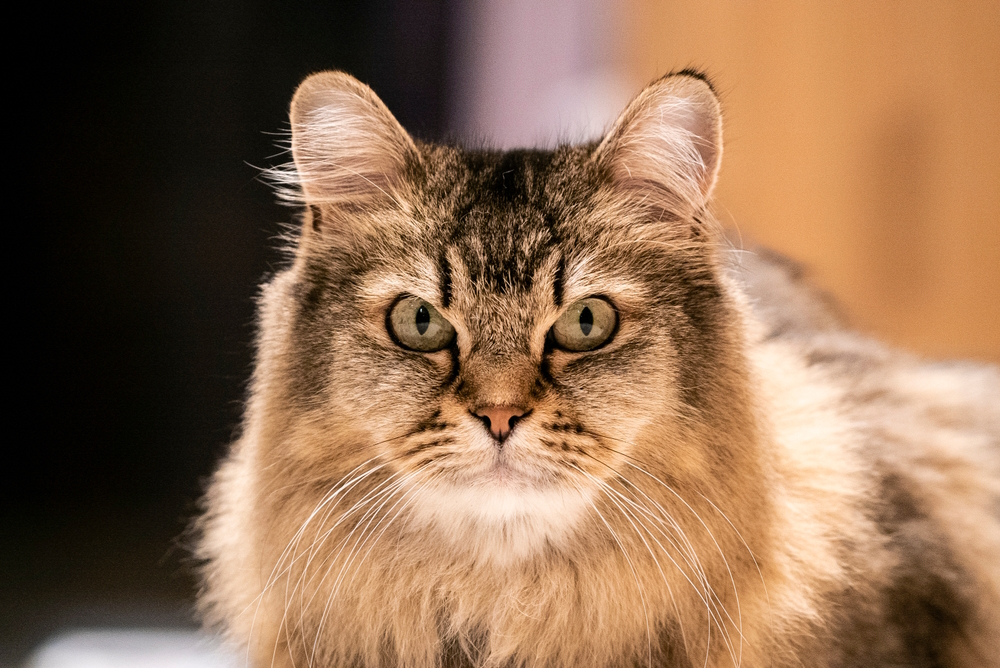
You might be smitten by the majestic look of the elvish Oriental Longhair. If they caught your eye, you probably want to learn everything there is to know about this fabulous feline. Who could blame you? Their unusual appearance is sure to turn heads everywhere.
Breed Overview
Height:
Weight:
Lifespan:
Colors:
Suitable for:
Temperament:
But their beautiful looks aren't the only thing they have going for them—they have unique personalities, too. Let's learn everything about the Oriental Longhair so you can determine if they fit the bill for your list of kitten criteria.
Oriental Longhair Cat Characteristics

Oriental Longhair Cat Kittens

Oriental Longhair breeders aren't as common as those who raise more popular breeds, and you may have to visit another city or state to adopt an Oriental Longhair. Before adopting a cat, research the breeder thoroughly and see if you can visit their facility. Oriental Longhairs, especially show-quality kittens, are expensive, and you can save money by checking the local shelters and rescues.
Shelters usually have the cats spayed or neutered, microchipped, and vaccinated before adoption. You may have to settle for an adult Oriental since purebred kittens don't stay at shelters very long, but you may also find a mixed kitten with Oriental Longhair heritage.
Temperament & Intelligence of the Oriental Longhair 🧠
Oriental Longhair cats love interacting with humans and cannot be left alone for long periods. They do very well with cat friends, but nothing compares to their love for their people.
Your Oriental Longhair may be your shadow, following you from room to room to be near you. They can talk your ear off and have no problems with speaking their mind.
Because they tend to vocalize, they might not work in every home. If one of your favorite cat qualities is their silent behavior, the Oriental Longhair is not the kind of kitty that's right for your household.
Oriental Longhairs are very lively and inquisitive. Nothing much will slip past this cat unnoticed. They can get bored very easily because their minds are always hard at work. If there's nothing around to stimulate them, they can get into trouble.
If they don't have enough to do, you can bet they'll find something—no matter what that might be. For that reason, Oriental Longhairs are better for owners who are home most of the time.
Are These Cats Good for Families? 👪
Oriental Longhairs do their very best in families with lots of activity. Because of their nosey nature, they love all the action they can get. If you have crazy kids running around, they'll have more people to play with.
Oriental Longhairs bond closely with their owners. So, always buy your kitty to give them a forever home. For this breed especially, changing their routine can be extremely upsetting, and they may not adapt well to new environments with other owners.
Oriental longhairs usually bond deeply with one person, even though they accept attention from practically anyone. Also, make sure you have the attention to give them. If you're gone most of the time, you might come home to knocked-over plants or torn-up furniture.
Does This Breed Get Along With Other Pets? 🐶🐱
Oriental cats get along with other furry companions when they are raised together. However, it may be a little harder to integrate a full-grown adult into a multi-pet household. It isn't impossible, but it will depend on the cat's personality.
They pair very well with other cats. In fact, they thrive on the company a fellow kitty provides. Having a friend may be one of the best things you can provide for your Oriental Longhair. If you are away at work, they will fare much better with a buddy to keep them company.
Because Oriental Longhairs are so active, they can have an exceptionally high prey drive. It's best to keep any small caged pets separated so they don't have the temptation. They may mistake them for play toys, and you can't train that impulse out of your cat.
Things to Know When Owning an Oriental Longhair
Food & Diet Requirements 🐡
Oriental Longhairs don't have any particular diet restrictions, but they need a high-protein recipe to keep up with their activity level. As kittens, they need more protein, fat, amino acids, vitamins, and minerals to manage their growing bodies.
Once they are fixed or as they age, their activity levels decrease. When they aren't as active, they will need fewer calories, and you can adjust their diet accordingly. However, most Oriental Longhair cats keep up a pretty fast pace throughout their adult years.
You can offer your cat a diet of dry kibble, wet food, or a combination of both. What you select is up and your vet. Cats usually don't get enough hydration in their diet, so wet food gives them a little aqua boost.
However, using wet food as a standalone diet may cause obesity or tooth decay. When you maintain a diet for your cat, balance is vital, and it may be best to serve wet and dry food.
Exercise 🐈
Oriental Longhairs are very good at exercising on their own without much provocation. They love having playmates but will find something to do if no one wants to play with them.
Because Oriental Longhairs are very energetic, providing toys and climbing trees will help them exercise and stay fit. To stay healthy, an Oriental Longhair needs a minimum of 15 to 20 minutes per day.
Oriental Longhair cats may calm down more as they age or after they are fixed, but they will probably be more active than most. They will never turn down playtime with their people, and they will thrive on the interaction between you. Exercise time can be a great opportunity to bond with your Oriental Longhair.

Training 🧶
Because of the Oriental Longhair cat's intelligence, they're relatively simple to train. They can pick up new concepts with ease and are more willing to please you than most breeds.
If you are patient and persistent, you can train them to walk on a leash and play games like fetch. Training them is easier if you're their favorite human and they're bonded to you.
When it comes to litter box training, it should take minimal effort. Some may even be potty trained when you bring them home at 8 weeks. Until they pick up the concept, you may want to restrict them to one room or area in your home until they have it down pat.
Grooming ✂️
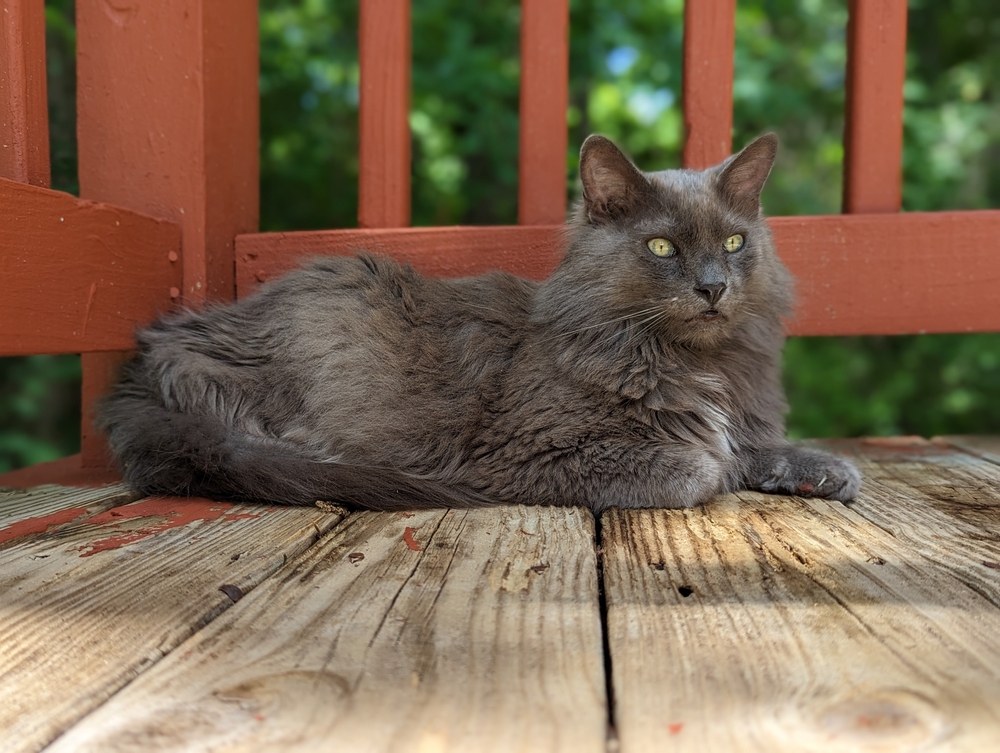
Don't let the long frills of the Oriental Longhair concern you; they're not hard to groom. They will do most of the hard work for you since they're excellent self-groomers. You should only have to brush them a few times a month to remove dead hairs.
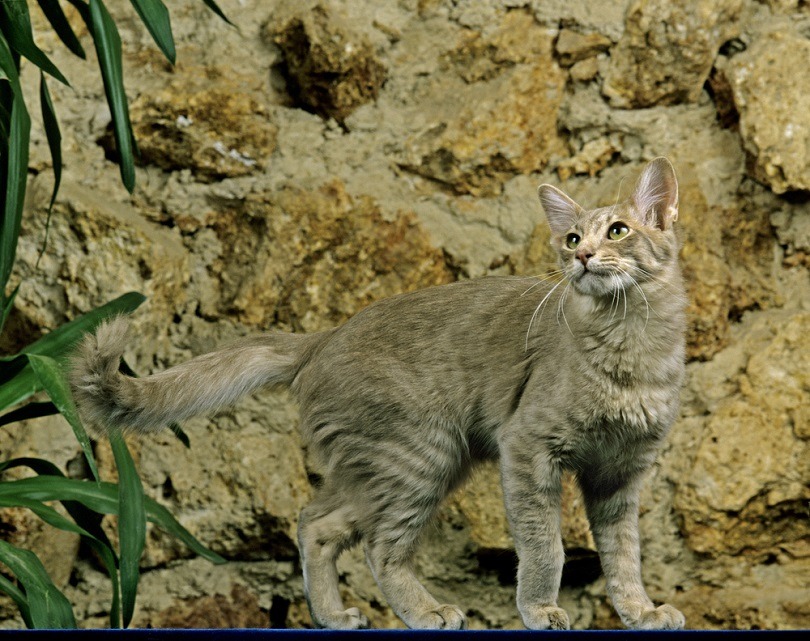
Oriental Longhair cats have very fine-textured, silky fur without an undercoat. Their long hair has a much sleeker look than, say, a Persian. They might shed less than other long-haired cats since they don't have the dense layer beneath their coat.
They thrive on pets and cuddles, and they should take to their weekly brushing without much fuss. The sooner you acclimate your cat to brushing sessions, the easier it will be.
Health and Conditions 🏥
Oriental longhair cats are generally very healthy. However, some ailments are more common than others. An excellent way to avoid these issues is to take your cat to regular veterinary appointments for wellness checks.
Male vs Female
Differences in personality between the male and female Oriental longhair aren't vast, but there are some notable variances.
Males tend to be a little bit more friendly and vocal. Even though both sexes are selective of their primary person, males seem to be more social with a broader range of people and pets. On the other hand, females are more particular but are still very pleasant.
Both males and females can spray to mark territory, but it is more common in males. A solution is to get them fixed at an early age before they reach sexual maturity. However, keep in mind that it isn't always a cure-all.
Each cat will come with difficulties and perks, regardless of their sex. It would be best if you base your choice on which kitten or cat you feel most connected to.
3 Little-Known Facts About The Oriental Longhair Cat
1. Oriental Longhairs Were First Called British Angoras
Originally, these cats were named British Angoras, but breeders felt the name might confuse them with Turkish Angoras. They renamed the breed in 2002. They've also been referred to as Foreign Longhairs and Mandarins.
2. Oriental Longhairs Typically Have Green Eyes
Even though other eye colors are possible, green is the preferred eye color of the breed.
3. The Beginning of the Oriental Longhair Dates Back to 1974
The first recognized Oriental with long hair didn't have fur as long as the Oriental Longhairs today, but it was their beginning.


Final Thoughts
If you love the whimsical look and lovable temperament of the Oriental Longhair, you may be ready to adopt one. You can contact a reputable breeder and see when the next litter is due. Just remember, Oriental Longhairs require lots of time, attention, patience, and energy. If you can match their quirkiness, you'll be quite the pair.
See Also:
Featured Image Credit: slowmotiongli, Shutterstock

Expert cat care, straight to your inbox
Vet-reviewed advice, behavior tips, and the best of Catster. Free, and you can unsubscribe anytime.
By signing up, you agree to our Terms & Conditions and Privacy & Cookies Policy.

Christian started writing for a local newspaper as a teenager, and he's been involved in the publishing industry for most of his adult life. Combining his love of writing with a passion for animals, he is currently the Director of Editorial at Pangolia and the Editor-in-Chief at Catster.
Christian lives in the Philippines with his wife, son, and four rescue cats: Trixie, Chloe, Sparky, and Chopper.
Join the conversation
Ask a question, share your story, or send private feedback.