Burmilla Longhair: Info, Pictures, Origin & More

In this article
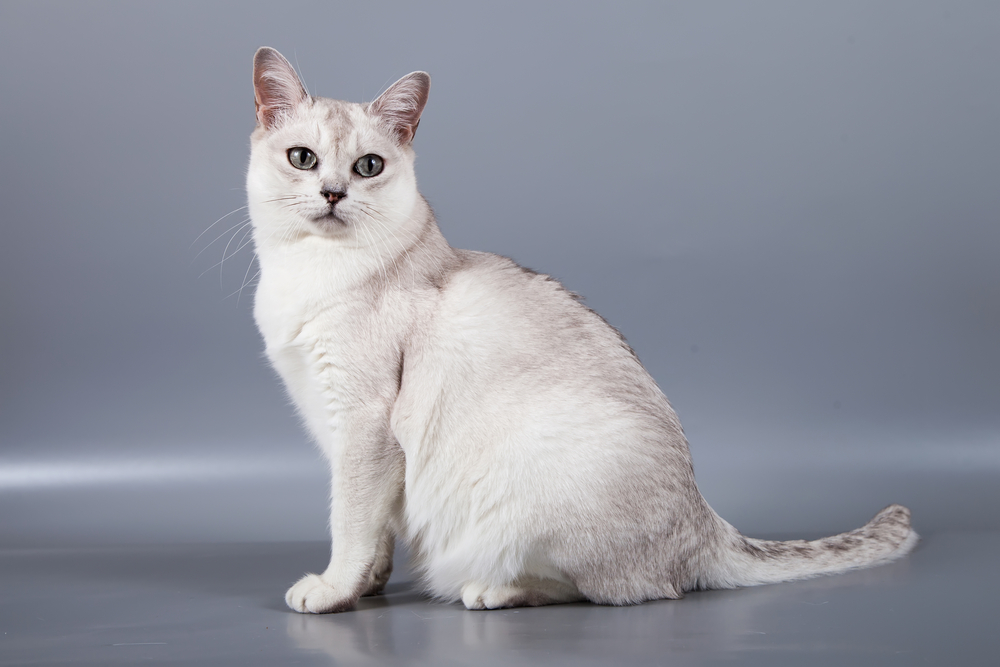
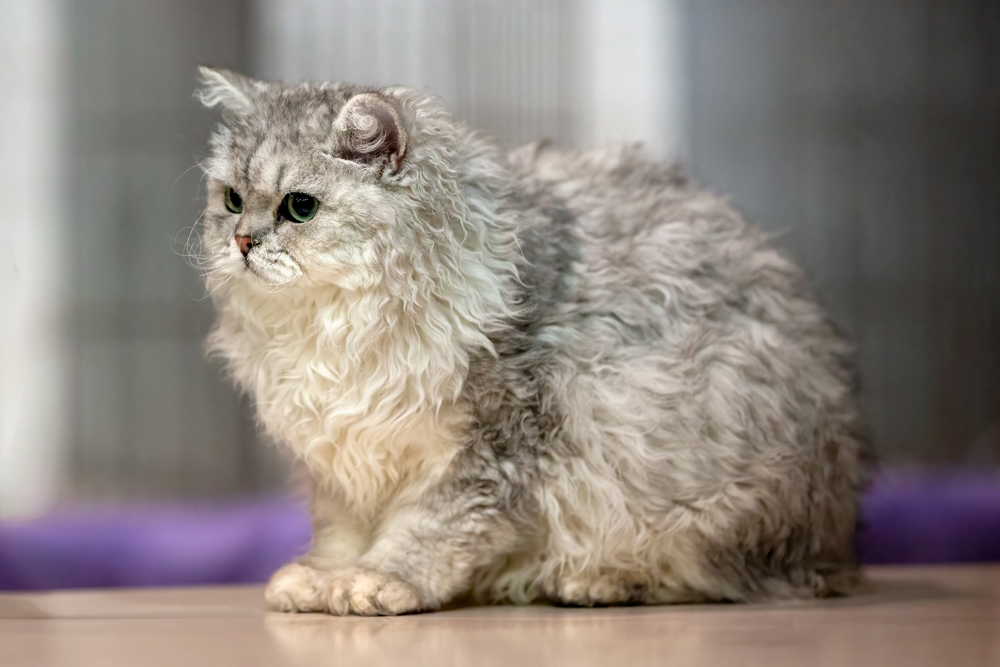
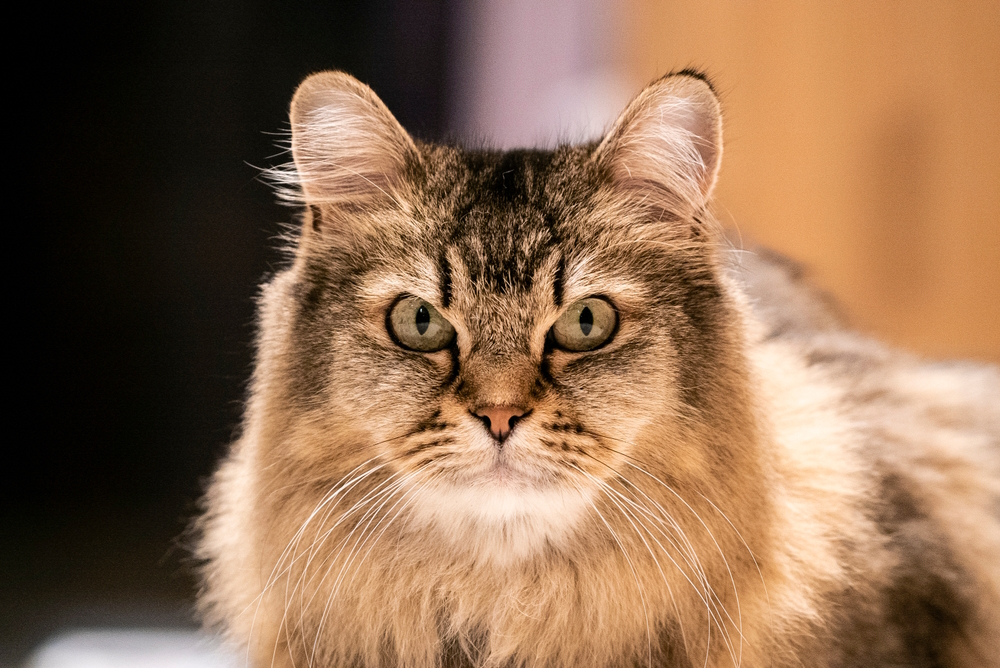
If you’ve been looking for a longhair cat that’s beautiful, playful, and relatively chill, the Burmilla Longhair might just be the perfect cat for you! The Burmilla Longhair is a variation of the Burmilla (as this breed comes in longhair and shorthair). These felines are gorgeous with their big, floofy coats, but more importantly, they are sociable and engage in kittenish antics far into adulthood with their loved ones!
Want to learn more about the history of this breed? Keep reading to discover where the Burmilla Longhair came from, what cat clubs recognize them, and much more!
Breed Overview
Height:
Weight:
Lifespan:
Colors:
Suitable for:
Temperament:
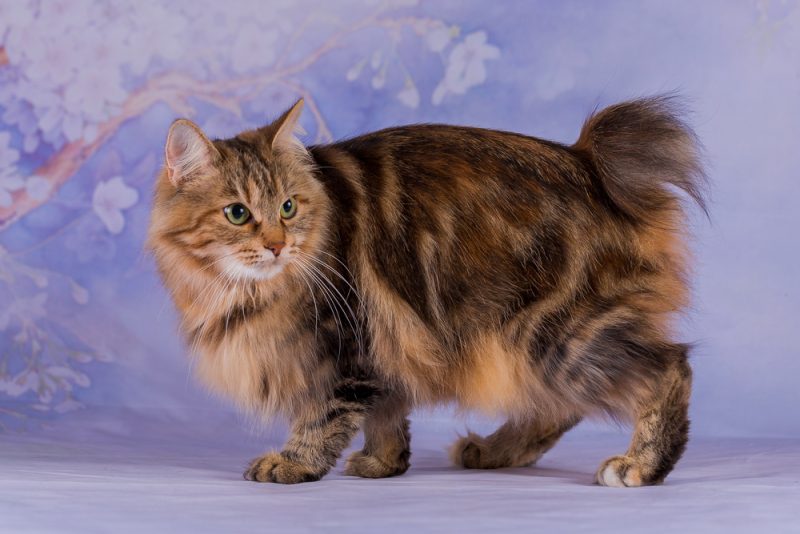
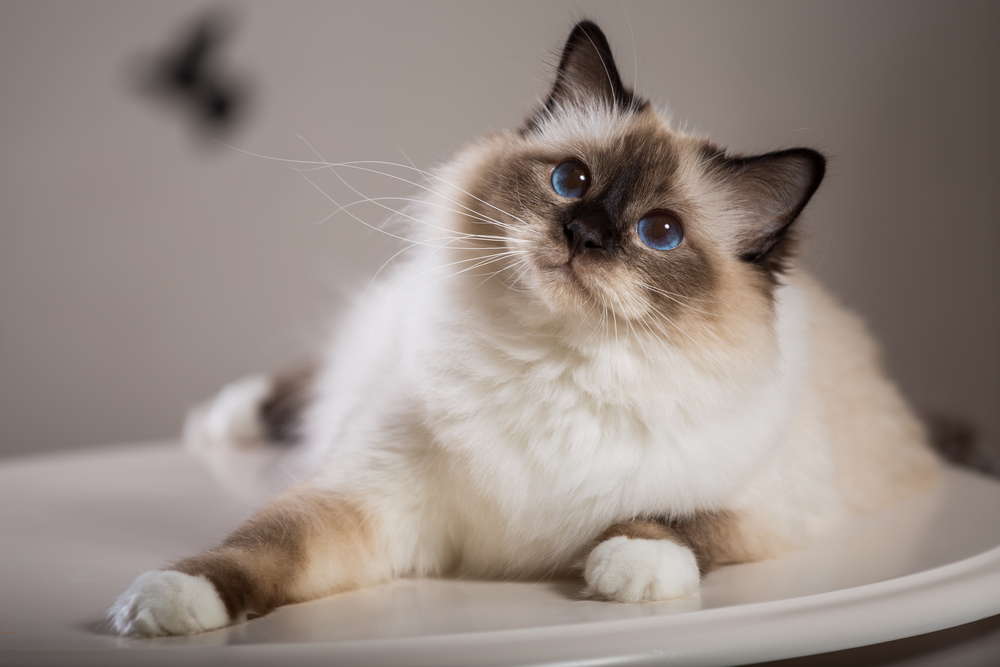
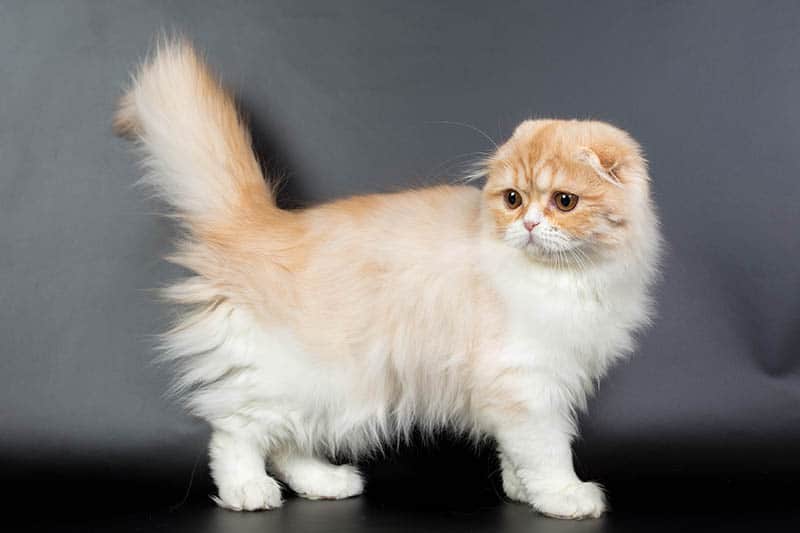
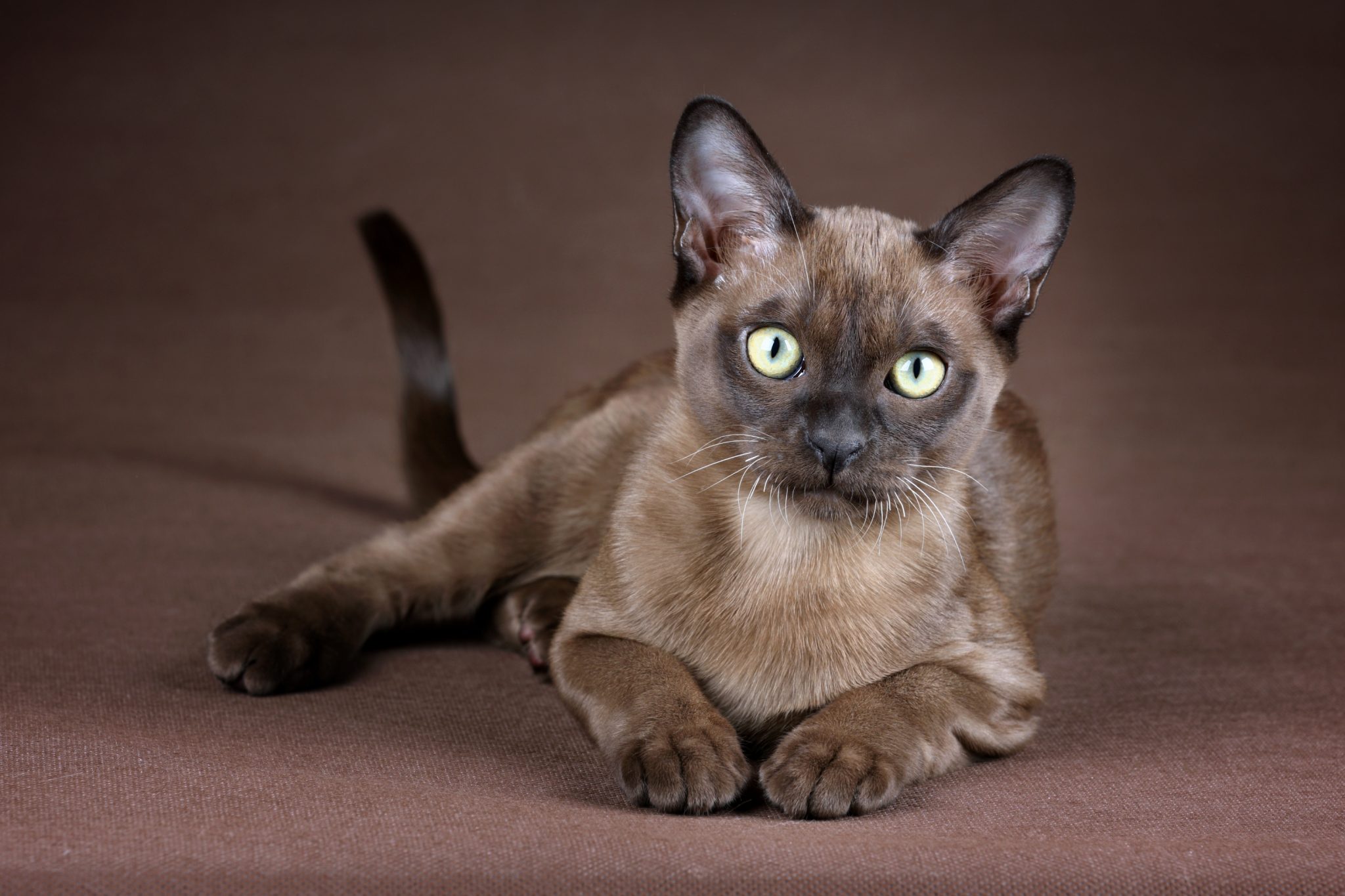
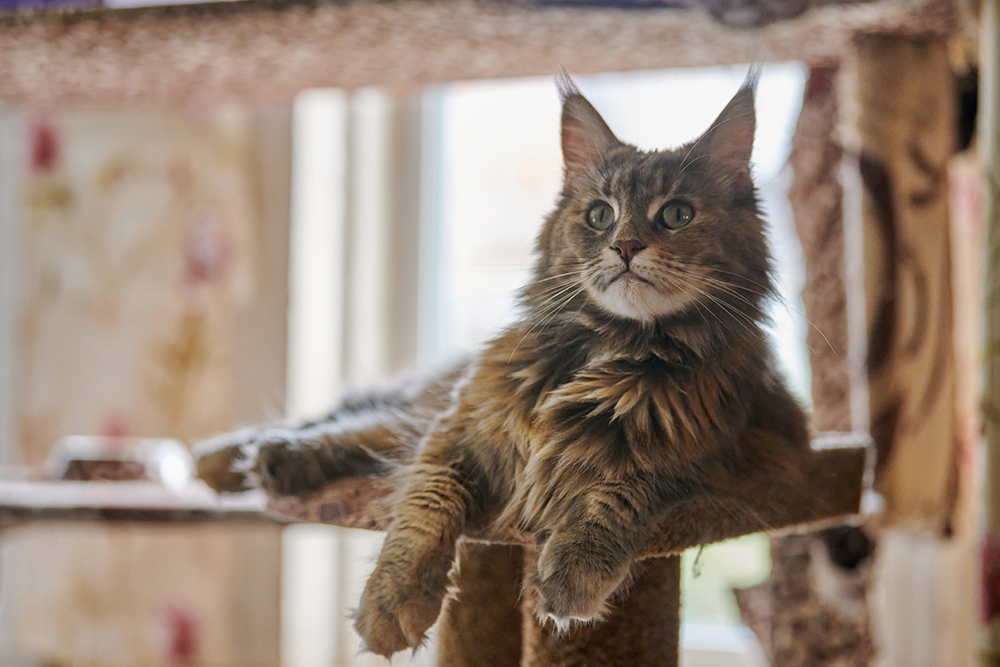
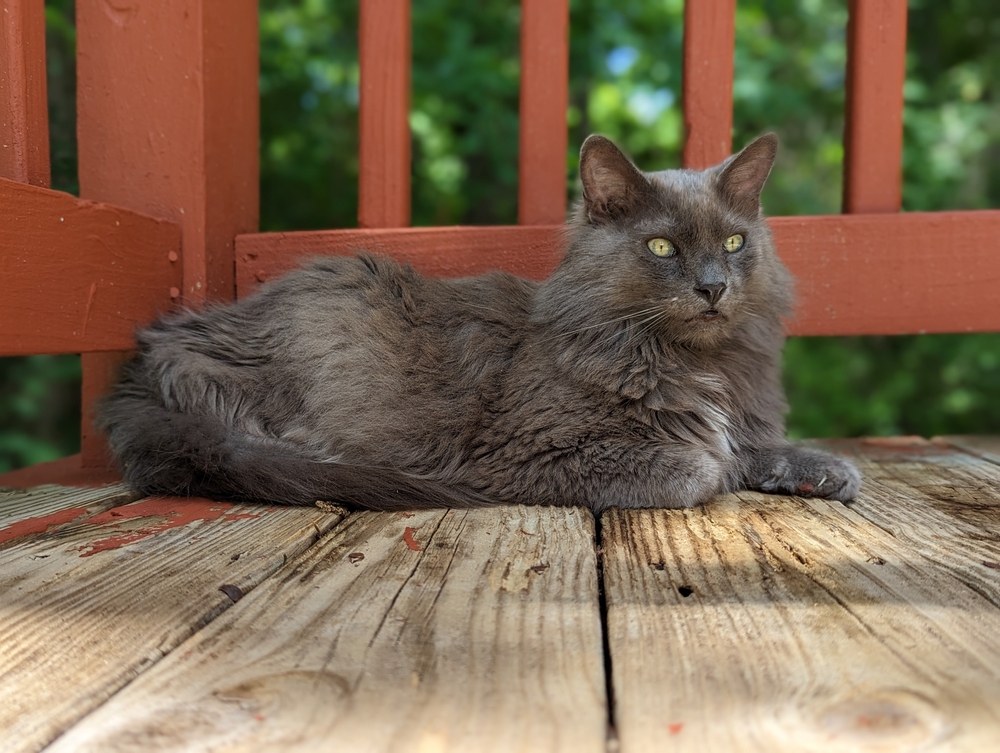
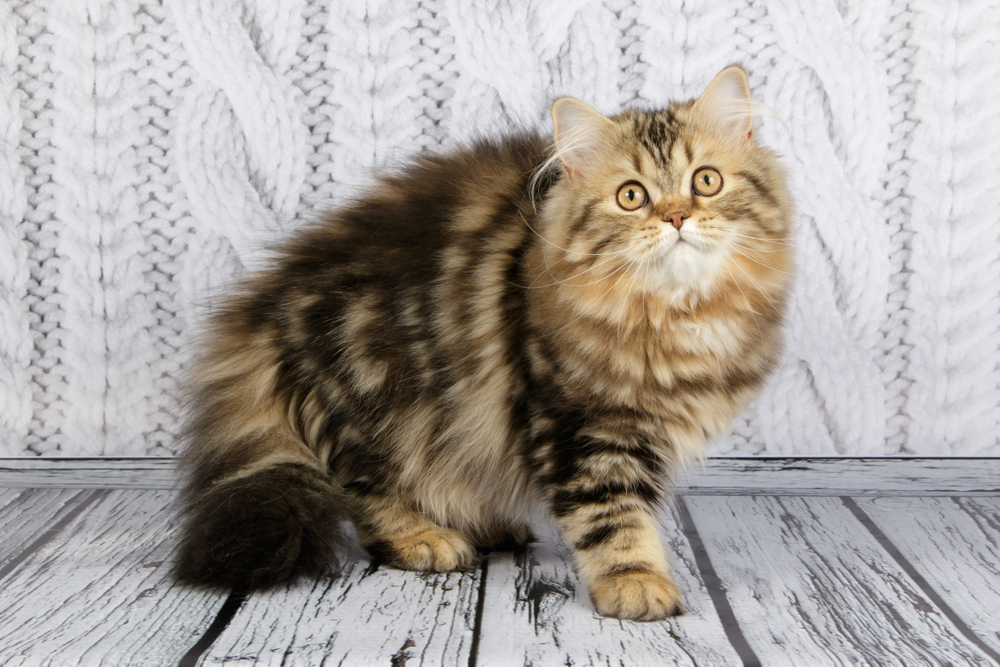
The Burmilla Longhair variation of the Burmilla is named as such because they have a long, fluffy coat and plumed tail. Between that and the Burmilla trait of having black outlining their features, this breed is an incredibly gorgeous one. However, these felines are still relatively rare, even though they’re prevalent enough to have been recognized by the Cat Fanciers’ Association and the Governing Council of the Cat Fancy (Britain).
Burmilla Longhair Characteristics

The Earliest Records of the Burmilla Longhair in History
The Burmilla Longhair is simply a variation of the Burmilla cat, as this breed can be longhair or shorthair.
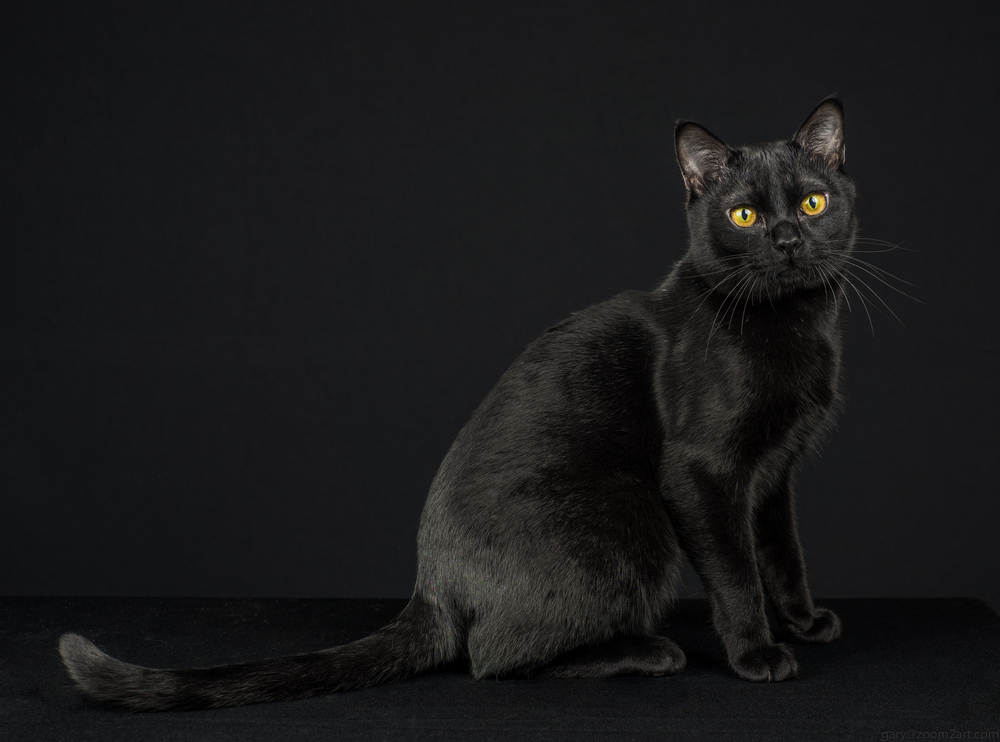
The Burmilla is a relatively newer and rare breed. The breed came about purely by accident in the United Kingdom in 1981. That year, a female lilac Burmese escaped her home and found a Chinchilla Persian to mate with; the result was the first litter of Burmilla kittens! And those kittens were so beautiful that a breeding program for the Burmilla, aka a mix of the Burmese and Chinchilla Persian, was started to preserve and expand this new accidental breed.
The Burmilla first gained recognition in the United Kingdom in the 1990s, and it seems they made their way to the United States by the late 1990s. There are still only a few of them out there, though, so finding one could prove challenging.

How the Burmilla Longhair Gained Popularity
The Burmilla (longhair and shorthair) gained popularity mainly because of their absolute beauty. The longhair Burmilla, in particular, with their long, fluffy locks, are known for being gorgeous (and absolutely adorable!). The fact that the Burmilla is a rare breed has aided in their popularity, as well. After all, people want what they can’t have, and this is one feline breed that can be very hard to acquire!
Though the Burmilla originated in England, these felines can now be found in several other countries, including Australia, Canada, Spain, Sweden, and Ireland.

Formal Recognition of the Burmilla Longhair
The Burmilla standard was created in 1984, just a few years after the breed came about when the Burmilla Fancier Club in England was created. This was also the year The Governing Council of the Cat Fancy (GCCF) in the UK officially recognized the breed. These felines became a fully recognized cat breed by the Fédération Internationale Féline in 1995. In 1999, the breed was given formal recognition in Australia, and in 2011, they were formally recognized by the Cat Fanciers’ Association (CFA) as a breed in the Miscellaneous Class. The Burmilla was also recognized by The International Cat Association (TICA) in 2015.
Top 5 Unique Facts About the Burmilla Longhair
Ready to learn some unique facts about the Burmilla Longhair? Here are a few more things you may not have known.
1. It takes a couple of years for their eye color to fully develop.
Did you know? Burmillas typically have green eyes; however, it can take up to 2 years for those green eyes to fully develop into their final color!
2. The Burmilla Longhair is a true semi-longhair.
This breed variation has a silky coat with a feathered underside, plumed tail, and fluffy legs and chest. Essentially, they’re a Burmilla with a longer, fluffier coat (or as TICA says, “They should be a Burmilla in a fancy dress.”)
3. It was pure luck this breed came about.
We already mentioned that this breed is an accidental one. However, it truly is extreme luck that created them, as the father of the original kittens of this breed was due to be neutered just about the time he mated with the mother of this breed!
4. The Burmilla Longhair requires no extensive grooming.
You would think that as a longhair cat, the Burmilla Longhair would require quite a bit of grooming to keep their coat looking nice, but in reality, they only need a basic weekly groom to look their best!
5. The Burmilla breed looks like they’re wearing eyeliner.
These felines are known for having black around the eyes (and nose and lips!), which makes them appear as if they are wearing eyeliner. This black outline around the eyes and other areas makes the Burmilla’s features truly stand out.

Does the Burmilla Longhair Make a Good Pet?
The Burmilla Longhair is a truly chill cat, so they tend to get along with most people (including kids), making them a fantastic pet. The breed is sociable, affectionate, playful, easygoing, and tends to bond quickly with their loved ones. These felines are also generally adept at adapting to visitors to the home, so you shouldn’t have a Burmilla who hides at the sight of strangers on your hands (although early socialization is still key to achieving this).
When it comes to other pets in the home, the Burmilla Longhair will often get along quite well with other animals. They enjoy having other kitty playmates, and if there are dogs in the house who are cat-friendly, they can get along with them, too. Of course, as the Burmilla Longhair is a feline, having them in a home with smaller animals like rodents or birds may not be safe.
These felines are smart, curious, and playful. They also love to climb, so be sure you have plenty of tall areas for them to get to and lots of toys for them to play with. One particularly notable thing about the Burmilla breed’s personality is that they tend to exhibit kitten-like behavior with their loved ones even after becoming adults.
Conclusion
The Burmilla Longhair cat is a variation of the Burmilla breed. It’s the same feline, but the Burmilla Longhair has (as the name indicates) long hair. This breed is fantastic to have around because they’re so laid back and playful. However, this accidental breed is still fairly rare, especially in the U.S., so finding one for your family may be difficult.
Featured Image Credit: Rocky Reborn, Shutterstock

Expert cat care, straight to your inbox
Vet-reviewed advice, behavior tips, and the best of Catster. Free, and you can unsubscribe anytime.
By signing up, you agree to our Terms & Conditions and Privacy & Cookies Policy.
Misty Layne lives out in the woods in small-town Alabama with her two Siamese cats —Serafina and Jasper. She also has an array of stray cats, raccoons, and opossums who like to call her front porch home. When she’s not writing about animals, you’ll find her writing poetry, stories, and film reviews (cats, by far, her favorite writing topic, though!). In her free time, Misty enjoys chilling with her cats, playing piano, watching indie and foreign films, photographing abandoned places, and catching up on her never-ending TBR list.
Join the conversation
Ask a question, share your story, or send private feedback.