American Longhair Cat Breed: Info, Care, Pictures, & Facts
In this article
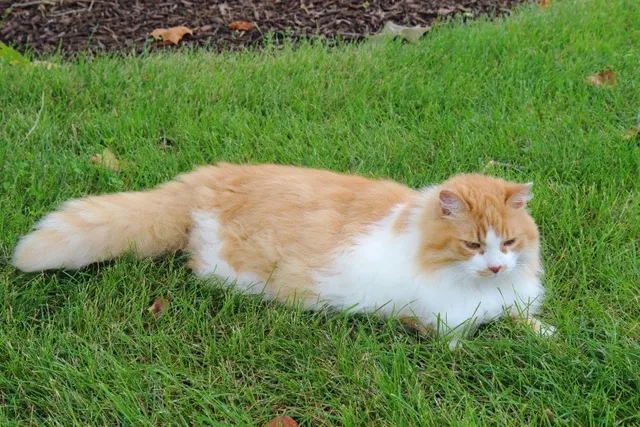
The American Longhair cat was developed from crossing a Persian with an American Shorthair. The resulting cat is a playful, easygoing, and friendly pet that loves spending time with his family. If you're looking for a beautiful and affectionate cat to adopt, the American Longhair might be just the cat you're searching for. Read on to learn more about this breed, including its diet, exercise, and grooming requirements.
Breed Overview
Height:
Weight:
Lifespan:
Colors:
Suitable for:
Temperament:
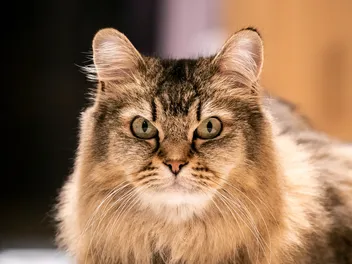
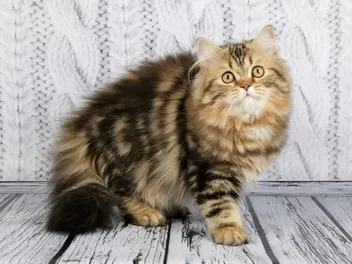
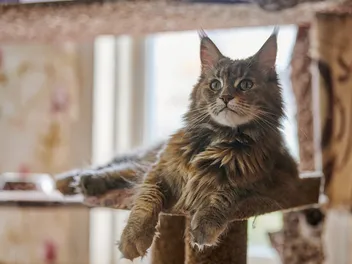
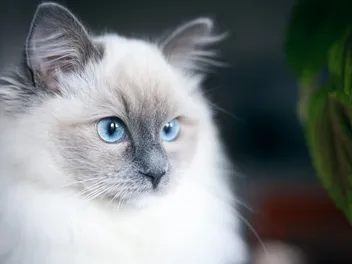
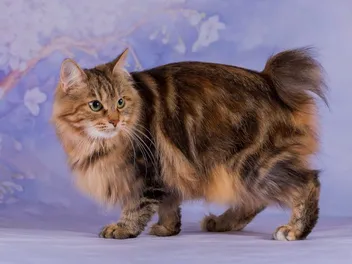
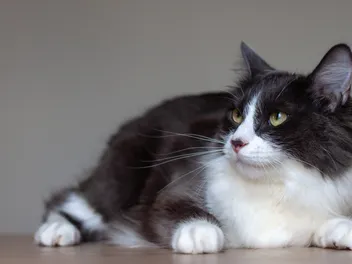
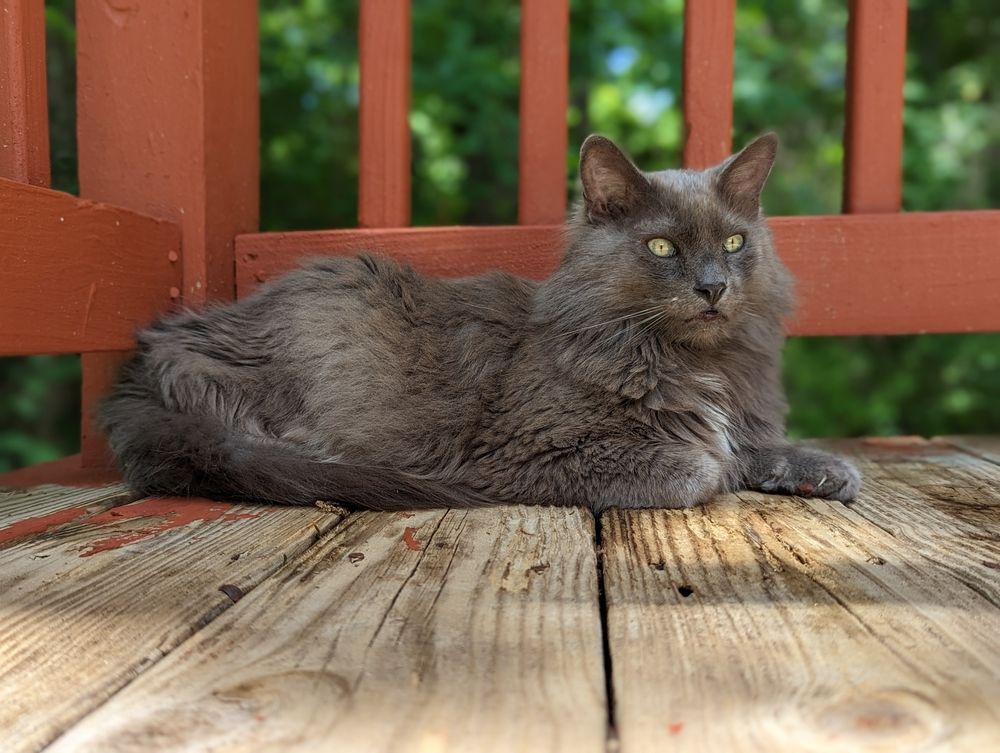
The American Longhair is a mix between the American Shorthair and a Persian. Their pleasant, but not clingy, personality makes them fantastic companions for a myriad of families. These beautiful, medium-sized cats come in various colors and patterns and sport coats of varying thickness.
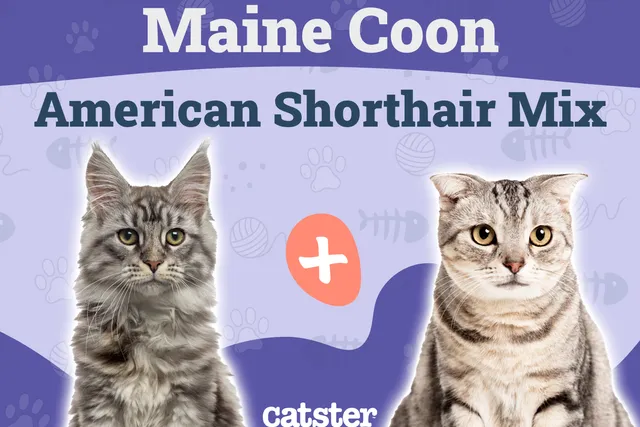
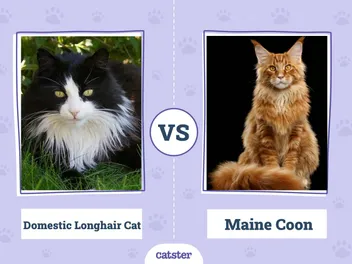
The American Longhair cat is sometimes confused with the Maine Coon simply because the latter is often referred to as America's first domestically created long-haired cat breed.
American Longhair Cat Characteristics

American Longhair Cat Breed Kittens

American Longhair kittens may be difficult to find as most cat fancier associations do not recognize this breed and are therefore not in high demand. If you do wish to adopt one of these pretty kitties, you will need to research to see if there are any breeders local to you already specializing in the breed. If you do happen across a breeder for the American Longhair, you can expect to pay a little less than you would for other long-haired breeds, such as the Angora or the Persian.

Temperament & Intelligence of the American Longhair Cat 🧠
The American Longhair cat combines some of the best traits of his ancestors, the American Shorthair and the Persian.
Taking from his American Shorthair side, this cat is likely very friendly, easygoing, and curious about his surroundings. They love spending time with their families and enjoy engaging in activities with their humans.
These cats are generally sweet, gentle, and patient like their Persian bloodline. They can prefer a calmer environment, though they can easily adapt to more active and chaotic households with time.
Are These Cats Good for Families? 👪
The American Longhair is a fantastic family pet. These kitties are known for their affable personalities and sweet, friendly, and pleasant temperament. They generally do well in homes with children, provided they know how to respect boundaries.
The American Longhair is happy to spend time next to his family members, though it is okay to be alone and independent, too. This means he is less likely than his Persian ancestors to form unhealthy attachments to his humans.

Does This Breed Get Along With Other Pets? 🐶🐱
American Longhairs can get along very well with other cats and animals of different species. However, they require a slow transitionary period before being introduced to other pets. Ensure you're doing a slow and deliberate introduction to ensure harmony in your home.

Things to Know When Owning an American Longhair Cat
Food & Diet Requirements 🐡
Feeding an American Longhair is no different than feeding any other cat breed. All cats are obligate carnivores, meaning they require a diet of animal-derived foods. They need specific amino acids found only in meat-based protein otherwise, their health can suffer. Taurine, for example, is particularly important for a cat's eye and heart health. They can become blind or develop heart failure if not fed a diet with taurine.
It's important not to overfeed your cat; otherwise, you put him at risk of developing obesity and its related conditions like diabetes and heart disease. Most cats prefer eating frequent, small meals throughout the day versus one larger one.
A good rule of thumb for finding the best cat food is to choose one with a real meat protein listed as the first ingredient.

Exercise 🐈
Your American Longhair requires moderate exercise to stave off boredom and prevent obesity. He likely enjoys staying active and can even be taught to play fetch with you. Be sure to provide plenty of toys for your kitty, including ones he can play with solo and interactive ones he needs you for.
If he is more like his American Shorthair side, chances are your kitty will love spending time outside. Try to teach him to walk on a leash so he can safely explore the outdoors.
If your American Longhair takes after his Persian side more, he may be more apt to lounge and relax all day than play. However, that doesn't mean you should let him. He still needs daily physical activity to stay healthy.
Training 🧶
Cats can be difficult to train as they often have a mind of their own and aren't too fond of being told what to do. However, that doesn't mean you can't train your American Longhair; it just means doing so will require more time and effort.
As mentioned above, these cats love the outdoors, so you may be able to train your kitty to walk on a leash if he shows interest in it.
You can also teach him to do tricks, like sitting or rolling over, provided you have the right high-value treats on hand.

Grooming ✂️
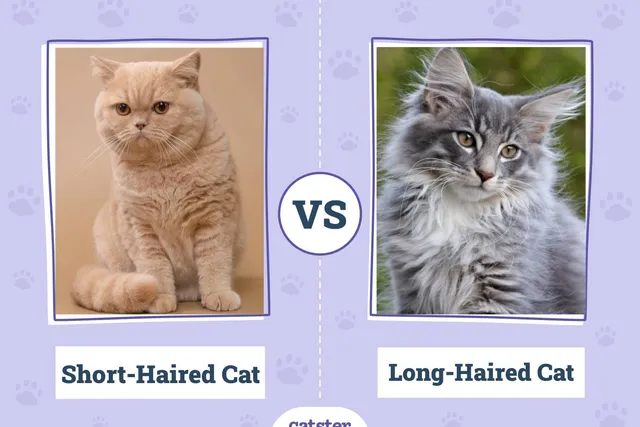
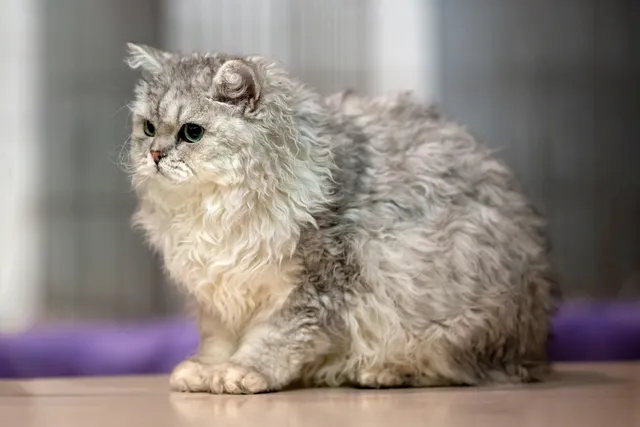
Grooming your long-haired cat ensures his coat stays shiny and healthy. We recommend brushing him several times per week to prevent tangles and mats. Regular grooming will also remove some of the soon-to-be-shed hairs, reducing how much hair your kitty inevitably ingests and lessening the hairballs he would otherwise throw up. Get your cat used to grooming sessions by choosing a time when he is relaxed to brush him and never forcing him into getting brushed if he isn't feeling it.
Health and Conditions 🏥
The American Longhair is generally healthy, though it may be at risk of developing the same health conditions as other cats and its parent breeds.
All cats may be at risk of developing issues like obesity, dental problems, and feline hypertrophic cardiomyopathy, the most common form of heart disease seen in cats. This condition is believed to be inherited and can result in heart failure and sudden death.
Because this breed has Persian blood in its ancestry, it is important to familiarize yourself with the common health conditions seen in Persians. This includes polycystic kidney disease (PKD), brachycephalic airway syndrome, and eye discharge.
Male vs Female
As with most cat breeds, the biggest difference between male and female American Shorthairs is their size. Males tend to be larger in both height and weight than their female counterparts. All personality differences between genders are purely anecdotal and not backed by science.
3 Little-Known Facts About the American Longhair Cat
1. The American Longhair was bred accidentally.
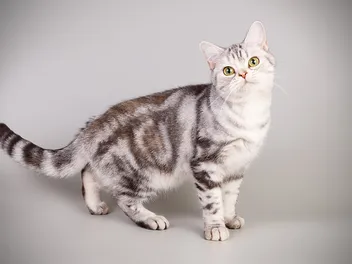
The American Longhair was created by breeders trying to produce an American Shorthair that possessed the beautiful, shimmery coat and green eyes of a silver Persian. The resulting breed was a cat with a shorter coat and leaner body.
2. The major cat organizations do not recognize the American Longhair as a breed.
Even though they are a cross between two recognized breeds, major cat fanciers do not recognize American Longhairs as an official breed. For example, the American Cat Fanciers Association doesn't yet recognize the American Longhair as a breed, nor does The International Cat Association (TICA).
3. The American Longhair may have breathing problems.
The American Longhair may inherit the shortened face that made one of its parent breeds, the Persian, so popular. While these stubby faces are adorable to look at, they often result in serious breathing issues.

Final Thoughts
The American Longhair cat is a beautiful breed with infinite redeeming characteristics. The breed combines the grace and gentleness of the Persian with the easygoing and friendly attitude of the American Shorthair. These cats are generally people-oriented and enjoy being near their humans, though they are less prone to develop the same kind of attachment issues that plague the Persian breed.
However, finding an American Longhair breeder may be challenging because no major cat fancier association recognizes them as a breed. Keep your ear to the ground and put out some feelers in local cat groups to see if you can find someone nearby who specializes in this unique breed. And, of course, always thoroughly research the breeder you find.
Another cat breed you might want to check out: Gato Cat Breed Info: Pictures, Temperament & Traits
Sources
Featured Image Credit: Phil N Morris, Shutterstock
Expert cat care, straight to your inbox
News, insights, and useful advice, delivered to you.

No spam — unsubscribe anytime.
By signing up, you agree to our Terms & Conditions and Privacy & Cookies Policy.
How useful was this post?
Click a star to rate. You can leave written feedback afterwards. (We read all feedback.)

For Chantelle, writing and animals are the two driving forces in her life. Growing up on the Canadian prairies surrounded by pets, she now shares her home with five cats, two guinea pigs, and a bearded dragon. Chantelle, her husband, and their child pride themselves on being dedicated pet parent, even spending a fortune on wall-mounted cat shelves to provide their cats with an indoor jungle gym. When she's not snuggling with her cats or photographing their humorous moments, Chantelle is exploring the Rocky Mountains, rewatching her favorite Netflix series, and reading up on various random subjects.