Do Oriental Shorthair Cats Shed? Breed Vet -Verified Facts & FAQ

In this article
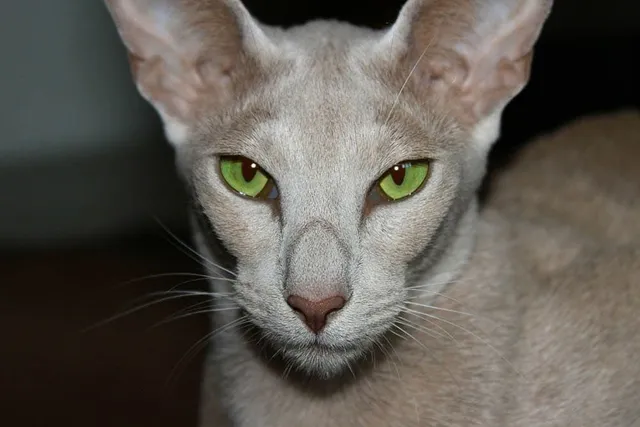
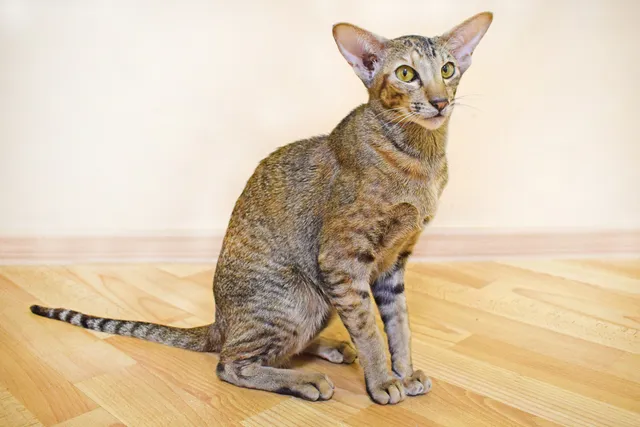
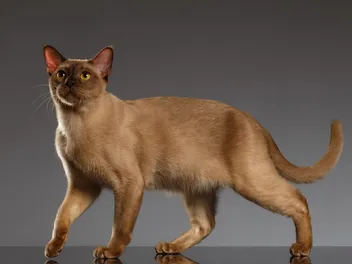
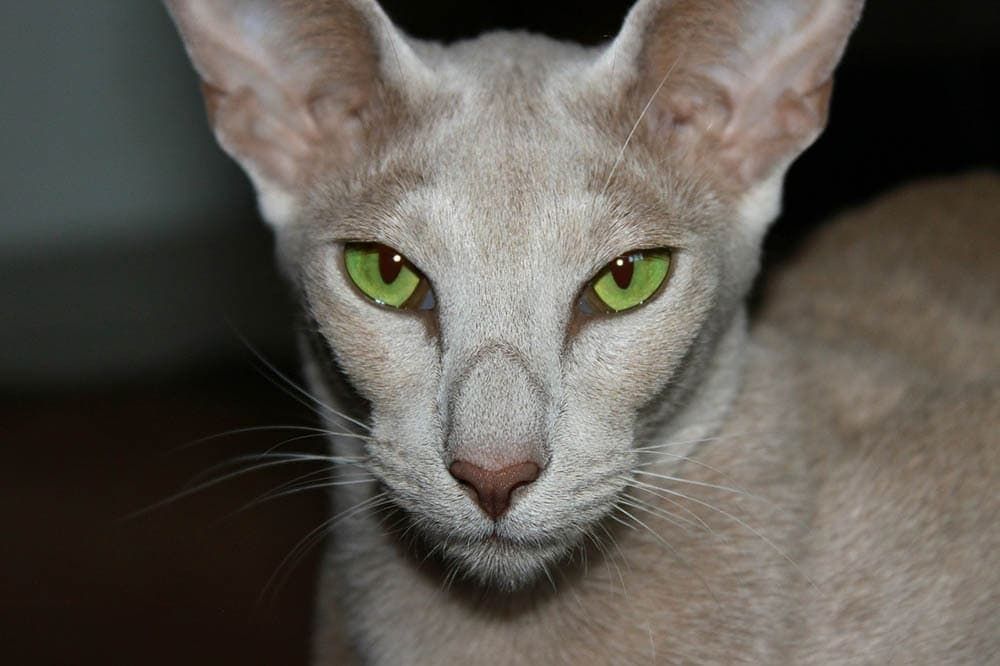
Oriental Shorthair cats are sleek. They have almond-shaped eyes, flaring ears, and a short, fine-textured coat that lies close to the body. Orientals are considered one of the most allergy-friendly feline breeds, but do they shed?
The answer is yes, but they are a low-shedding breed. However, with periodic brushing, the feline won’t leave fur on your lap or furniture after cuddling sessions. The best part is that these cats produce far less Fel D1 protein than most cat breeds. This further reduces the risk of the cats triggering allergic reactions.
Read on to learn more about the shedding patterns of Oriental Shorthair cats. We will also discuss the aspects that make them allergy-friendly.

Is the Oriental Shorthair a Low-Shedding Breed?
Technically, all cats shed and produce some level of allergens. However, some cat breeds, like the Oriental Shorthair, transfer fewer allergens to the environment. They are a low-shedding breed, which makes them excellent companions for allergy sufferers.
Oriental cats have short, low-lying coats. Because the fur is smooth and silky, brushing it at least once weekly will remove any loose hair, ensuring fewer hairs end up on your furniture. Frequent cleaning also reduces the chances of your cat provoking your allergies.

Are Oriental Shorthair Cats Hypoallergenic?
Oriental Shorthair cats have a low shedding coat and are classified as hypoallergenic. While they are not 100% hypoallergenic, they are the next best thing for allergy sufferers.
Besides being low shedders, Oriental Shorthair cats also produce less Fel D1 protein, meaning there are fewer allergens in their saliva, urine, and dander. Like most cats, these felines are meticulous groomers. However, this does not mean they won’t trigger any allergy, it is only that fewer allergens become airborne when they lick their coats because their spit or flakes from their coat have minimal amounts of Fel D1.
The Fel D1 protein is a sticky allergen that attaches itself to surfaces. Even dry saliva produced when your cat grooms can spread throughout your home, causing triggers months after inviting a feline to your space.
People allergic to cats have an oversensitive immune system. While cat dander is essentially harmless, their bodies interpret the elements as dangerous invaders trying to attack them. Their body responds starting a cascade of immune reactions with is manifested as inflammation. Allergy flares cause symptoms like sneezing, nasal congestion, itchy eyes, and skin hives.
What to Do After Bringing an Oriental Shorthair Cat Home
Oriental Shorthair cats have personalities that are as distinctive as their coats. They are natural entertainers who are highly energetic, curious, and vocal. Also, they love loads of attention and crave frequent human interaction. While they are low shedders, they are not entirely hypoallergenic.
Here is what you need to know to reduce allergy attacks once you bring home an Oriental Shorthair cat.

Monitor Your Cat’s Diet
Oriental Shorthair cats generally shed less when they maintain a glossy and healthy coat. They are obligate carnivores and need protein-rich, high-moisture diets rich in Omega-3 and Omega-6 fatty acids to prevent unnecessary shedding. A surefire way to keep your feline’s coat and skin healthy is to ensure its meals are packed with animal protein, not proteins from plant-based sources.
A proper diet should contain close to 50% protein and at least 20% fat. Carbs and fiber should be minimal at no more than 3% of the diet. Consult a vet if you notice any concerns with your cat’s shedding patterns or the appearance of its coat.
Ensure Your Cat’s Physical and Mental Health
Oriental Shorthairs are a generally healthy breed. Still, they are not immune to food sensitivities, skin allergies, and auto-immune function concerns that can affect their coat health. Failure to address health issues on time can cause excessive shedding and coat problems. Having your feline routinely checked and treated for pest concerns like flea infestations is also necessary.
Ensuring your cat’s physical health is not enough; you must also ascertain that your Oriental Shorthair cat enjoys excellent mental health. The feline breed loves attention and human interaction and feels lonely, stressed, or anxious if left alone for extended periods.
Oriental Shorthair cats are very sensitive. Separation anxiety or sudden changes in their routines and environment can cause excessive shedding. Even minor stressors like a sudden change in their food brand can cause stress and a drop in their coat health. Always introduce changes gradually and consult your vet when things get out of hand.

Maintain Appropriate Grooming Routines
Oriental Shorthair cats are easy to maintain because they only require minimal grooming. Still, using the right grooming tools based on the cat’s hair length is essential. The best tools to use are grooming gloves or a soft-bristled brush.
The best grooming frequency is at least once a week. However, your Oriental Shorthair cat needs more grooming during the shedding season in spring and fall.
If you are an allergy sufferer, wiping your cat at least twice a week will reduce the risk of airborne allergens that could trigger an attack. It is also a good idea to groom your Oriental Shorthair cat outdoors, away from areas where the loose fur can stick.
Vacuum Your Home Frequently
Vacuuming your home frequently can reduce the allergens in your home. Again, Oriental Shorthair cats are not entirely hypoallergenic. Traces of Fel D1 can accumulate in your home over time. Be sure also to wipe down surfaces to remove any sticky traces of Fel D1.
For the best outcome, use a vacuum cleaner with a HEPA filter. You also want to increase the airflow in your home by opening the windows or using an air purifier. Ideally, look for HEPA filter air purifiers as those are the only ones that can trap the tiny molecules that trigger your allergies. Remember to clean your cat’s toys and bedding weekly to lower the number of allergens floating in your home.

Mind Yourself
Oriental Shorthair cats love plenty of attention. Your pet will be glad to ride on your shoulder all day or curl up on your lap. While the feline breed hardly triggers allergy sufferers, washing your hands and face after handling your pet is essential.
Frequently Asked Questions (FAQs)
How Often Should I Bathe My Oriental Shorthair Cat?
Oriental Shorthair cats are easy to groom because they have sleek coats that cling close to their bodies. Generally, they don’t require daily brushing because they don’t have too much loose hair. Still, they need to be wiped at least twice weekly, and you can bathe them every 2 weeks, although if you are not concerned about allergies, they can go 4-6 weeks without a bath.

Are Oriental Shorthair Cats Better for Allergy Sufferers?
Yes. Oriental Shorthair cats are a low-shedding breed. While they produce allergens, only small amounts of Fel D1 protein are present in their saliva, urine, and dander. They spread fewer allergens into the air, making them a possible option for allergy sufferers. With a few standard practices like weekly grooming and vacuuming of your home, the pet will likely not trigger your allergies. However, it is crucial to understand that half of the allergy equation depends on the sensitivity of the allergy sufferer. If someone is very sensitive to Fel D1, they won't be able to live with any cat.
Do Older Oriental Shorthair Cats Shed More?
Oriental Shorthair cats have an average life expectancy of 10 to 15 years. They enter the senior stage once they are 10 years old. At this point, it is common for them to shed more, mainly because they groom themselves less. You can still keep shedding to the minimum by brushing your senior pet’s fur twice weekly.
Final Thoughts
It is common for allergy sufferers to lose hope of owning a cat. Fortunately, breeds like the Oriental Shorthair are hypoallergenic. While they are technically not “anti-allergy” felines, their low-shedding coats and low Fel D 1 protein production are less likely to trigger allergies.
As a bonus, Oriental cats are social butterflies with a happy-go-lucky attitude. They are an extrovert feline breed known for being talkative, outgoing, and kid-tolerant. If you are a cat lover who suffers from allergies, it's good to know that this breed is less likely to provoke your allergies, although it is unfortunately never guaranteed.
Sources
Featured Image Credit: TaniaVdB, Pixabay

Expert cat care, straight to your inbox
Vet-reviewed advice, behavior tips, and the best of Catster. Free, and you can unsubscribe anytime.
By signing up, you agree to our Terms & Conditions and Privacy & Cookies Policy.
Christian started writing for a local newspaper as a teenager, and he's been involved in the publishing industry for most of his adult life. Combining his love of writing with a passion for animals, he is currently the Director of Editorial at Pangolia and the Editor-in-Chief at Catster.
Christian lives in the Philippines with his wife, son, and four rescue cats: Trixie, Chloe, Sparky, and Chopper.
Join the conversation
Ask a question, share your story, or send private feedback.