Are Tortoiseshell Cats Hypoallergenic? Vet-Approved Facts & FAQ


In this article
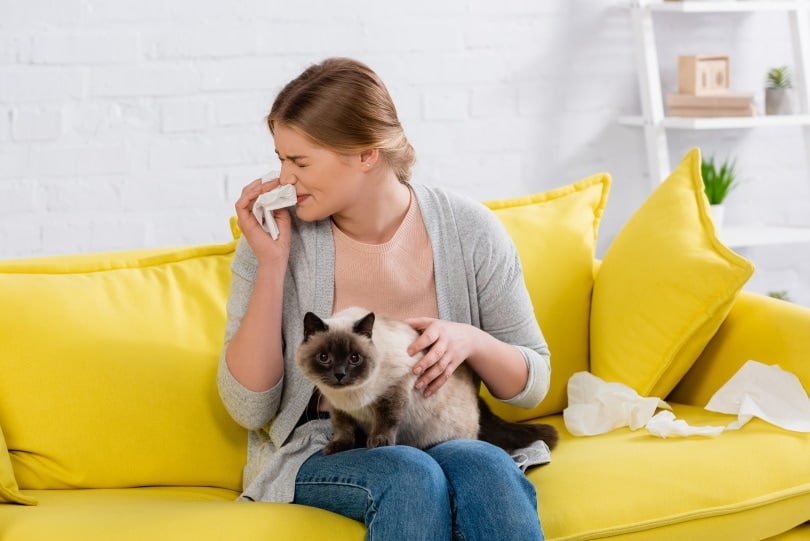
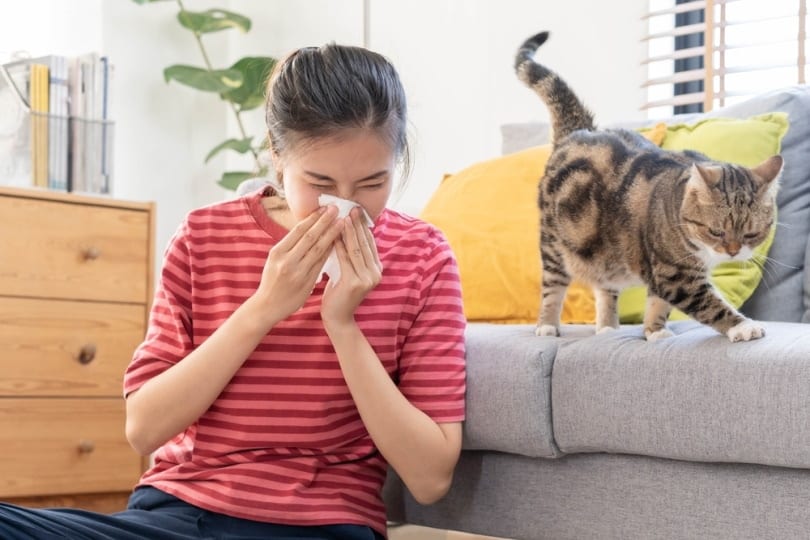
Between 10% and 20% of people globally are allergic to cats. If you suffer from cat allergy but can’t resist the charm of Tortoiseshell cats, you might wonder whether they are hypoallergenic.
Unfortunately, no. Tortoiseshell cats are not hypoallergenic and may trigger an allergic reaction if you are allergic to cats and are in their proximity. Cat allergy is usually caused by a protein found in cats’ saliva, fur, urine, and dander. Stick around to learn more!

Are Tortoiseshell Cats Hypoallergenic?
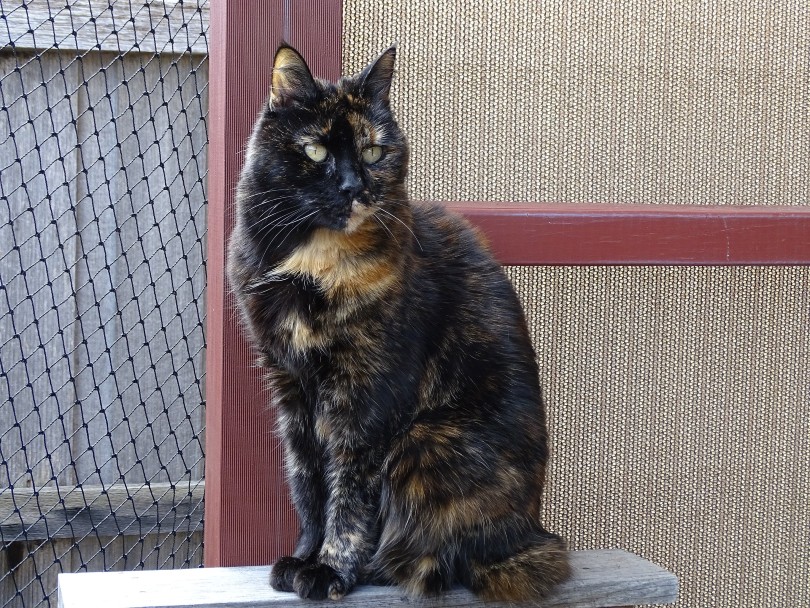
As mentioned, Tortoiseshell cats aren’t hypoallergenic. Cat allergies have nothing to do with the cat’s fur color pattern (a trait the Tortoiseshell cat is popular for).
People with an allergy to cats are in fact allergic to specific proteins that cats naturally produce. Though many such allergen proteins have been identified, Fel d1 is by far the most likely culprit for most allergy triggers. So, if you are allergic to cats, you will have a reaction if you come into contact with any cat that produces the protein, regardless of their fur color(s). However, some cats may be less likely to trigger an allergic reaction in individuals with cat allergies, which we will explore later in the article.

What Causes Cat Allergies?
Cat allergies are caused by an individual’s immune response to an allergen produced by cats. Chief amongst these is a protein called Fel d1, which is found in a cat’s saliva, urine, and flakes of dead skin (dander) 1. However, this protein is largely produced in a cat’s saliva, which is then transferred to their fur and skin whenever they groom themselves. The allergen can become airborne every time dander is released into the air (this can be triggered by many things, such as when your cat shakes or stretches).
Typically, people allergic to Fel d1 react by producing immunoglobulin E (IgE) antibodies. These antibodies cause immune cells to release histamine and other chemicals that cause them to sneeze, experience nasal congestion, and have itchy skin, among other signs. Repeated exposure to the same allergen triggers a stronger immune response.
Signs of Cat Allergies
There are various signs of mild cat allergies:
In rare cases, those with cat allergies can have a more severe allergic reaction called anaphylaxis. This causes difficulties in breathing and low blood pressure and can even send the body into shock.


Is There a Treatment for Cat Allergies?
There is no definitive treatment for cat allergies and current treatment options are designed to minimize discomfort associated with exposure to allergens.
These include the following:
- Allergy shots, otherwise known as immunotherapy, gradually desensitize one to an allergen
- Corticosteroid nasal sprays
- Antihistamines
- Cromolyn sodium prevents the mast cells from spewing out the chemicals that cause cat allergy signs
Please note that these aren’t a one-time fix or a permanent solution to an allergy. The best solution to a cat allergy, especially a serious allergic reaction—is to avoid contact with cats altogether. It is also important to consult your medical doctor for any medication you wish to use for your allergies; remember that there is no specific sign that diagnoses a cat allergy, and your doctor can also check to confirm if you are allergic to cats or not via specific allergy tests.
Tortoiseshell Cat Breeds Less Likely to Cause Allergies
Tortoiseshell cats (also known as Torties) aren’t a specific breed. This is because the term “tortoiseshell” refers to the distinctive fur coat pattern that is often similar to a Tortoiseshell (however, Tortoiseshell cats also have other specific traits). Therefore, Torties can be found in a variety of cat breeds.
Usually, Tortoiseshell cats are common in British Shorthair, American Shorthair, Ragamuffin, and Persian cat breeds, to mention a few.
While Tortoiseshell cats aren’t hypoallergenic, there are cat breeds with Torties and other breeds that are less likely to cause an allergic reaction in people with cat allergies. This is attributed to the fact that they shed less than other cat breeds, and therefore, will leave less Fel d1 (trapped in fur) around your house.
One cat breed with Tortoiseshell cats that are less likely to cause an allergic reaction is the Siberian cat breed. While Siberian kitties have long fur, they produce lower Fel d1 levels, making them suitable for cat lovers who have allergies.
Please be mindful that this doesn’t make the breed hypoallergenic, it just means the breed is a low-level allergenic cat. There is no truly hypoallergenic cat breed, and it is impossible to eliminate all allergens that cats may release. If you are allergic to a protein other than Fel d1, this hypoallergenic trait will not offer you any benefits.
Balinese cats are also another breed with Torties that might be suitable for people with cat allergies because they tend to produce less Fel d1 protein.
Other cat breeds that are less likely to cause an allergic reaction in people with cat allergies include the following:
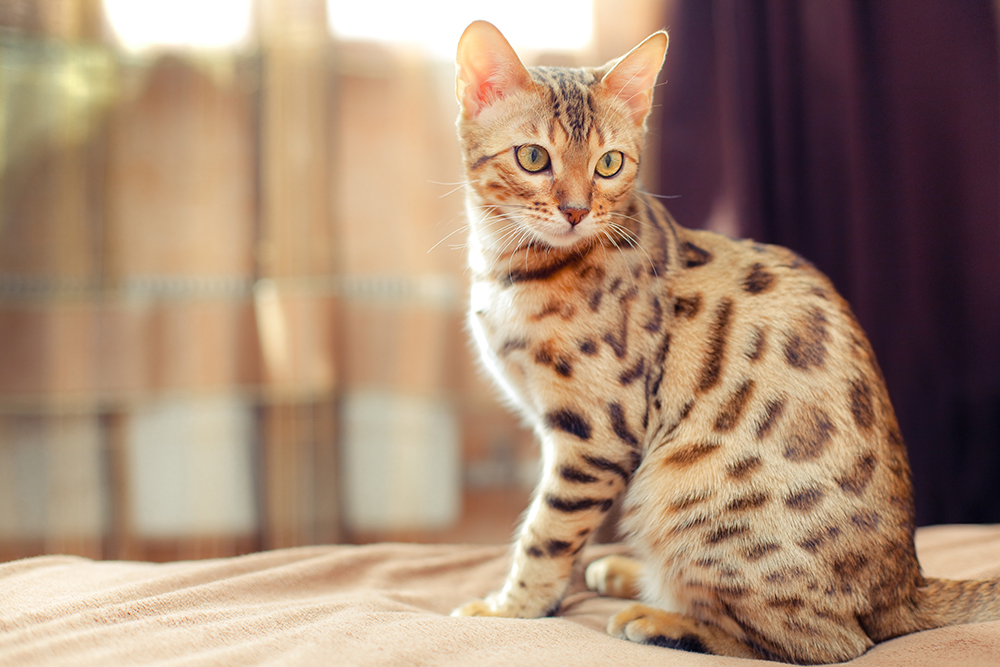
- Bengal cats
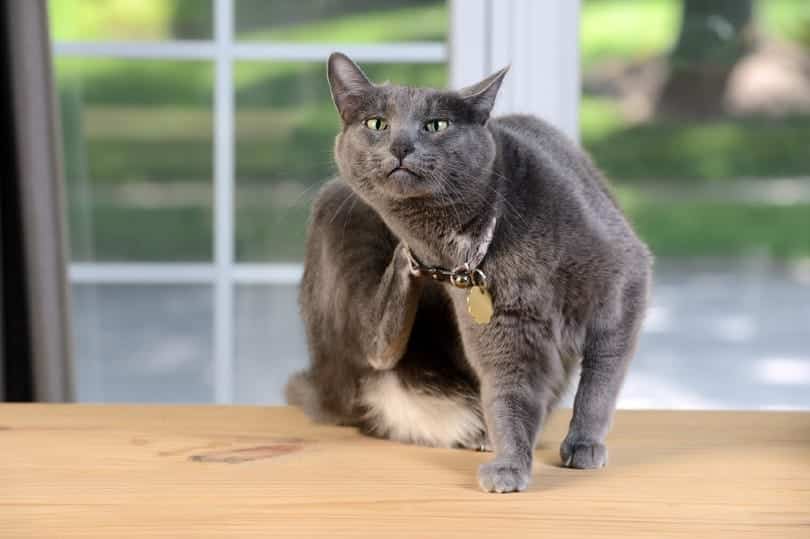
- Russian Blue cats
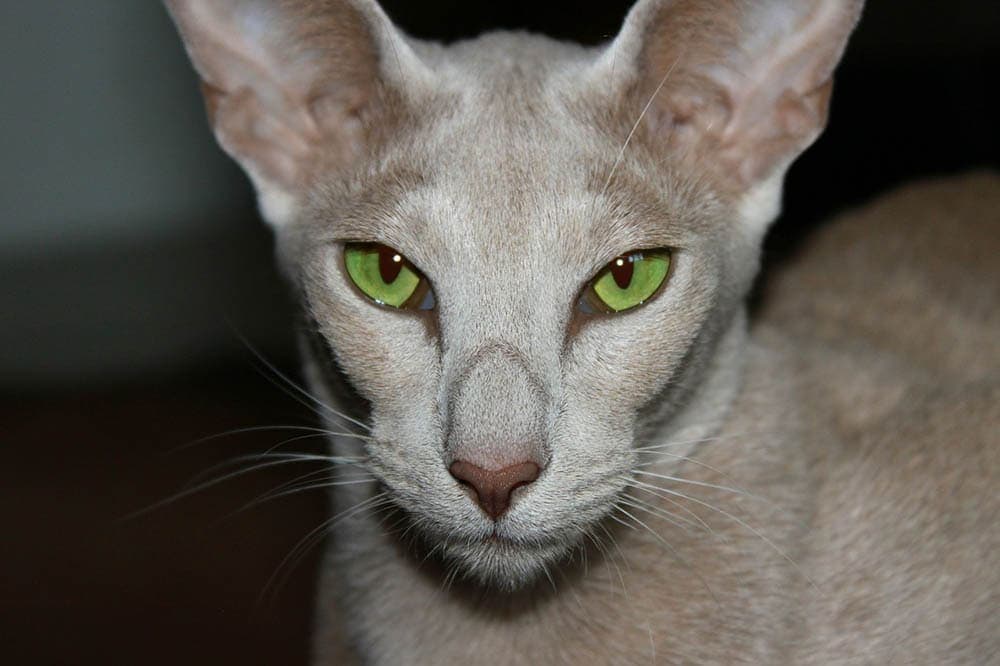
- Sphynx cats (does not come in tortoiseshell pattern)


Top 3 Tips to Manage Cat Allergies
If you are allergic to cats but still have one around, there are several ways you can keep your allergy under control.
1. Keep Your Cat Restricted to Specific Rooms in Your Home
One way to keep your cat allergy under control is by restricting your feline companion in specific rooms. Doing so will limit its shed fur from getting everywhere around the house.
It’s also advisable to keep your cat away from your bedroom. Since that is where you sleep, the chances of getting into contact with its shed fur are high.
2. Limit Those Cuddles
It’s hard not to cuddle your cat, but keeping those cuddles as minimal as possible if you have cat allergies is advisable. Doing so will prevent you from getting into contact with the Fel d1 protein on its fur.
If you pet or cuddle with your feline companion, always wash your hands and change your clothes.
Please note that this isn’t an excuse to not offer your feline human companionship, if you have to limit your time with your cat, you need to find other people who can provide your cat human companionship, or find other ways to meet their social needs.

3. Invest in High-Efficiency Particulate Air Cleaner
Another way to keep your cat allergy under control if you have a cat around is to use a High-Efficiency Particulate Air (HEPA) cleaner in your house. This top-notch quality cleaner will filter out all tiny dander from your cat’s skin in your home, reducing your cat's allergy signs.
It’s also advisable to vacuum and clean your house regularly, especially areas where your cat regularly stays.

Final Thoughts
There is no such thing as a hypoallergenic cat, whether it’s a Tortie or any other kind. Although there are cat breeds that are less likely to cause an allergic reaction in people with cat allergies, it doesn’t mean they are hypoallergenic.
So, if you’re a cat lover who’s allergic to these feline companions, it’s best to limit your contact with cats and find other ways to manage your allergy.
See Also:
Featured Image Credit: Julieshoots, Pixabay

Expert cat care, straight to your inbox
Vet-reviewed advice, behavior tips, and the best of Catster. Free, and you can unsubscribe anytime.
By signing up, you agree to our Terms & Conditions and Privacy & Cookies Policy.
Christian started writing for a local newspaper as a teenager, and he's been involved in the publishing industry for most of his adult life. Combining his love of writing with a passion for animals, he is currently the Director of Editorial at Pangolia and the Editor-in-Chief at Catster.
Christian lives in the Philippines with his wife, son, and four rescue cats: Trixie, Chloe, Sparky, and Chopper.
Join the conversation
Ask a question, share your story, or send private feedback.